Published August 31, 2026, 16:20 by the Triops.me Editorial Team · Back to Articles
Argentavis: The Heaviest Flying Bird That Ever Lived
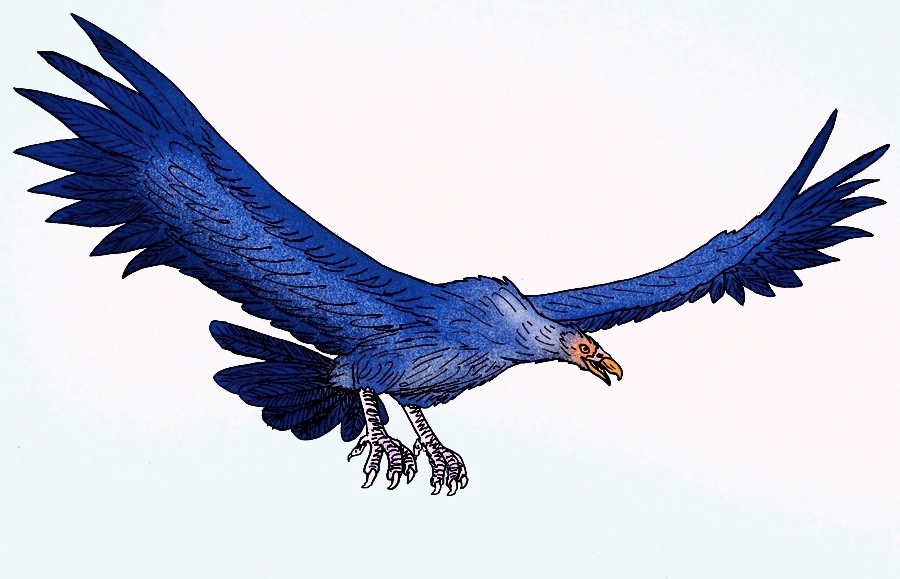
Six million years ago, before the Andes had fully risen, a bird the size of a small airplane patrolled the open grasslands of what is now Argentina. With a wingspan stretching six meters and a body mass rivaling a teenage human, Argentavis magnificens was the heaviest flying bird that has ever lived. No modern swan, bustard, or condor comes close. This was a creature that pushed the physical limits of avian flight, and the fossil record of its bones tells a remarkable story about how evolution can sculpt a living thing to the very edge of what is aerodynamically possible.
First described in 1980 by Kenneth Campbell and Eduardo Tonni from remains found near Hidalgo in La Pampa Province, Argentavis belongs to an extinct family called Teratornithidae. These were large birds of prey that ranged across the Americas from the Late Oligocene to the Late Pleistocene. Argentavis is the largest member of the family, and the second-oldest known genus, with fossils dating to approximately 9 to 6.8 million years ago during the Late Miocene. The name itself is fitting: from Latin argentum (silver, a nod to Argentina) and avis (bird), with the species name magnificens meaning magnificent.
How Big Was Argentavis, Really?
Size estimates for Argentavis have been refined multiple times since its discovery. Campbell and Tonni's original 1980 description tentatively placed the wingspan at 6.5 to 7.5 meters, based on comparisons with the smaller Teratornis merriami from the La Brea Tar Pits. A 1983 study by the same authors used the California condor as a reference model, yielding estimates between 5.7 and 8.3 meters, with the upper end now considered an outlier. More recent work by Ksepka in 2014 settled on a wingspan of roughly 5 to 6 meters, still enormous by any standard. For comparison, the wandering albatross, the living bird with the largest wingspan, reaches about 3.5 meters.
Weight is where Argentavis truly dominated. Initial estimates suggested 120 kilograms, later revised to about 80 kilograms, and most current studies converge on 70 to 72 kilograms. That is more than three times the weight of the heaviest living flying birds, the great bustard and kori bustard, which max out at around 21 kilograms. The heaviest bird alive today that can still fly, a mute swan, once reached 23 kilograms before losing the power of flight entirely. Argentavis weighed roughly as much as a 12-year-old child and still got airborne.
A Life Built Around Soaring
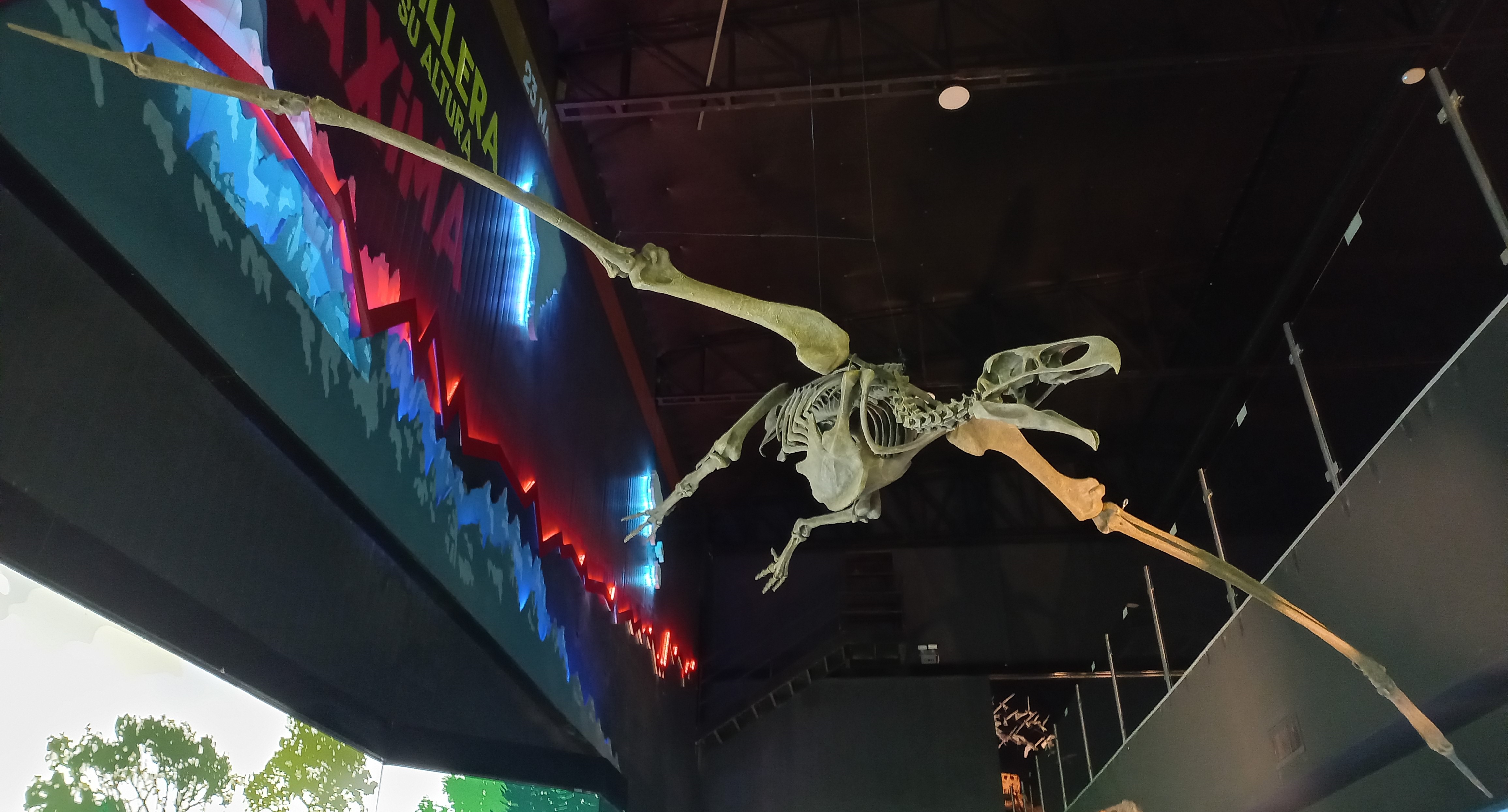
The central puzzle of Argentavis has always been flight. How does a 70-kilogram bird leave the ground? The answer, according to multiple lines of evidence, is that it barely flapped at all. Studies of its wing structure and skeletal anatomy suggest that Argentavis was a master glider, soaring on thermal currents and mountain winds much like modern condors and albatrosses. Its breast muscles were simply too weak relative to its wing size to sustain prolonged flapping flight. The wings were long and broad, optimized for catching updrafts, not for the rapid wingbeats of smaller raptors.
Takeoff was the critical moment. The bird's legs were strong and well-built for walking, but its wings were too long to generate lift through flapping from a standstill. It almost certainly relied on running into headwinds, launching from slopes, or exploiting the thermal updrafts generated by the young Andean foothills. The warmer, drier climate of Late Miocene Patagonia would have produced strong thermals, giving Argentavis the upward push it needed to become airborne. Once aloft, its minimum flight speed was estimated at about 40 kilometers per hour, at which point it could ride air currents for hours without a single wingbeat.
Wing loading, the ratio of body weight to wing area, tells the same story. With an estimated wing area of about 8 square meters, Argentavis had a wing loading of roughly 8.6 kilograms per square meter. That sits between the California condor and the wandering albatross. It was high enough to rule out aerial acrobatics but low enough to allow efficient soaring. This bird was not built for pursuit. It was built for endurance.
Scavenger, Hunter, or Both?
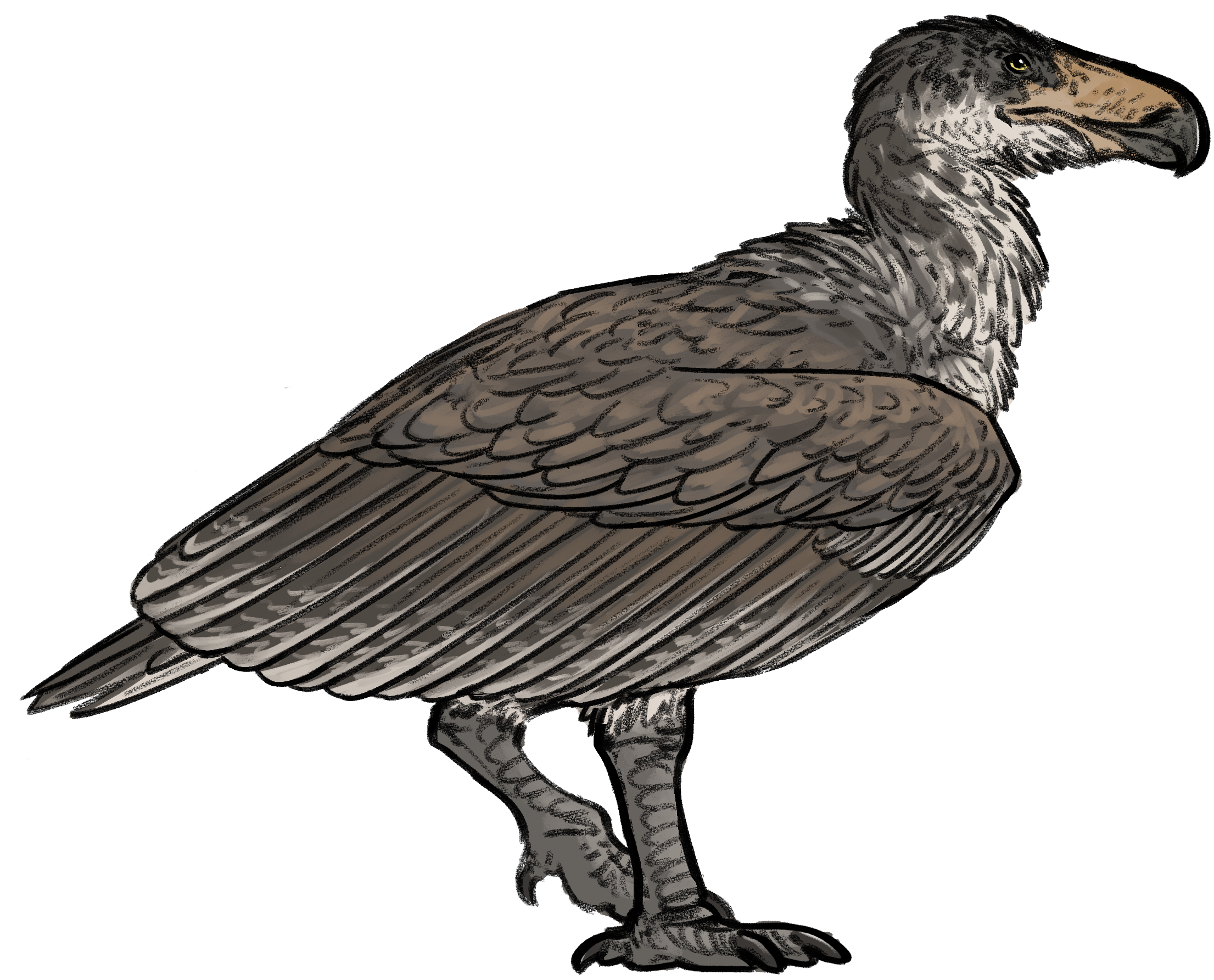
What did Argentavis eat? The evidence points to a flexible diet. Its beak was long and wide, with a gape large enough to swallow hare-sized prey whole. Unlike vultures, it did not have a bare, bald head, so it did not specialize in reaching inside carcasses. Unlike eagles, it did not rely on powerful talons to seize and carry off large prey. Instead, it appears to have been a terrestrial forager, striding across open grasslands and spotting small animals from the air before landing to chase them down on foot.
A 2024 neuroanatomical study by Torres Etchegorry and Degrange added another dimension to this picture. By reconstructing the brain endocast of Argentavis, they found features consistent with a scavenging or even kleptoparasitic lifestyle, meaning it may have stolen kills from other predators. In the Miocene ecosystems of South America, the main land predators were marsupial carnivores and small terror birds, the phorusrhacids. The largest terror bird coexisting with Argentavis, Devincenzia, could reach 350 kilograms, formidable but not fast. Argentavis may have used its enormous size and wingspan to intimidate these predators away from their kills.
It likely needed to consume at least 10 kilograms of meat per day to sustain its massive body. Its territory was vast, estimated at over 500 square kilometers, which it would have screened systematically, possibly flying in north-south patterns to take advantage of prevailing winds. In an ecosystem where large carnivores were relatively rare and herbivores vastly outnumbered them, Argentavis occupied a niche somewhere between a condor and a secretary bird, a soaring kleptoparasite that ruled through size and audacity.
Rare, Slow, and Vulnerable
The life history of Argentavis was shaped by its extreme size. Comparisons with living birds suggest it laid only one or two eggs per clutch, each weighing about 1 kilogram, and did so only once every two years. This extraordinarily slow reproduction rate meant that populations were small and spread thinly across the landscape. To maintain a viable population, no more than 2% of adults could die in any given year. Fortunately, its size offered near-total protection from predation. Mortality in Argentavis was mainly a matter of old age and disease.
The birds likely nested on mountain slopes, building large stick nests similar to those of modern eagles, perhaps lined with downy feathers. Incubation probably took place during the cooler months, with mated pairs alternating between sitting on the nest and foraging. Young Argentavis are thought to have become independent after about 16 months but not to reach full maturity until around 12 years of age. This is a bird built for the long game, slow to reproduce, slow to mature, but with an adult lifespan that made each individual a long-term investment in the population.
Why Did It Disappear?
Argentavis vanished from the fossil record around 6.8 million years ago, and the cause remains unknown. No single catastrophic event explains the extinction. The Andes were still rising, the climate was cooling and drying, and the grassland ecosystems of Patagonia were shifting. Perhaps the thermal currents Argentavis depended on became less reliable. Perhaps changes in prey availability put pressure on a species that could not adapt its slow reproductive cycle quickly enough. Or perhaps new predators or competitors arrived and disrupted the ecological balance that had sustained this giant for two million years.
What we do know is that the teratorn lineage did not disappear entirely. Smaller relatives persisted in North America until the end of the Pleistocene, roughly 11,000 years ago. The best known of these, Teratornis merriami, was about half the size of Argentavis and shared its world with the first humans to reach the Americas. Some researchers believe these giant birds inspired the Thunderbird legends of Native American cultures, stories of immense birds that could carry off a person in their talons. If the first Americans had encountered Argentavis instead, those legends might have been even more dramatic.
Argentavis magnificens stands as a testament to the extremes that evolution can reach. It was a bird that weighed as much as a child, flew on wings wider than a car, and patrolled territories larger than many modern cities. It could not flap its way into the sky but had mastered the art of doing without. In the warm, windy grasslands of Miocene Patagonia, it was the undisputed ruler of the air, a magnificent creature that proved the sky has room for giants, at least for a while.