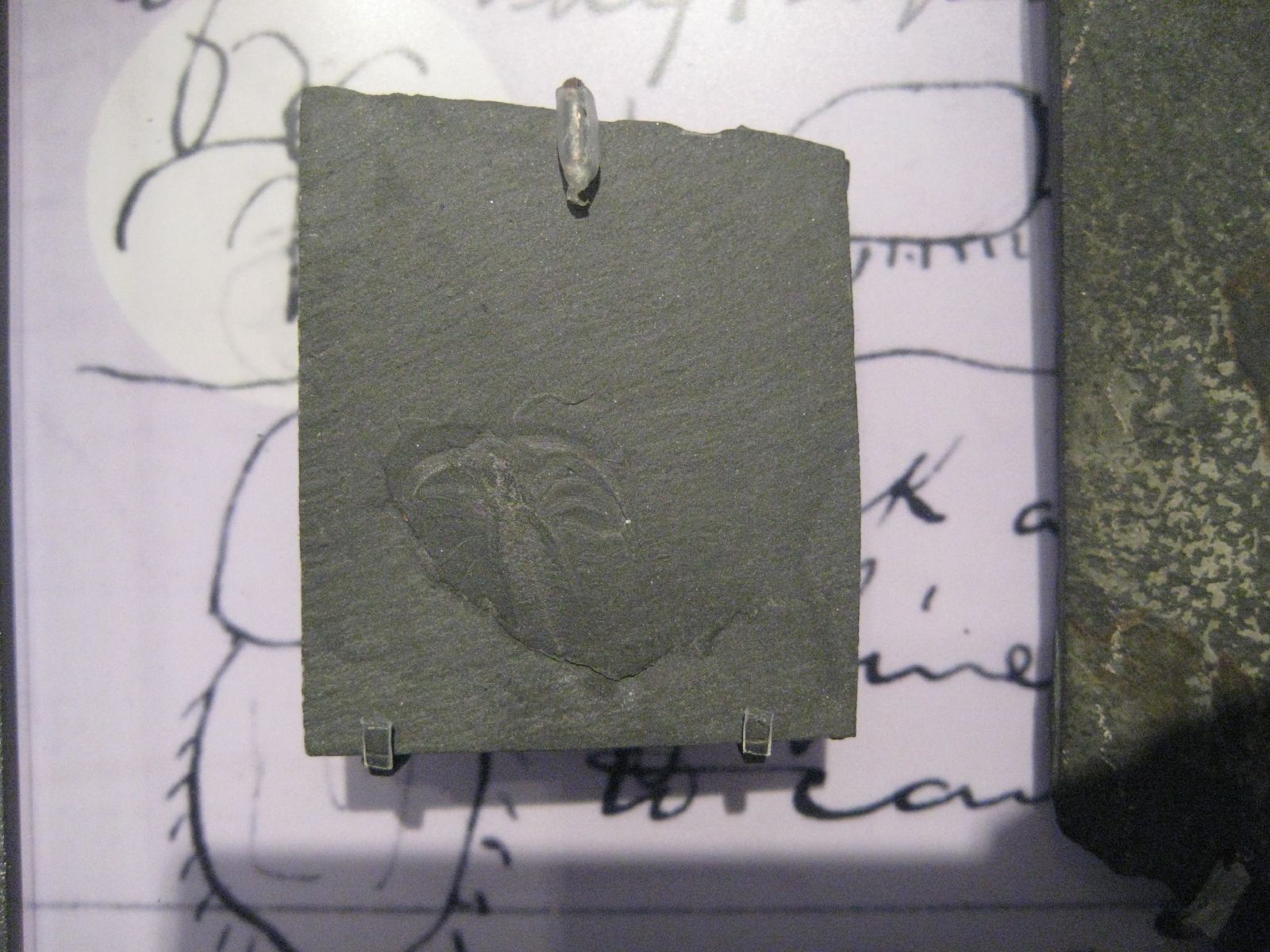
220 Million Years of Survival

Triops have outlived the dinosaurs, survived mass extinctions, and are still here today. Discover the extraordinary story of Earth's most resilient creatures.

Discover Triops →

Latest Articles

Fresh takes on prehistoric creatures, Triops care, and the ancient world.

Jawless Fish

Lampreys and hagfish are the last living jawless fish, a lineage older than sharks and dinosaurs. Meet the slime, the suckers, and 500 million years of survival.

September 02, 2026

Read article →

When Earth Froze Solid

Around 700 million years ago ice sheets reached the equator and the oceans nearly stopped breathing. This is the story of Snowball Earth, and of the microscopic survivors that learned to wait.

September 02, 2026

Read article →

The Cretaceous-Paleogene Extinction: The Day the Dinosaurs Died

The Cretaceous-Paleogene extinction wiped out 75% of species, including all non-avian dinosaurs. Learn how Triops and other survivors endured the asteroid impact that reshaped life on Earth.

September 02, 2026

Read article →

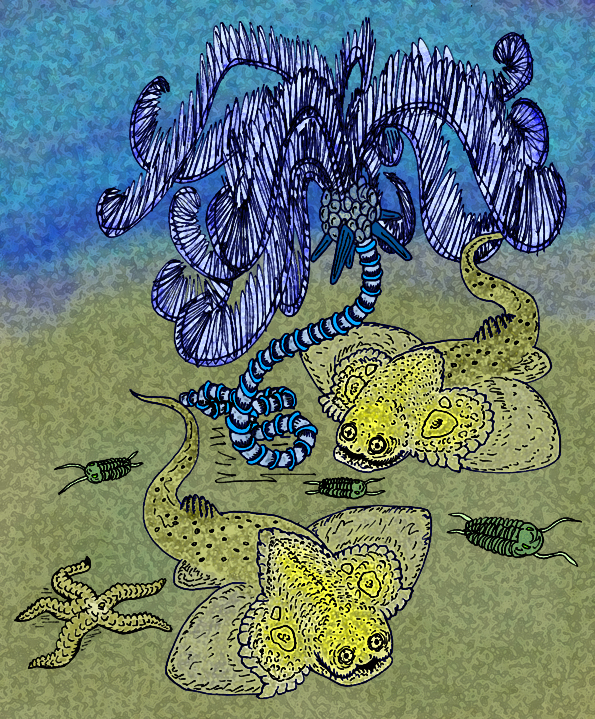
The Ordovician-Silurian Extinction: When Life Nearly Vanished

The Ordovician-Silurian extinction killed 85% of marine species 443 million years ago. Learn how this ancient catastrophe reshaped Earth's oceans and why some creatures, like Triops, survived it all.

September 02, 2026

Read article →

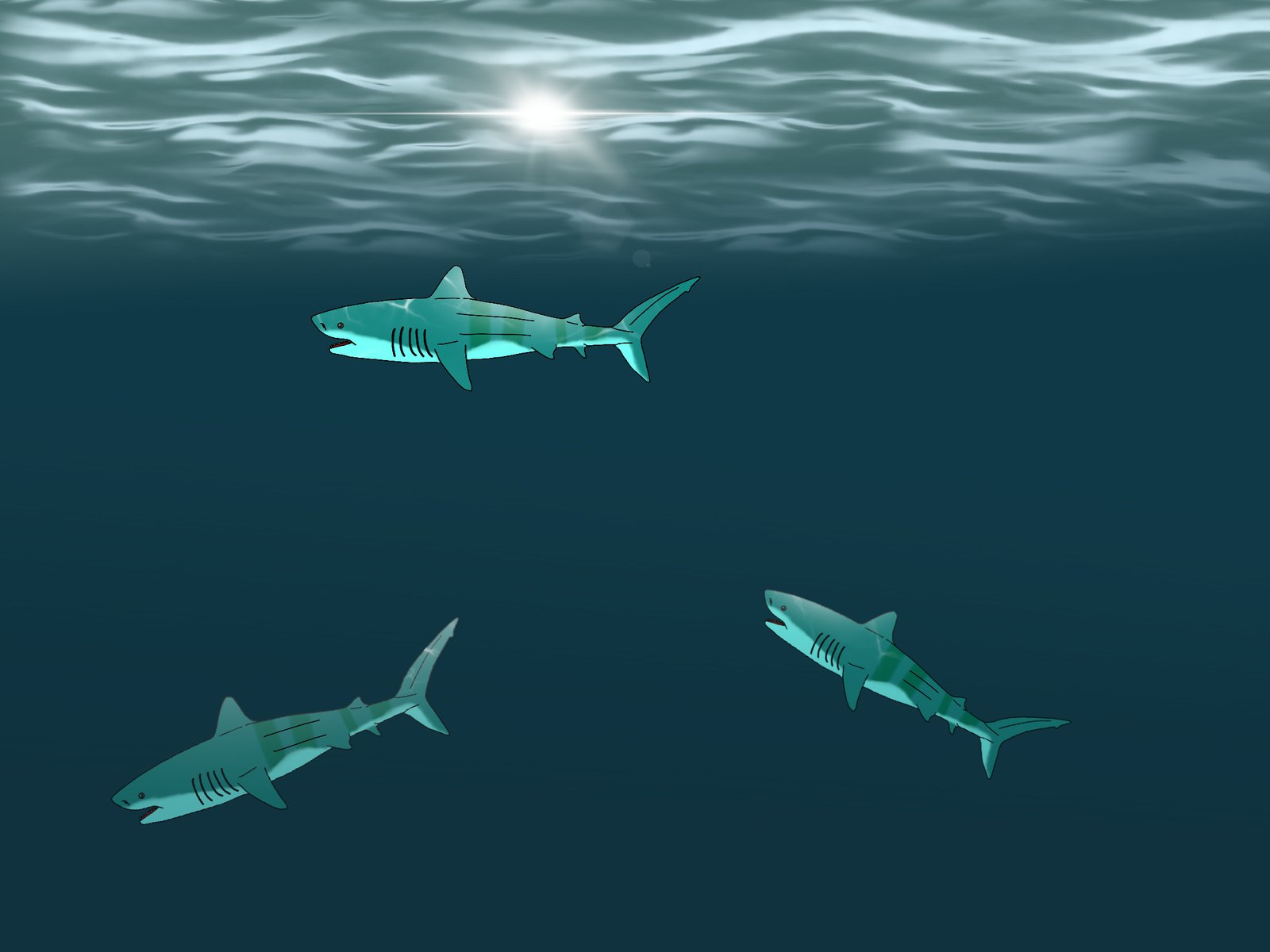
Stethacanthus: The Anvil-Headed Shark of the Carboniferous

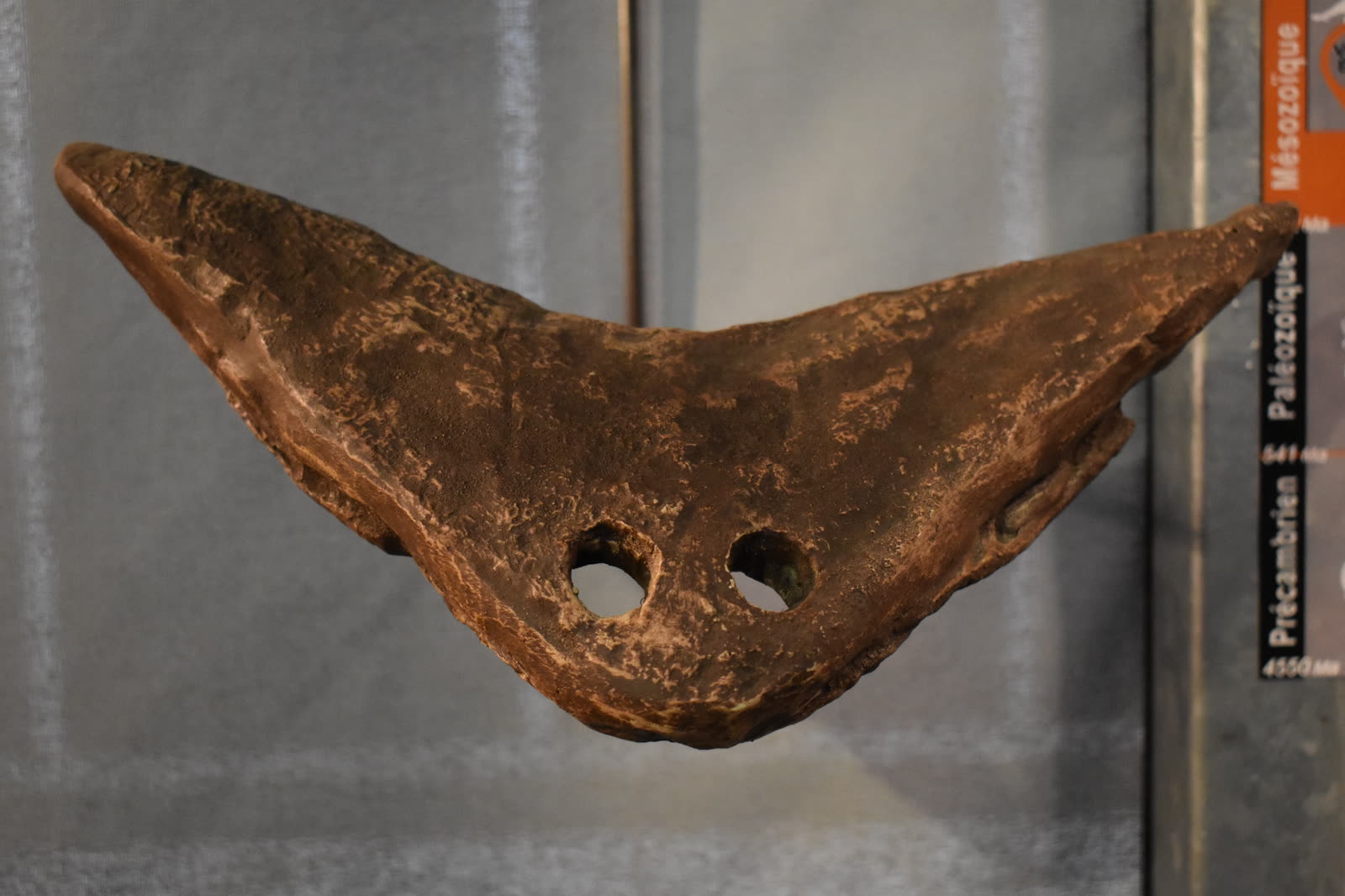
Stethacanthus, the anvil-headed shark of the Carboniferous, had a bizarre spine-brush complex unlike anything alive today. Discover what paleontologists know about this ancient predator.

September 02, 2026

Read article →

Gastonia, the Walking Fortress of the Early Cretaceous

Gastonia burgei was an Early Cretaceous ankylosaur dinosaur with more spikes than almost any other armored dinosaur. Discover how this walking fortress shared its world with Utahraptor.

September 02, 2026

Read article →

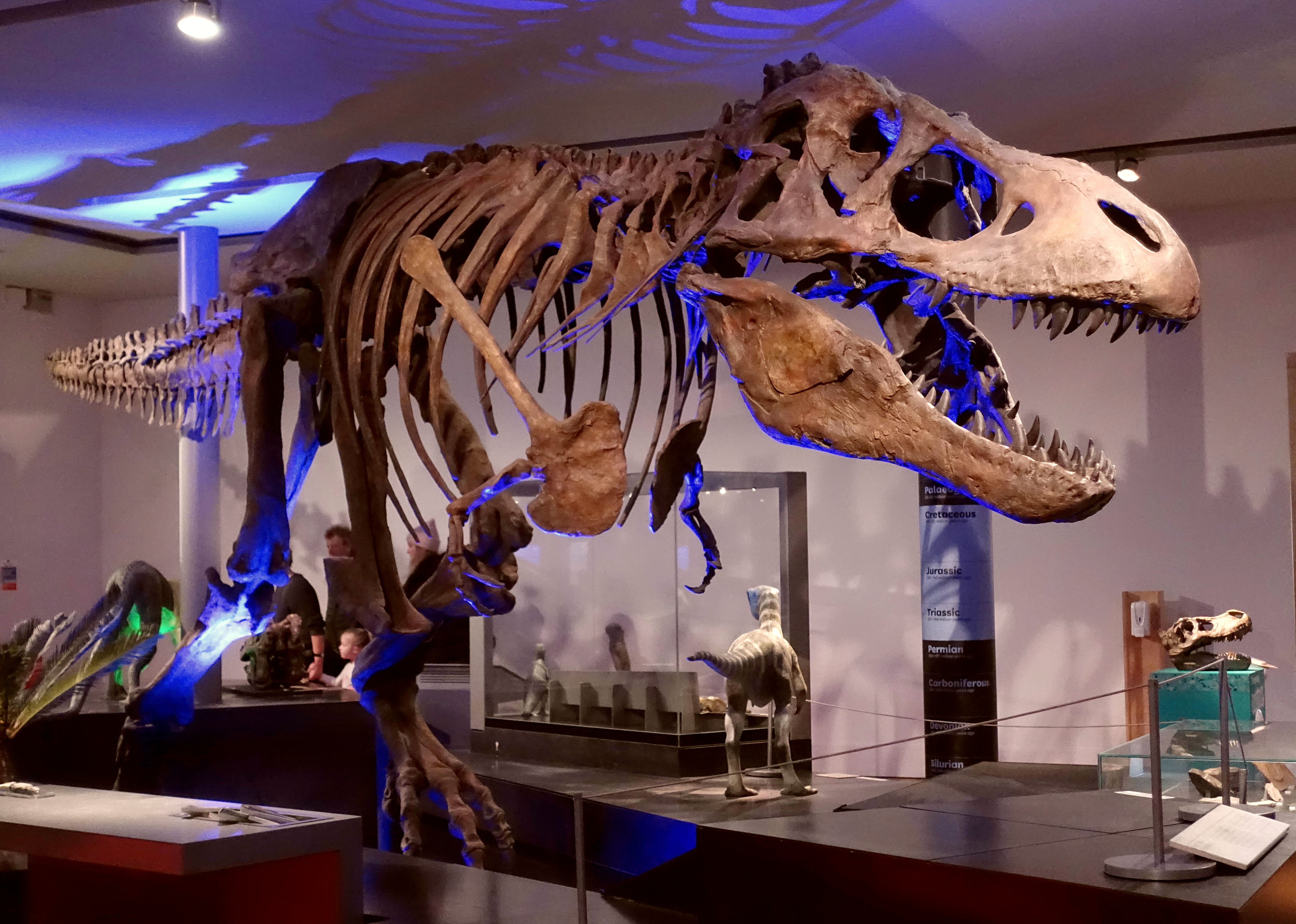
Dilophosaurus: The Double-Crested Predator

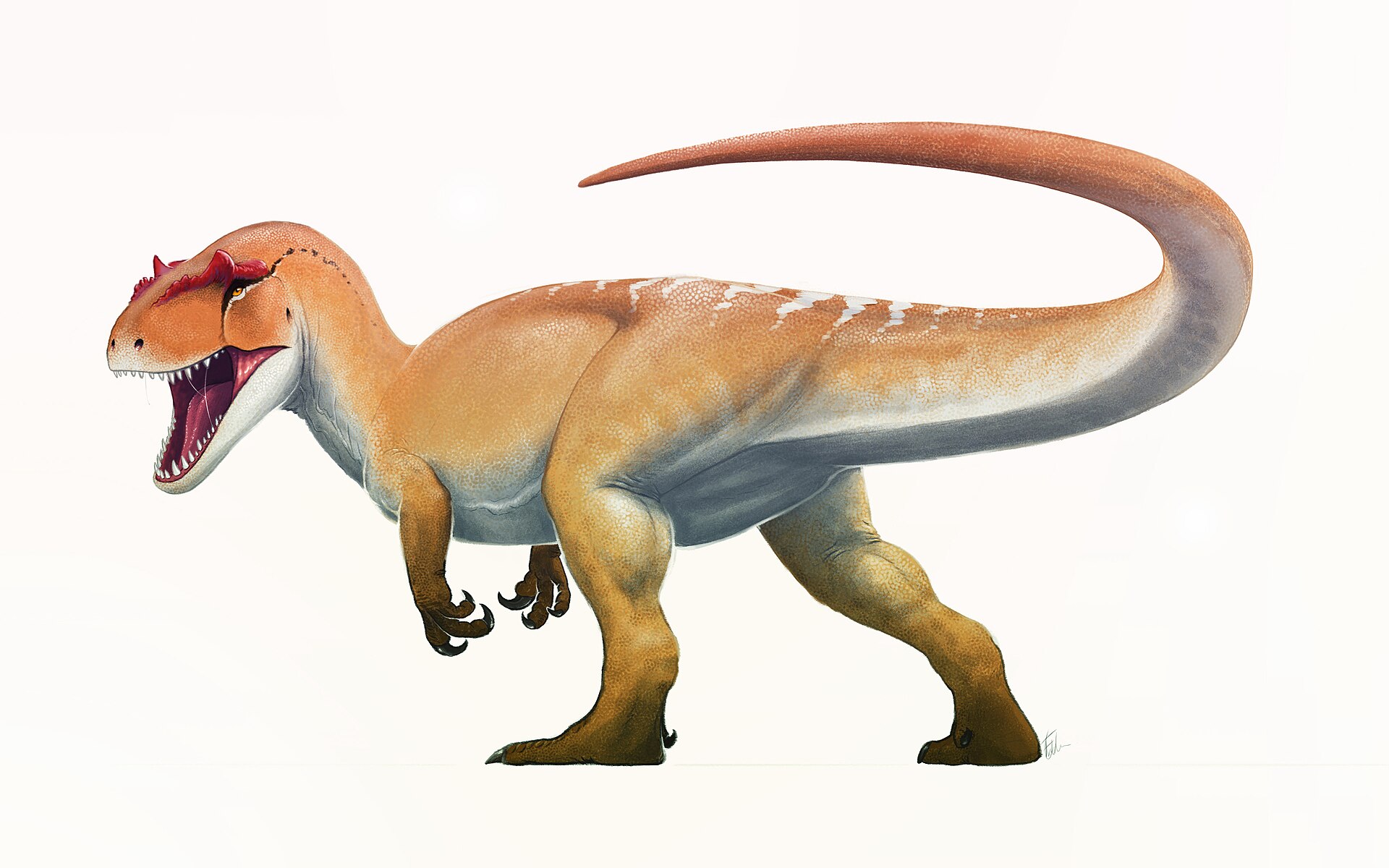
Dilophosaurus was one of the first large predators of the Jurassic. Discover why this double-crested dinosaur was far more formidable than its movie portrayal.

September 01, 2026

Read article →

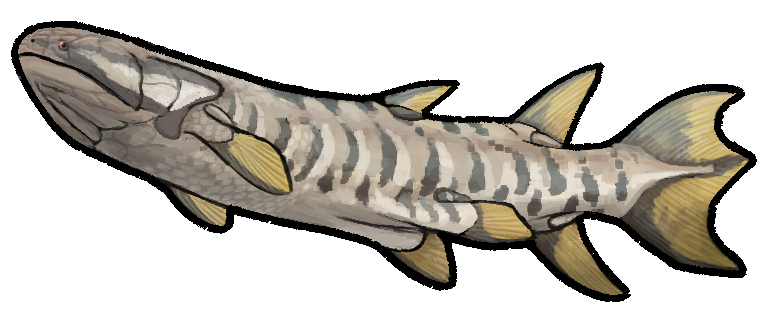
Rhizodonts: Giants of the Carboniferous Rivers

Meet the rhizodonts, the largest freshwater predators ever to swim Earth's ancient rivers. Up to 7 meters long, these Devonian to Carboniferous giants dominated tropical waterways for 70 million years

September 01, 2026

Read article →

Megatherium: The Giant Ground Sloth That Stood Taller Than Elephants

Megatherium, the giant ground sloth, was an elephant-sized mammal that roamed South America until just 12,000 years ago. Learn about its discovery, anatomy, and extinction.

September 01, 2026

Read article →

The Tiger Salamander: Nature's Pause Button

The tiger salamander is a living fossil that survived since the Permian. Its remarkable ability to pause metamorphosis reveals one of nature's most extraordinary survival strategies.

September 01, 2026

Read article →

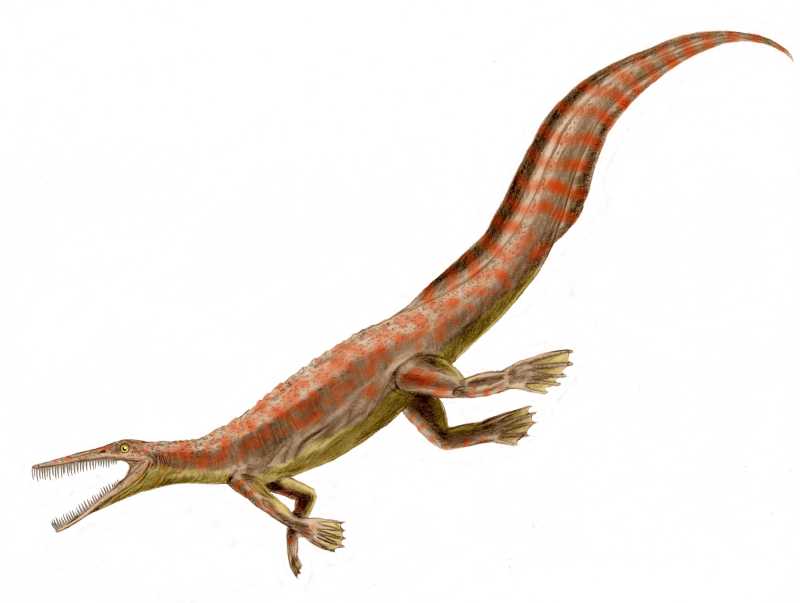
Temnospondyls: Giant Amphibians That Ruled Before Dinosaurs

Temnospondyls were a diverse group of prehistoric amphibians that ruled freshwater ecosystems for over 200 million years, reaching lengths up to 9 meters.

August 31, 2026

Read article →

Argentavis: The Heaviest Flying Bird That Ever Lived

Argentavis magnificens was the heaviest flying bird that ever lived. Explore the science behind this Miocene giant with a 6-meter wingspan that ruled Patagonian skies.

August 31, 2026

Read article →

Tiktaalik: The Fish That Walked onto Land

Tiktaalik roseae is the famous transitional fossil that bridges fish and land-dwelling vertebrates. Discover how this 375-million-year-old creature walked out of the water.

August 31, 2026

Read article →

Neanderthals: Our Closest Cousins and Their Hidden Legacy

Neanderthals were our closest relatives, sharing 99.7% of our DNA. Explore their anatomy, culture, interbreeding with humans, and why they disappeared from Earth.

August 30, 2026

Read article →

Triops in Rice Paddies: Ancient Crustaceans in the World's Food Fields

Triops thrive in flooded rice paddies across Asia, Africa, and the Americas. Learn how these 250-million-year-old crustaceans became the unexpected allies of rice farmers worldwide.

August 31, 2026

Read article →

Proganochelys: The First Turtle

Proganochelys, the oldest known turtle from the Late Triassic, lived alongside Triops. Discover how this ancient shell-bearer pioneered the turtle body plan 210 million years ago.

Read article →

Cynodonts: The Prehistoric Ancestors of Mammals

Cynodonts were the mammal-like reptiles that survived the worst extinction in Earth's history and gave rise to all living mammals, including humans.

Read article →

Archelon: The Largest Sea Turtle Ever

Archelon ischyros was the largest sea turtle ever to swim Earth's oceans, reaching 4.6 metres across and weighing over two tonnes. Meet the Cretaceous titan.

August 30, 2026

Read article →

Ichthyosaurs: The Dolphin-Shaped Reptiles of Triassic Seas

Discover ichthyosaurs, the dolphin-shaped marine reptiles that dominated Triassic seas. From tiny juveniles to 21-meter giants, these remarkable creatures convergently evolved with modern dolphins.

August 29, 2026

Read article →

Placodonts: Shell Crushers of the Triassic

Placodonts were Triassic marine reptiles built like living nutcrackers. Discover how these armoured shell-crushers dominated shallow seas and why they vanished.

August 29, 2026

Read article →

View all articles →

Explore the Ancient World

🦐 What is a Triops?

Part crustacean, part time-traveler. Triops are tadpole shrimp whose body plan has barely changed since the Triassic period. Three eyes, a forked tail, and an appetite for survival.

Learn more →

🧬 Biology & Taxonomy

Branchiopods in the order Notostraca, Triops cancriformis is the most well-known species. Their unique dorsal carapace and compound eyes set them apart from all other living crustaceans.

Read the science →

🪨 Fossil Record

Fossils of Triops ancestors dating to the Late Triassic look remarkably similar to living specimens, making them one of the best-documented examples of morphological stasis in the fossil record.

See the timeline →

🐾 Prehistoric Creatures

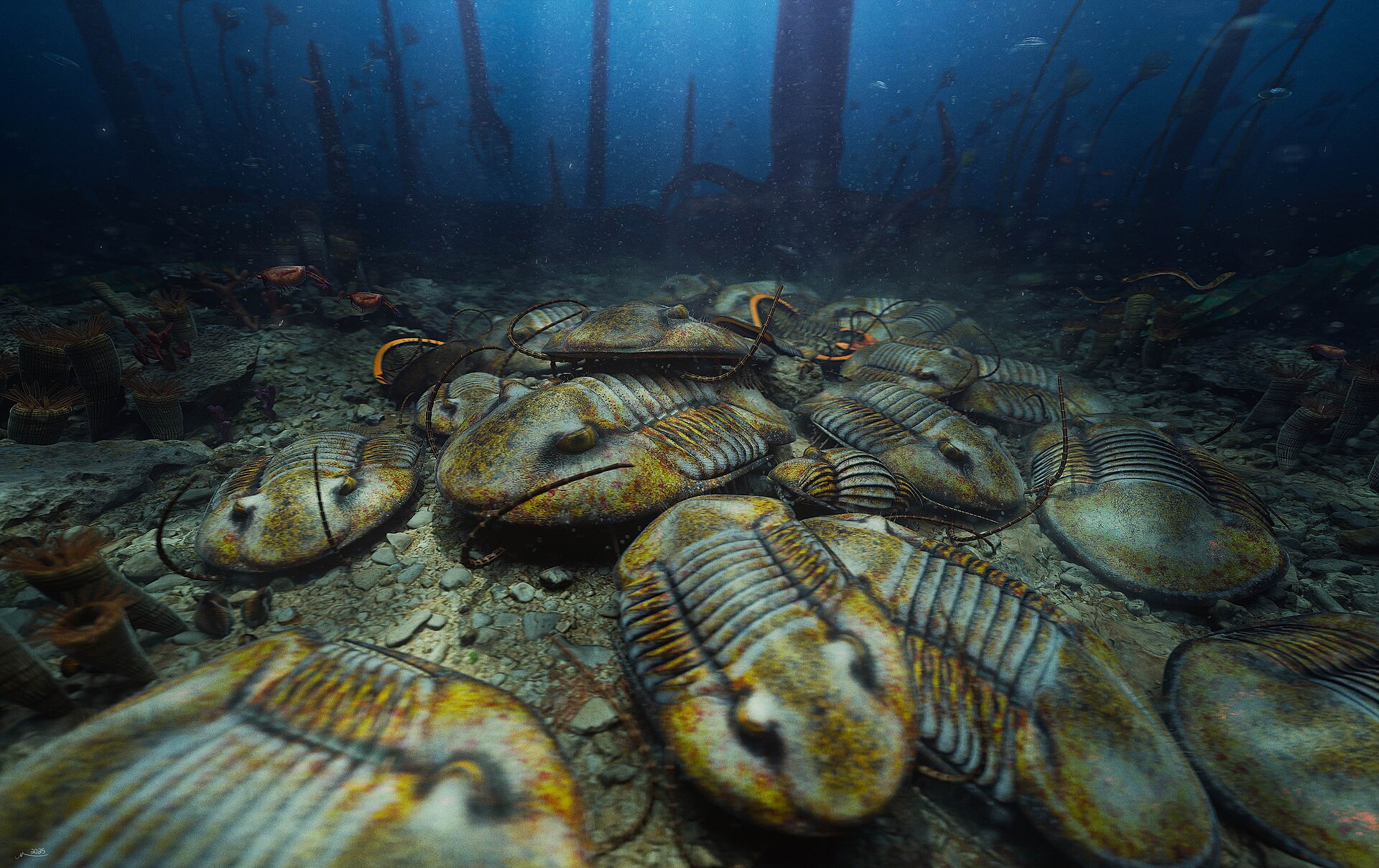
From trilobites to Anomalocaris, the ancient seas and shores teemed with life forms that still inspire awe. Meet some of the most fascinating species to ever walk, crawl, or swim on Earth.

Browse the gallery →

🏠 Keep Triops as Pets

You can raise your own living fossils at home. Triops kits are popular science education tools, and the creatures are surprisingly easy to care for with the right setup.

Pet care guide →

ℹ️ About This Project

This site is dedicated to sharing knowledge about Triops and prehistoric creatures. Factual, accessible, and built with care.

Meet the team →

Triops at a Glance

Here's why these tiny creatures are among the most remarkable survivors in Earth's history:

FactDetail
Age as a group~220 million years
Number of eyes3 (two compound + one naupliar)
Lifespan40–90 days
Body size2–10 cm
DietOmnivore (algae, detritus, small invertebrates)
HabitatTemporary freshwater pools
Egg survivalViable in dry soil for 20+ years

Ready to Dive Deeper?

Whether you're a student, a hobbyist, or just curious, there's always more to learn about these incredible animals.

Full Triops Guide Creature Gallery