Published August 14, 2026, 17:30 by the Triops.me Editorial Team · Back to Articles
Branchiopods: The Hidden World of Living Fossil Crustaceans
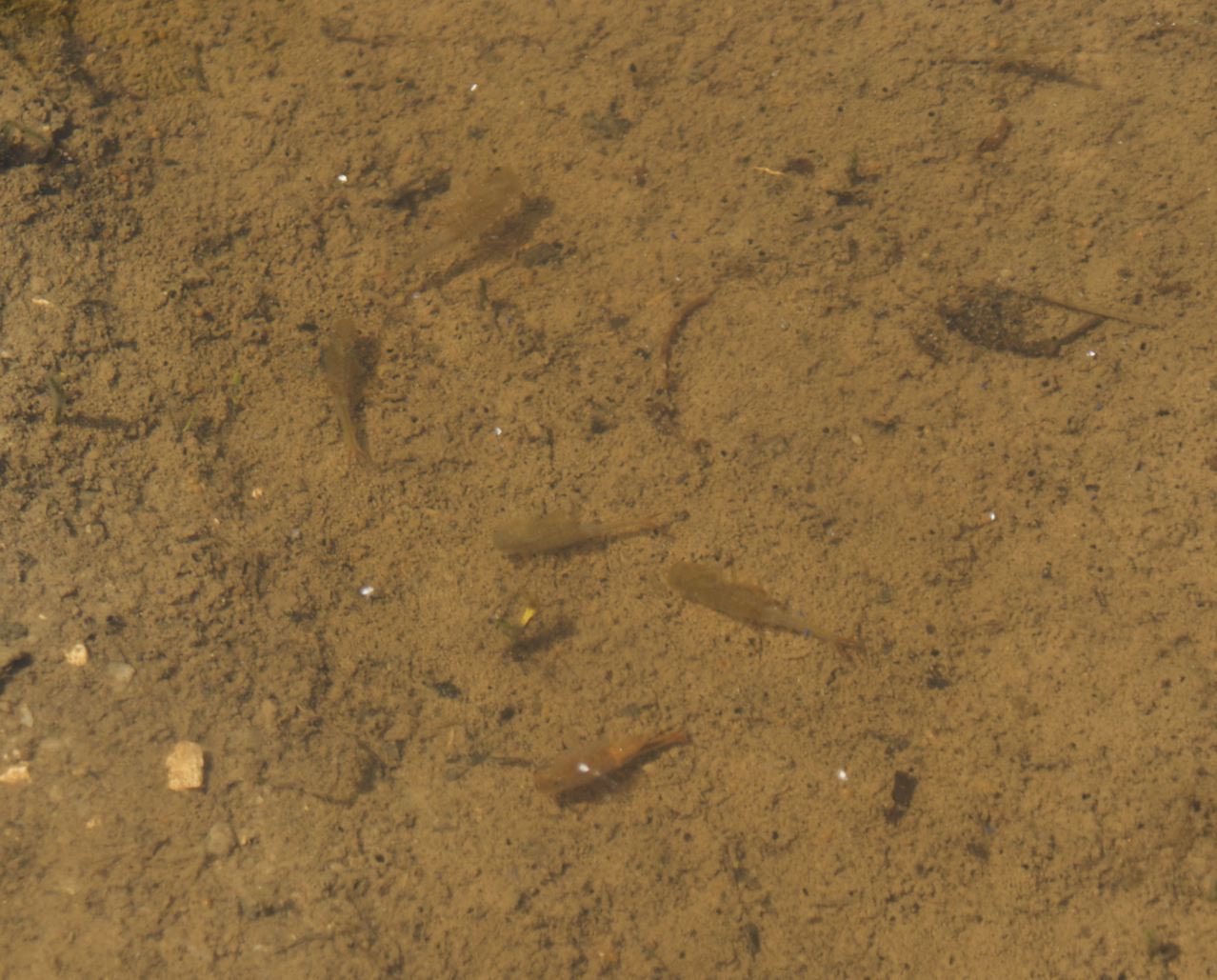
When people think of living fossils, Triops usually gets the spotlight. But Triops is just one member of a much larger family, the class Branchiopoda, a group of crustaceans that has been quietly surviving on Earth for over 500 million years. From the delicate fairy shrimp gliding through vernal pools to the hardy brine shrimp thriving in salt lakes, branchiopods are everywhere, and most people have never heard of them.
The name "branchiopod" comes from the Greek words for "gill" and "foot," a reference to the leaf-like appendages these animals use for both breathing and swimming. Unlike the jointed, tubular legs of insects or crabs, branchiopod limbs are flat, paddle-shaped structures that beat in a rhythmic wave. This ancient body plan has proven so effective that it has barely changed since the Cambrian period.
Meet the Branchiopod Family
The class Branchiopoda contains roughly 800 living species divided into four major orders. Each group has adapted to a different niche, but all share the same ancient blueprint of flattened, gill-bearing limbs and a remarkable tolerance for harsh, unpredictable environments.
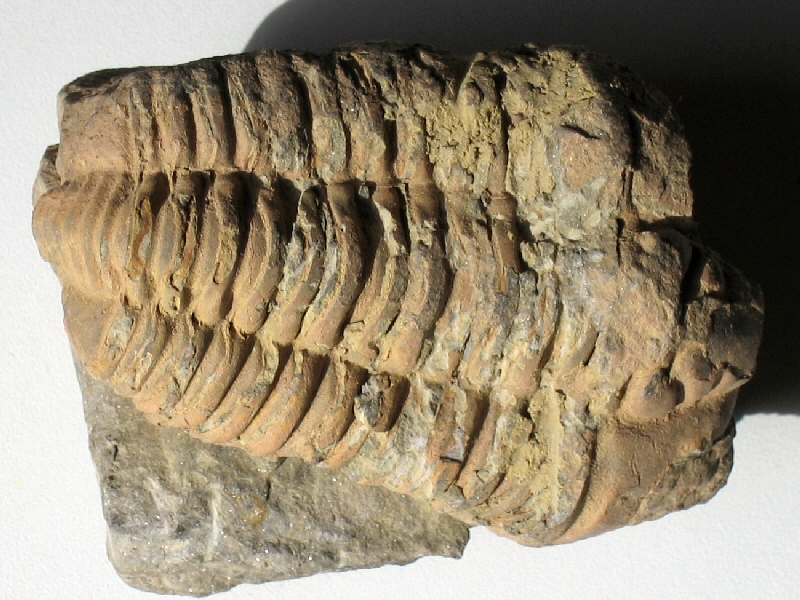
Notostraca includes the tadpole shrimp, the group that contains Triops and its relatives. These are the largest branchiopods, reaching up to 10 centimeters in length. With their broad, shield-like carapace and three eyes (two compound eyes and a single nauplius eye), notostracans look like tiny prehistoric trilobites. They are found on every continent except Antarctica and are the branchiopods best known to the general public.
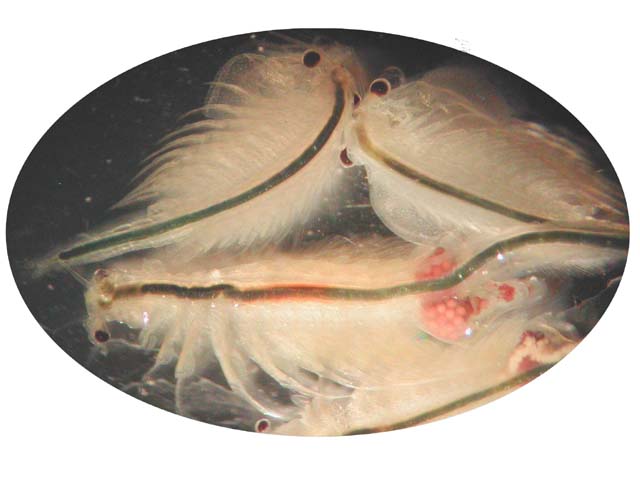
Anostraca are the fairy shrimp, perhaps the most elegant branchiopods. Unlike Triops, fairy shrimp have no carapace, leaving their segmented bodies fully exposed. They swim upside down, beating their 11 pairs of legs in a hypnotic, wave-like motion that gives them their common name. Species like Chirocephalus diaphanus in Europe and Branchinecta packardi in the western United States inhabit seasonal pools that exist for only a few weeks each year. When the water dries up, fairy shrimp produce dormant eggs that can wait decades for the next rainfall.
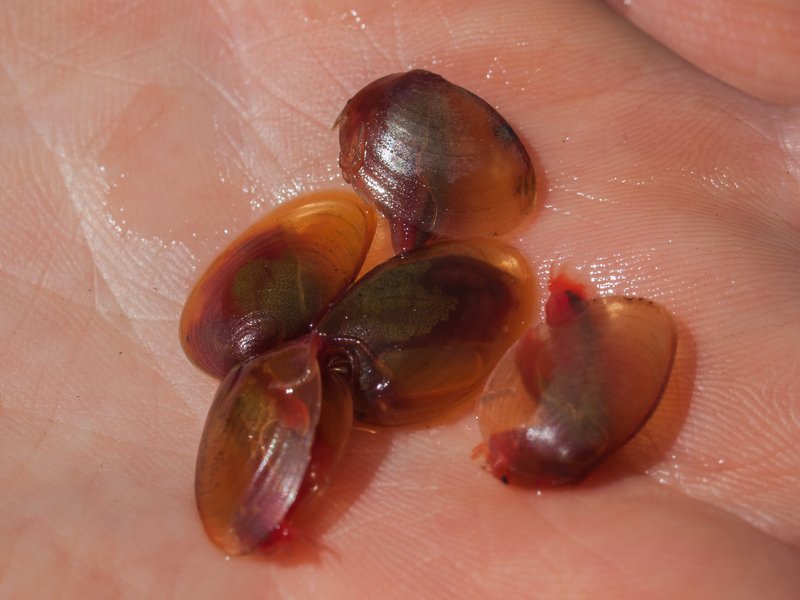
Spinicaudata, Laevicaudata, and Cyclestherida are collectively known as clam shrimp because their bodies are enclosed in a bivalve-like shell that resembles a tiny clam. This carapace opens and closes on a hinge, and the animal filters food particles from the water using its leaf-like limbs. Clam shrimp are found worldwide in temporary and permanent freshwater habitats, and their fossil record extends back to the Devonian period, over 350 million years ago.
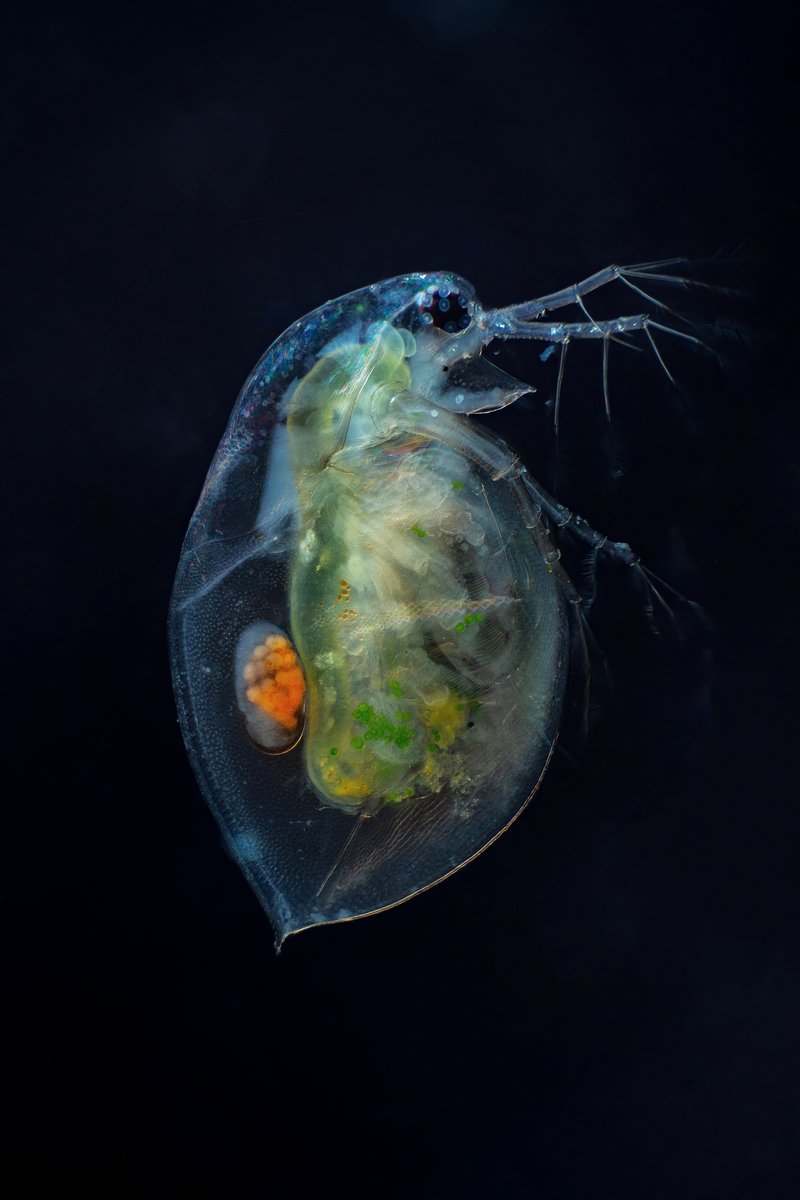
Diplostraca, also called Cladocera, are the water fleas. The most familiar genus is Daphnia, a staple of freshwater ecology and one of the most studied organisms in biology. Water fleas are tiny, usually under five millimeters, and they get their name from their jerky, flea-like swimming motion. Despite their small size, they play an outsized role in aquatic ecosystems, serving as a critical food source for fish and other predators while keeping algae populations in check.
Shared Strategies for Survival
What ties all branchiopods together, beyond their leaf-like limbs, is a shared set of survival strategies that have kept the group alive through five mass extinctions.
The most important of these is desiccation-resistant eggs. Nearly all branchiopods can produce dormant eggs, also called cysts, that survive complete drying, extreme temperatures, and even UV radiation. When a temporary pool evaporates, the eggs sink into the mud and enter a state of suspended animation called diapause. Some branchiopod eggs have been successfully hatched after more than 50 years of dry storage, a testament to the extraordinary engineering of these microscopic capsules.
Branchiopods also share a preference for temporary and extreme aquatic habitats. Ephemeral pools, salt flats, alkaline lakes, and desert water holes are environments where most fish and large predators cannot survive. By colonizing these harsh habitats, branchiopods avoid competition and predation. Triops thrives in desert pools, fairy shrimp dominate vernal pools, brine shrimp conquer hypersaline lakes, and water fleas fill every pond and ditch that lacks hungry fish.
A third shared trait is rapid development. Most branchiopods can grow from egg to reproductive adult in just one to three weeks, allowing them to complete their life cycle before their temporary habitat disappears. This speed is not a compromise, it is a finely tuned adaptation to the unpredictable nature of ephemeral water bodies.
Branchiopods in the Fossil Record
The branchiopod fossil record is deep and surprisingly complete. The earliest undisputed branchiopods date to the Ordovician period, roughly 480 million years ago, but the group may be even older. Cambrian deposits in Australia and Greenland have yielded fossils of Rehbachiella, a creature that some paleontologists interpret as a stem-group branchiopod, pushing the possible origin of the group back to over 500 million years ago.
During the Devonian period, branchiopods diversified significantly. Clam shrimp fossils from this era show that the bivalve body plan was already well established 380 million years ago. Triops fossils, meanwhile, appear in the Upper Triassic, around 220 million years ago, and they look remarkably similar to the living species found today. The genus Triops is often cited as one of the most morphologically conservative animal lineages on the planet, having changed less in 200 million years than most species change in a single million.
Why Branchiopods Matter
Branchiopods are not just evolutionary curiosities. They play essential roles in ecosystems around the world. Fairy shrimp and clam shrimp are important food sources for migratory birds, particularly waterfowl that depend on temporary wetlands during their long journeys. Water fleas like Daphnia are foundational to freshwater food webs, converting algae into protein that feeds fish, amphibians, and aquatic insects.
In recent decades, scientists have also turned to branchiopods as model organisms for studying ecology, evolution, and environmental change. Because branchiopod eggs can be stored indefinitely and hatched on demand, researchers use them to study developmental biology and gene expression. Brine shrimp are a standard tool in toxicology testing, where their sensitivity to pollutants makes them excellent indicators of water quality.
Perhaps most exciting is the role branchiopods play in astrobiology research. The ability of their eggs to survive extreme conditions, including vacuum, radiation, and temperature extremes, has made them subjects of experiments on the International Space Station. If branchiopod eggs can survive the rigors of space, they offer clues about how life might persist during interplanetary travel, a concept known as panspermia.
The Overlooked Majority
Triops deserves every bit of attention it receives. But it represents just one branch of a much larger evolutionary tree. The fairy shrimp drifting through a California vernal pool, the clam shrimp hiding in the mud of an African floodplain, and the water fleas pulsing in a European pond are all distant cousins of the tadpole shrimp, connected by half a billion years of shared ancestry.
Understanding branchiopods as a group reveals something important about life on Earth. The strategies they use to survive, desiccation-resistant eggs, rapid development, colonization of extreme habitats, are not unique to one species. They are a shared evolutionary toolkit, refined over geological time and deployed by hundreds of species across every continent. The next time you see a temporary puddle dry up and wonder what happened to the creatures living in it, remember that somewhere in that mud, dormant eggs are waiting. They have been waiting for a very long time, and they are in no hurry.