Published August 16, 2026, 21:57 by the Triops.me Editorial Team · Back to Articles
Inside the Burgess Shale: A Window into the Cambrian Explosion
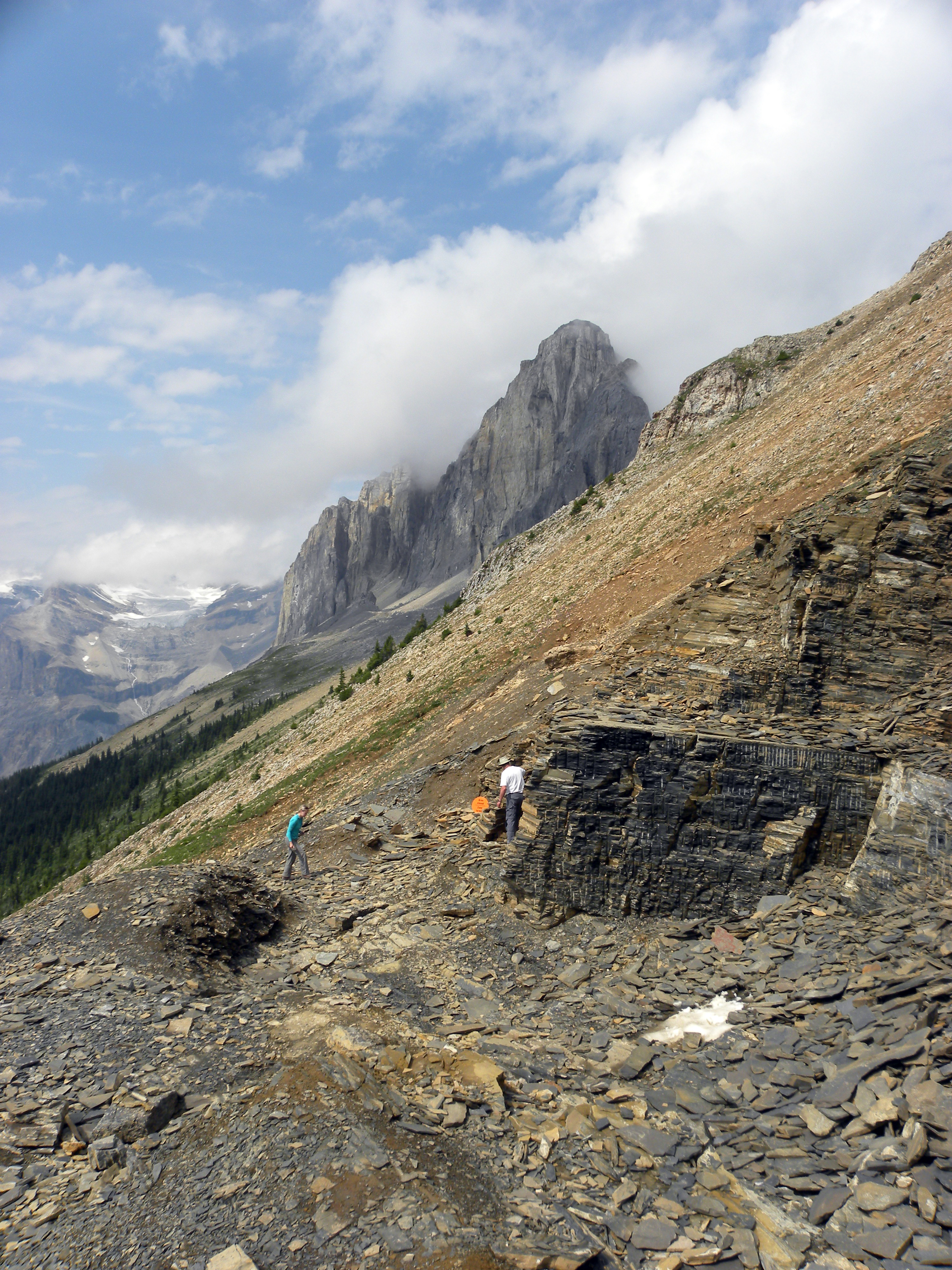
High in the Canadian Rockies, tucked along a steep ridge in Yoho National Park, lies one of the most important fossil sites on Earth. The Burgess Shale has been revealing the secrets of early animal life for over a century.
Discovered in 1909 by paleontologist Charles Doolittle Walcott, the Burgess Shale is a black shale deposit roughly 508 million years old. What makes it extraordinary is the way fossils were preserved. An underwater avalanche of fine mud buried entire organisms so quickly that soft tissues, eyes, and delicate appendages were captured in exquisite detail. Most Cambrian fossil sites yield only shells and hard parts. The Burgess Shale gave scientists a complete snapshot of what ancient seas actually looked like.
A Discovery That Rewrote Evolution
Walcott spent years excavating the quarry, amassing over 65,000 specimens representing roughly 127 species. But he made a critical error. Trying to fit these bizarre creatures into known biological categories, he classified many of them as primitive versions of modern animals. The fossil trove was treated as a curiosity, not a revelation.
It took until the 1960s for the real story to emerge. When Harry Whittington of Cambridge University, along with his students Derek Briggs and Simon Conway Morris, began a painstaking reexamination of Walcott's specimens, they realized the fossils did not fit into modern groups at all. Many represented entirely new body plans, whole branches of the animal family tree that had no living descendants. The first European to see a kangaroo could not have been more surprised.
This realization sparked one of the great scientific debates of the 20th century. Stephen Jay Gould immortalized the Burgess Shale in his 1989 book Wonderful Life, arguing that Cambrian life was far more diverse than anything alive today. The explosion of wildly different body plans suggested evolution was not a steady march from simple to complex, but a chaotic lottery in which most lineages eventually went extinct.
The Stars of the Burgess Shale
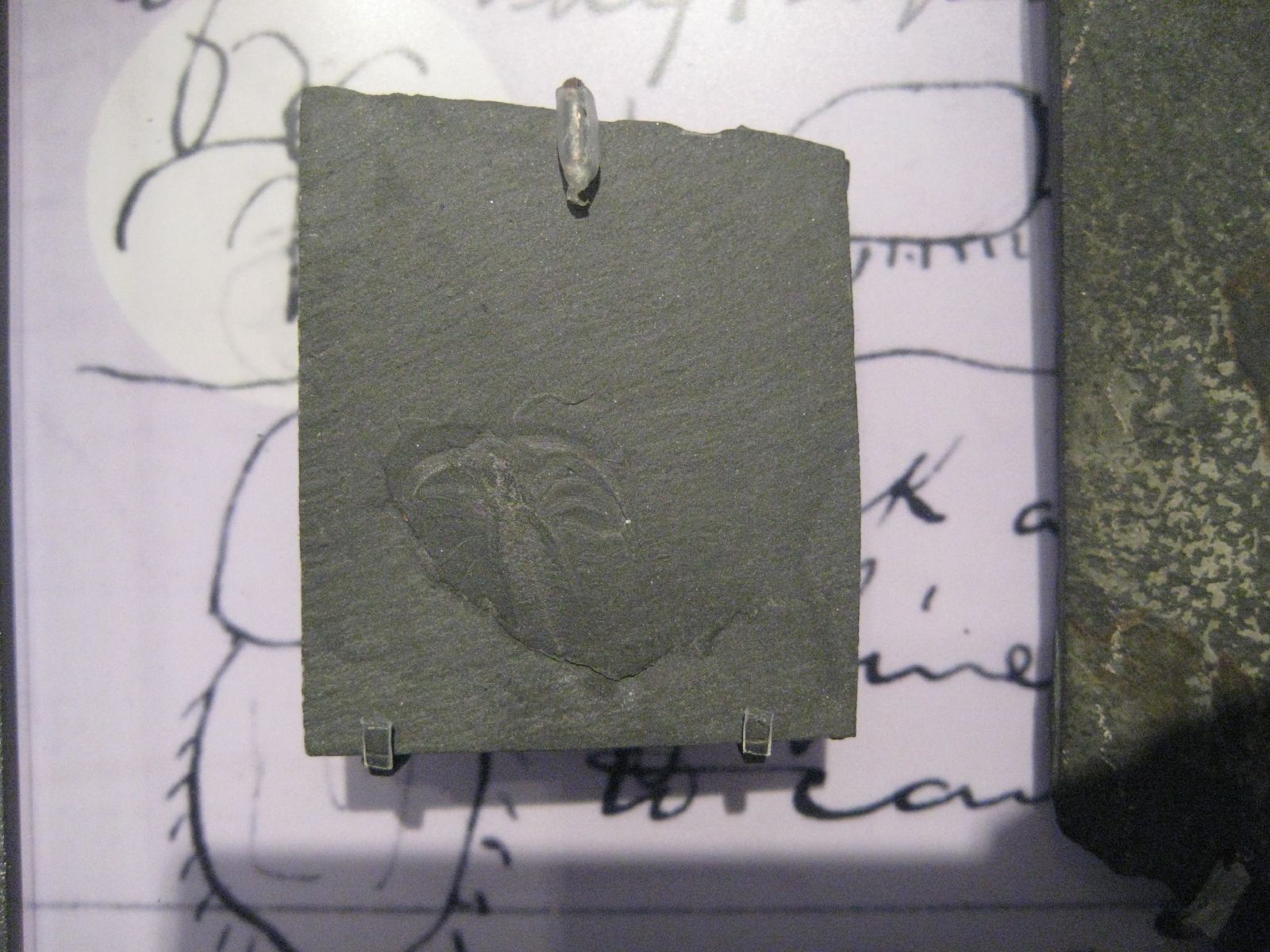
Marrella splendens
The most common fossil in the Burgess Shale, Marrella splendens is a small arthropod barely two centimeters long, adorned with an elaborate head shield bearing sweeping backward-curving spines. Walcott initially dismissed it as a trivial trilobite relative, but later researchers recognized it as something unique, belonging to no known group. Thousands of Marrella specimens have been found, often preserved in dense clusters that suggest they lived in large swarms on the ancient seafloor.
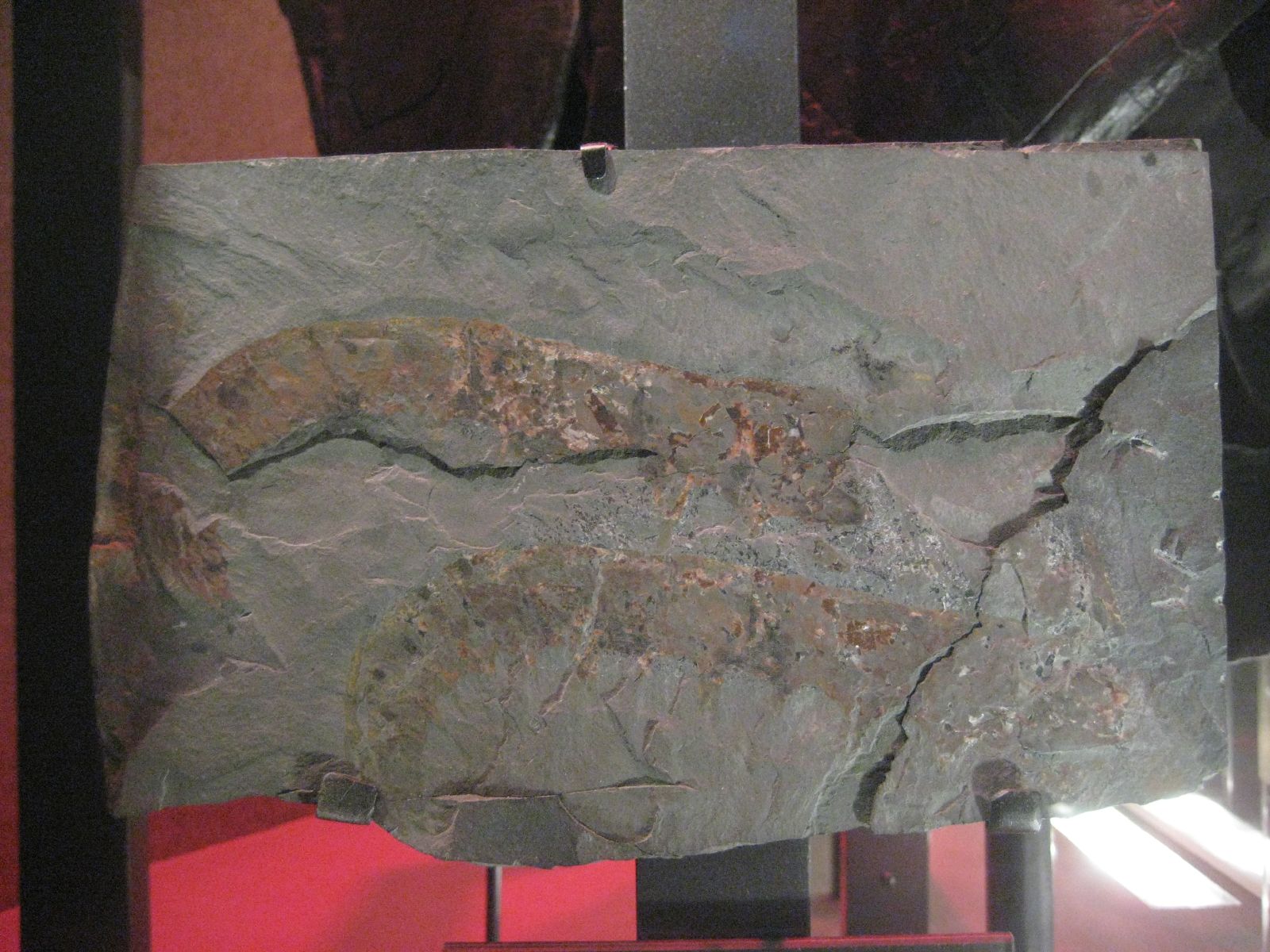
Anomalocaris canadensis
Measuring up to a meter in length, Anomalocaris was the apex predator of the Cambrian seas, a designation that sounds modest until you remember most other animals at the time were a few centimeters long. Its name means "unusual shrimp," a relic of the days when scientists believed its separate body parts belonged to different creatures. Only when complete specimens surfaced did the true animal emerge: a flattened predator with two spiny frontal claws and a ring of teeth for tearing prey apart. Despite its fearsome reputation, Anomalocaris was likely not a mindless brute. Its compound eyes contained up to 16,000 lenses, giving it visual acuity comparable to modern dragonflies.
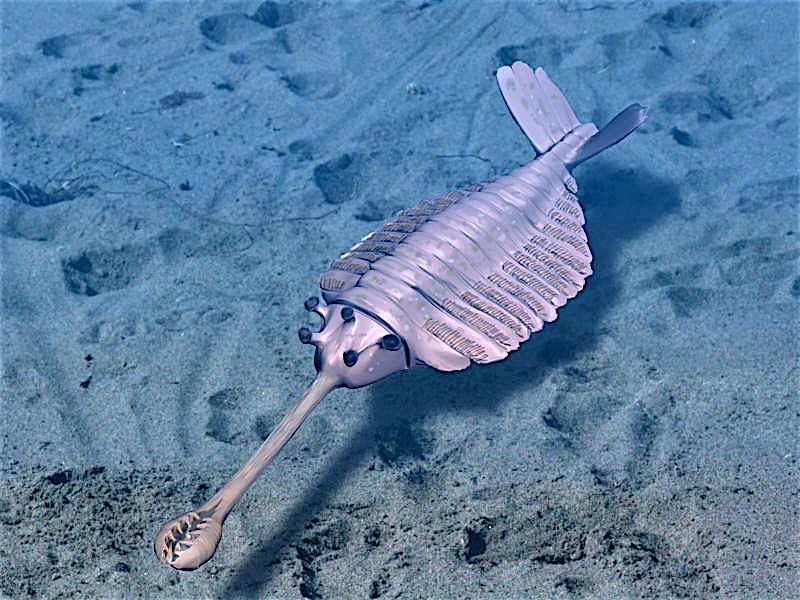
Opabinia regalis
If Anomalocaris was strange, Opabinia was stranger still. This five-eyed creature possessed a flexible, grasping proboscis that extended forward from its head, like a soft trunk tipped with a claw. When Whittington first presented his reconstruction to a scientific conference, the audience reportedly laughed, assuming it was a joke. But the fossils did not lie. Opabinia was real, and it belonged to nothing alive today.
About five centimeters long, Opabinia swam above the seafloor using lobed appendages along its body. Its five eyes, arranged in an arc across the top of its head, gave it excellent all-around vision, while the proboscis probed through sediment for small worms and other soft-bodied prey hidden in the mud.
Pikaia gracilens
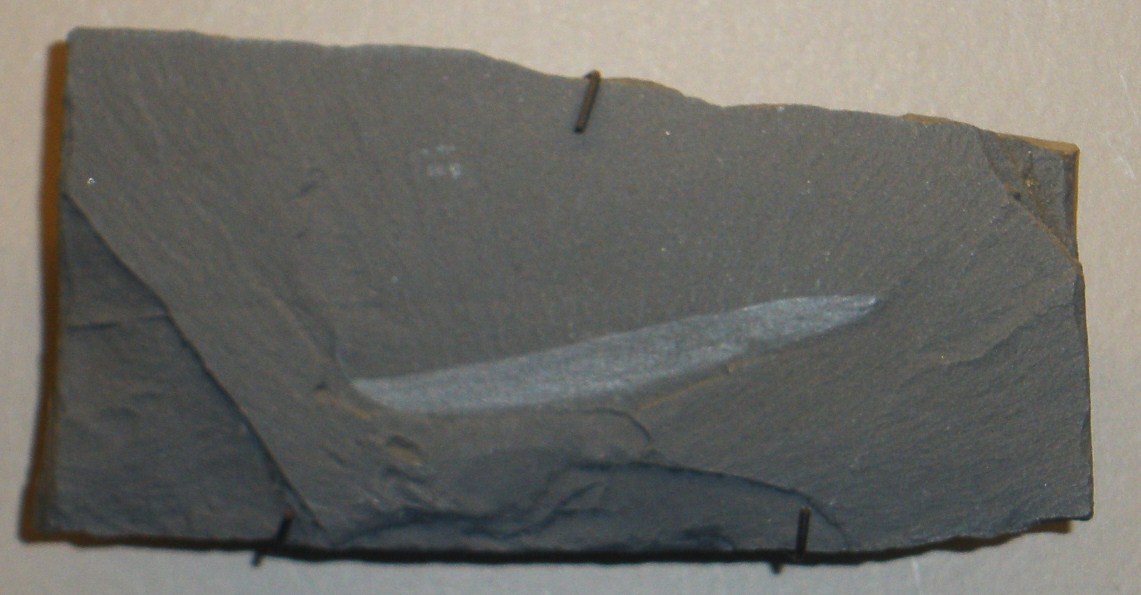
For all the alien body plans in the Burgess Shale, one small, unassuming creature may be the most important. Pikaia gracilens was a centimeter-and-a-half-long worm-like animal that swam in lazy figure-eights through the Cambrian water column. What set it apart was a notochord, a flexible rod running the length of its body, the earliest known sign of a chordate.
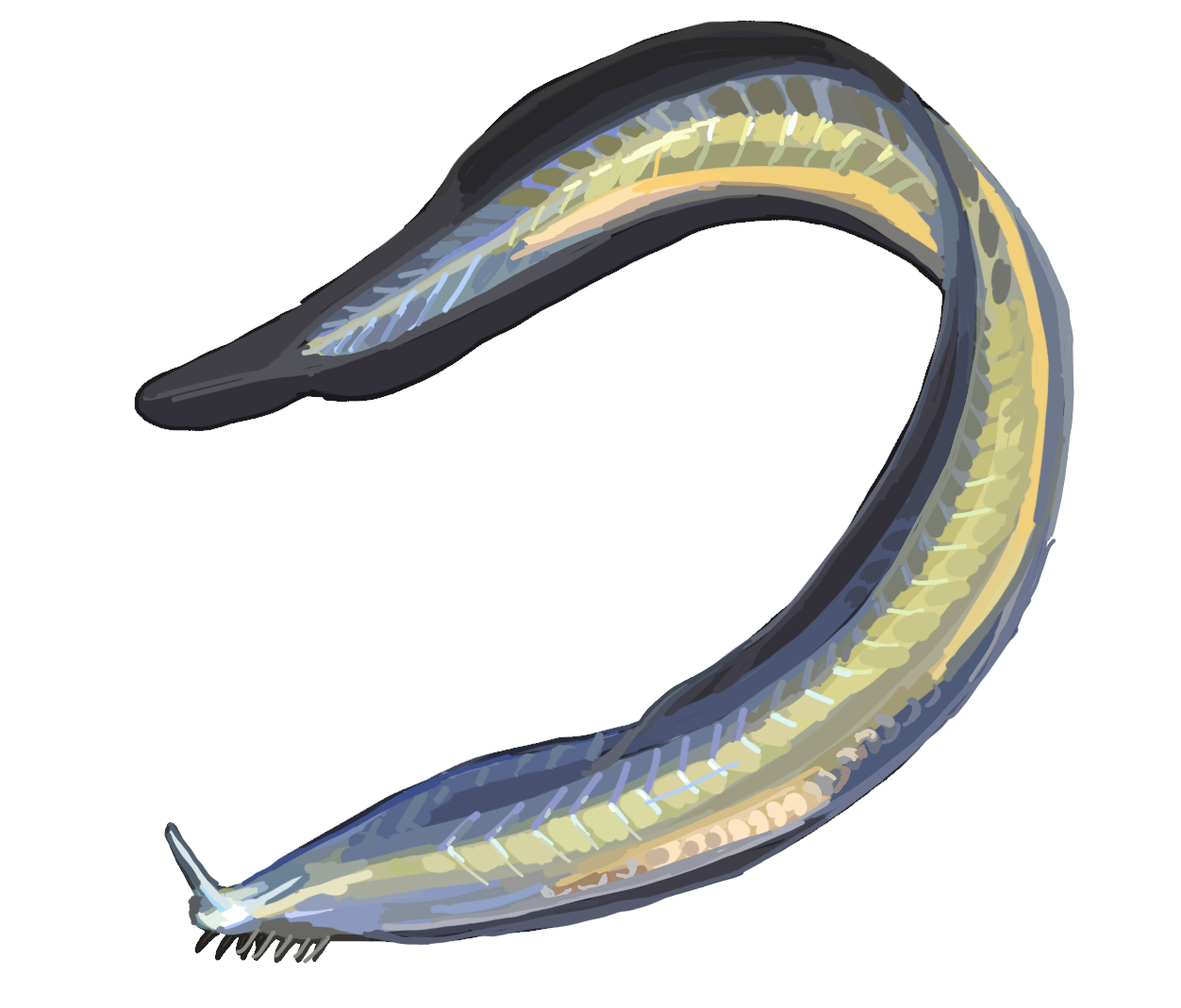
Chordates are the group that includes all vertebrates: fish, amphibians, reptiles, birds, and mammals. Pikaia is not a direct ancestor of humans, but it represents the lineage from which vertebrates eventually descended. In a fossil bed filled with evolutionary dead ends, Pikaia is the one that made it through.
Why It Still Matters
The Burgess Shale is not alone. Similar fossil sites, called Lagerstätten, have been found in China (the Chengjiang biota, about 15 million years older), Greenland (Sirius Passet), and elsewhere. Each adds new chapters to the Cambrian story. But the Burgess Shale remains the gold standard, the site that first showed scientists how much they did not know about the origins of animal life.
For anyone fascinated by Triops, the Burgess Shale holds a special resonance. Triops belong to the branchiopods, a group of crustaceans whose basic body plan was already taking shape during the Cambrian. While most Burgess Shale fauna vanished in mass extinctions, branchiopods endured, carrying a body plan remarkably unchanged across half a billion years of Earth history.
The rocks on Fossil Ridge are more than a pile of ancient shale. They are a reminder that the world has been full of extraordinary life long before dinosaurs walked the Earth, and that the creatures we share this planet with today are the survivors of a process far wilder and more unpredictable than we often imagine.