Published August 25, 2026 by the Triops.me Editorial Team · Back to Articles
Giants of the Coal Swamp: Carboniferous Amphibians That Ruled Before the Dinosaurs
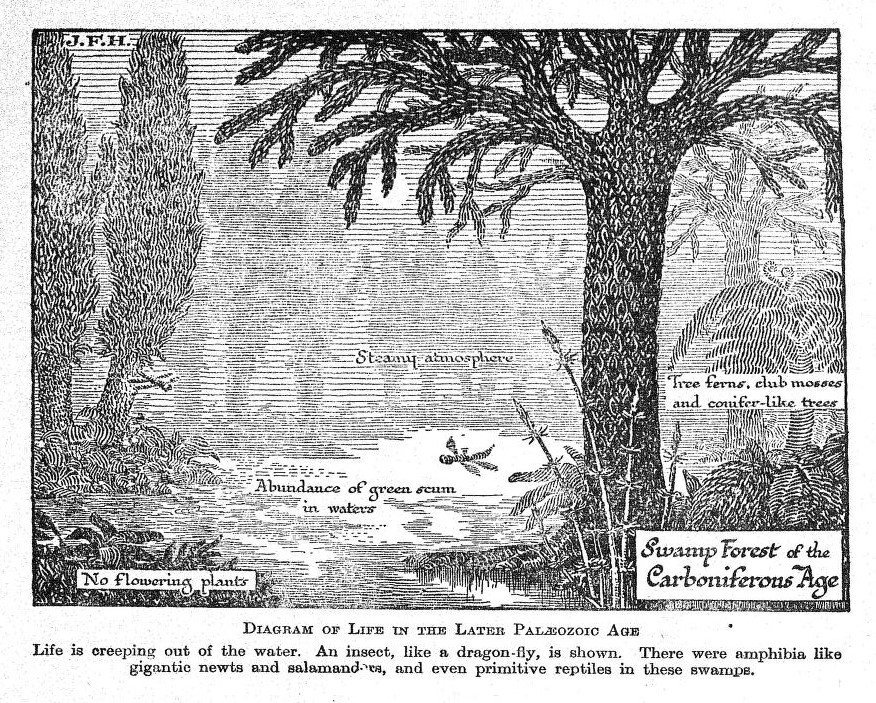
Long before dinosaurs thundered across the Earth, before the first mammals crept through the undergrowth, there was a world of swamps. Vast, humid, fern-choked wetlands stretched across the supercontinent Pangaea during the Carboniferous period, roughly 360 to 300 million years ago. And ruling these murky waters were creatures that most people have never heard of: the giant amphibians, a spectacular group of predators called temnospondyls that grew to sizes modern frogs and salamanders can only dream of.
The Carboniferous period is named for the massive coal deposits that formed from its rotting vegetation. But the swamps that produced those coal seams were alive with far more than just plants. Oxygen levels in the atmosphere reached an astonishing 35 percent, compared to today's 21 percent, and that oxygen-rich air fueled the evolution of enormous body sizes across many animal groups. While the giant insects like Meganeura and Arthropleura grab headlines, it was the amphibians that sat at the top of the food chain in these waterlogged ecosystems.
The Temnospondyls: A Group Unlike Any Other
The temnospondyls were not your average pond frogs. This sprawling order of tetrapods appeared in the Early Carboniferous and diversified into an astonishing array of forms over the next 200 million years. Some were fully aquatic, spending their entire lives in rivers and lakes. Others were semi-terrestrial, hauling themselves onto mudflats with sturdy, sprawling limbs. A few were surprisingly small, but many reached lengths of 2 to 6 meters, and the largest pushed past 9 meters, making them the biggest land vertebrates of their era.
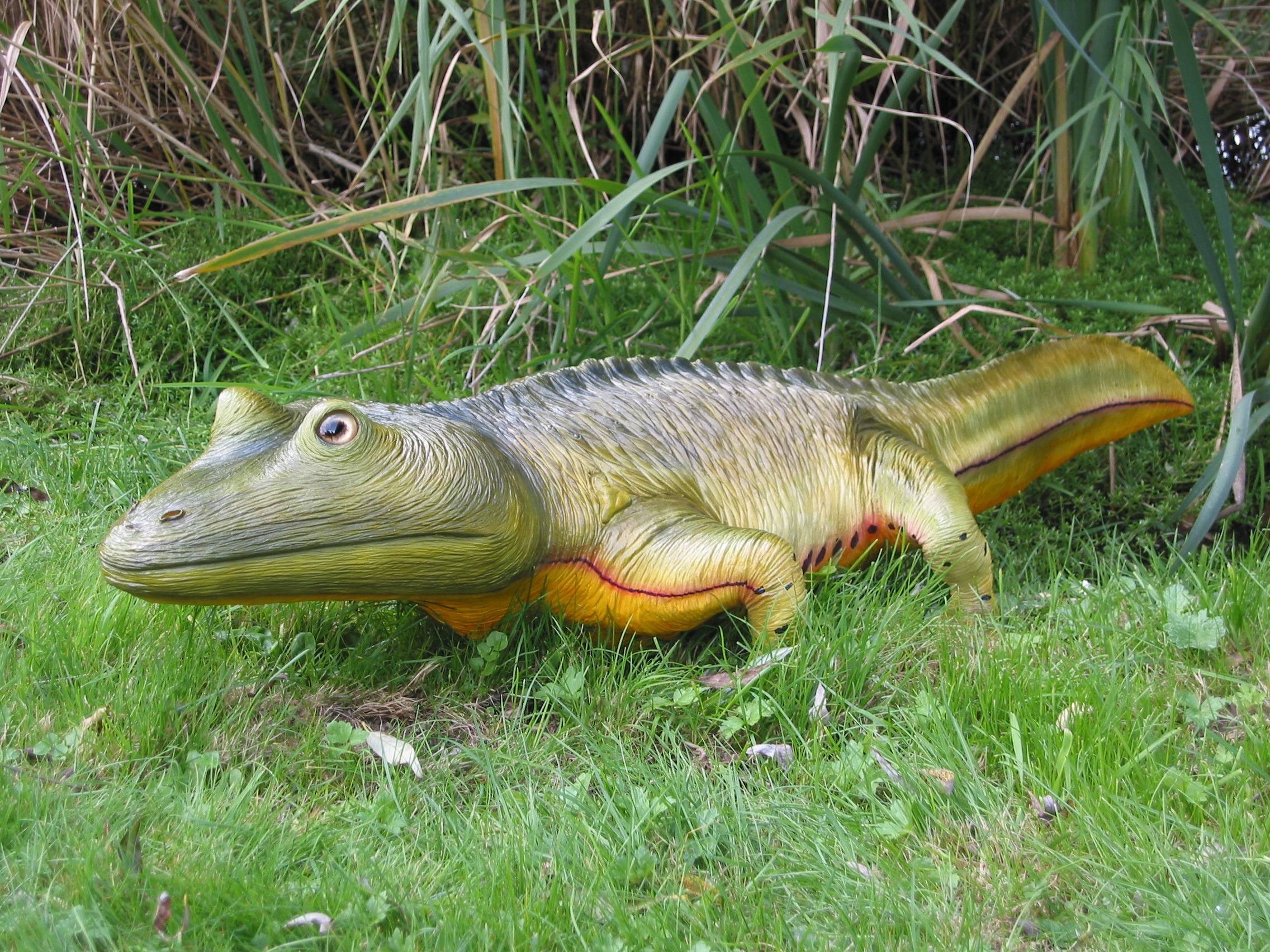
What set temnospondyls apart was their skull structure. Most had broad, flat heads with eyes positioned on top, a body plan perfectly suited for ambush predators lurking just below the water's surface. Their skulls were often heavily ornamented with ridges and pits, a feature that paleontologists still debate. Some suggest the texture strengthened the bones. Others propose it supported a network of blood vessels that helped with temperature regulation or even cutaneous breathing through the skin.
The name temnospondyl means "cut vertebra," referring to the distinctive structure of their spinal bones. Unlike the solid vertebrae of modern reptiles, temnospondyl vertebrae were composed of separate elements that gave their spines unusual flexibility. This may have been an adaptation for powerful lateral swimming, similar to how modern crocodiles propel themselves through water with sinusoidal body movements.
Eryops: The Classic "Walking Fish"
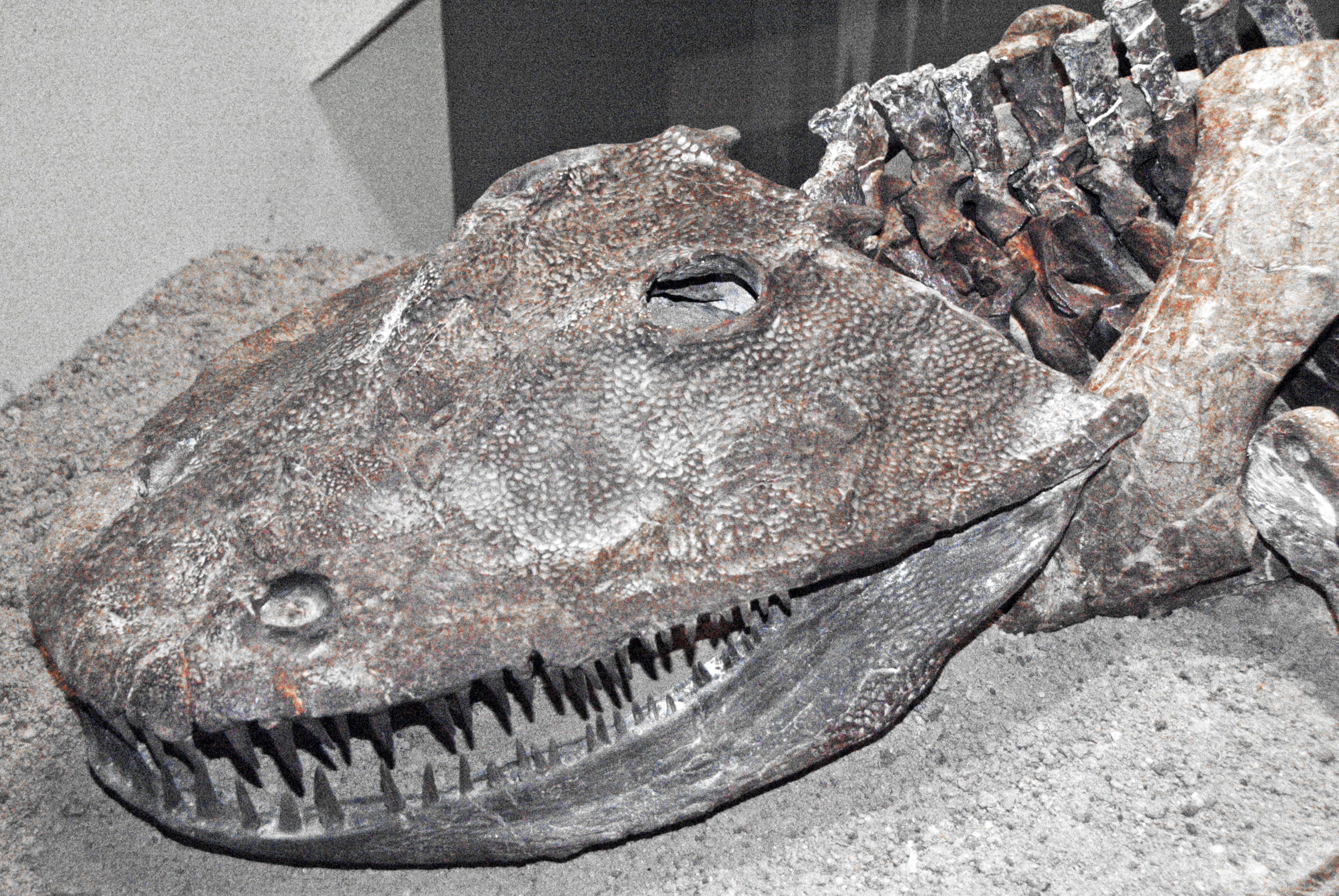
Among the most famous temnospondyls is Eryops, a genus whose fossils are found primarily in the Early Permian deposits of the Texas Red Beds. Eryops megacephalus, meaning "drawn-out face," was about 1.5 to 2 meters long with a disproportionately large, heavily armored skull. Its eye sockets faced upward, suggesting it spent much of its time submerged with only the top of its head exposed, scanning for prey above.
Eryops had stout, muscular limbs positioned at the sides of its body, a posture that made it a clumsy walker on land but a powerful swimmer. Its teeth were conical and sharp, ideal for catching fish and smaller amphibians. Fossil evidence shows Eryops had a sturdy ribcage that supported its lungs, indicating it could spend meaningful time out of water, unlike many of its contemporaries that were more strictly aquatic.
Crassigyrinus: The Eel-Like Ambush Predator
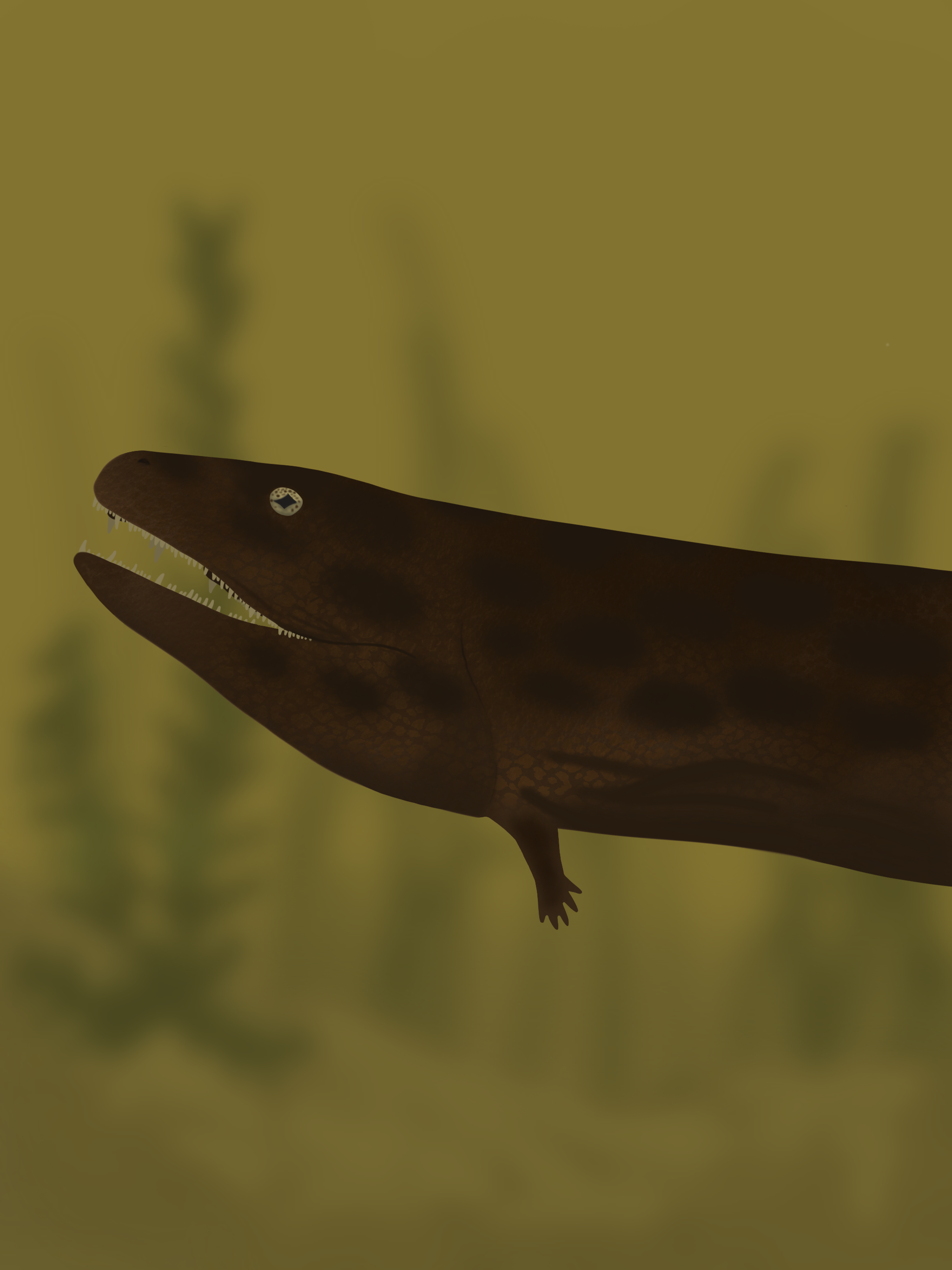
If Eryops was the sturdy tank of the Carboniferous swamps, Crassigyrinus was the torpedo. This Early Carboniferous predator from Scotland was fully aquatic and looked more like a giant eel than a typical amphibian. Its body was elongated, reaching about 2 meters, while its limbs were drastically reduced, almost vestigial. Crassigyrinus had abandoned the land entirely, returning to a purely swimming lifestyle that its ancestors had left behind millions of years earlier.
Its skull was broad and flat, dominated by enormous jaws lined with teeth of varying sizes. The largest teeth sat at the front of the jaw, perfectly positioned to seize and hold slippery prey. Crassigyrinus likely lurked in the dark, vegetation-choked waterways of the Carboniferous coal forests, striking with explosive speed when prey swam within reach.
Prionosuchus: The Largest of Them All
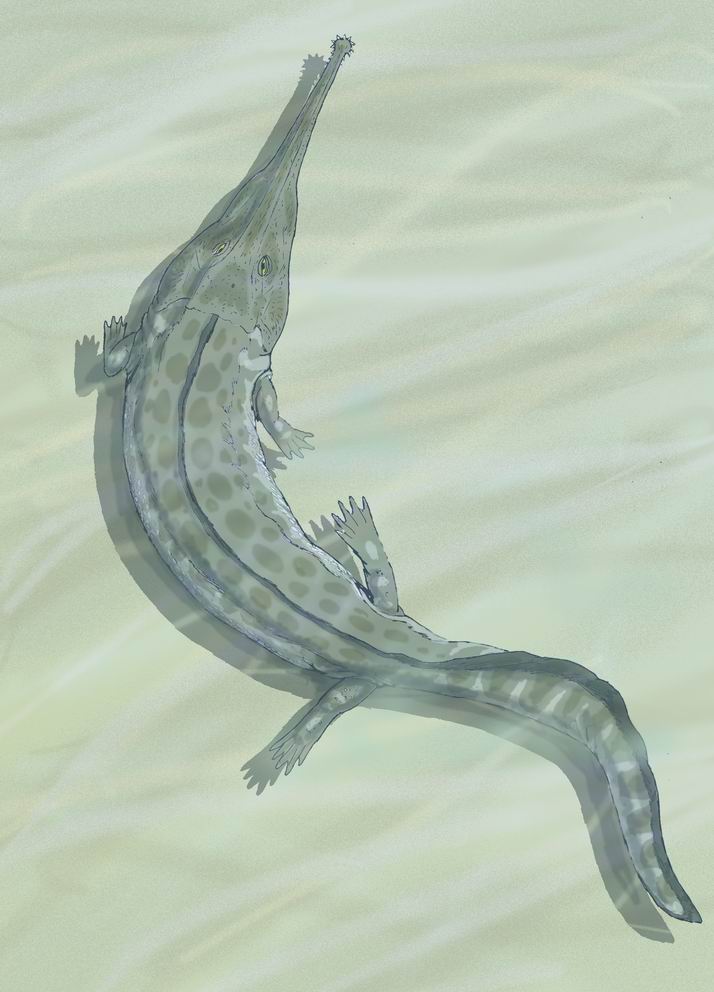
The undisputed heavyweight of the temnospondyl world was Prionosuchus, a Late Carboniferous giant from what is now Brazil. Estimates based on incomplete fossils suggest this animal reached lengths of 9 meters or more, making it the largest known temnospondyl and one of the largest amphibians that ever lived. To put that in perspective, Prionosuchus was roughly the size of a large saltwater crocodile.
Unlike the flat-headed ambush predators, Prionosuchus had a long, narrow snout more reminiscent of a modern gharial. This slender jaw morphology suggests it was a fish specialist, snatching prey from the water with quick lateral sweeps of its head. Its body was streamlined, with powerful tail muscles for swimming and limbs that were reduced but still functional enough for dragging itself onto riverbanks. Prionosuchus occupied the ecological role that crocodilians would fill hundreds of millions of years later.
Mastodonsaurus: Surviving Into the Triassic
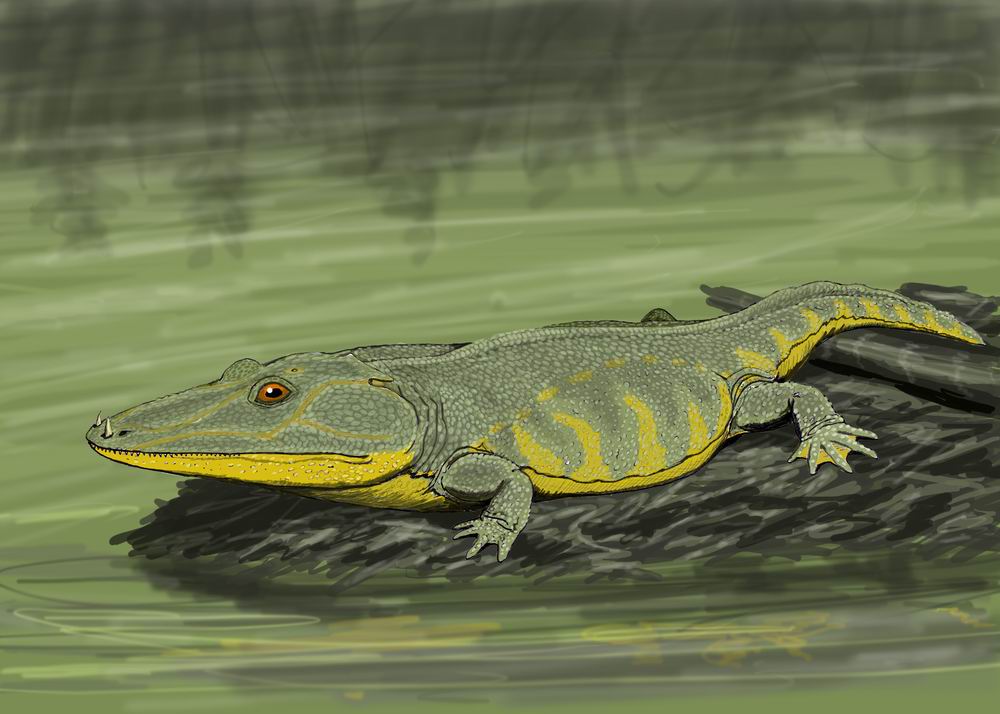
The temnospondyl legacy did not end with the Carboniferous. Mastodonsaurus, a giant from the Middle Triassic of Europe, demonstrated that this group remained formidable long after the coal swamps disappeared. Reaching about 6 meters in length, Mastodonsaurus had a skull that was nearly half the length of its entire body, an extreme even by temnospondyl standards. Its small eyes sat high on its enormous flat head, perfectly positioned for detecting prey at the water's surface while its massive jaw waited below.
Fossils of Mastodonsaurus have been found in lake deposits across Germany and Poland, often preserved alongside fish scales and the bones of smaller tetrapods that ended up in its stomach. These specimens reveal a sit-and-wait predator of considerable patience, capable of remaining motionless for hours before lunging with devastating force.
A World of Giants
The Carboniferous swamps were ecosystems of extremes. Alongside these enormous amphibians lived the biggest insects ever to fly, the tallest trees the world had yet seen, and invertebrate predators like the sea scorpions that dominated freshwater habitats. The oxygen-rich atmosphere and abundant food resources created conditions that allowed body sizes to balloon far beyond what we see in similar ecosystems today.
But this world of giants did not last forever. Around 305 million years ago, the Carboniferous rainforest collapse fragmented the vast swamp forests into isolated pockets, driven by a drying climate and falling sea levels. Many of the specialized temnospondyl lineages that depended on these wet environments disappeared. The survivors adapted, becoming smaller and more versatile, eventually giving rise to forms that persisted into the Triassic and possibly even contributed to the lineage of modern amphibians.
The Echo in Modern Amphibians
Today's frogs, salamanders, and caecilians are the distant relatives of these Carboniferous giants. Modern amphibians still share key features with their temnospondyl ancestors: moist skin used for breathing, a dependence on water for reproduction, and the ability to thrive in humid environments. The dramatic body size reduction that separates a 2-gram frog from a 9-meter Prionosuchus is one of evolution's most striking transformations, driven by changing climates, new competitors, and shifting ecological niches.
The Carboniferous coal swamps remind us that the age of amphibians was real, extensive, and spectacular. Before dinosaurs claimed the spotlight, it was these broad-skulled, flat-bodied rulers of the murky waterways that dominated the vertebrate world for tens of millions of years. Their fossils, preserved in the coal seams and lake deposits of every continent, tell a story of triumph, adaptation, and eventual decline, a cycle that every dominant group on Earth eventually faces.