Published August 29, 2026, 02:17 by the Triops.me Editorial Team · Back to Articles
The Carboniferous Coal Swamp Forests
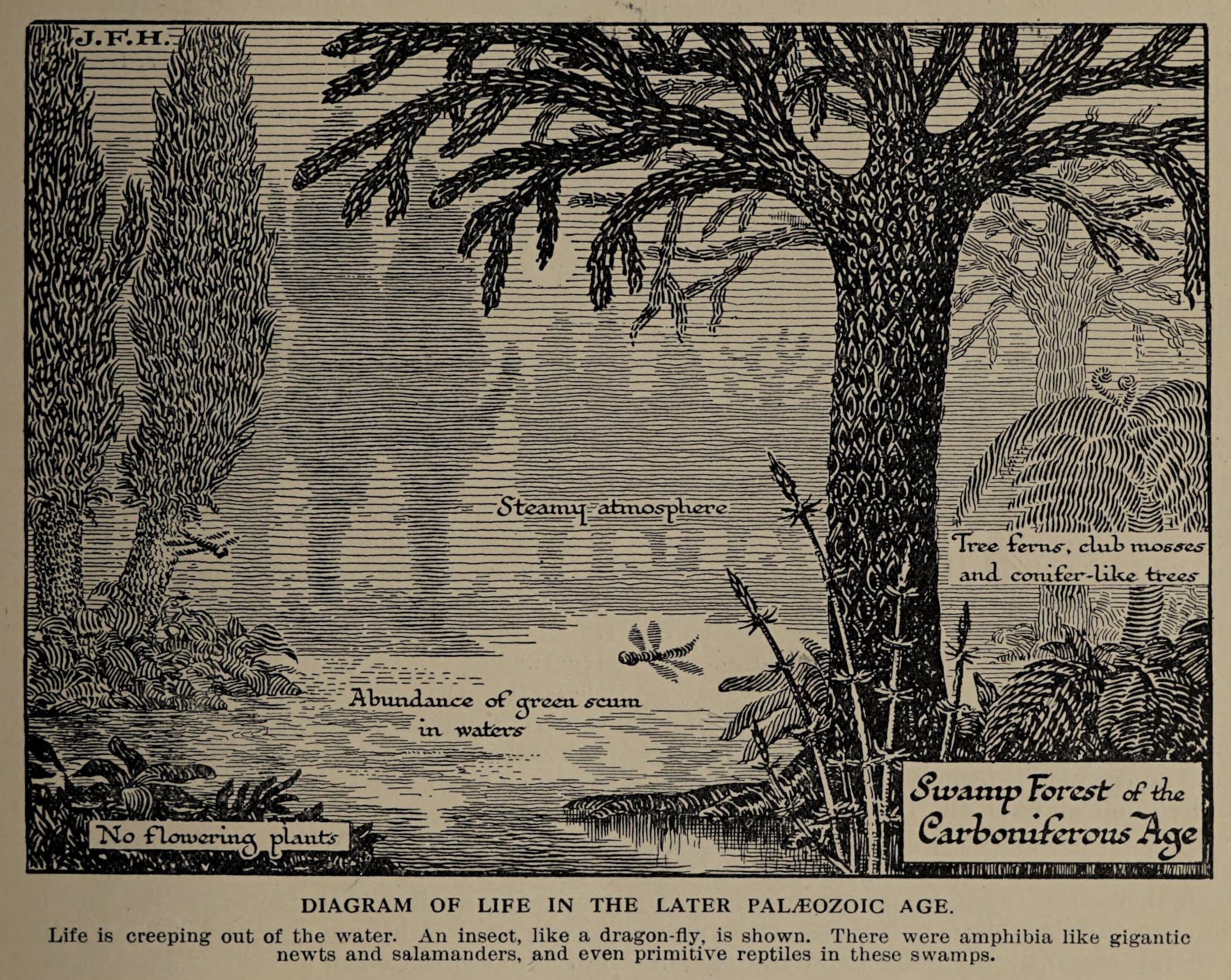
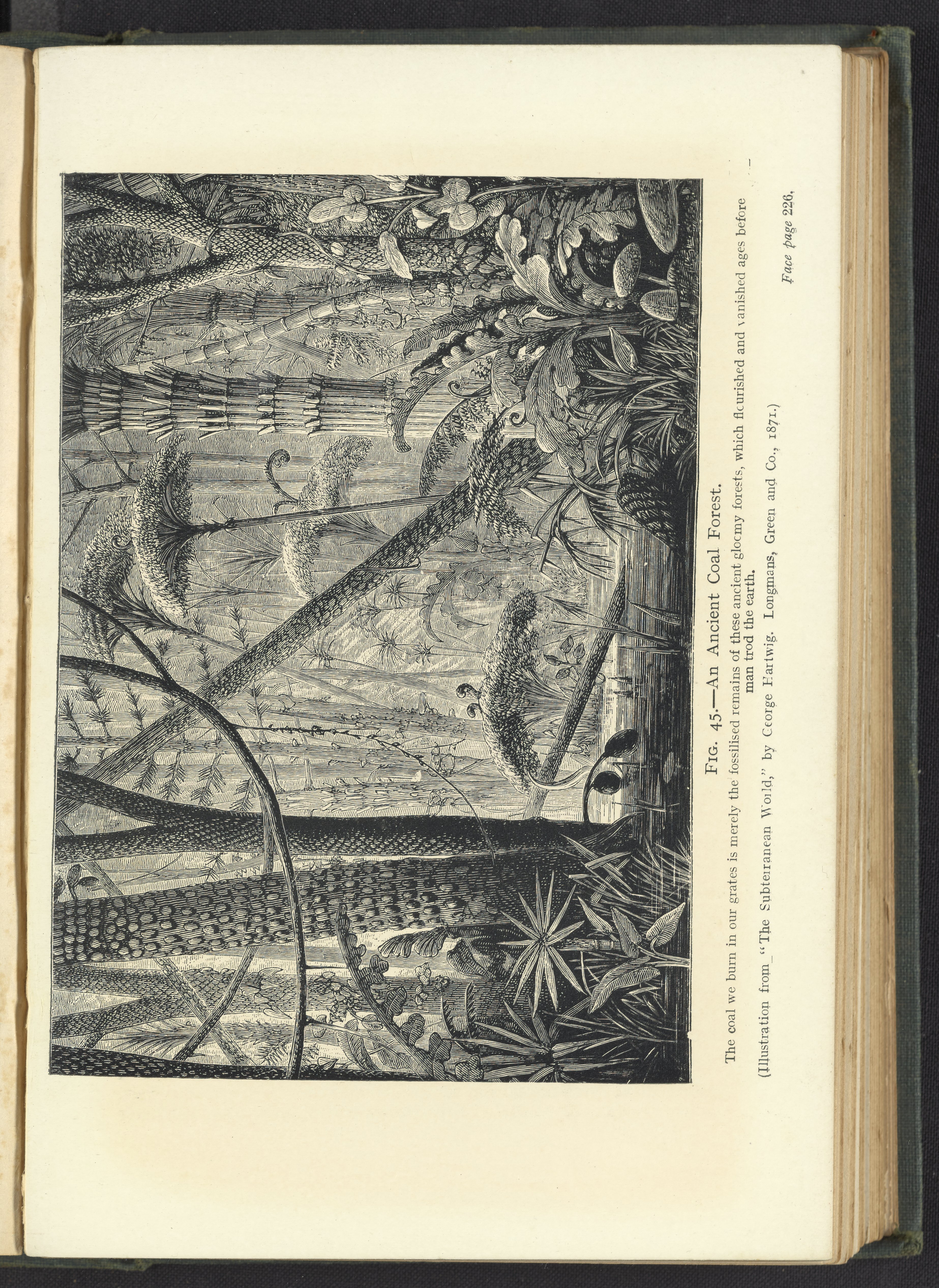
Three hundred and sixty million years ago, the world looked nothing like it does today. The continents were gliding toward a collision that would eventually form the supercontinent Pangaea, and across the vast equatorial lowlands, a type of forest dominated the landscape that has no real equivalent in the modern world. These were the Carboniferous coal swamp forests, and they are the reason humanity can power its cities, heat its homes, and fuel its factories.
The Carboniferous period, lasting from roughly 359 to 299 million years ago, gets its name from the Latin words for "coal-bearing." The name is earned. Vast stretches of the ancient tropical belt, particularly across what is now eastern North America, Western Europe, and parts of China, were covered by dense, humid swamp forests that grew in shallow, waterlogged basins. When the trees died, they did not fully decompose, because the microbes that break down lignin, the tough structural compound in wood, had not yet evolved. Layer upon layer of undecomposed plant material accumulated in the oxygen-poor water, compressed over millions of years into the coal seams we extract today.
The Giants of the Swamp: Lycopsid Trees
The most iconic inhabitants of these forests were not the towering conifers or broad-leaved trees we might imagine. They were lycopsids, relatives of today's humble club mosses, which grow no taller than a few centimeters. In the Carboniferous, lycopsids were the dominant canopy trees, reaching heights of 30 to 40 meters, some even taller. Two genera stand out above the rest: Lepidodendron and Sigillaria.
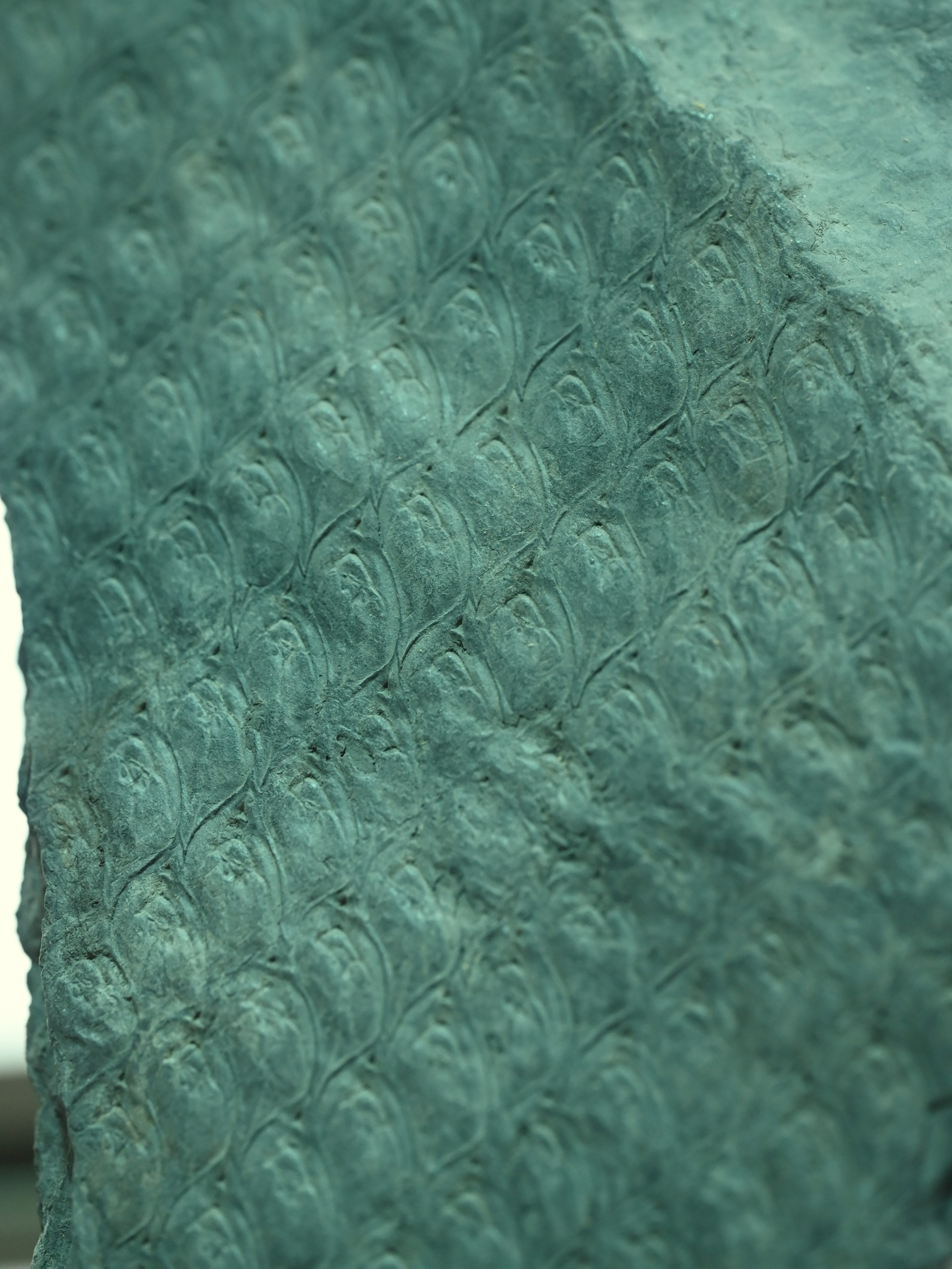
Lepidodendron, often called the "scale tree" for the distinctive diamond-shaped pattern its bark preserves in fossils, was a remarkable organism. Unlike modern trees that grow slowly over decades or centuries, Lepidodendron grew with extraordinary speed, pushing upward through the swamp canopy in just a few decades. Its trunk was not solid wood in the way an oak or pine trunk is. Instead, the bulk of the tree was soft, spongy bark tissue. The actual wood core was surprisingly narrow. This growth strategy made sense for a tree competing for light in a dense swamp, but it meant Lepidodendron was structurally fragile. When it died, its soft trunk collapsed quickly into the water below, where it became part of the accumulating peat.
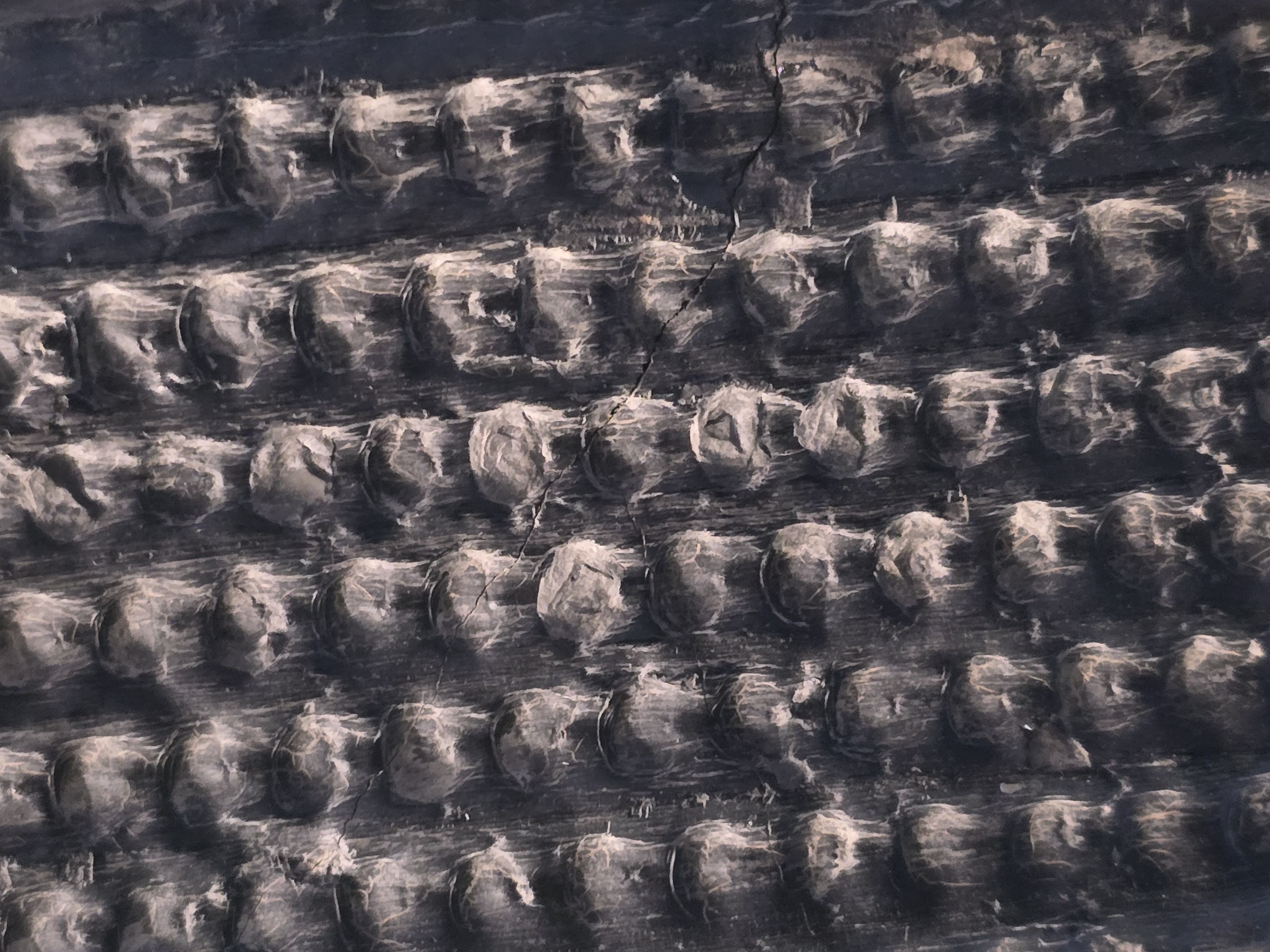
Sigillaria, a close relative, shared many of the same characteristics but was generally shorter and more stoutly built, typically reaching around 25 to 30 meters. Its bark bore distinctive circular leaf scars arranged in vertical rows, making it easy to identify in the fossil record. Where Lepidodendron trees grew in dense groves, Sigillaria often occupied slightly different ecological niches within the same swamp, sometimes standing more scattered along the forest margins.
Giant Horsetails and Tree Ferns
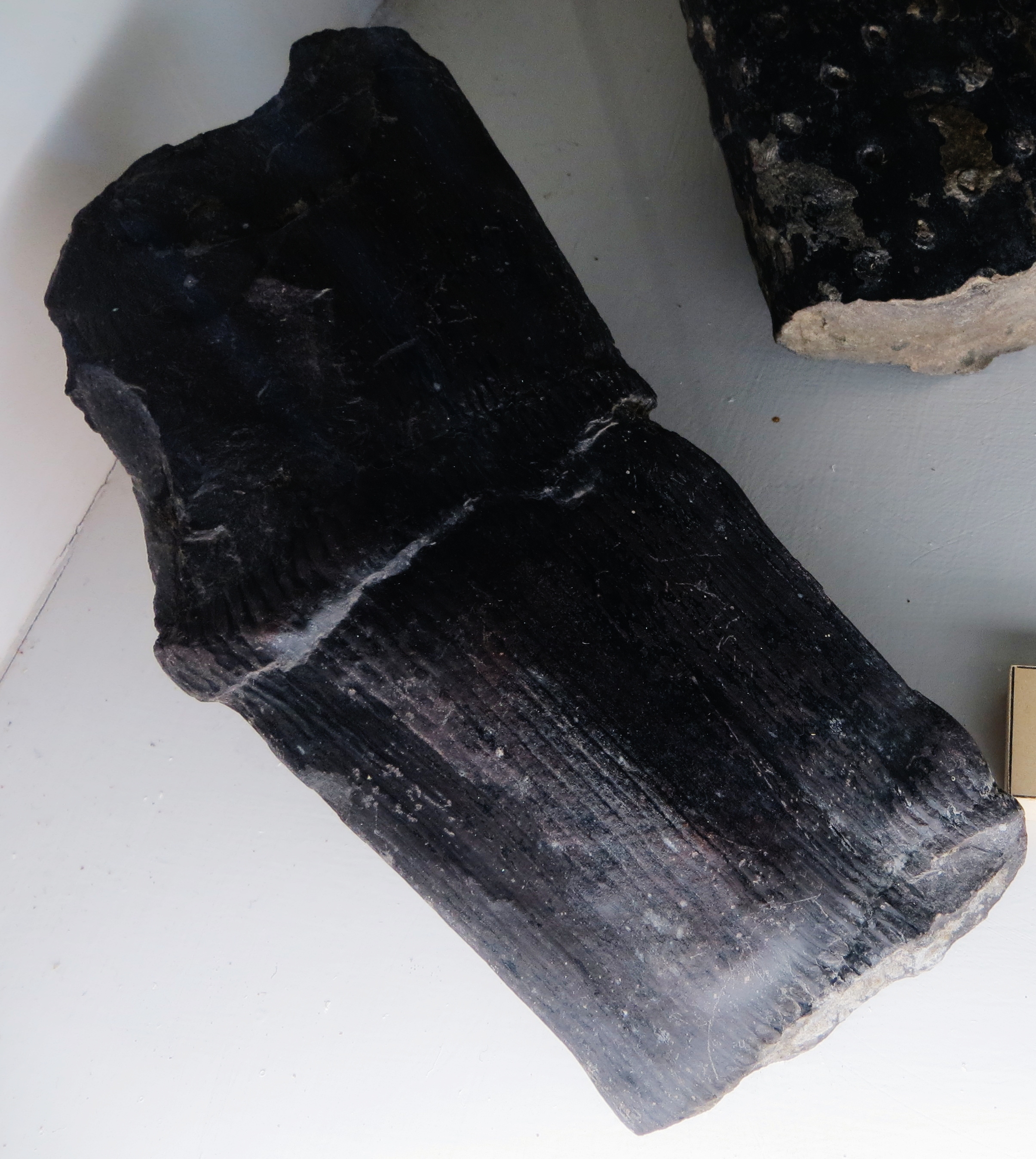
Alongside the lycopsids, the Carboniferous swamps hosted other spectacular plants. Calamites, a genus of giant horsetails, grew to heights of 5 to 10 meters, forming thickets along the water's edge. Today's horsetails rarely exceed a meter tall, but their Carboniferous ancestors were the size of small trees, with segmented, ribbed trunks and whorls of branch-like leaves radiating from each node. Their hollow, bamboo-like stems were well adapted to the waterlogged ground, and their fossils are among the most common plant remains found in coal measures worldwide.
Tree ferns also played a significant role in the understory. While true trees like the lycopsids dominated the canopy, tree ferns filled the gaps below, their spreading fronds creating a lush, layered understory. Seed ferns, which despite their name were not true ferns but early seed-producing plants, added further diversity to these forests. Together, these plant groups created a multi-layered ecosystem with structural complexity comparable to modern tropical rainforests, though composed of entirely different lineages.
An Ecosystem Unlike Any Other
The coal swamp forests were not silent, empty landscapes. They teemed with life. Giant dragonflies with wingspans exceeding 70 centimeters, like Meganeura, hunted smaller insects through the humid air. Enormous millipede-like arthropods, such as Arthropleura, which could reach lengths of over two meters, crawled along the forest floor, feeding on the decaying plant matter. Amphibians, the first vertebrates to venture onto land, lurked in the pools and waterways, feeding on the abundant insects and other invertebrates.
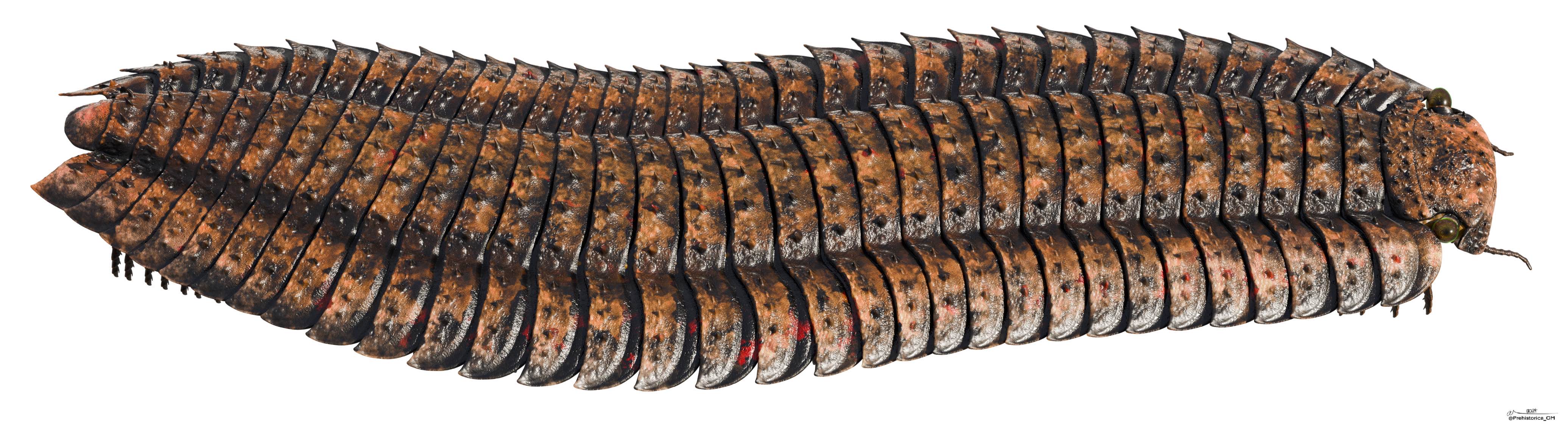
One of the most striking features of this ecosystem was its atmosphere. Oxygen levels during the Carboniferous were significantly higher than today, reaching roughly 35 percent compared to the current 21 percent. This oxygen-rich atmosphere is what allowed the giant insects and arthropods to grow to sizes that would be physiologically impossible in modern conditions. Insects breathe through a system of tubes called tracheae, and the efficiency of this system depends on the concentration of oxygen in the air. Higher oxygen means more can diffuse deeper into the body, supporting larger organisms.
The high oxygen levels came directly from the plants themselves. As the vast forests photosynthesized, they released enormous quantities of oxygen. But the lack of efficient wood-decomposing organisms meant that carbon, locked away in the plant tissue, was not being released back into the atmosphere through decomposition. This created a powerful feedback loop: more trees meant more oxygen, which allowed larger arthropods and more complex ecosystems, which in turn produced more organic material.
The End of the Swamps
The Carboniferous coal swamp forests did not last forever. As the continents continued to drift and collide, the climate gradually shifted. The equatorial regions where the swamps thrived became drier, and the vast peat basins drained. By the early Permian period, around 299 million years ago, the lush swamps had largely given way to drier, more seasonal forests dominated by conifers and other seed plants. The lycopsid giants, so perfectly adapted to the wet, swampy conditions, declined dramatically. Most lineages went extinct, and the few surviving lycopsids today are small, inconspicuous ground-cover plants.
The legacy of these forests, however, endures in a very literal sense. The coal seams that underlie much of Europe, North America, and Asia are the compressed remains of those ancient trees, ferns, and horsetails. Every ton of coal burned in a power plant is the distilled energy of Carboniferous sunlight, captured by plants that grew over 300 million years ago and preserved by a world that had not yet evolved the means to fully break them down.
Why It Matters
Understanding the Carboniferous coal swamp forests is not just an exercise in paleontological curiosity. These ecosystems shaped the modern world in profound ways. They created the fossil fuels that powered the Industrial Revolution, they produced oxygen levels that restructured Earth's atmosphere, and they gave rise to evolutionary lineages that persist today in unexpected forms. The humble club moss on a forest floor is the direct descendant of the giants that once towered over the swamps. When we study these ancient forests, we are studying the roots, quite literally, of the world we live in now.
The Carboniferous reminds us that ecosystems are not permanent. They can thrive for millions of years, reshaping the planet's atmosphere and geology, and then vanish almost entirely when conditions change. The coal we burn today is a memory of a world that no longer exists, a reminder that the Earth's landscapes are always in motion, and that the forests of tomorrow may look nothing like those of today.