Published August 08, 2026, 04:09 by the Triops.me Editorial Team · Back to Articles
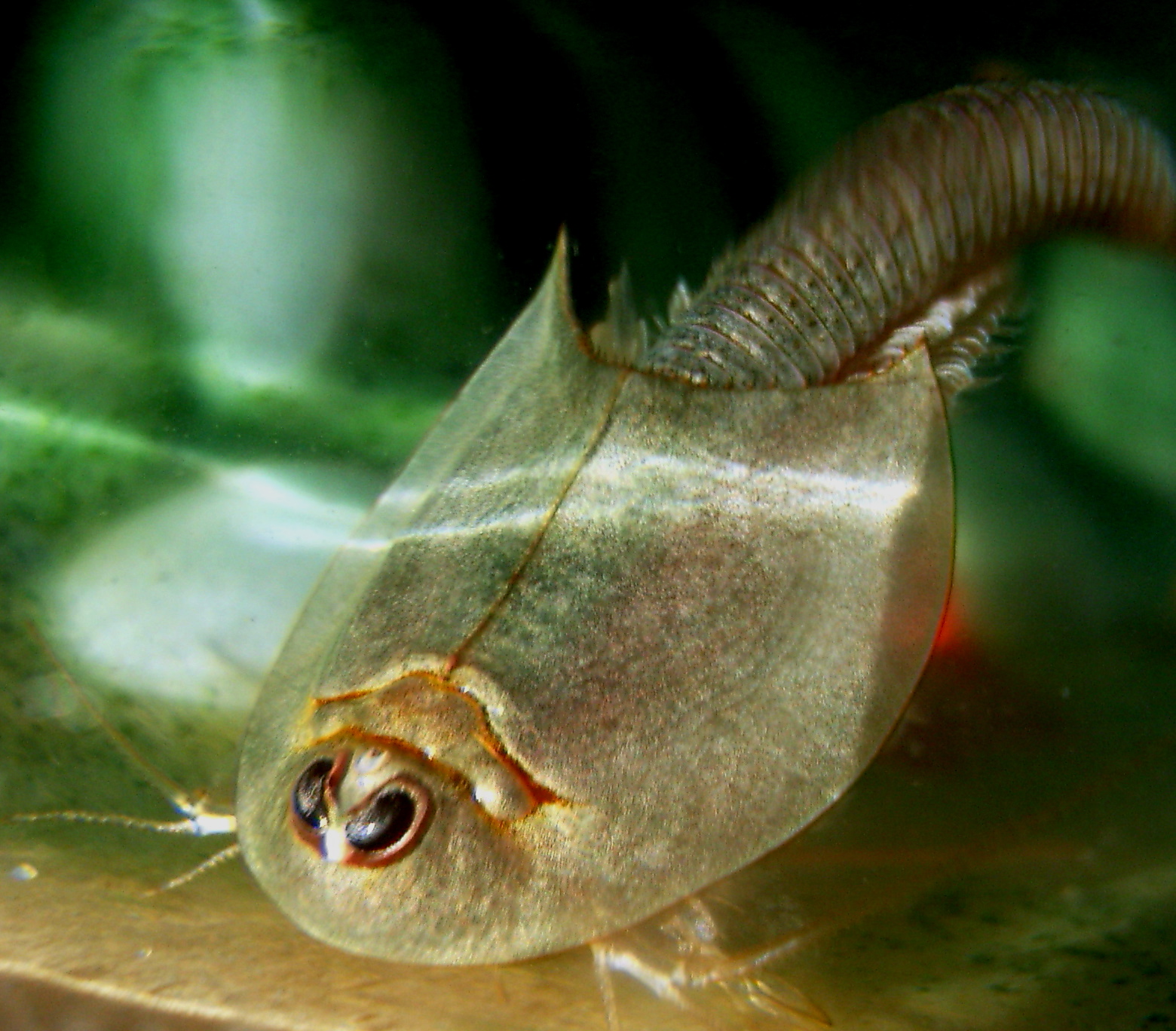
Could Triops Eggs Survive a Trip to Space?
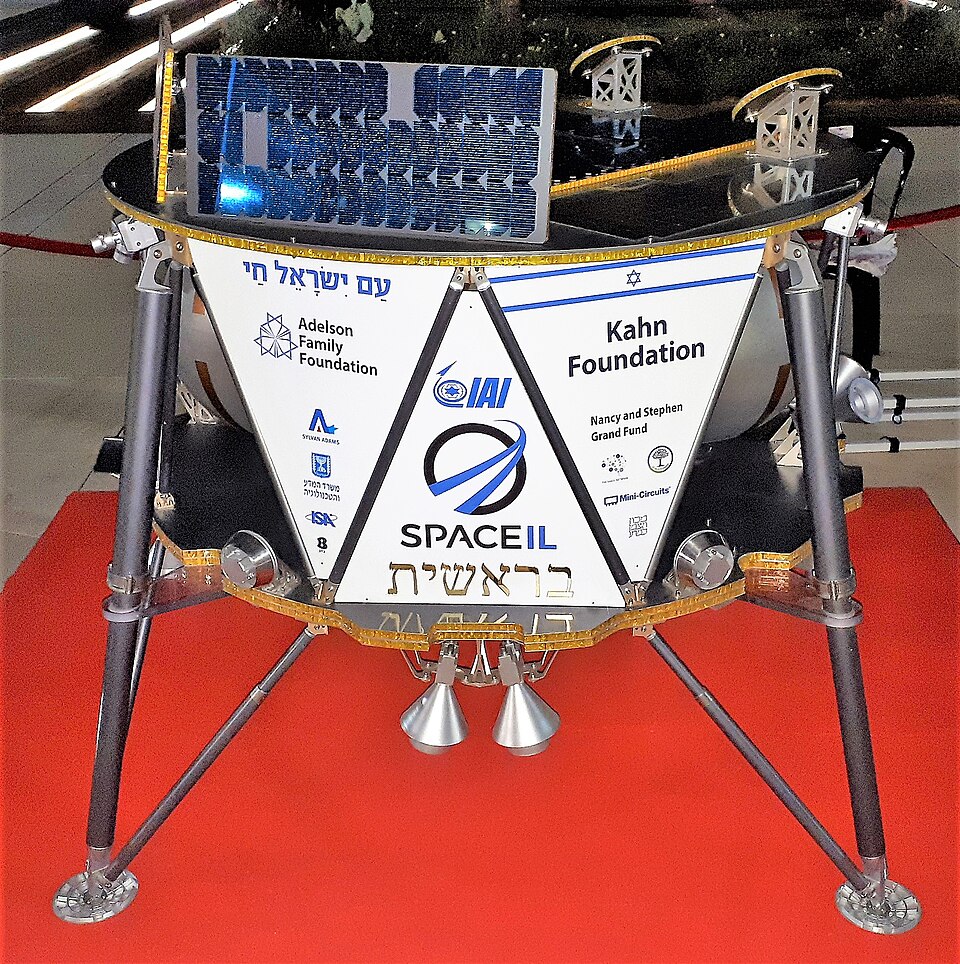
In 2019, thousands of tardigrades crash-landed on the Moon inside the Israeli Beresheet lander. The tiny water bears were dried into a cryptobiotic state, and scientists debated whether any survived the impact. This event raised a question that sounds like science fiction but is rooted in real biology: could Triops eggs survive a trip beyond Earth?
The short answer is probably not intact, but the eggs have credentials that make the question worth asking.
The Science of Drying Out
Triops eggs enter a state called diapause, a form of cryptobiosis where the embryo suspends all metabolic activity. Triops cancriformis eggs have been documented surviving in a 99.99% desiccated state for decades. When water returns, the eggs rehydrate and hatch as if nothing happened. The eggshell hardens, cellular repair mechanisms pause, and the embryo enters a holding pattern that can last years.
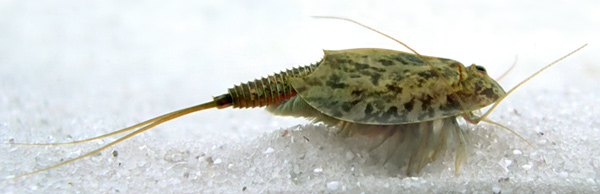
This capability evolved because desert puddles disappear. Triops have filled temporary pools for over 200 million years, and those pools dry up regularly. Eggs that could not survive desiccation did not pass on their genes, producing one of the most resilient reproductive strategies in the animal kingdom.
Space-Tested Relatives
Triops have not been to space, but two close relatives have tested the concept. Brine shrimp, Artemia franciscana, produce cysts using a nearly identical cryptobiotic mechanism. In 2007, the European Space Agency sent dormant crustacean eggs to the International Space Station as part of the Biorisk experiment. When returned to Earth, about 39.6% of the ISS eggs reactivated compared to 51.8% in the ground-based control group. Spaceflight imposed some stress, but the survival rate remained remarkably high, and the hatchlings grew into functional adults.
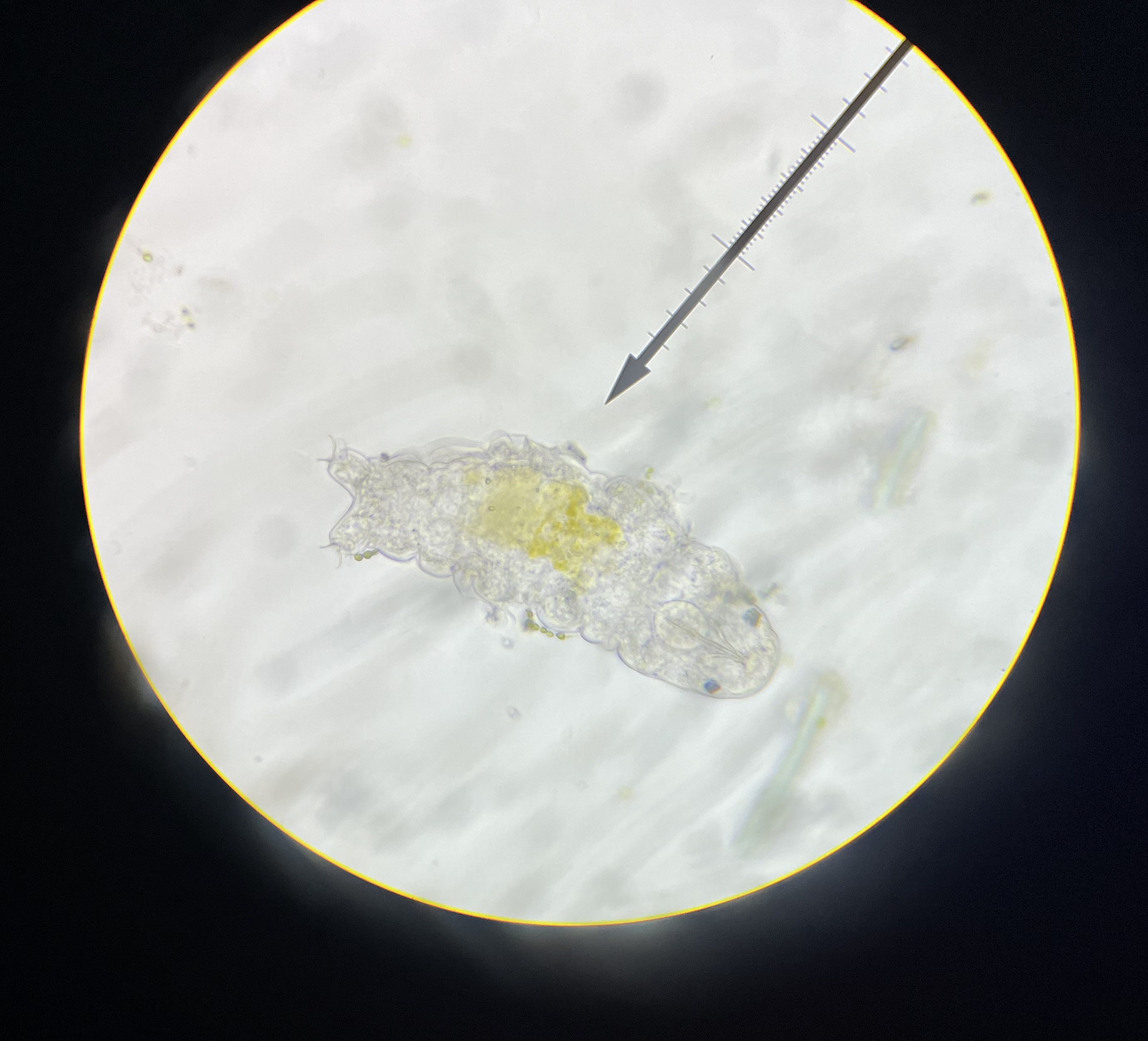
Tardigrades went further. ESA's Foton-M3 mission in 2007 exposed about 3,000 dried tardigrades to the vacuum of low Earth orbit for ten days. When rehydrated, they revived and produced healthy offspring. It was the first time any animal survived direct exposure to open space.
Why Triops Eggs Face Unique Challenges
Triops eggs share the cryptobiotic toolkit with brine shrimp and tardigrades, but they are built for different threats. Triops eggs are larger, with thicker shells designed to withstand extreme heat and prolonged drought, not vacuum and microgravity. The protective chorion around a Triops egg handles temperatures up to 90 degrees Celsius in some species, but the cold void of space introduces stresses desert drought does not.
In space, the egg would face a near-perfect vacuum, temperature swings from minus 150 to plus 120 degrees Celsius, and unfiltered cosmic radiation. Brine shrimp cysts, being smaller and thinner-shelled, may actually have an edge in space simply because they present less surface area for radiation damage.
The Panspermia Connection
Astrobiologists have long speculated about panspermia, the idea that life could travel between planets on rocks ejected by asteroid impacts. Scientists have found that certain bacteria and even small invertebrates can survive impacts at speeds relevant to asteroid ejection. Triops eggs, with their desiccation tolerance, heat resistance, and thick protective shell, are among the more plausible candidates among multicellular animals.
They would still need water and food to rehydrate and grow, which is why no one expects to find living Triops on Mars. But as a demonstration of biological endurance, their eggs are remarkable.
What Would a Real Experiment Look Like?
A Triops space experiment would likely follow the same protocol used for brine shrimp on the ISS. Dry eggs would be loaded into sealed containers, exposed to microgravity and radiation for weeks or months, then returned to Earth for hatching. Researchers would measure hatch rates, survival to adulthood, and any genetic mutations from cosmic radiation.
Such an experiment would tell us something important not just about Triops, but about the limits of cryptobiosis as a survival strategy. Triops have already survived 200 million years of drought, heat, and predation on Earth. Sending their eggs to space would simply be the next chapter in one of biology's longest survival stories.