Published September 05, 2026, 13:05 · by the Triops.me Editorial Team · Back to Articles
Crinoids: The Sea Lilies That Are Not Plants
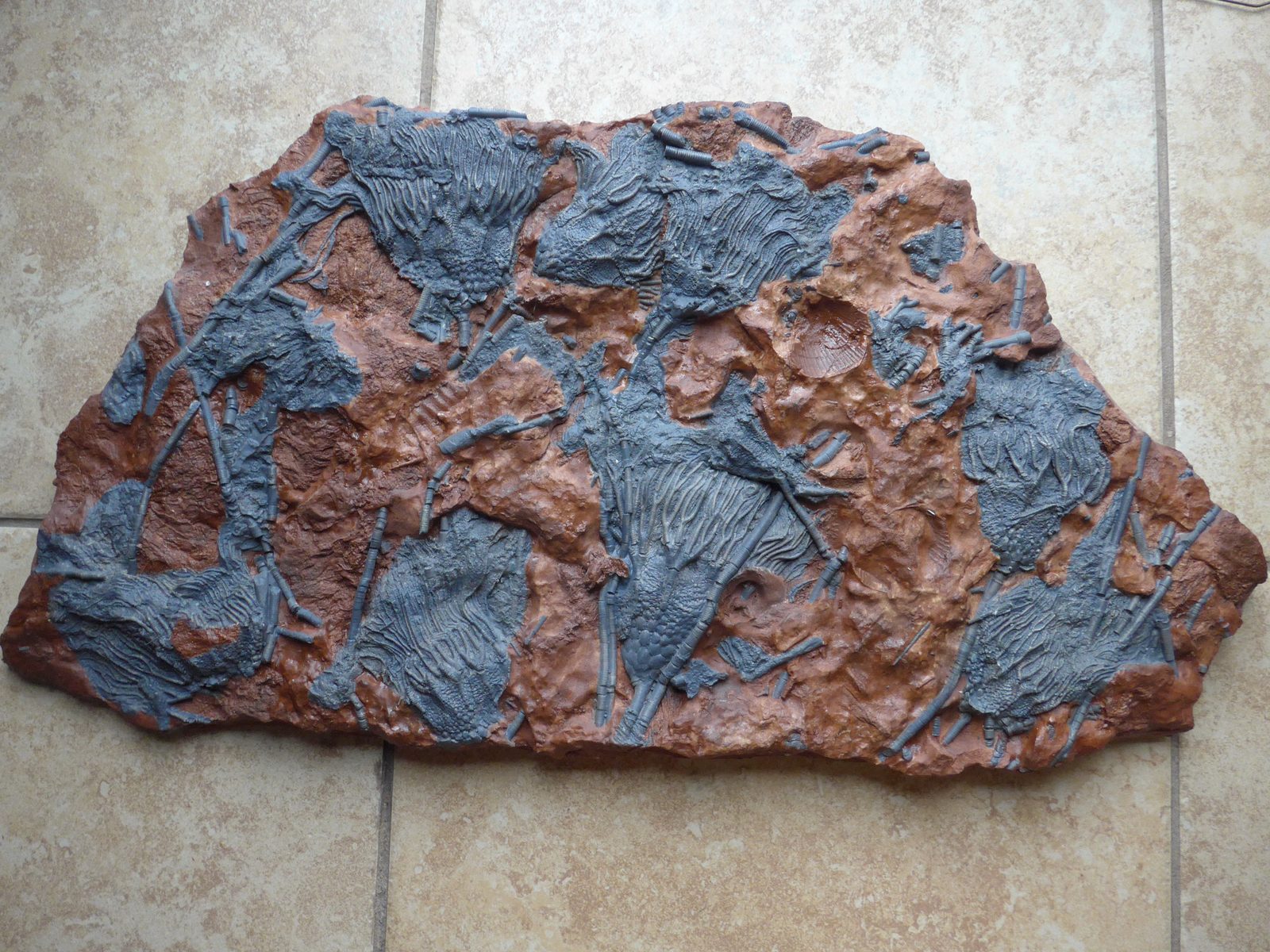
Walk along a limestone cliff or a rocky shoreline almost anywhere in the world, and you are probably walking over the remains of one of the ocean's strangest success stories. Broken discs, tiny stars, and segmented tubes scattered through the rock are the fossilized bodies of crinoids, animals so plant-like that naturalists argued about them for centuries. They are called sea lilies, they look like flowers on stems, and they are neither. They are relatives of starfish that decided, very early on, that a life of standing still was worth perfecting.
At first glance, a crinoid seems like an odd companion for Triops, the frantic, pond-skimming little crustacean that darts around temporary pools eating everything it can catch. One animal never stops moving, lives fast, and dies young. The other spends its entire adult life rooted to one spot, filtering slow food out of slow water, and can keep the lifestyle going for decades. Yet the two are engaged in exactly the same project: surviving deep time without constantly reinventing themselves. Crinoids have simply taken the strategy to an extreme that Triops never attempted.
An Animal That Grew Like a Plant
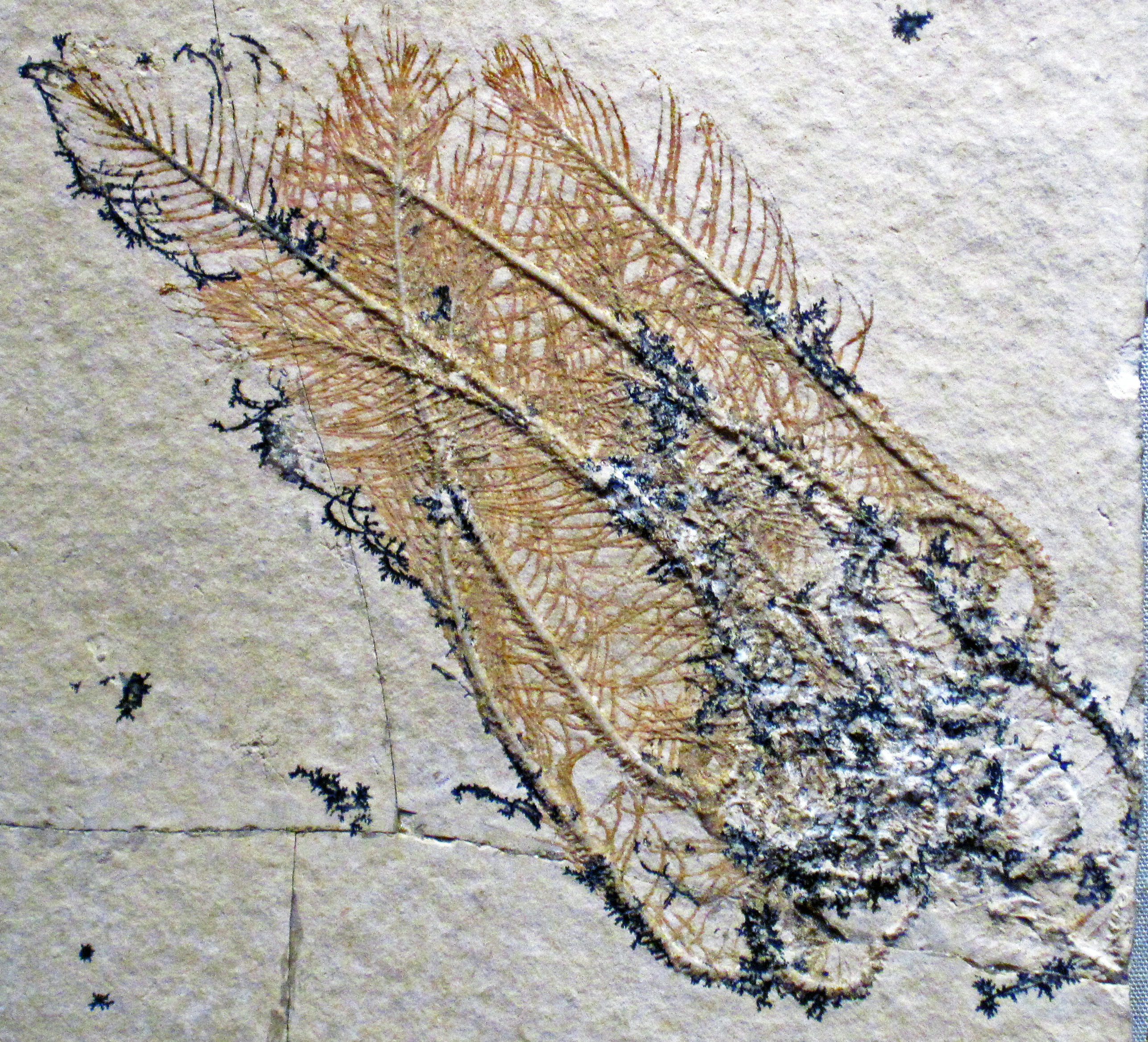
The confusion is understandable. A classic stalked crinoid looks like a lily on a long flexible stem: a cup at the top, a crown of feathery arms, and a segmented column anchoring it to the rock below. In many Paleozoic seafloors, these animals grew in dense gardens, hundreds of crowns waving gently in the current, and it was not until the late 1700s that naturalists conclusively established that the whole structure was one animal with a mouth, a gut, and a nervous system. What looks like petals are actually arms, and each arm is lined with tiny fingerlike projections called pinnules that make the whole crown function like a living sieve.
The feeding strategy is beautifully lazy. Crinoids extend their arms into the current and spread the pinnules into a sticky net. Plankton and drifting organic particles get caught in mucus along the pinnules, tiny tube feet flick the food into grooves running along each arm, and the grooves carry it all down to a mouth that sits, rather undignified for a flower, on the top surface of the cup. Everything about the animal is arranged around this single trick: intercept water, trap what it carries, and let the ocean do the rest. No chasing, no hunting, no escape needed from most predators thanks to the rocky holdfast below and the stiff, calcified arms above.
The Age of Crinoid Meadows
Crinoids appeared in the Ordovician period, around 480 million years ago, though their true origin probably lies even earlier in the Cambrian. By the Silurian and Devonian, they had become one of the defining sights of the seafloor. Some Paleozoic limestones are made almost entirely of crinoid debris, stacked fragment upon fragment until entire rock formations are, in effect, compressed crinoid gardens. Victorian geologists named one such rock crinoidal limestone, and the pages of their field guides are full of sketches of single stems reconstructed from thousands of loose discs.
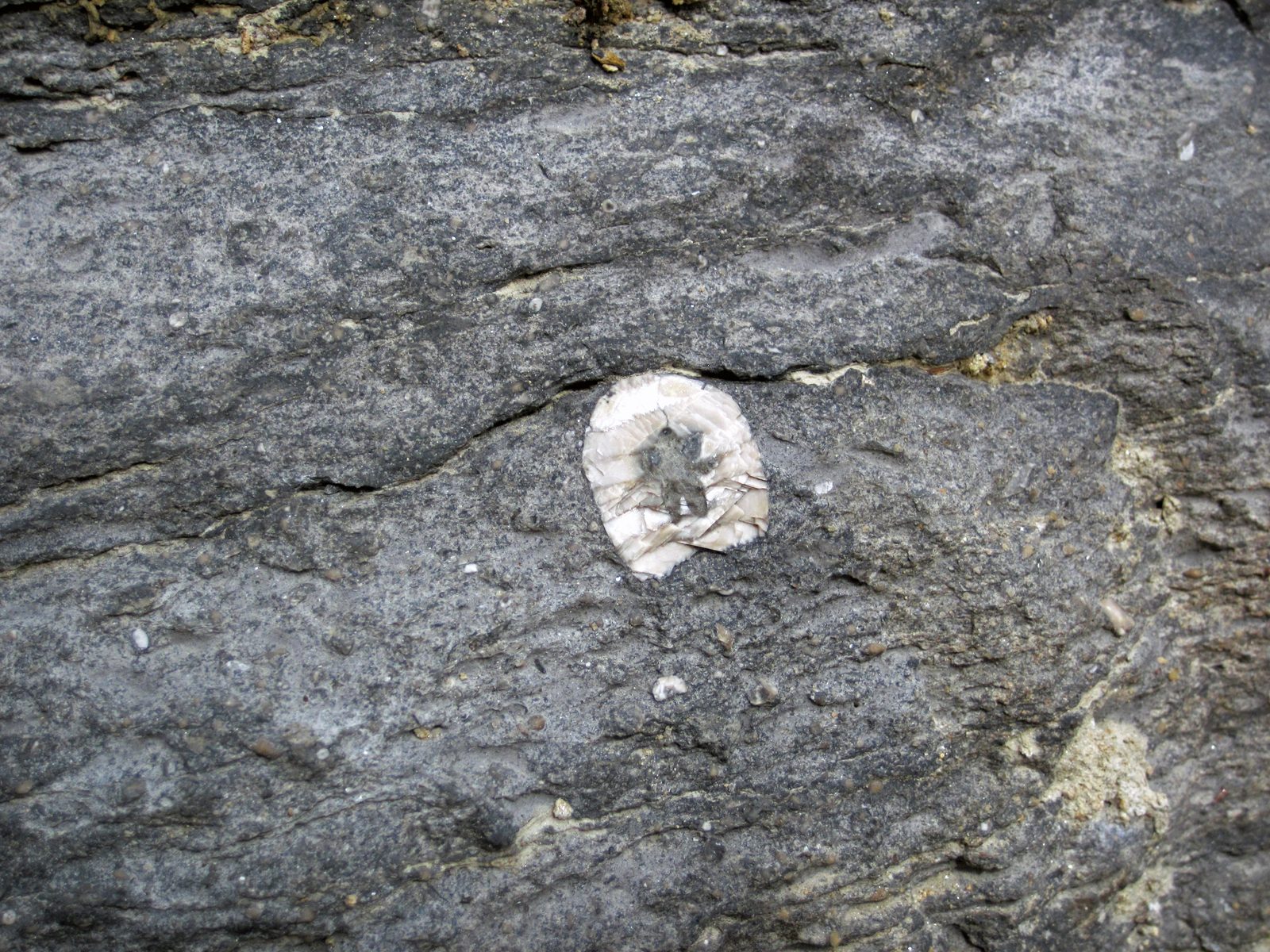
During the Carboniferous, crinoid meadows reached their peak. The coal swamps that produced so much of Europe and North America's coal were lowland landscapes, but just offshore, shallow seas supported crinoid forests that rivaled anything on land in sheer biomass. Stem segments rained down onto the seafloor as animals died and fell apart, because the skeleton is a bundle of separate plates rather than one solid shell. That construction is also why crinoid fossils are so abundant and so confusing to beginners: a single animal can fall apart into hundreds of pieces that look like a dozen different species.
Disaster, and the Body Plan That Bent Instead of Broke
Here is where the story gets genuinely Triops-like. Crinoids should have been destroyed several times over. The end-Permian extinction, the worst crisis in the history of animal life, killed something like 95 percent of marine species, and stalked crinoids, attached to the seafloor and unable to flee deteriorating conditions, were hit with particular ferocity. The great Paleozoic crinoid gardens nearly vanished. Later, the end-Triassic and end-Cretaceous extinctions each brought fresh waves of loss, and changing ocean chemistry repeatedly made it expensive to build a skeleton out of calcite.
And yet here they are. The trick is partly evolutionary flexibility. Some lineages abandoned the stalk altogether, evolving into the feather stars that swim and crawl across reefs today by flailing their arms, settling wherever the current delivers food. Others retained the stalk but shrank it or adapted their holdfasts to new substrates. Crucially, crinoids share a general feature with Triops: extraordinary reproductive resilience. They shed enormous numbers of eggs and larvae into the water, they mature relatively quickly for animals of their size, and isolated populations can seed empty seafloors after a collapse. When the world breaks, a life history built on pouring offspring into the water gives evolution something to work with.
Feather Stars Are Still Out There
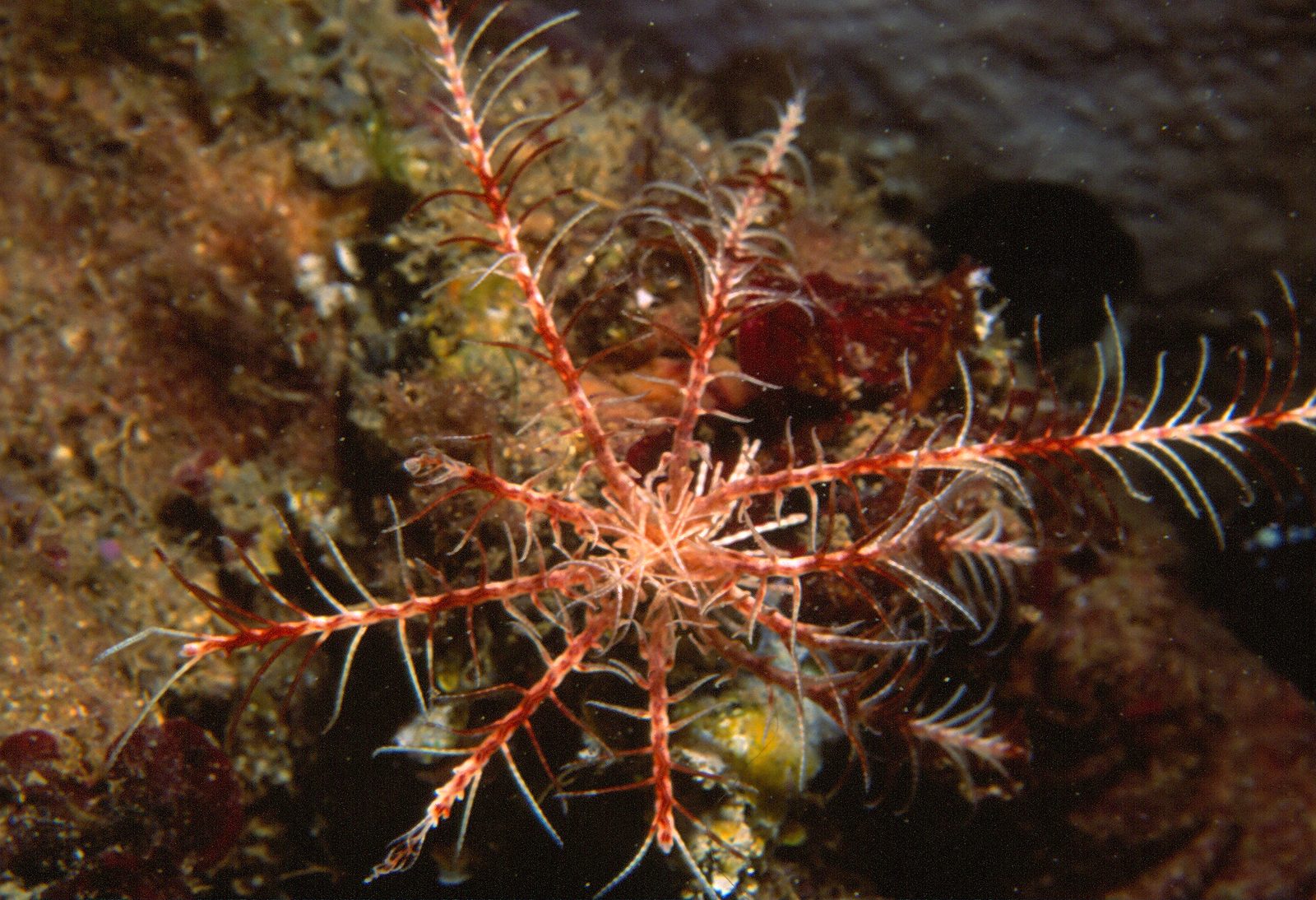
Which brings us to the most delightful part of the story. Around 600 living crinoid species exist today, and the vast majority are the unstalked feather stars. Look closely on a coral reef or among the rocky channels of the Mediterranean, and you may find a feather star perched on a sponge, arms unfurled like a tiny fern, occasionally climbing to a better feeding position by rowing across the seabed. The Mediterranean feather star, Antedon mediterranea, is common enough to be found by divers in shallow water, and it is a genuine window into a body plan that predates the dinosaurs.
Stalked sea lilies survive too, though you need to go deeper. True stalked crinoids hang on in the deep ocean, where they cluster on seamounts and rocky slopes and wave their crowns in the slow, steady currents that the abyss provides. Scientists have filmed them from submersibles in scenes that would be instantly recognizable to an Ordovician organism, crowns outstretched in an ocean current hundreds of millions of years after the original meadows were buried in limestone.
What Sea Lilies Teach Us About Survival
The usual survival stories involve speed, cunning, or armor. Crinoids suggest a different lesson. Their persistence came from being good enough at one thing for half a billion years, staying flexible enough to drop the stalk when conditions changed, and reproducing prolifically enough that extinction events became bottlenecks rather than verdicts. It is not so different from what lets a Triops population persist through the drying of a pool: enormous numbers of resistant eggs, a body plan that has worked since the Triassic, and no urgent need to evolve because the existing design already solves the problem.
So when you pick up a limestone pebble and notice tiny fossil discs glinting in the surface, you are holding a piece of a garden that once covered entire seafloors. The garden was flattened by the worst extinction Earth has ever seen, and it regrew. Its descendants still unfold their arms every night on reefs around the world. Survival does not always belong to the fast or the fierce. Sometimes it belongs to the patient, the prolific, and the well anchored, the very opposite of a flower that turned out to be an animal.