Published August 12, 2026, 14:09 by the Triops.me Editorial Team · Back to Articles
Eurypterids: The Sea Scorpions That Ruled Ancient Seas
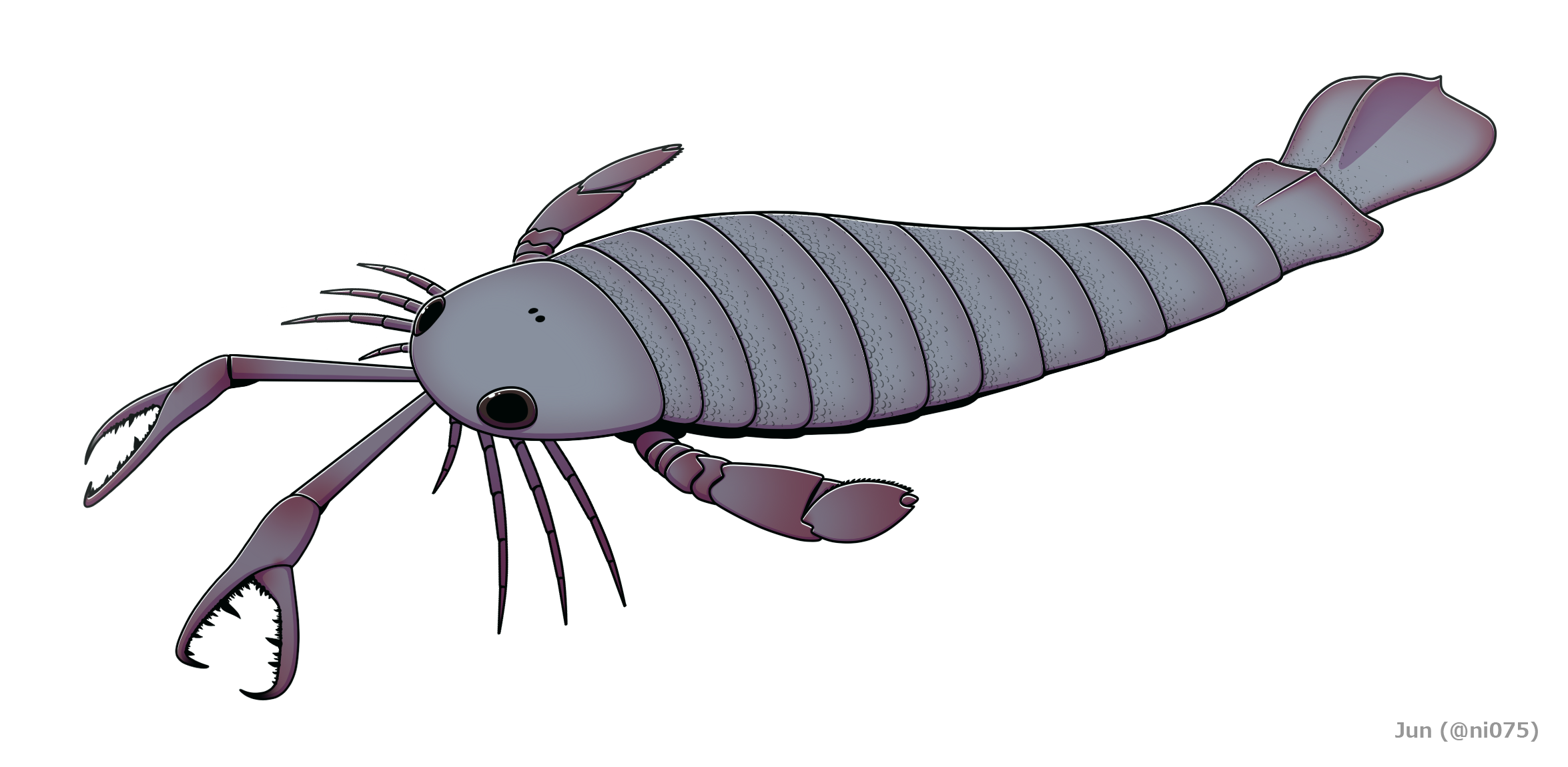
Long before dinosaurs walked the Earth, another group of creatures dominated the planet's waters. Armed with crushing claws and armored bodies, they ruled the seas, estuaries, and rivers for over 200 million years. These were the eurypterids, commonly known as sea scorpions, and they were among the most successful predators the Paleozoic world ever produced.
With roughly 250 known species spanning from the Ordovician period to the end of the Permian, eurypterids represent the most diverse chelicerate order of the Paleozoic era. Some grew to 2.5 meters, making them the largest arthropods that have ever lived.
What Were Eurypterids?
Eurypterids belong to the subphylum Chelicerata, the same group as modern horseshoe crabs, spiders, and scorpions. They are not true scorpions despite their nickname, but they share key features: a segmented body, jointed appendages, and a hard exoskeleton shed periodically as the animal grows.
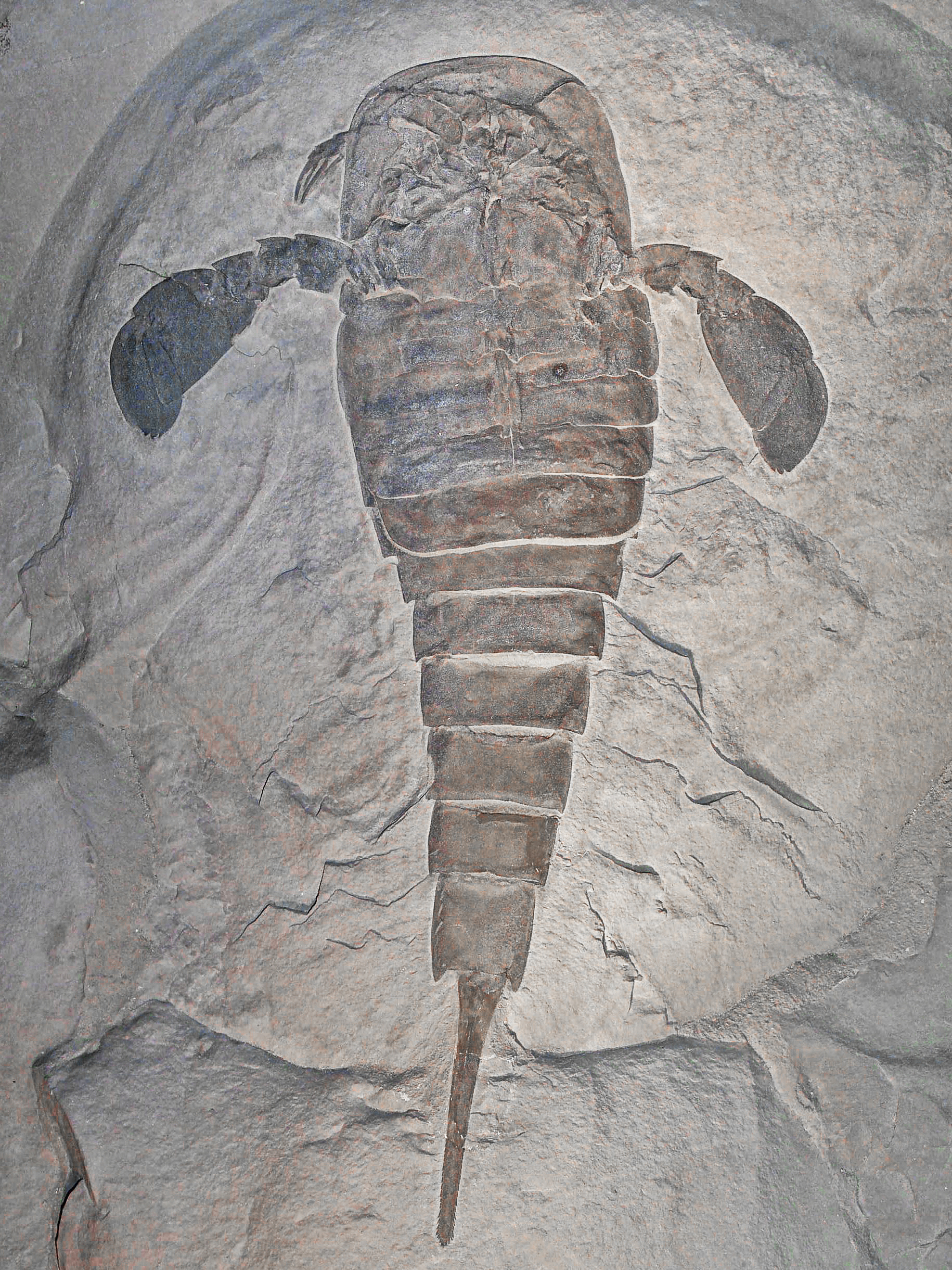
The name "Eurypterida" comes from the Greek words eury (broad) and pteron (wing), referring to the wide, paddle-shaped swimming appendages found in many species. The genus Eurypterus, the most well-known eurypterid, accounts for more than 90 percent of all known specimens. Eurypterus remipes is the official state fossil of New York, where Silurian-age shale preserves some of the finest eurypterid fossils in the world.
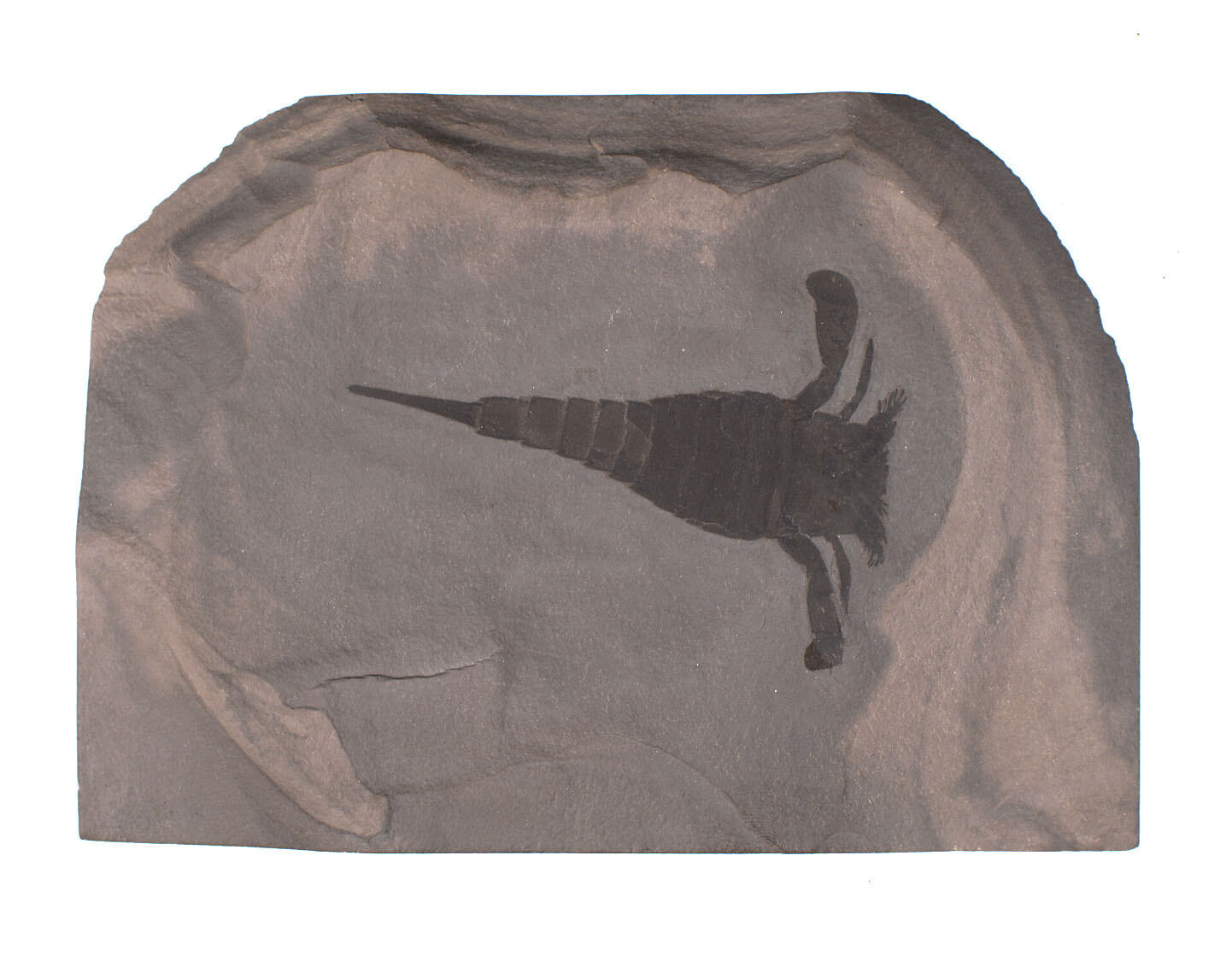
Two major suborders are recognized. The Eurypterina were swimming forms equipped with paddle appendages, while the Stylonurina were walking forms that lacked paddles and crawled along the seafloor. This division suggests eurypterids diversified into a wide range of ecological niches, from open-water hunters to bottom-dwelling scavengers.
The Golden Age: Silurian Dominance
While eurypterids first appeared during the Ordovician period around 480 million years ago, it was during the Silurian period (444 to 419 million years ago) that they truly flourished. The Silurian world was warm, with high sea levels flooding continental interiors and creating vast shallow seas and coastal lagoons perfect for eurypterid diversification.
Fossils from the Silurian Bertie Formation in New York State have yielded spectacular complete specimens. Some deposits contain thousands of specimens, suggesting periodic mass mortality events triggered by oxygen depletion in enclosed lagoons.
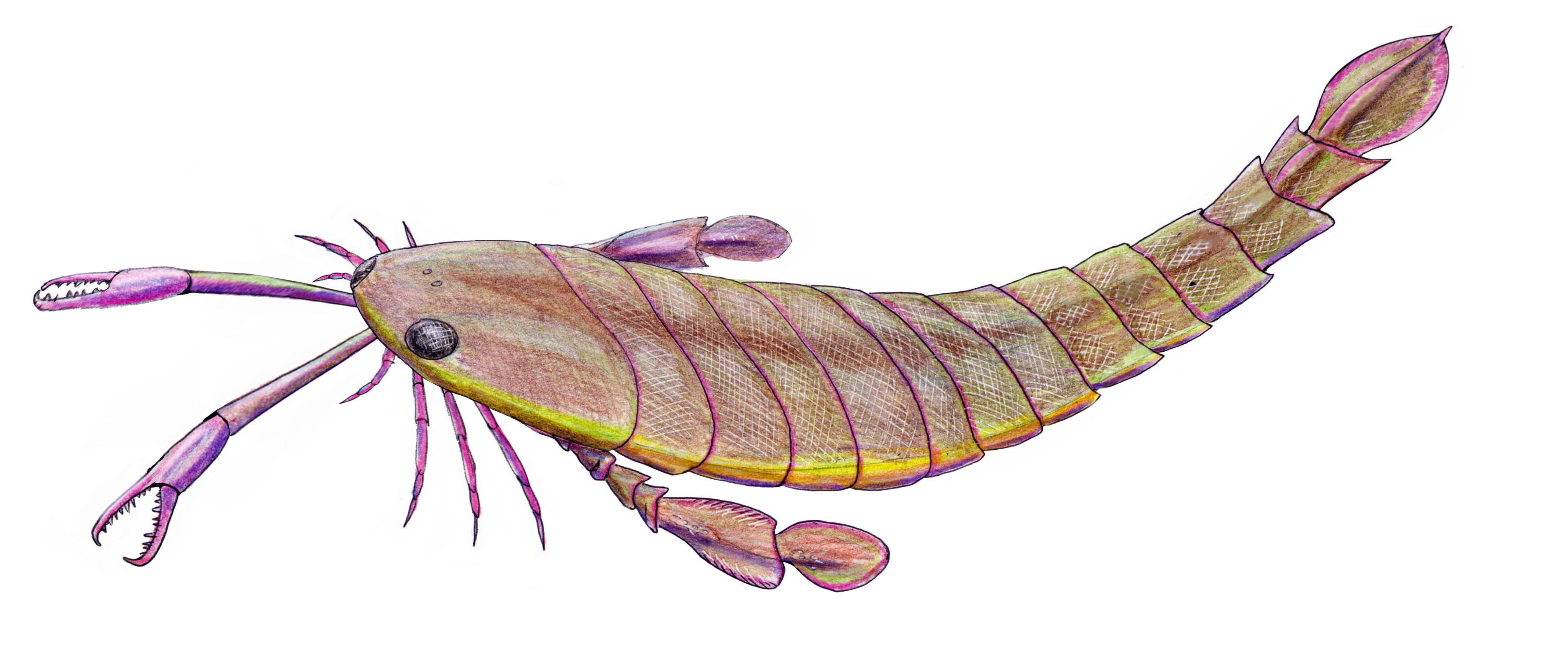
During the Silurian, eurypterids occupied the apex predator role in many aquatic ecosystems. While true fish were still relatively small and primitive, the largest eurypterids, members of the family Pterygotidae, possessed massive chelicerae that could snap shut with enough force to crush the shells of other arthropods and early armored fish.
Giants Among Arthropods
The undisputed champion is Jaekelopterus rhenaniae, a pterygotid from the Devonian period that reached an estimated 2.5 meters (8.2 feet) in length. To put that in perspective, that is longer than most adult humans are tall. Its massive chelicerae alone measured over 40 centimeters.
Not all eurypterids were giants, however. Most species measured less than 20 centimeters. The smallest known eurypterid, Alkenopterus, was a mere 2.03 centimeters long, smaller than a house cricket. Pterygotus anglicus, another member of the giant pterygotid family, reached up to 2.3 meters and possessed large, serrated chelicerae. Fossils of Pterygotus have been found worldwide, making it one of the few eurypterid genera with a truly cosmopolitan distribution.
Anatomy and Lifestyle
Eurypterid anatomy was built for aquatic predation. Their bodies divided into two main sections: the prosoma (head) bearing six pairs of appendages, and the opisthosoma (body) of twelve segments terminating in a telson. The telson varied dramatically, from a narrow spike to a broad swimming paddle. In predatory species like the pterygotids, the chelicerae were modified into large, pincer-like claws lined with teeth.
Why "Sea Scorpions"?
The name is both descriptive and misleading. Eurypterids are called sea scorpions because their general body shape resembles modern scorpions. In popular culture, they are often depicted with venomous stingers, but there is no fossil evidence that any eurypterid possessed a venomous telson. The tail structure varied widely, and in many species the telson was a flat paddle for swimming rather than a pointed weapon.
Additionally, "sea" is only partially accurate. While the earliest eurypterids were marine, many later forms colonized brackish and freshwater environments. Some species were fully freshwater animals, living in the same types of inland water bodies that Triops inhabit today.
Decline and Extinction
Despite their long reign, eurypterids did not survive the Paleozoic era. The group was heavily impacted by the Late Devonian extinction event approximately 372 million years ago. While some lineages persisted, their diversity never fully recovered. By the Carboniferous period, eurypterids were a shadow of their former selves.
The final chapter came during the Permian period. Whether they succumbed during the early Middle Permian or in the catastrophic Permian-Triassic extinction event 251.9 million years ago remains debated. Either way, by the time the Triassic began, the eurypterids were gone. Their extinction left a gap that would eventually be filled by other predators, while the arthropod lineage that includes modern Triops, crayfish, and crabs continued to thrive.
Living Relatives and Legacy
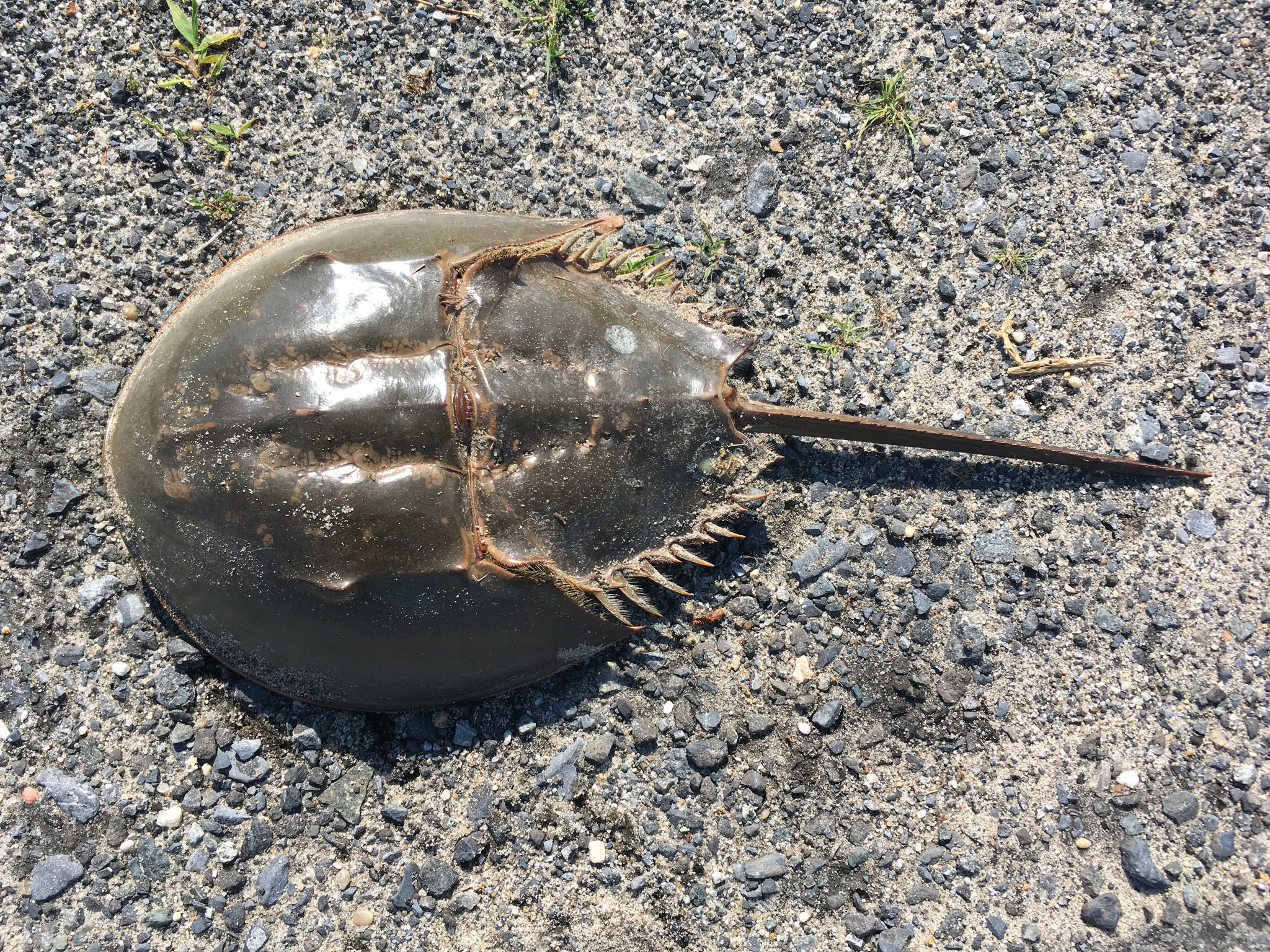
Although eurypterids are extinct, their closest living relatives offer a window into what these ancient creatures were like. Horseshoe crabs (Order Xiphosura) are the most closely related living animals, sharing features like book gills and general body organization. Scorpions and spiders, also chelicerates, share the same basic body plan: a prosoma with chelicerae and an opisthosoma.
For anyone fascinated by Triops and other living fossils, eurypterids offer a compelling comparison. Triops have survived for roughly 220 million years with remarkably little change. Eurypterids thrived for a similar duration but eventually succumbed to environmental upheaval. The difference may lie in Triops' extraordinary ability to enter cryptobiosis, a survival strategy that allows their eggs to endure years of drought. Eurypterids, dependent on stable aquatic environments, could not adapt quickly enough when those environments disappeared.
The next time you see a horseshoe crab on a beach, or hold a Triops in your hand, remember that you are looking at the legacy of an ancient lineage, one that stretches back hundreds of millions of years to the Paleozoic seas where giant sea scorpions once swam.