Published August 28, 2026, 14:16 by the Triops.me Editorial Team · Back to Articles
Reptile Eggs and the Evolution of the Shelled Egg
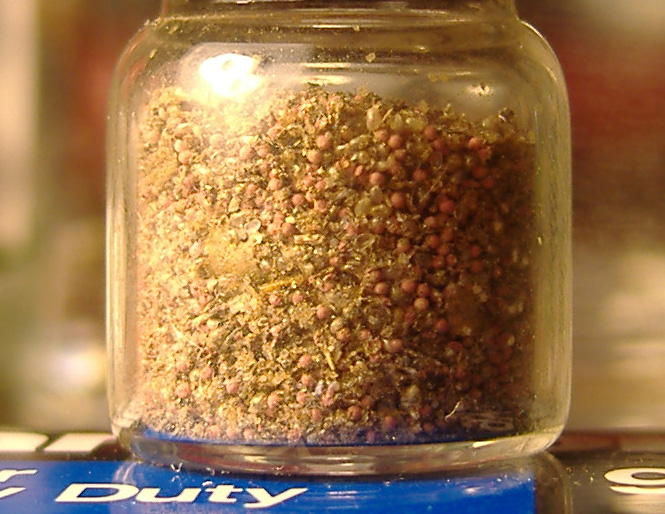
Every creature on this list hatched from an egg, and the story of how eggs evolved is really the story of how life colonized land. From the soft, jelly-coated eggs of amphibians to the leathery shells of dinosaurs and the calcified armor of bird eggs, each innovation solved a different problem. And then there are the Triops eggs, which solved a problem that none of these other strategies even tried to address: how to survive not just months of drought, but centuries of it.
The earliest vertebrate eggs were simple gelatinous spheres, deposited directly in water. Fish and early amphibians relied on aquatic environments to keep their eggs moist, and this dependency is the reason amphibians never truly conquered dry land. A frog can hop across a field, but it must always return to water to reproduce. The egg was both a gift and a chain.
The amniote egg changed everything. Appearing roughly 340 million years ago in early reptiles, the amniote egg was the first vertebrate egg that could be laid on dry land. Its key innovation was a suite of membranes, the amnion, chorion, and allantois, that created a self-contained aquatic environment inside the shell. The embryo floated in its own private pond, completely independent of any external water source. This single evolutionary leap freed reptiles from the water's edge and opened up the entire terrestrial world.
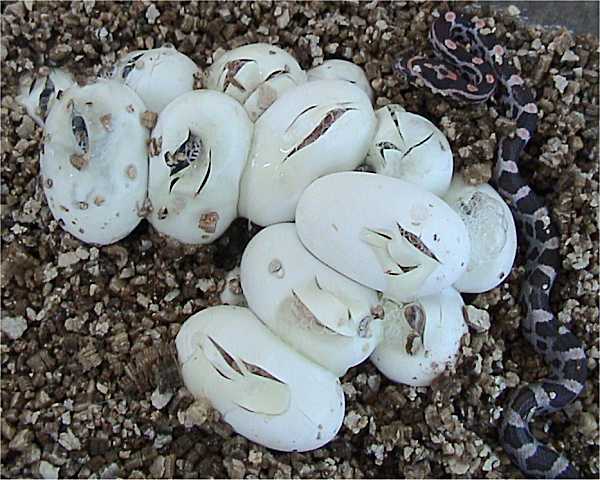
But not all amniote eggs are created equal. Reptile eggs come in two broad categories: hard-shelled and soft-shelled. Turtles, crocodilians, and most birds produce hard, calcified eggs that protect against mechanical damage and reduce water loss through the shell. Many snakes and lizards, however, lay soft, leathery eggs that are more permeable to moisture. This might seem like a disadvantage, but it is actually a clever tradeoff. Soft-shelled eggs absorb water from humid soil, allowing embryos to grow larger in moist environments where a rigid shell would crack under the pressure of a growing embryo.
Dinosaurs inherited this flexibility. Fossil evidence shows that many dinosaur species, including sauropods and theropods, laid soft-shelled eggs rather than the hard calcified eggs we associate with modern birds. Troodontid eggs, found in clusters in China, display the characteristic elongated shape and thin, parchment-like shell of leathery egg-layers. Some researchers have argued that the transition from soft to hard shells in the lineage leading to modern birds was driven by the need for larger, heavier eggs that required stronger structural support. A 10-kilogram sauropod egg would have collapsed under its own weight without a rigid shell, yet the smaller eggs of predatory dinosaurs could afford the softer approach.
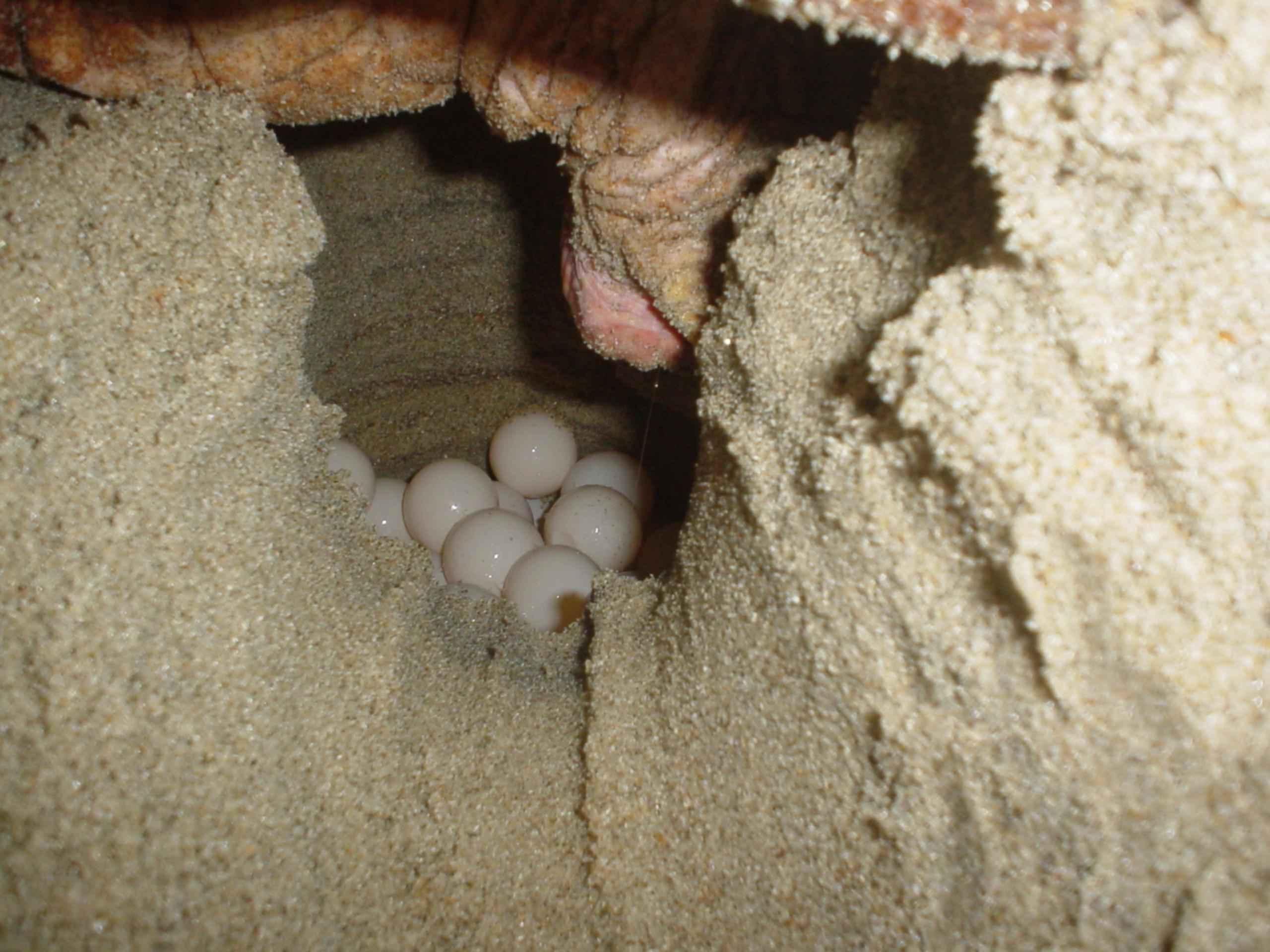
Turtle eggs occupy a fascinating middle ground. Although turtles produce hard-shelled eggs, the shells are notably more flexible than those of birds. Loggerhead turtle eggs, buried in sandy nests on tropical beaches, have a shell that is both rigid enough to resist crushing and slightly permeable to allow gas exchange with the surrounding sand. The eggs must also tolerate the temperature fluctuations of an exposed beach, since turtle sex is determined by incubation temperature. Hotter sand produces females, cooler sand produces males. The shell is not just a container, it is a thermal regulator.
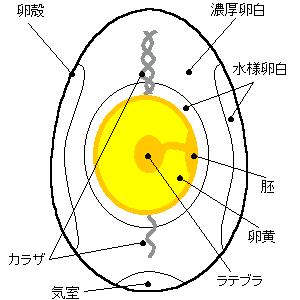
Bird eggs represent the apex of amniote egg engineering. The hard calcified shell is perforated by thousands of microscopic pores that allow oxygen to reach the developing embryo while preventing excessive water loss. The albumen provides shock absorption and antimicrobial protection. The chalazae, twisted strands of protein, anchor the yolk in the center of the egg so the embryo always faces upward. Every component has been refined by 150 million years of selection pressure, and the result is one of the most elegant biological structures in nature.
But there is an entirely different egg strategy that predates all of these, and it belongs to the Triops. Unlike amniote eggs, which are designed to protect a developing embryo for weeks or months before hatching, Triops eggs are designed for indefinite dormancy. A Triops egg, properly dried, can remain viable for decades. The embryo inside is arrested at a precise developmental stage, surrounded by a thick cyst wall that resists UV radiation, extreme heat, freezing temperatures, and even the vacuum of space. NASA experiments have confirmed that Triops eggs survive conditions that would destroy any amniote egg in minutes.
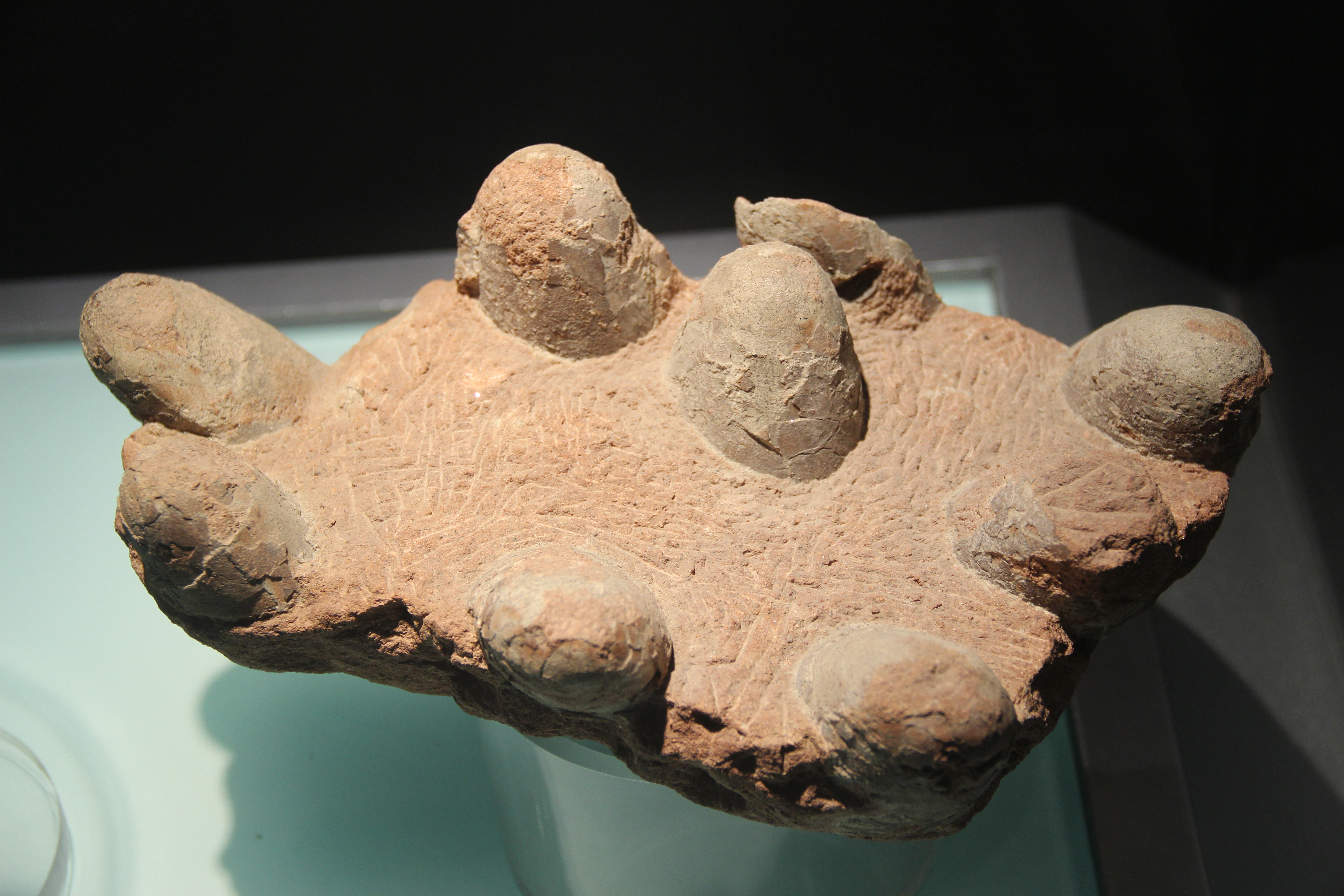
The fundamental difference is philosophical. The amniote egg says: I will protect my offspring long enough for it to hatch and face the world. The Triops egg says: I will wait for the world to become favorable again. An amniote egg is a time capsule measured in days. A Triops egg is a time capsule measured in centuries. Both strategies work brilliantly, but they solve completely different problems. The amniote egg conquered land. The Triops egg conquered time itself.
When Triops eggs are finally rehydrated by rain filling a temporary pool, the embryo resumes development almost immediately, hatching within 24 to 72 hours. This is not the gradual warming of a bird egg over 21 days or the slow gestation of a crocodile over 90 days. This is a biological system that has been suspended, not slowed. The difference is subtle but important. A bird embryo develops continuously from the moment the egg is laid. A Triops embryo can pause, wait, and restart, sometimes decades later, as if no time had passed at all.
Understanding these parallel egg strategies gives us a richer picture of evolutionary creativity. The same fundamental challenge, how to reproduce without being tied to water, produced wildly different solutions across the animal kingdom. Reptile shells, bird shells, and Triops cysts are all answers to the same question, shaped by completely different environmental pressures. The shelled egg is a monument to the conquest of land. The Triops egg is a monument to the conquest of drought. Together, they show that there is no single right way to survive. There are only strategies, and the environments that select for them.
The next time you see a bird's egg in a nest, or a Triops egg buried in dried mud, remember that you are looking at two of the most successful survival technologies in the history of life on Earth. One brought animals onto land. The other kept a lineage alive through five mass extinctions, ice ages, and desertification events spanning over 250 million years. The egg, in all its forms, is perhaps the most important invention in the story of animal life.