Published 2026-09-13 · by the Triops.me Editorial Team · Back to Articles
Gigantopithecus, the Giant Ape That Vanished
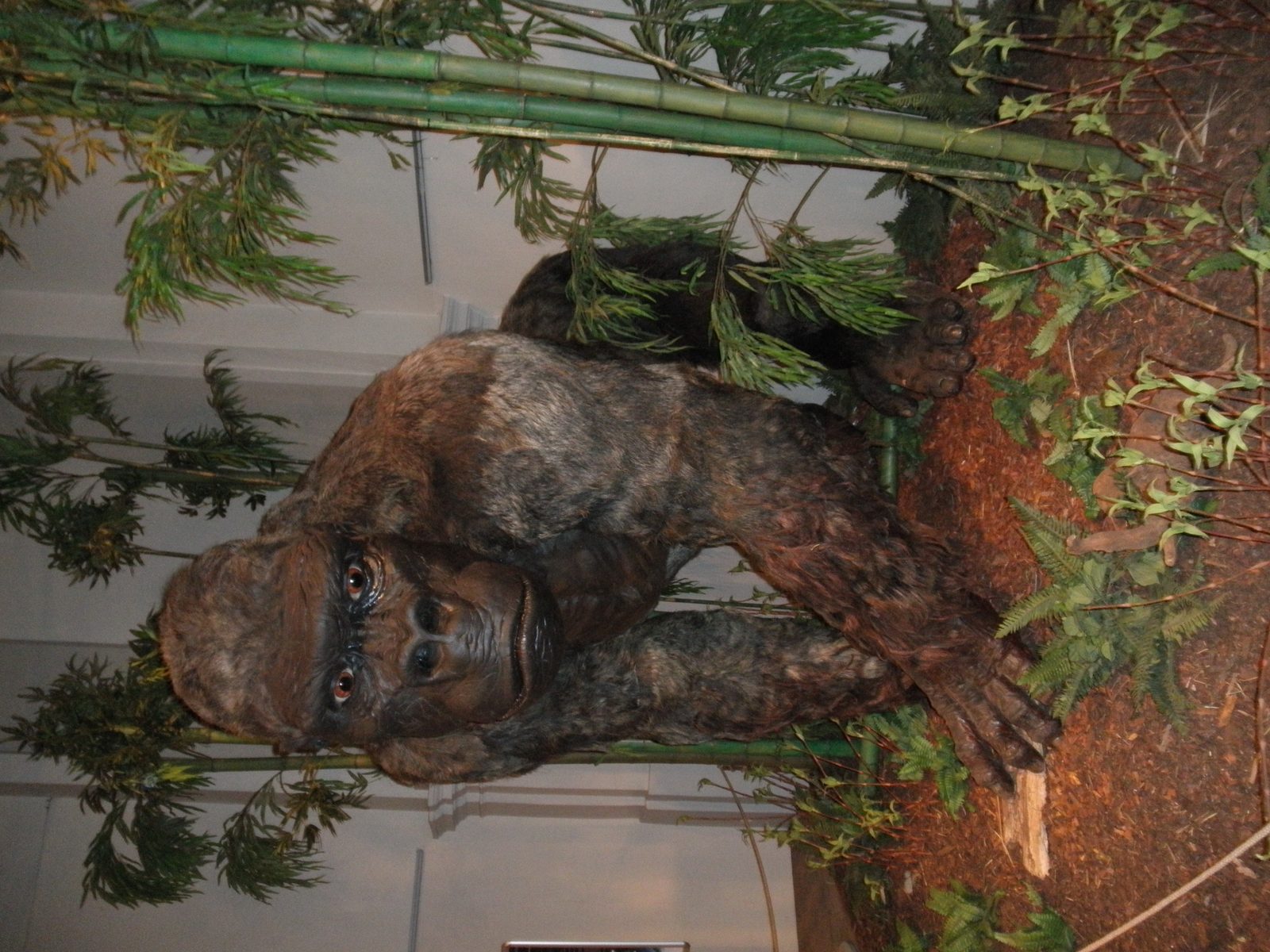
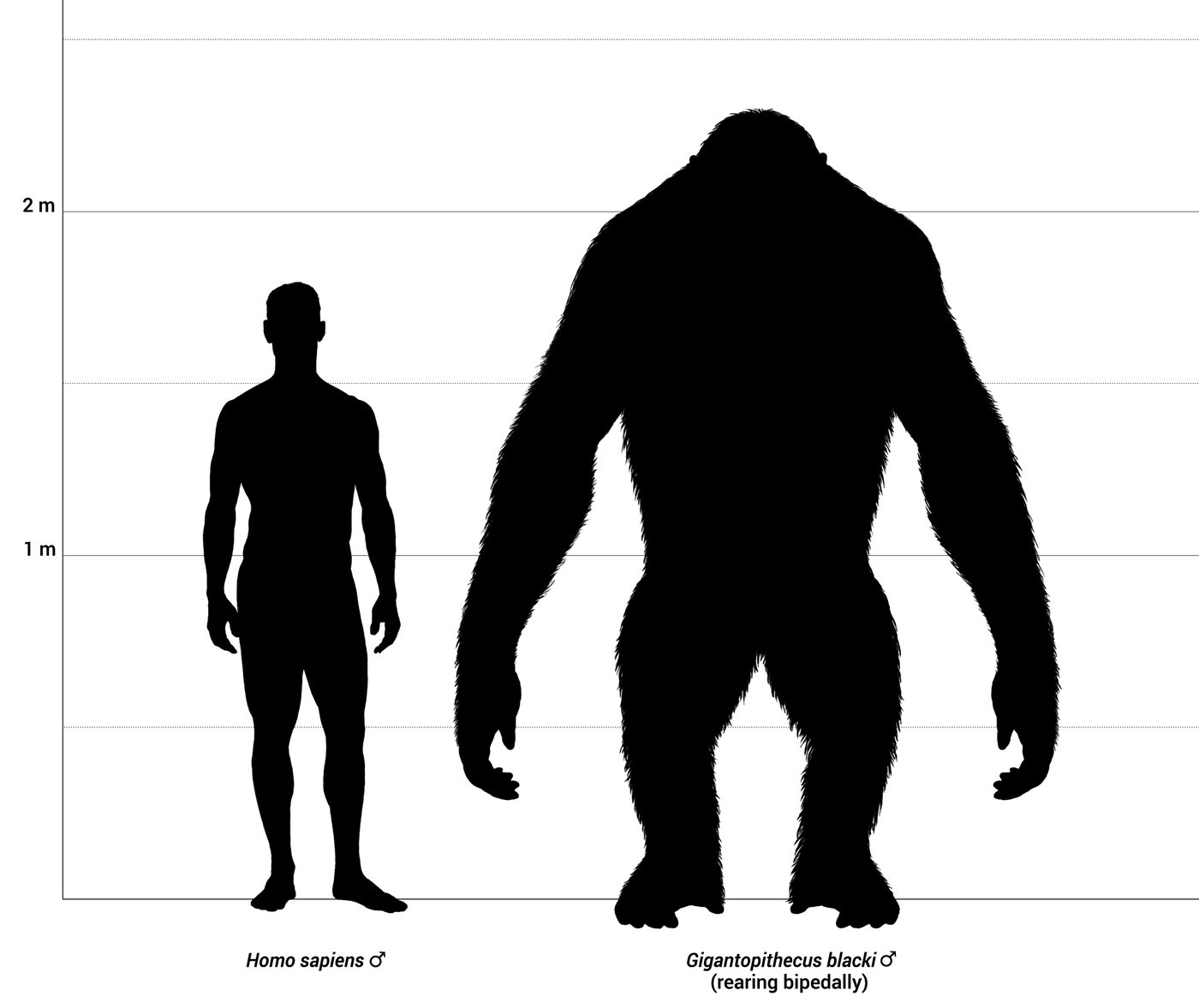
Roughly 300,000 years ago, the largest ape that ever existed was still alive in the forests of southern China. It stood close to 3 meters tall on its hind legs, weighed up to 600 kilograms, and its closest living relative is not some shaggy monster of legend but the humble orangutan. Its name is Gigantopithecus blacki, and despite a size that would dwarf any gorilla, it disappeared without ever leaving a complete skeleton behind. Only teeth and a few jawbones tell us it existed at all.
That quiet disappearance is what makes this giant worth studying. Triops, our site's flagship survivor, outlasted five mass extinctions by staying small, adaptable and quick to reproduce. Gigantopithecus did the opposite. It bet everything on size and specialization, and when its world changed faster than it could, that bet failed. Its story is a survival lesson written in reverse.
A Discovery Made From a Drugstore Tooth
Science met Gigantopithecus in a curiously roundabout way. In the 1930s, the Dutch paleoanthropologist Gustav von Koenigswald was searching apothecaries in Hong Kong and Guangzhou for "dragon teeth", fossil teeth sold in traditional Chinese medicine shops. Among the haul he bought were enormous molars, far larger than any known ape's. In 1935 he described them formally: the teeth belonged to a new and gigantic extinct ape, named Gigantopithecus blacki in honor of Davidson Black, the Canadian anatomist who had identified Peking Man just a few years earlier.
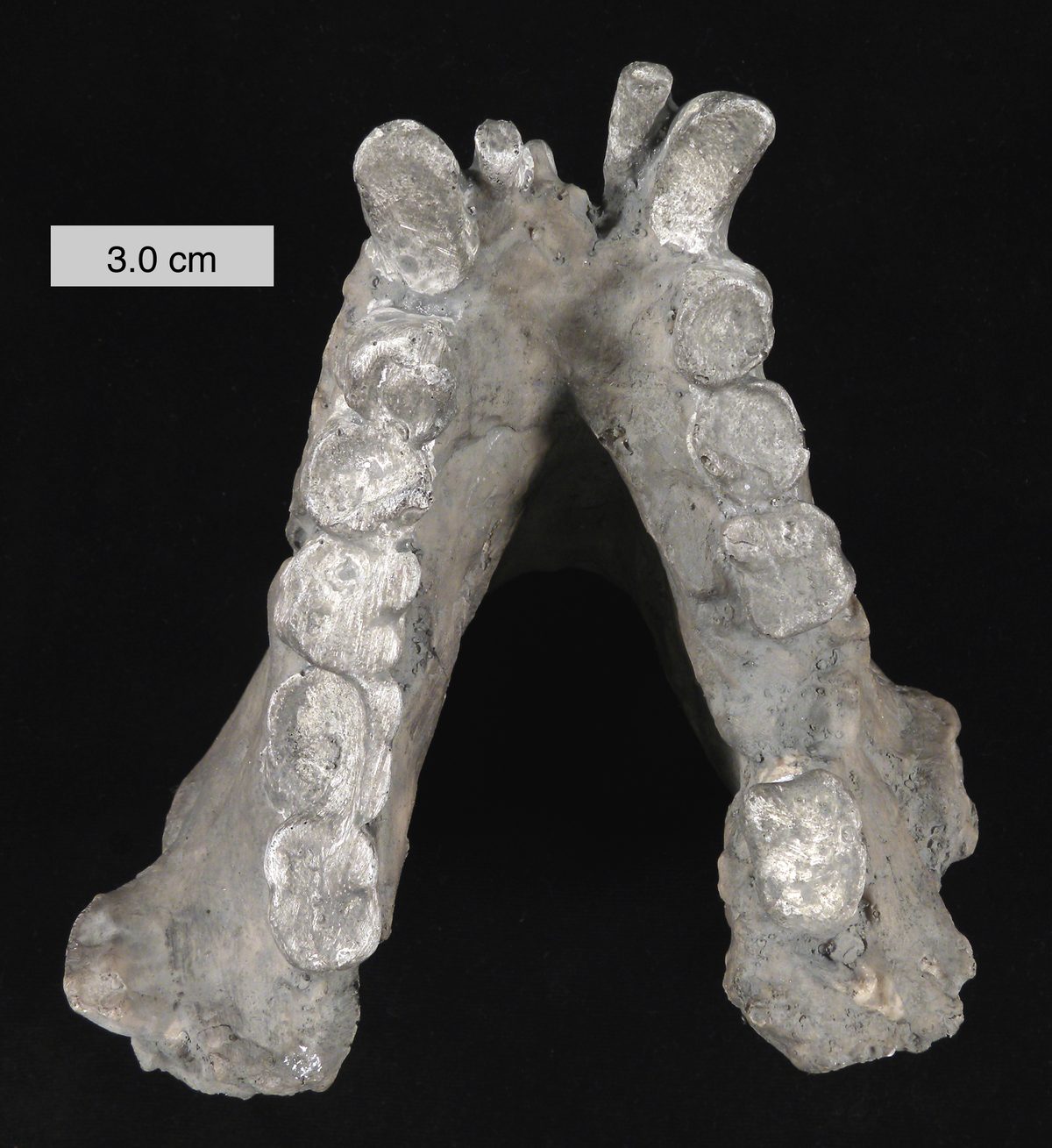
For years nobody could say what the owner of those teeth looked like. The first jawbone fragment turned up in 1956 in a limestone cave in Guangxi, and even today the entire fossil record consists of a handful of jawbones and roughly a thousand isolated teeth. No leg bones, no skull, no vertebrae. Everything else about the animal, from its posture to its fur color, is informed reconstruction. This is one of the largest land mammals of the Pleistocene known almost entirely from its bite.
How Big Was Big?
The teeth scale up so dramatically that early estimates ran wild. Modern work, based on the ratio between molar size and body mass in living apes, puts a large male G. blacki at around 200 to 300 kilograms, with the most generous reconstructions reaching double that. Standing upright, it may have approached 3 meters. Either way it was comfortably the largest primate that has ever lived, bigger than any gorilla and heavier than two adult humans combined.
Those molars also reveal what it ate. They are low-cusped, thick-enameled and heavily worn, the teeth of a dedicated plant grinder. Microscopic scratches on the enamel and, more recently, traces of plant proteins preserved inside the fossil teeth show a diet dominated by tough, fibrous vegetation: grasses, sedges, fruits and woody plants gathered from the forest floor. It was, in effect, a giant browsing ape that spent its days methodically processing low-quality food in huge quantities.
Nearly Two Million Years of Success
Gigantopithecus was no dead-end flash. The earliest fossils date to around 2 million years ago, and the species persisted until at least about 295,000 years ago. That is a longer run than the entire existence of our own species. It shared its world with early humans; Homo erectus was present in southern China while the giant ape still lived, though there is no evidence the two ever clashed. Tooth pits suggest it also contended with the powerful jaw of the hyena-sized Pachycrocuta, a bone-crushing hyena that patrolled the same karst landscapes.
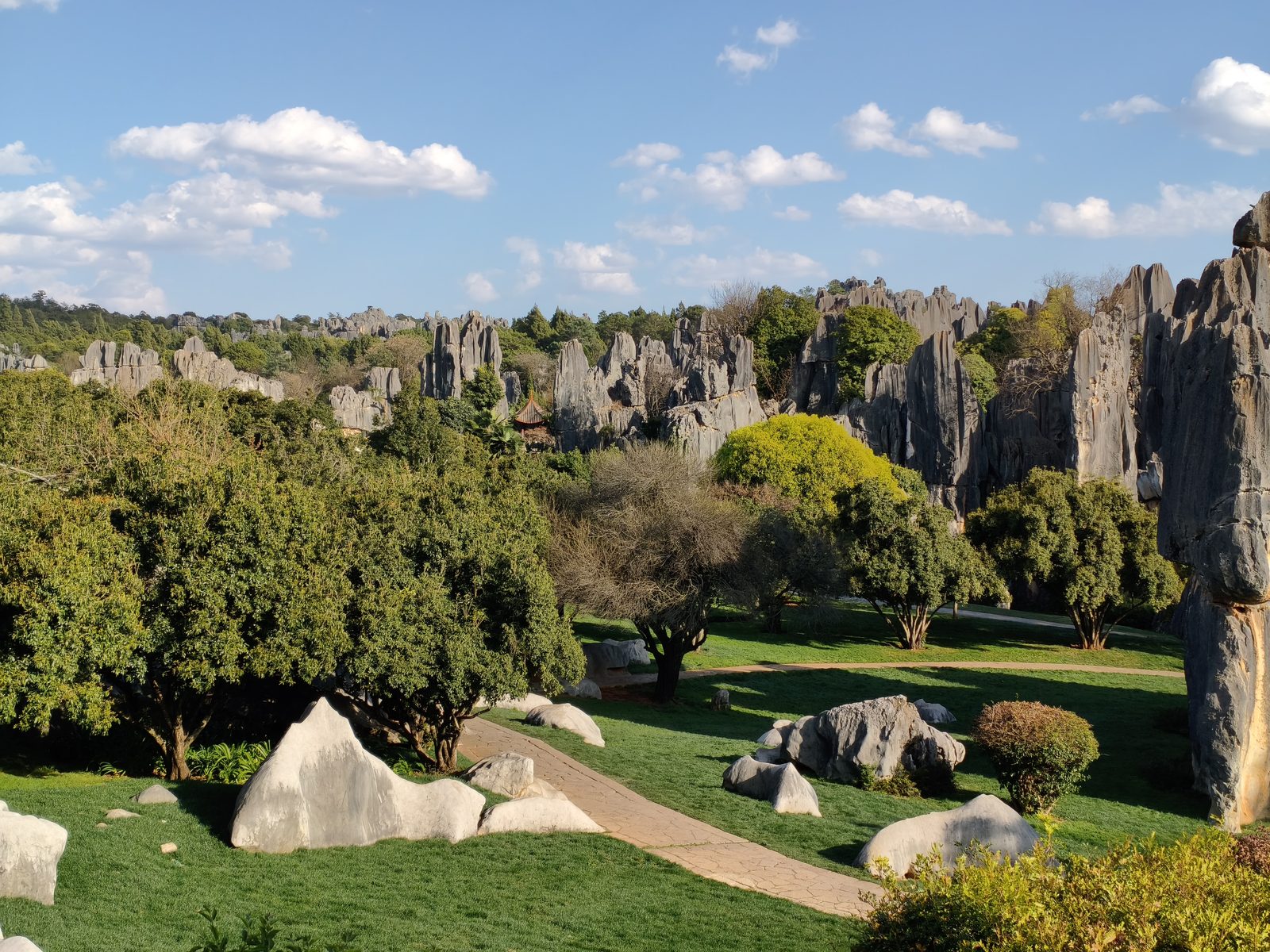
The world it inhabited was a mosaic of subtropical forest and open woodland blanketing the limestone hills of Guangxi, Hainan and neighboring regions. Rain dissolved these soft rocks into a labyrinth of caves and sinkholes, and it is in such caves that the ape's bones accumulated, perhaps dragged in by rivers or by scavengers. These same karst hills, with their surreal stone pillars, still stand today in places like Yunnan's Stone Forest, a landscape the giant ape would have recognized.
The Story Its Teeth Told at the End
For decades the standard explanation was simple: a giant specialist couldn't cope when forests retreated during ice ages, so it starved. Recent work has sharpened that picture considerably. In 2023, researchers dated thousands of fossils from 22 caves in Guangxi and pinned the extinction at roughly 250,000 to 295,000 years ago, far later than once assumed, and squarely in a period when the climate was becoming more seasonal.
The killer detail came from chemistry. Barium isotopes and other traces locked inside the fossil teeth revealed that, as its preferred forest habitat shrank, G. blacki did not budge. It kept eating the same tough, low-energy foods, grew more and more worn and diseased teeth, suffered chronic nutritional stress, and its populations fragmented and shrank. It became slower to reproduce and more isolated. In short, the giant ape lost flexibility exactly when flexibility was the only way out.
Its cousin the orangutan took the opposite path. Smaller, more mobile, willing to switch foods and travel between habitat patches, orangutans rode out the same changes and are still with us. So did our own ancestors, generalists with tools, fire and an omnivorous diet. The giant bet everything on being too big to bother, and the world eventually called that bet.
Survival by Staying Small
There is a reason Gigantopithecus fits naturally on a site devoted to Triops and the great survivors. Compare the two strategies. Triops hatches in a temporary puddle, matures in two weeks, lays drought-proof eggs and never commits to anything. Gigantopithecus committed completely: enormous body, slow reproduction, a narrow diet and a fixed address. For nearly two million years that strategy worked beautifully, and for a while it was arguably more successful than any ape alive today.
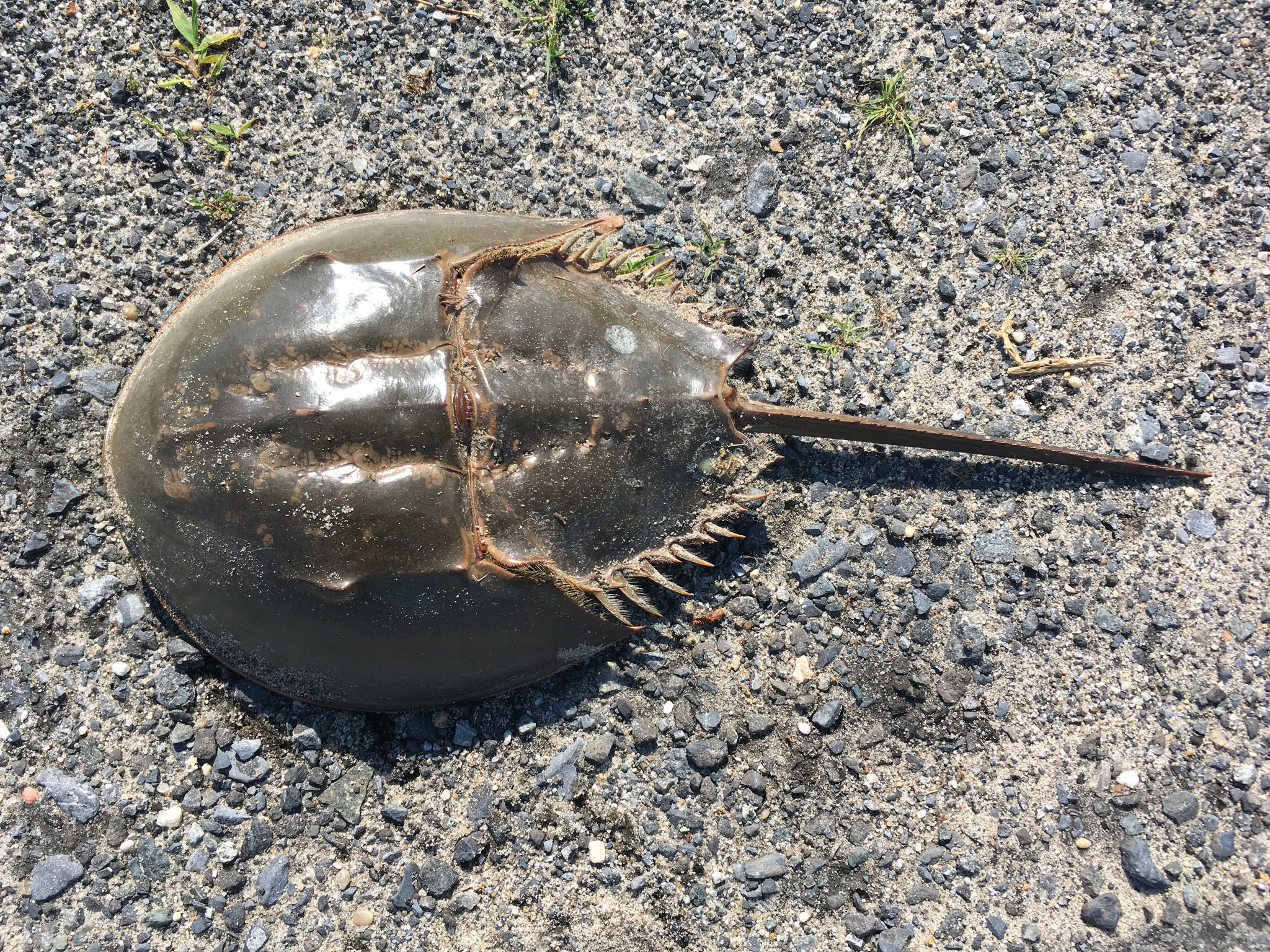
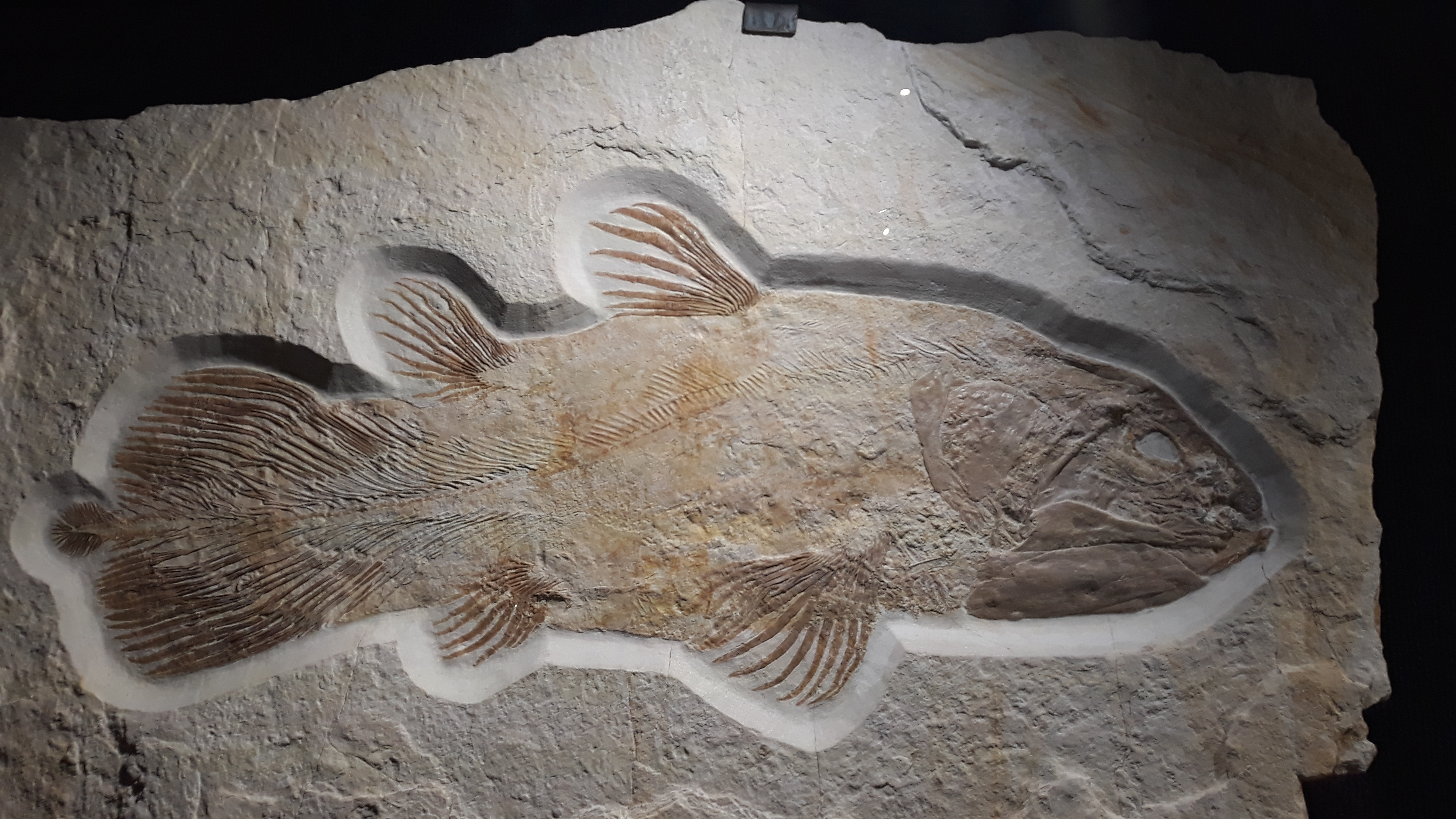
But survival over deep time punishes commitment. Every specialist lineage, from the giant ape to the giant ground sloth to the sabertooth cats, eventually met the change it couldn't eat around. The creatures still here, horseshoe crabs, lingula, coelacanths, tardigrades and Triops itself, tend to share a suspicious trait: none of them is impressive. They are modest, generalist and unambitious, and that has proved to be the longest-surviving design in the history of life.
Gigantopithecus blacki never met a human explorer and never starred in a museum hall with a mounted skeleton, because no such skeleton exists. It left behind teeth that were once sold as medicine, a scientific puzzle that took 90 years to solve, and a warning written in worn enamel: size is not survival. Adaptability is.