Published 2026-09-22 · by the Triops.me Editorial Team · Back to Articles
Ginkgo: The Living Fossil Tree That Outlived the Dinosaurs
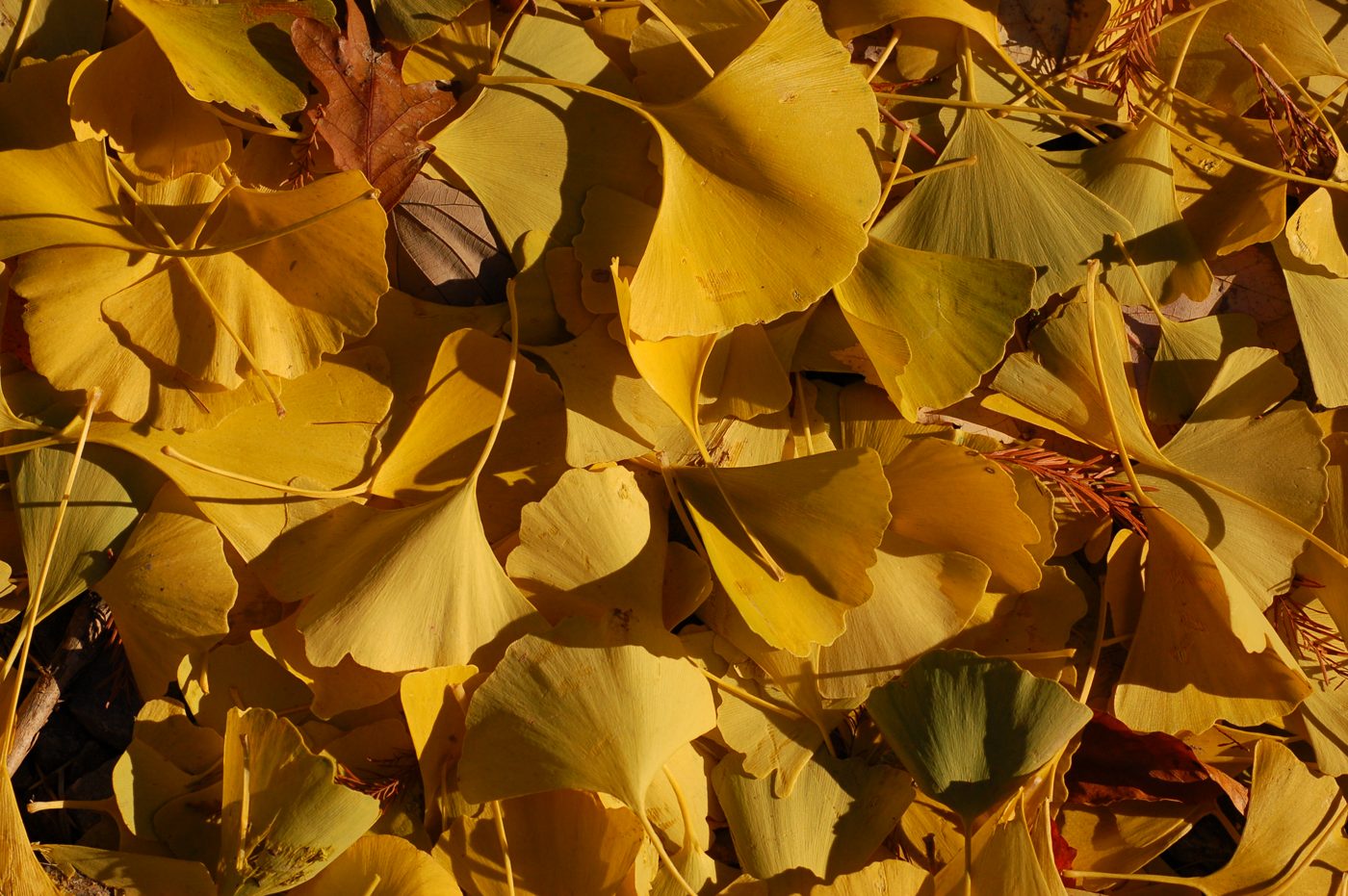
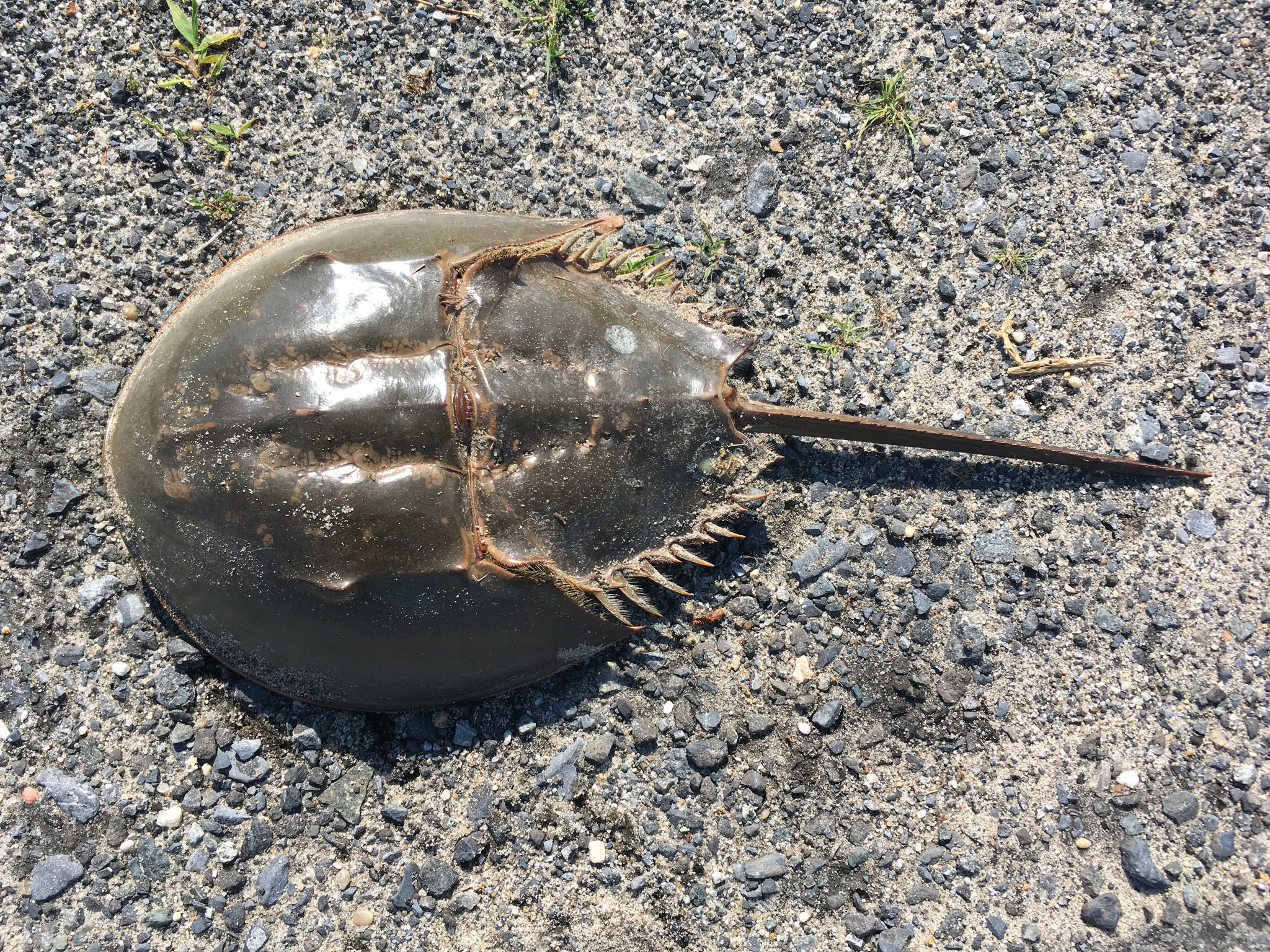
Walk down almost any city street in Europe, North America, or East Asia and you will pass a tree that shared the world with Stegosaurus. The ginkgo (Ginkgo biloba) is not a distant descendant of those ancient forests. It is the last living branch of a lineage so old that dinosaurs ate its leaves, and the shape of its distinctive fan-shaped foliage has stayed recognizably the same for around 200 million years. When an asteroid ended the age of dinosaurs, ginkgoes survived. When ice ages swept across the Northern Hemisphere, ginkgoes survived. By any reasonable definition, this is one of the greatest living fossils on Earth, and its closest company includes creatures we cover often here: horseshoe crabs, tuataras, and of course the Triops that inspired this site.
A lineage older than the dinosaurs
The ginkgo lineage, the order Ginkgoales, first appears in the fossil record roughly 270 million years ago, in the Permian period. That is tens of millions of years before the first dinosaurs walked the Earth. Early ginkgo relatives looked much like the modern tree: woody trunks, fan-shaped leaves with forked veins, and seeds without the enclosing fruit that flowering plants would later evolve.
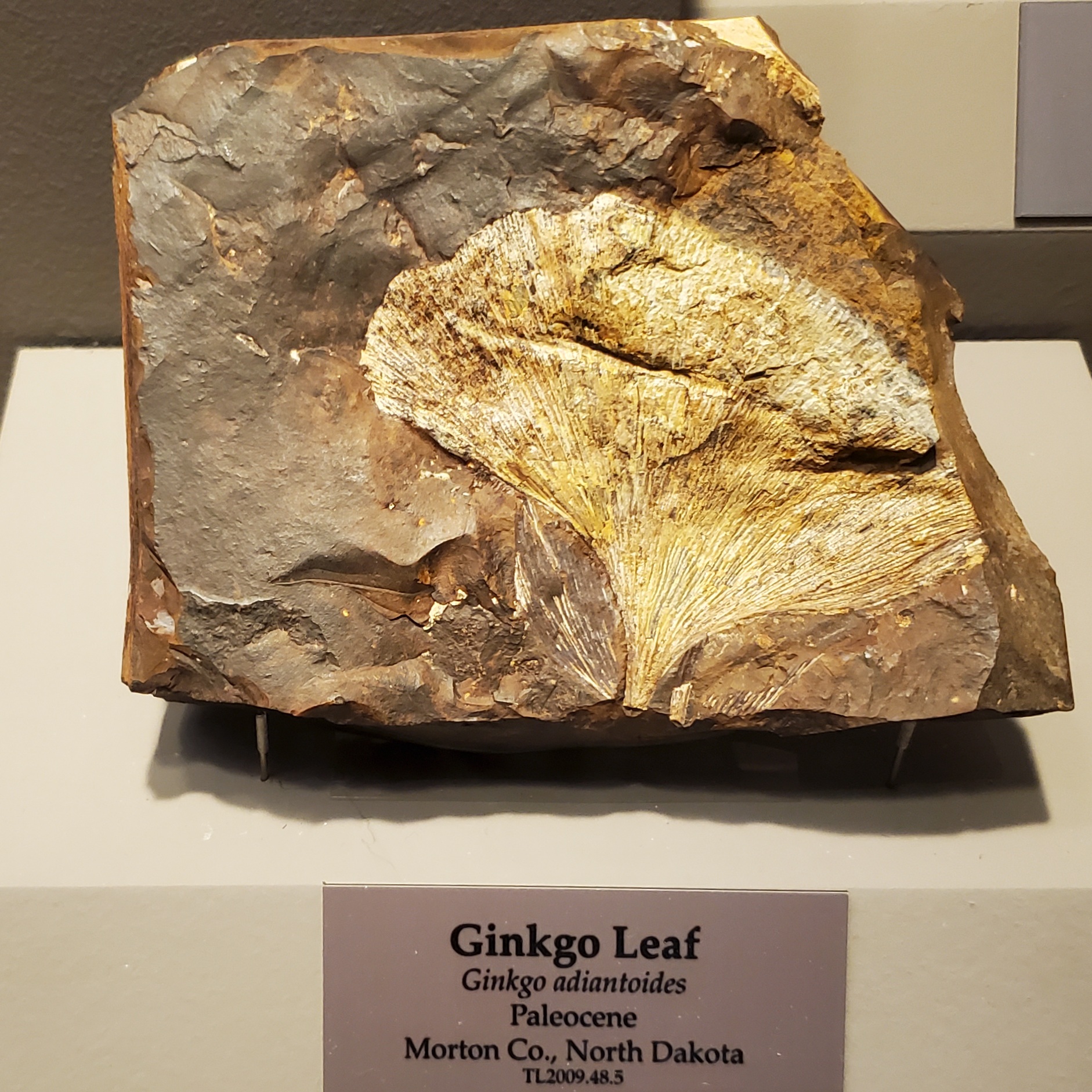
By the Jurassic and Cretaceous, Ginkgoales had spread across the globe. Fossil ginkgo leaves turn up on every continent, including Antarctica, which then sat in a warmer position and hosted lush forests. For plant-eating dinosaurs, ginkgo leaves were familiar fare. Palaeontologists have even found ginkgo material in the fossilized gut contents and droppings of dinosaurs, direct evidence that these trees were part of the Mesozoic menu.
During this heyday there were many genera of ginkgo-like trees, including Baiera, Sphenobaiera, and Ginkgoites. The genus Ginkgo itself, essentially the tree we know today, is documented from the Middle Jurassic onward, about 170 million years ago. Leaf fossils from that time look strikingly like leaves you could pick up in a park this autumn.
The long decline
Then the world changed. Flowering plants, the angiosperms, evolved and exploded in diversity during the Cretaceous. They grew faster, reproduced more efficiently, and steadily displaced the older lineages of seed plants. Ginkgoes, along with many other Mesozoic plant groups, retreated from most of the planet. The end-Cretaceous asteroid impact removed them from the Southern Hemisphere entirely. Ice ages later squeezed them further.
By around two million years ago, wild ginkgo populations survived only in small refugia, most likely in central and southern China. Some botanists suspect the species was quietly slipping toward extinction, clinging on in a few valleys the glaciers never reached. The fossil record suggests the genus was once widespread and is now a single species: one genus, one species, the entire remainder of a 270-million-year experiment.
Saved, improbably, by people
Here the story takes a strange turn. Ginkgoes appear to have been preserved in cultivation around Chinese temples and monasteries, where they were planted as sacred trees, possibly as early as a thousand years ago or more. Monks valued their longevity and their seeds, which are eaten in small quantities across East Asia. From temple gardens, ginkgoes spread to Korea and Japan, and it was from Japan that the European botanist Engelbert Kaempfer first described the tree in the late 1600s.
That makes the ginkgo something of a partnership case. Like Triops relying on temporary pools that humans now create as rice paddies, the ginkgo's survival through its most dangerous centuries may have depended partly on human care. Wild or not, the tree we have today descended from trees people chose to keep alive.
The partnership continued in unexpected places. Ginkgo is famously tolerant of city air, compacted soil, disease, and pollution, which is why it became a favourite street tree worldwide. That toughness traces back millions of years: ginkgo wood contains defensive compounds and an unusual ability to wall off infected tissue, and individual trees can live for well over a thousand years by continually renewing their cambium. Some ancient ginkgoes in China keep producing new wood from a core that is, in effect, older than most human civilizations.
The tree that survived the bomb
Nothing demonstrates that toughness better than 1945. When the atomic bomb detonated over Hiroshima, trees within a few kilometres were vaporized or killed outright. Yet several ginkgoes near the hypocentre survived, scorched and broken, and budded again the following spring. One stands today about a kilometre from the blast centre, next to a temple that was rebuilt around it. These "hibakujumoku", survivor trees, are living monuments, and their resilience is pure ancient lineage: the same biology that outlasted the K-Pg extinction also outlasted humanity's worst weapon.

Why living fossils survive
The ginkgo offers a useful lesson for anyone fascinated by survivors like Triops with their slow-changing genomes. Being a living fossil is not about being primitive or static. It is about having a design that works well enough that the pressure to change never wins. The ginkgo leaf, the Triops shell, the horseshoe crab's body plan: these are solutions that kept working while flashier alternatives came and went.
It also shows that survival is rarely glamorous. The ginkgo outlived the dinosaurs not by beating them but by persisting through catastrophes, bottlenecks, and millions of years of being overshadowed, before an improbable rescue by temple gardeners. Triops survived five mass extinctions the same way, through eggs that wait out disaster and hatched populations that recolonize when the water returns.
A tree you can shake hands with
Most prehistoric creatures can only be met through fossils. The ginkgo is different. You can stand under one, touch a leaf that is morphologically a Jurassic leaf, and eat a seed from a lineage that fed the dinosaurs. Autumn turns its foliage brilliant gold, and a mature tree drops its leaves in a single dramatic day, one of the loveliest sights in any city that plants it.
Next time you see one, remember what you are looking at: the last survivor of an ancient order, a dinosaur-era meal, a Hiroshima miracle, and proof that the deepest strategy in evolution is sometimes simply refusing to go extinct.