Published August 09, 2026, 00:21 by the Triops.me Editorial Team · Back to Articles
How Triops Survived Five Mass Extinctions: Earth's Ultimate Survivor
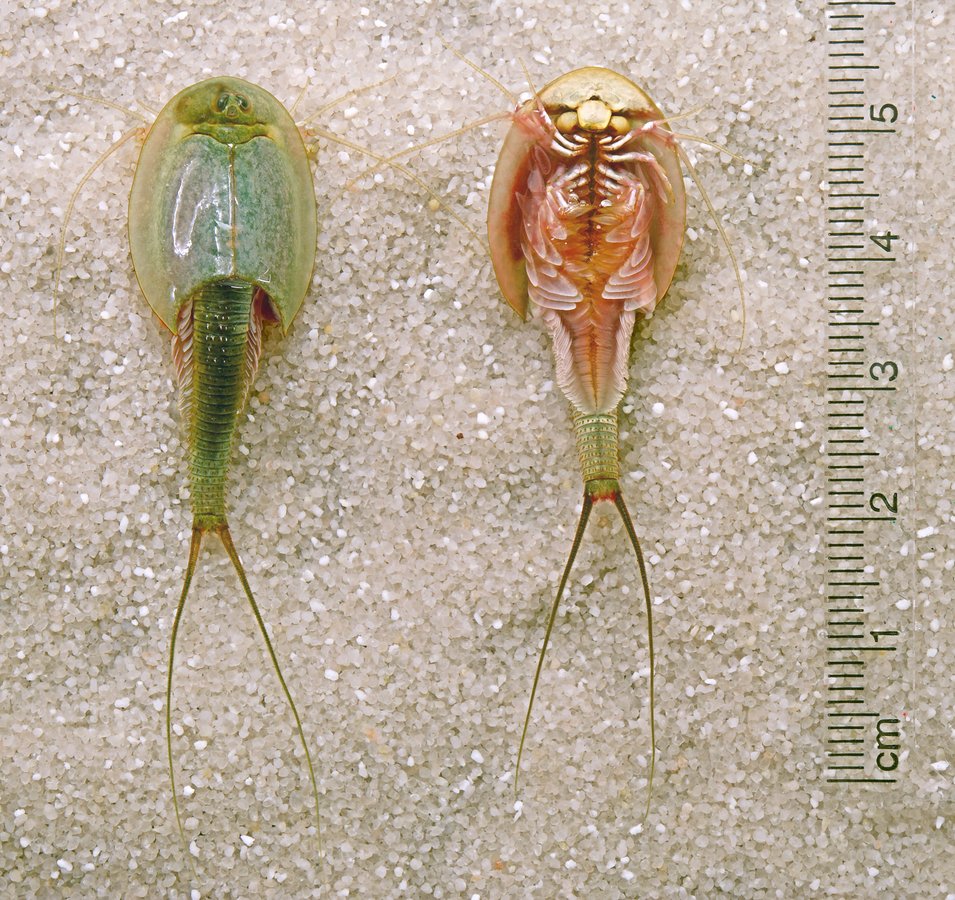
Five times in the last 500 million years, Earth has suffered mass extinctions that wiped out the majority of all living species. And five times, a small freshwater crustacean called Triops has made it through. The notostracan lineage that produced modern Triops dates back over 300 million years. Their fossils in Triassic rock, roughly 220 million years old, look virtually identical to living specimens. This is the story of how they survived every catastrophe our planet has thrown at life.
The Five Extinctions
End-Ordovician (444 MYA). Massive glaciation caused sea levels to plunge, destroying 86% of species, mostly marine. Early branchiopod crustaceans in freshwater pools were shielded from the oceanic temperature swings and sea-level changes that devastated coral reefs and marine invertebrates.
Late Devonian (360 MYA). Seventy-five percent of species vanished when nutrient runoff triggered oceanic dead zones. Freshwater habitats were less affected, and notostracan eggs could go dormant in dried mud, waiting out unfavorable conditions indefinitely.
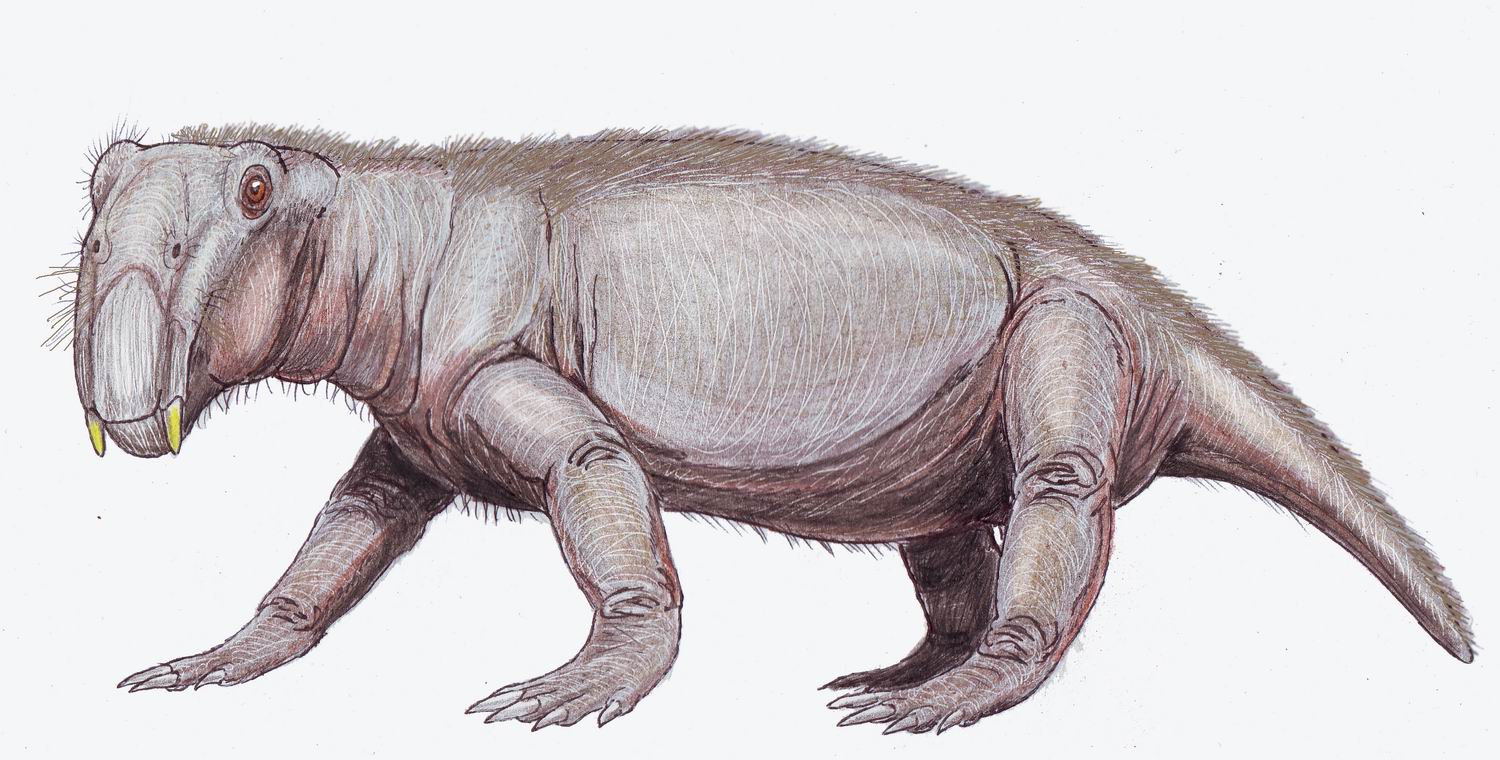
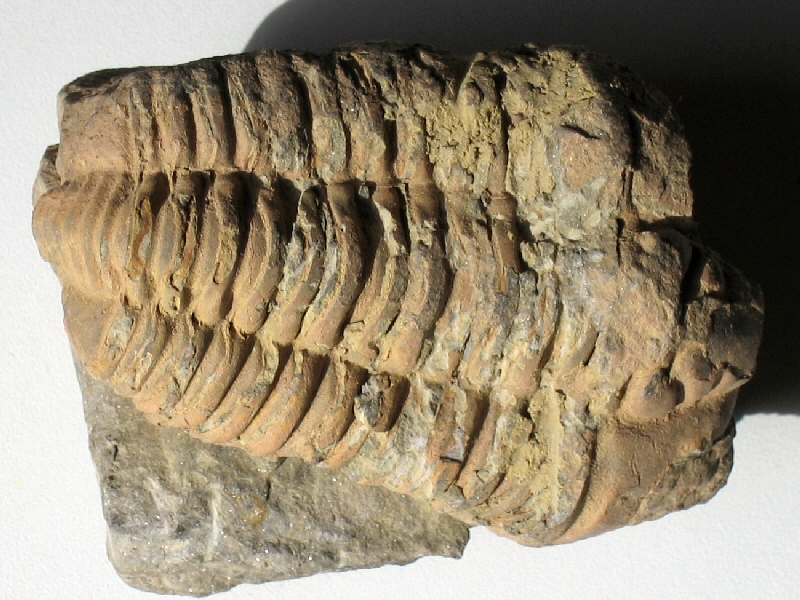
End-Permian (252 MYA). "The Great Dying" killed 96% of marine species. Siberian volcanism acidified oceans and scorched the atmosphere. Trilobites, which had thrived for 300 million years, were finally wiped out. Triops survived by doing what they always do: their eggs entered diapause, a state of suspended animation where metabolic activity drops to nearly zero, and waited in dried sediment for conditions to improve.
End-Triassic (201 MYA). Eighty percent of species perished as massive volcanic activity disrupted ocean chemistry. By this point, the genus Triops itself had likely already diverged from its sister group Lepidurus. Small freshwater organisms in ephemeral habitats were once again spared the worst effects that devastated marine and large terrestrial ecosystems.
End-Cretaceous (66 MYA). The Chicxulub asteroid killed 76% of species and ended the dinosaurs. Triops adults perished, but eggs buried in pond sediment were insulated from the blast and impact winter. When rain filled the empty pools months or years later, Triops hatched into a world with fewer competitors than ever before.
Why They Endure
Five adaptations work together to make Triops nearly indestructible. Diapause eggs can survive years of complete desiccation, tolerating temperatures up to 80 degrees Celsius. Rain once a decade is enough to sustain a population. Small body size means they need few resources and occupy microhabitats that large animals cannot. Generalist diets let them eat algae, detritus, mosquito larvae, or anything organic they can find. Rapid reproduction, with hundreds of eggs produced in a 60 to 90 day lifespan, allows quick recovery from population bottlenecks. And their preference for temporary pools means they evolved to thrive in instability itself, where ecosystems regularly collapse and reform.
Not Alone, But Unique
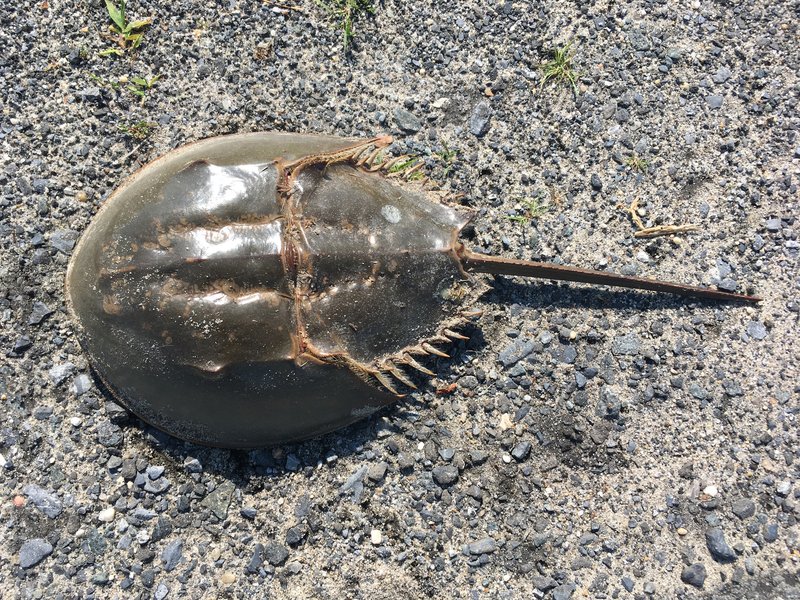
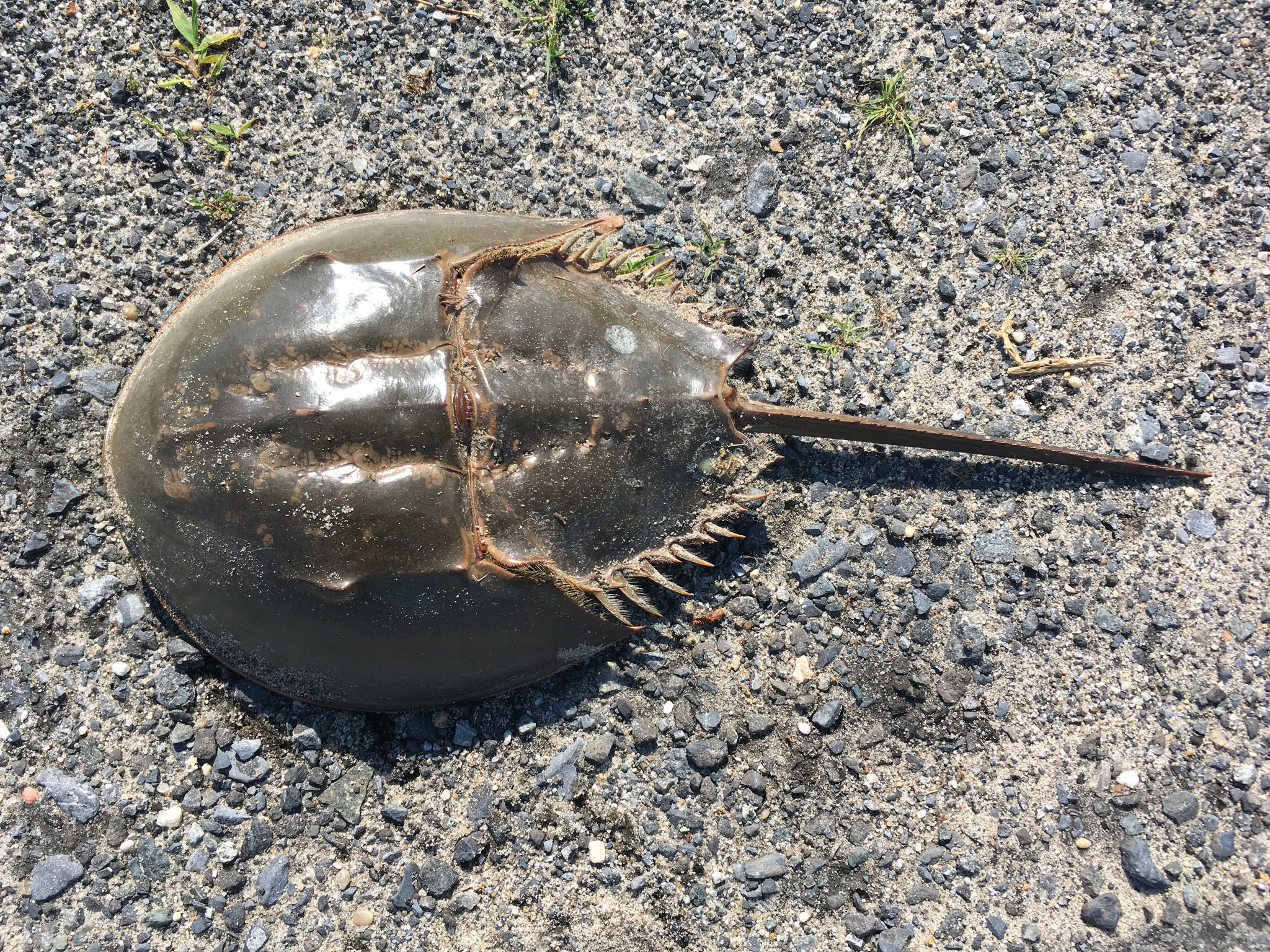
Horseshoe crabs, sharks, and crocodilians have also survived multiple extinctions, but each through different strategies. Horseshoe crabs persisted in stable marine environments. Crocodilians hid in water. Triops survived through dormancy, the ability to simply pause life until the catastrophe passes. Their body plan has barely changed in 200 million years because it did not need to. The notostracan blueprint was already optimized for a volatile world.
We are now in what scientists call the Sixth Mass Extinction, with species vanishing 100 to 1,000 times faster than the natural background rate. Triops remind us that in the long run, flexibility beats specialization, and the ability to wait may be the ultimate survival strategy. When you raise Triops at home, watching them hatch from dormant eggs, you are witnessing a survival blueprint that has outlasted empires, asteroids, and entire geological eras.