Published 2026-08-15 by the Triops.me Editorial Team · Back to Articles
Lystrosaurus: The Animal That Dominated After Earth's Greatest Extinction
Two hundred and fifty-two million years ago, something catastrophic happened on Earth. The Permian-Triassic extinction event, often called "The Great Dying," wiped out roughly 90 percent of all species and around 70 percent of terrestrial vertebrate species. The oceans were devastated even more severely. It was the worst mass extinction our planet has ever experienced, dwarfing even the asteroid impact that later killed the non-avian dinosaurs.
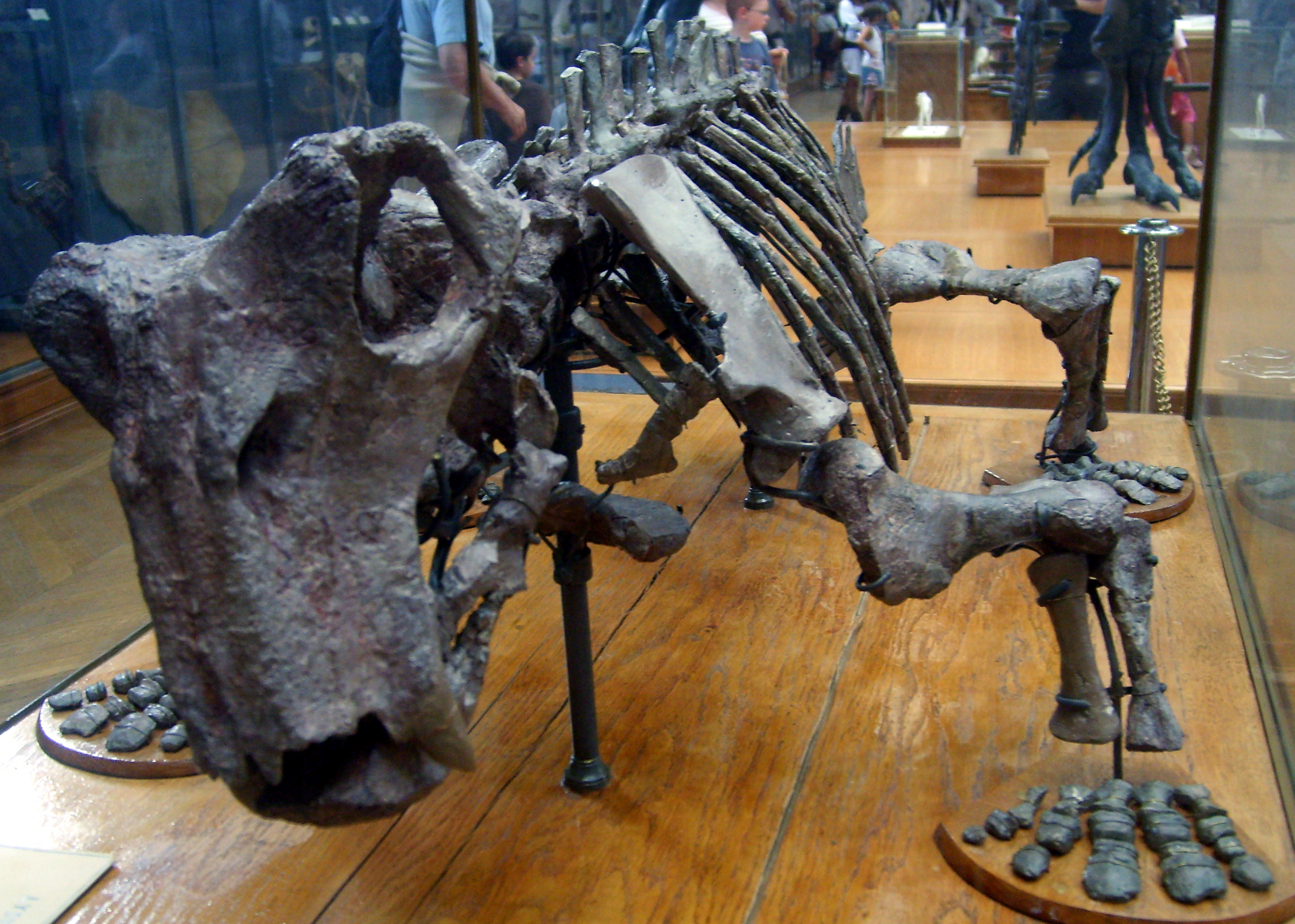
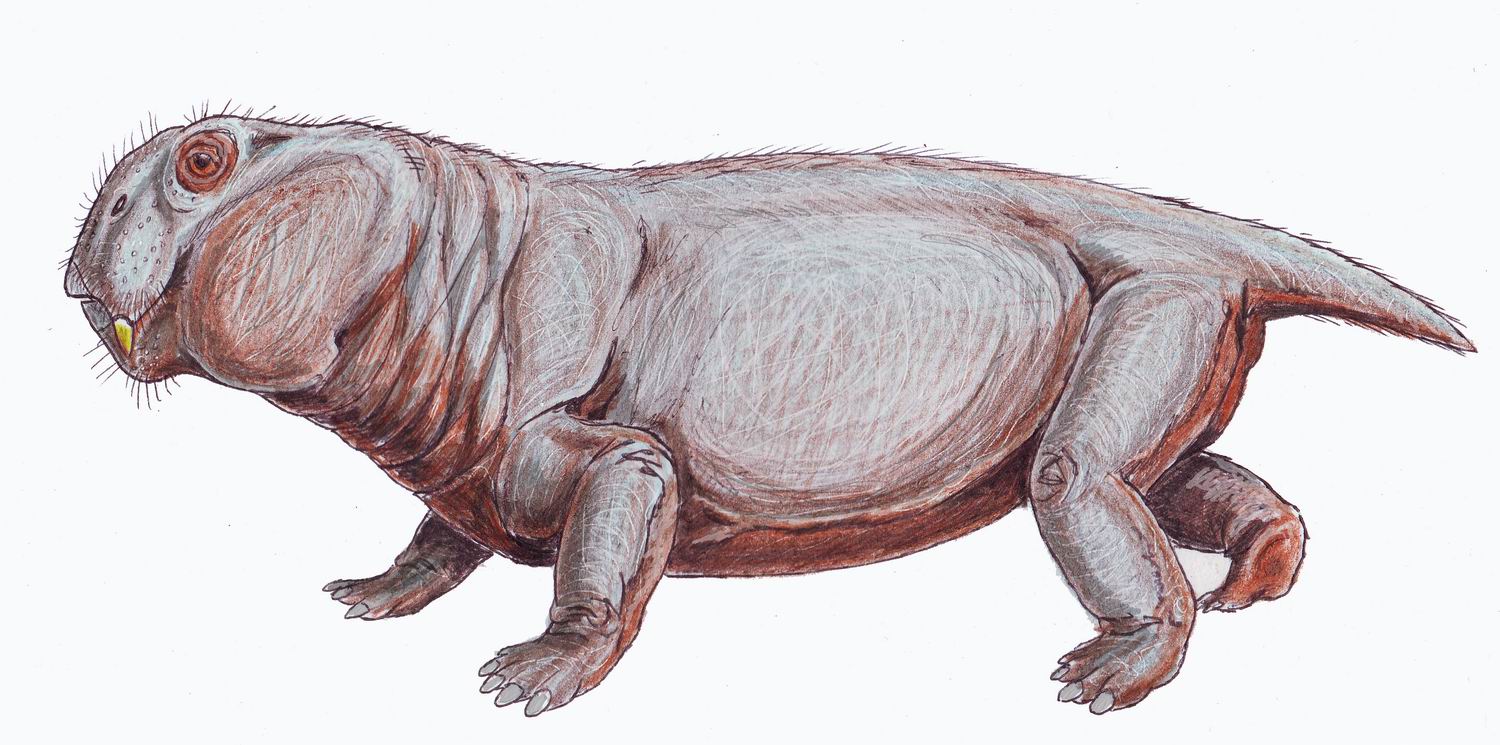
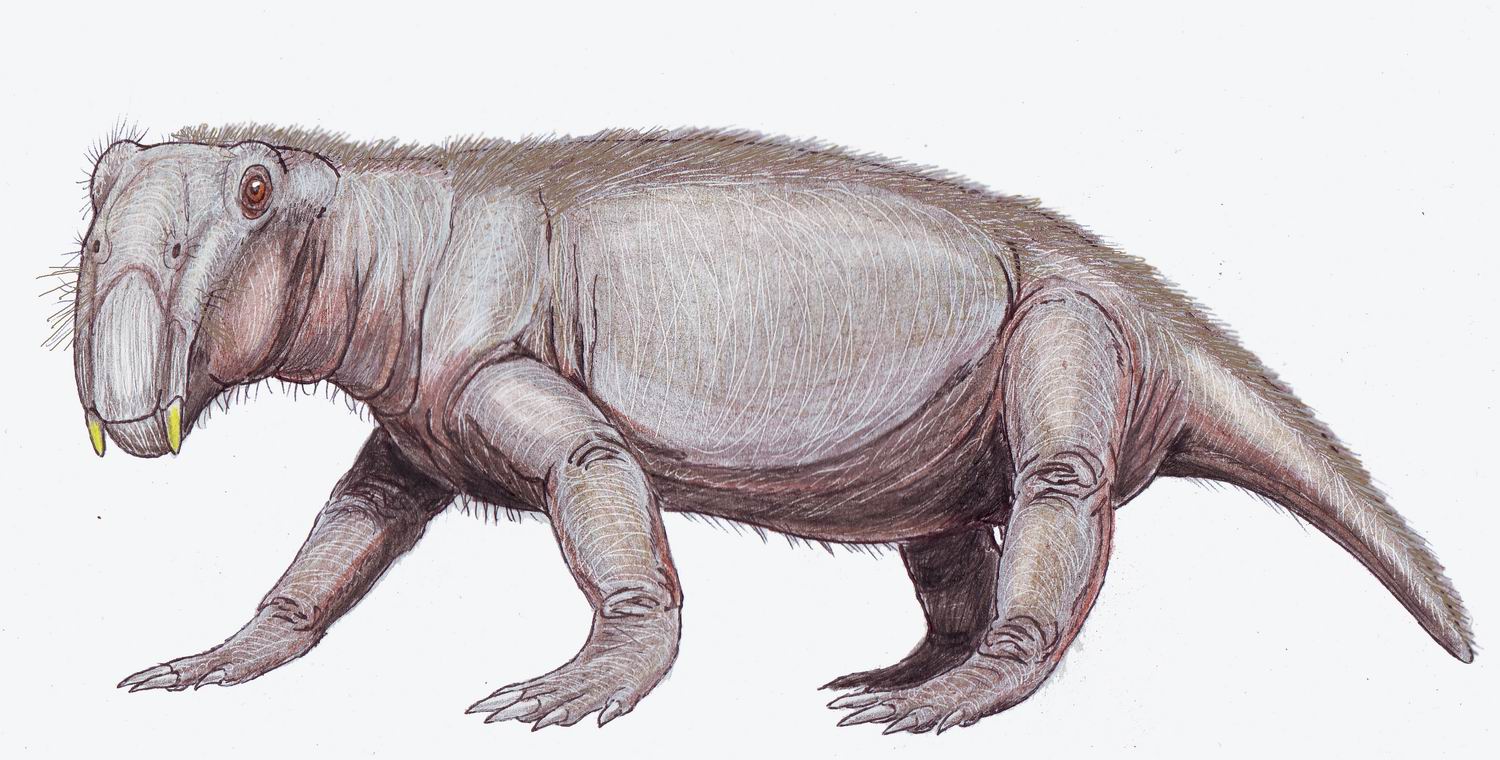
Yet from this devastation, one peculiar, pig-sized animal emerged not just alive, but absolutely triumphant. Lystrosaurus, a squat herbivorous therapsid with a barrel chest, two downward-curving tusks, and a turtle-like beak, went on to become the most dominant land animal in Earth's entire history. In some fossil beds from the Early Triassic, Lystrosaurus accounts for up to 95 percent of all individual land vertebrates. No single genus of land animal has ever dominated the planet to that extent, before or since.
What Was Lystrosaurus?
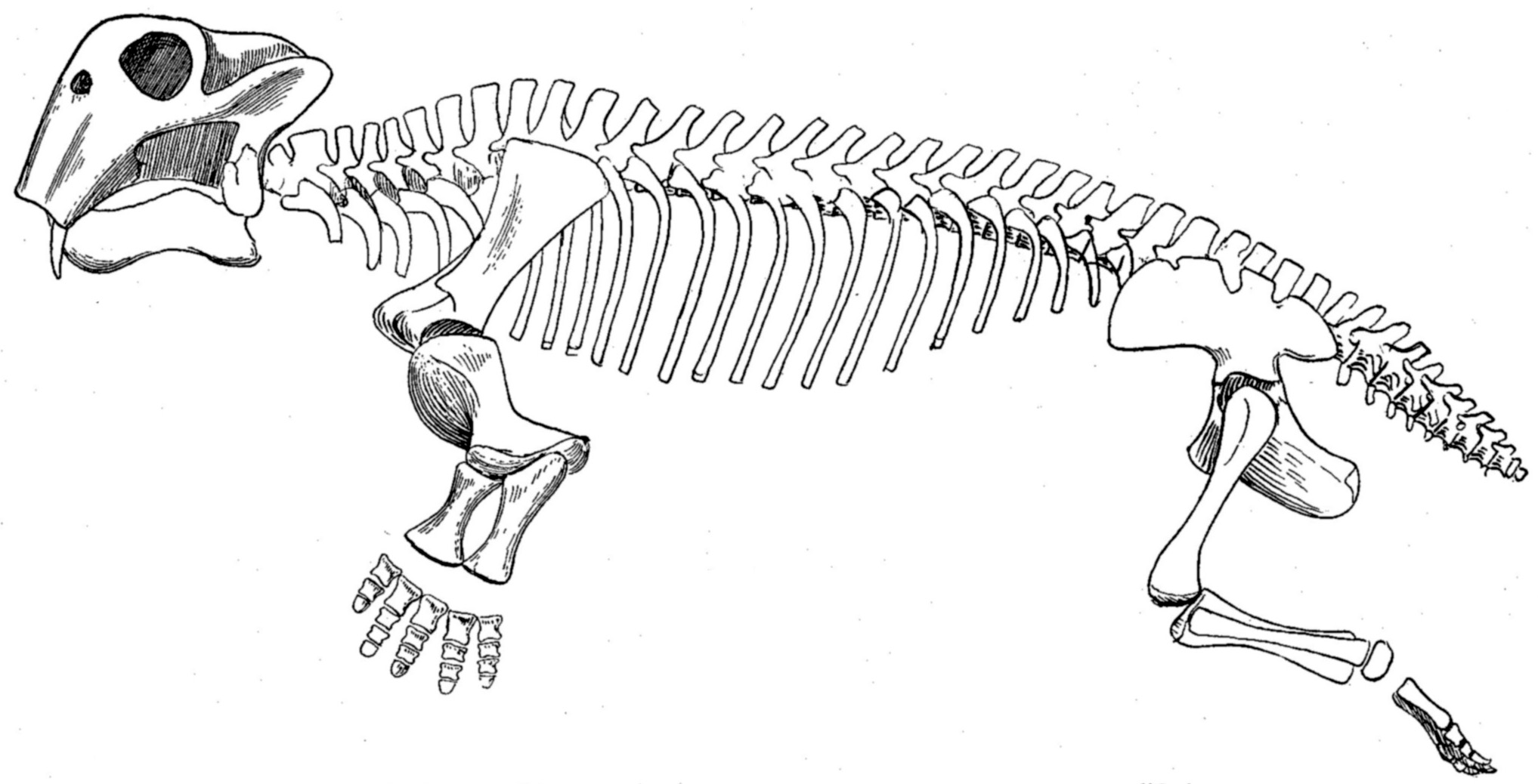
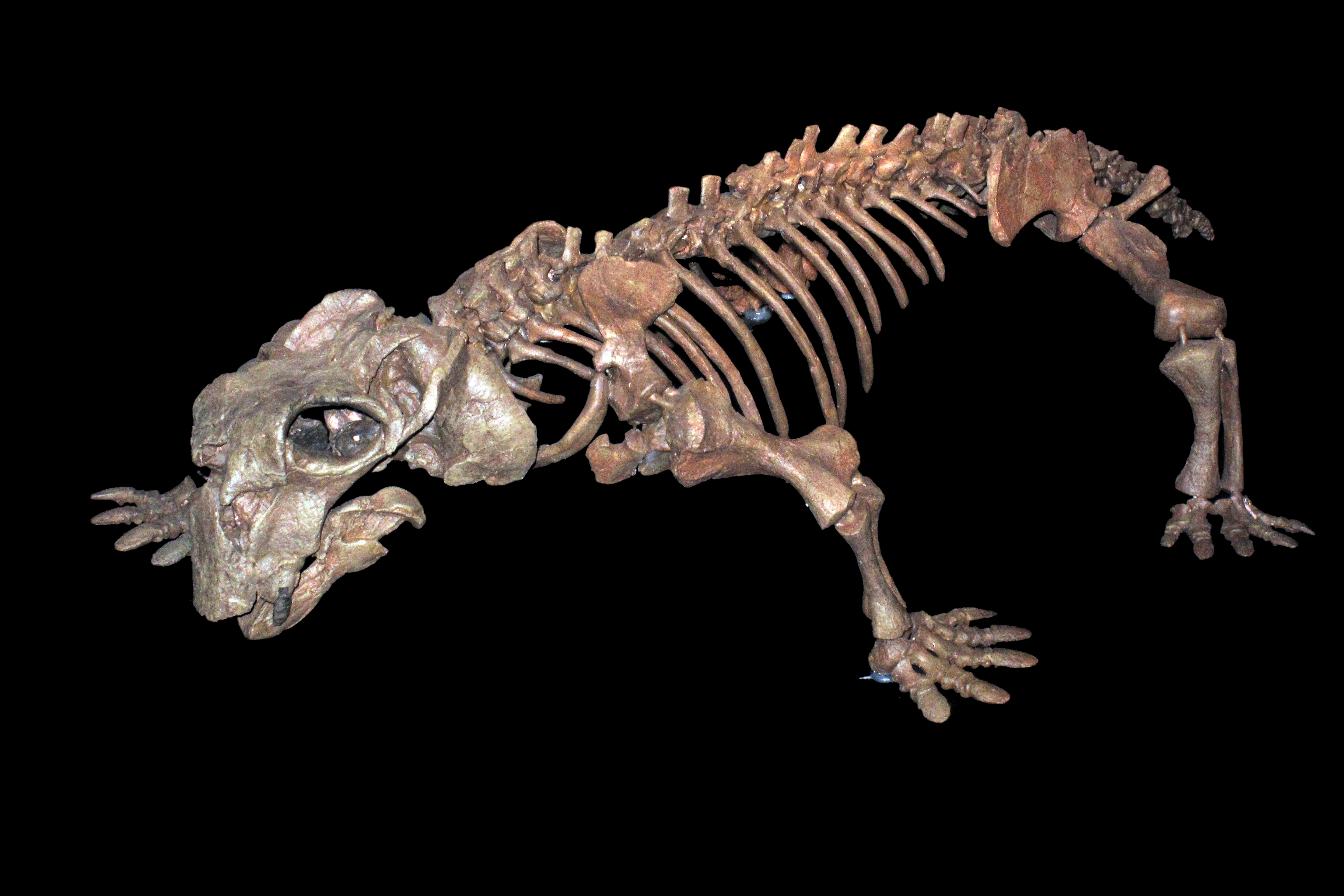
Lystrosaurus means "shovel lizard," a name that references its broad, flattened skull and the single pair of prominent tusks it used to dig and forage. It belonged to a group called dicynodonts, which were advanced therapsids, distant relatives of modern mammals rather than reptiles. Think of them as something between a tortoise and a mammal, but without any real modern analogue.
These animals were heavily built, with a compact body around one metre long. Their forelimbs were remarkably robust, even more so than their hind limbs, and the structure of their shoulder and hip joints suggests a semi-sprawling gait. They moved somewhat like modern lizards, but with more upright posture. Mummified specimens discovered in South Africa's Karoo Basin, described in 2022, revealed that Lystrosaurus had dimpled, leathery, hairless skin.
Several species are recognized today, ranging from the smaller, more generalized L. curvatus to the larger, more specialized L. maccaigi. Fossils have been found across what are now South Africa, India, China, Mongolia, Russia, and Antarctica, proving that this animal was spread across the supercontinent Pangaea.
Surviving the Great Dying
The Permian-Triassic extinction was triggered by massive volcanic eruptions in what is now Siberia, the Siberian Traps. These eruptions released enormous quantities of carbon dioxide and sulfur dioxide into the atmosphere, causing runaway greenhouse warming, ocean acidification, and widespread anoxia. The effects were apocalyptic: forests collapsed, coral reefs vanished, and most land vertebrate lineages went extinct.
Why did Lystrosaurus survive when so many others perished? Paleontologists have proposed several hypotheses, and the truth is likely a combination of factors. First, Lystrosaurus was an unspecialized generalist. Specialized animals tend to be more vulnerable during extinction events because they depend on specific ecological conditions. The larger, more specialized L. maccaigi did not survive the boundary, while the smaller, more adaptable L. curvatus crossed it.
Second, Lystrosaurus was a burrower. Specimens have been found preserved inside their burrows, and their powerful forelimbs suggest they were habitually fossorial. Burrowing provides shelter from extreme heat, cold, and even temporary drought. In the devastated Early Triassic landscape, this ability to retreat underground would have been a significant advantage.
Third, there is evidence that Antarctic populations of Lystrosaurus may have entered states of torpor or hibernation during the polar winter, as indicated by stress growth marks in their fossilized tusks. This metabolic flexibility would have allowed them to survive harsh seasonal conditions that killed less adaptable animals.
Finally, some researchers have pointed to a respiratory advantage. The extinction event drastically reduced atmospheric oxygen and increased carbon dioxide. Lystrosaurus had a barrel-shaped chest that may have accommodated unusually large lungs, and its anatomy suggests rapid breathing capabilities. Whether this adaptation directly enabled its survival remains debated, but it fits a picture of an animal built for tolerance.
A Global Fossil and a Proof of Plate Tectonics
Beyond its biological significance, Lystrosaurus played a key role in one of the greatest scientific debates of the twentieth century. When paleontologist Edwin Colbert discovered Lystrosaurus fossils in Antarctica in 1969 and 1970, it provided powerful support for the theory of plate tectonics. How else could the same pig-sized land animal have ended up in South Africa, India, China, and Antarctica? The answer was that these landmasses were once joined as the supercontinent Pangaea, and Lystrosaurus simply walked across them.
Fossils from the Karoo Basin of South Africa are the most numerous and best studied. Within the Lystrosaurus Assemblage Zone, these fossils are so abundant that they have allowed researchers to trace the genus across the Permian-Triassic boundary with remarkable precision. The species L. curvatus appears in sediments from just before and just after the extinction, making it a living marker for that catastrophic moment in Earth's history.
Complete ecological recovery from the Great Dying took approximately 30 million years, spanning the Early and Middle Triassic. During that extended recovery period, Lystrosaurus was king. It dominated landscapes that had been stripped bare by extinction, filling ecological space left vacant by the disappearance of hundreds of competing species. Only a few other therapsid genera, such as the therocephalians Tetracynodon and Moschorhinus, survived alongside it, but none approached its abundance.
Why Lystrosaurus Matters
Lystrosaurus offers a window into how life responds to catastrophe. Its story parallels, in some ways, the story of Triops, the tadpole shrimp. Both are survivors of mass extinction events. Both were generalists that thrived when more specialized competitors vanished. Both were "living fossils" in their own time, persisting with little change across millions of years.
But Lystrosaurus also teaches a humbling lesson. Despite its extraordinary success, it eventually faded away. By the Middle Triassic, new archosaur groups, the ancestors of dinosaurs, were rising. Competition, changing climates, and evolving ecosystems gradually displaced the shovel lizards from dominance. The lesson is clear: survival in the immediate aftermath of catastrophe does not guarantee permanence.
As paleontologist Michael Benton put it, "Perhaps the survival of Lystrosaurus was simply a matter of luck." In the chaos of the Great Dying, where the rules of ecology were rewritten overnight, luck and flexibility were enough to make one small animal the most successful land vertebrate in the history of our planet.