Published August 27, 2026, 10:21 by the Triops.me Editorial Team · Back to Articles
Megalania: The Giant Monitor Lizard of Australia
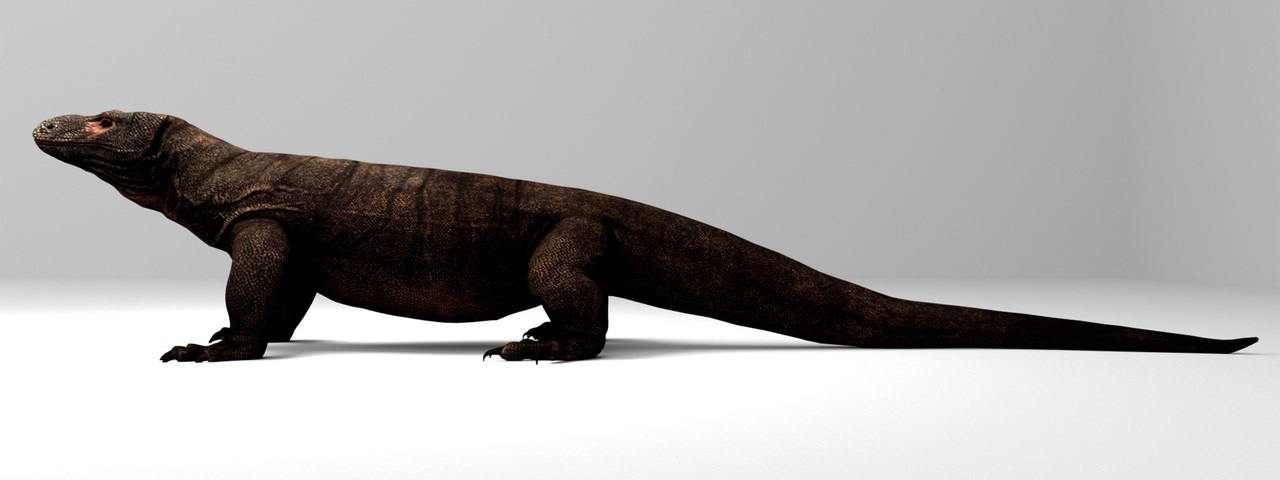
Imagine encountering a lizard longer than a car, heavy enough to pin down a kangaroo, and armed with serrated teeth designed to shred flesh. That was Megalania prisca, the largest terrestrial lizard ever to walk the Earth. Roaming the Australian outback between roughly 1.6 million and 50,000 years ago, this colossal reptile shared its landscape with giant marsupials, massive flightless birds, and, toward the very end of its existence, the first human settlers of the continent.
Megalania belongs to the genus Varanus, the same group that includes today's Komodo dragon, the perentie of central Australia, and over 80 other living monitor species. But scale up a Komodo dragon by two to three times, give it thicker limbs, a heavier skull, and a more robust build, and you begin to approach what Megalania was. Some paleontologists estimate it reached 5 to 7 meters in length and weighed between 300 and 600 kilograms, though the fragmentary nature of the fossil record means exact figures remain debated.
A Fossil Record Written in Bone Fragments
Unlike dinosaurs, whose skeletons can fill museum halls, Megalania is known primarily from isolated bones and teeth scattered across southeastern Australia. The first fossils were described by Sir Richard Owen in 1859, the same naturalist who coined the word "dinosaur." Owen initially placed the material in the genus Megalania, meaning "great runner," though modern taxonomists now classify the species as Varanus priscus, situating it firmly within the living monitor lizard lineage.
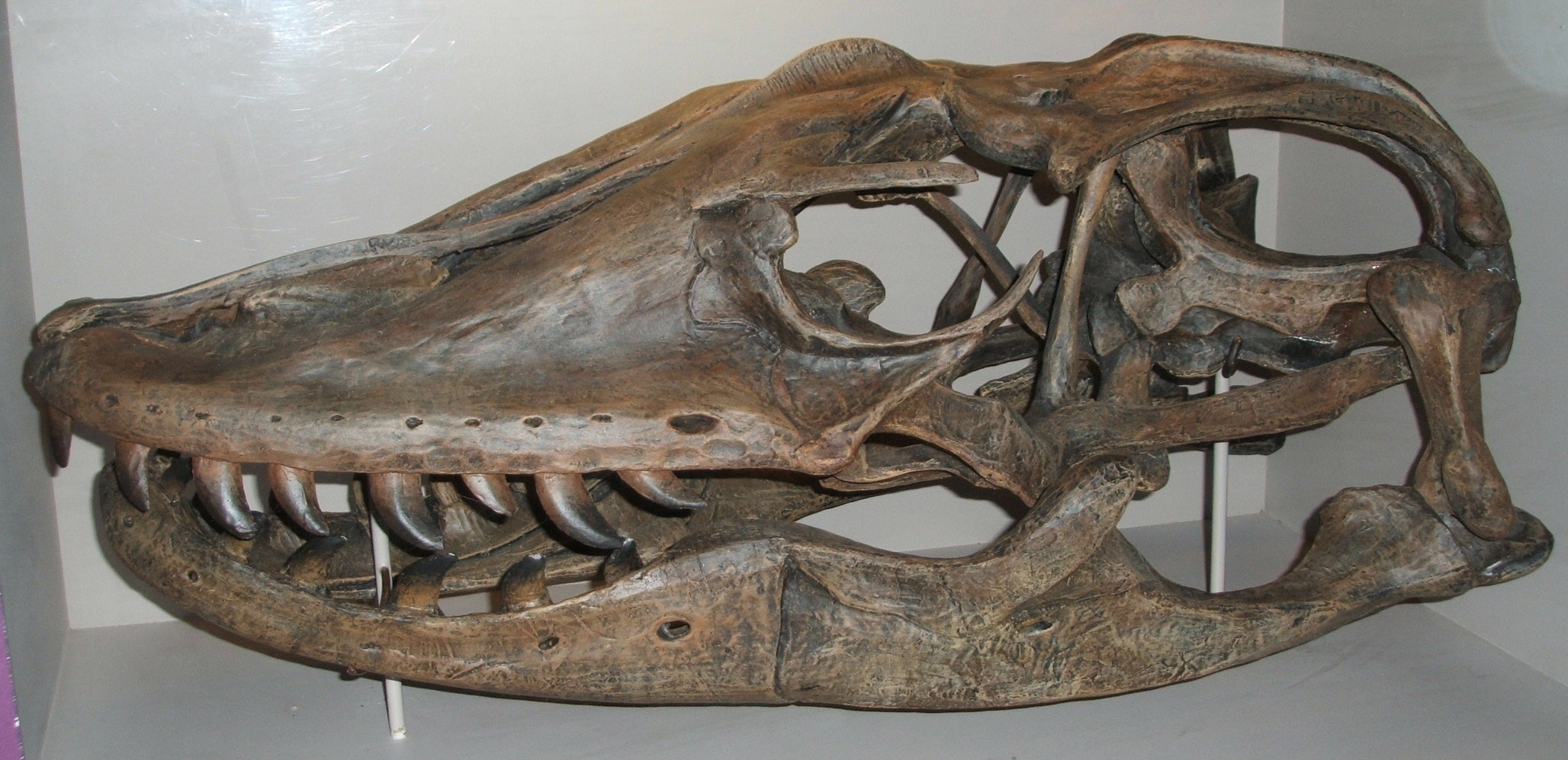
The best-preserved specimens are jaw fragments and vertebrae recovered from cave deposits in Victoria and New South Wales. At Naracoorte in South Australia, a World Heritage fossil site, Megalania bones have been found alongside those of Diprotodon, the largest marsupial ever to live, and Thylacoleo carnifex, the fearsome marsupial lion. These associations paint a picture of an ecosystem dominated by enormous herbivores and their equally imposing predators.
The scarcity of complete skeletons is itself informative. Megalania likely spent much of its life in open woodland and semi-arid environments where conditions for fossilization were poor. The bones that do survive tend to come from cave systems where animals fell in and were protected from erosion. This taphonomic bias means we are almost certainly underestimating both the size and range of this species.
Hunting in a Land of Giants
Megalania occupied the role of apex terrestrial predator across much of Pleistocene Australia, a position no modern Australian reptile comes close to filling. Its prey base included a parade of megafauna that vanished at the end of the Ice Age: giant short-faced kangaroos (Sthenurus), the stocky Procoptodon with its single enormous claw, wombat relatives the size of small cars, and juvenile Diprotodon that would have provided enormous caloric payoffs.
The hunting strategy of Megalania likely resembled that of modern Komodo dragons, albeit on a grander scale. Komodo dragons are ambush predators that rely on explosive short-distance speed, powerful jaws, and in some cases venom to subdue prey. Biomechanical studies of Megalania's limb proportions and skull architecture suggest it was a similar kind of predator, perhaps more of a stalk-and-ambush hunter than a pursuit runner. Its robust limbs indicate considerable power, while its serrated, blade-like teeth were ideal for gripping and tearing flesh from large, struggling prey.
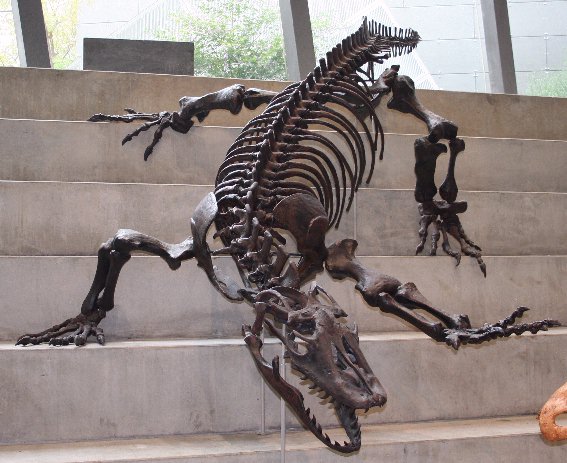
One of the most provocative questions surrounding Megalania is whether it produced venom. In 2009, a research team led by Bryan Greer proposed that monitor lizards, including the Komodo dragon and by extension Megalania, possess venom glands connected to grooved teeth. If correct, this would mean that Megalania delivered not just mechanical damage from its bite but also a cocktail of toxins that lowered blood pressure, prevented clotting, and induced shock in its victims. A venomous bite from a six-meter predator would have been devastating to even the largest Pleistocene megafauna.
Coexisting with Humans
The timeline of Megalania's disappearance overlaps with the arrival of Aboriginal Australians on the continent, approximately 65,000 years ago according to current archaeological evidence. While Megalania fossils younger than about 50,000 years have not been confirmed, the two species shared the landscape for at least 15,000 years, and possibly longer.
Aboriginal oral traditions from multiple language groups contain references to giant lizards that match the description of Megalania. The Gunditjmara people of western Victoria tell stories of a massive reptile called Dheerung that hunted along riverbanks. While oral traditions are not fossil evidence, the consistency of these accounts across geographically separated groups has led some researchers to take them seriously as cultural memories of a real animal encountered by early Australians.
The question of whether humans hunted Megalania, were hunted by it, or simply coexisted remains open. At the size estimates most commonly cited, an adult Megalania would have been a dangerous adversary for a band of hunters armed with wooden spears. More likely, humans preyed on juveniles, competed for the same large herbivore carcasses, and avoided adult Megalania much as rural Australians today give wide berth to saltwater crocodiles.
Why Did Megalania Vanish?
The extinction of Megalania around 50,000 years ago is part of a broader pattern of megafaunal loss across Australia during the late Pleistocene. At least 88 species of Australian megafauna disappeared during this window, including the giant wombat Diprotodon, the marsupial lion Thylacoleo, and the enormous flightless bird Genyornis. The causes are likely a combination of factors: gradual aridification of the continent, changing fire regimes initiated by human arrival, and direct or indirect human predation on the large herbivores that formed Megalania's prey base.
As a high-level predator, Megalania would have been especially vulnerable to disruptions in the food web. Remove enough large herbivores, and the ecosystem simply cannot support a six-meter carnivorous lizard. This pattern, known as trophic cascade extinction, has been documented in modern ecosystems as well. When humans removed large herbivores from mainland Australia, predators like Megalania lost their ecological foothold.
Island populations may have persisted slightly longer. Some researchers have suggested that Megalania survived on offshore islands until more recently, as has been documented for other Australian megafauna. However, no confirmed island specimens have been found, and this remains speculative.
Megalania's Living Legacy
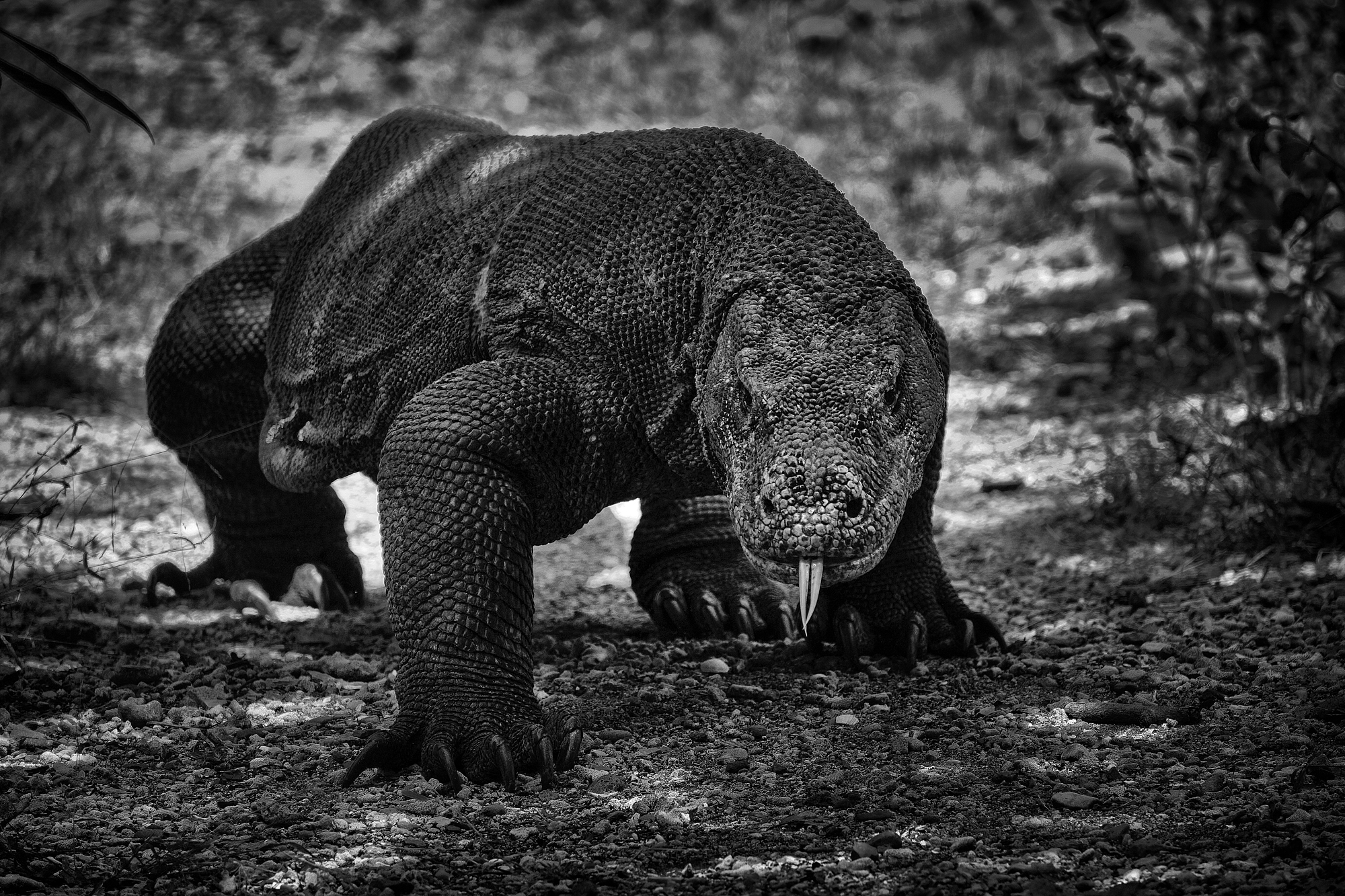
Today, the closest living analogue to Megalania is the Komodo dragon (Varanus komodoensis) of Indonesia, which reaches about 3 meters in length. In Australia itself, the perentie (Varanus giganteus) is the largest surviving monitor, growing up to 2.5 meters. Both species share the same basic body plan, hunting strategies, and even aspects of their venom system that Megalania likely possessed.
Studying these living monitors gives paleontologists a window into how Megalania may have behaved, reproduced, and interacted with its environment. The thermoregulatory behavior of Komodo dragons, their nesting habits, their seasonal activity patterns, and their social dynamics all provide testable hypotheses about the life of their enormous extinct cousin. In this sense, Megalania is not entirely gone. Its ecology lives on in the monitors that inherited its world.
Perhaps the most remarkable aspect of Megalania is how recently it vanished. Fifty thousand years is a blink in geological time. Early humans painted on cave walls in France while Megalania still stalked the Australian outback. If the climate had been slightly different, or if human arrival had been delayed by a few tens of thousands of years, we might share the planet with this extraordinary animal today. Instead, we have only bones, stories, and the Komodo dragon to remind us of what the land of the Southern Cross once held.