Published August 22, 2026, 11:57 by the Triops.me Editorial Team · Back to Articles
Megalodon: The Largest Shark That Ever Lived
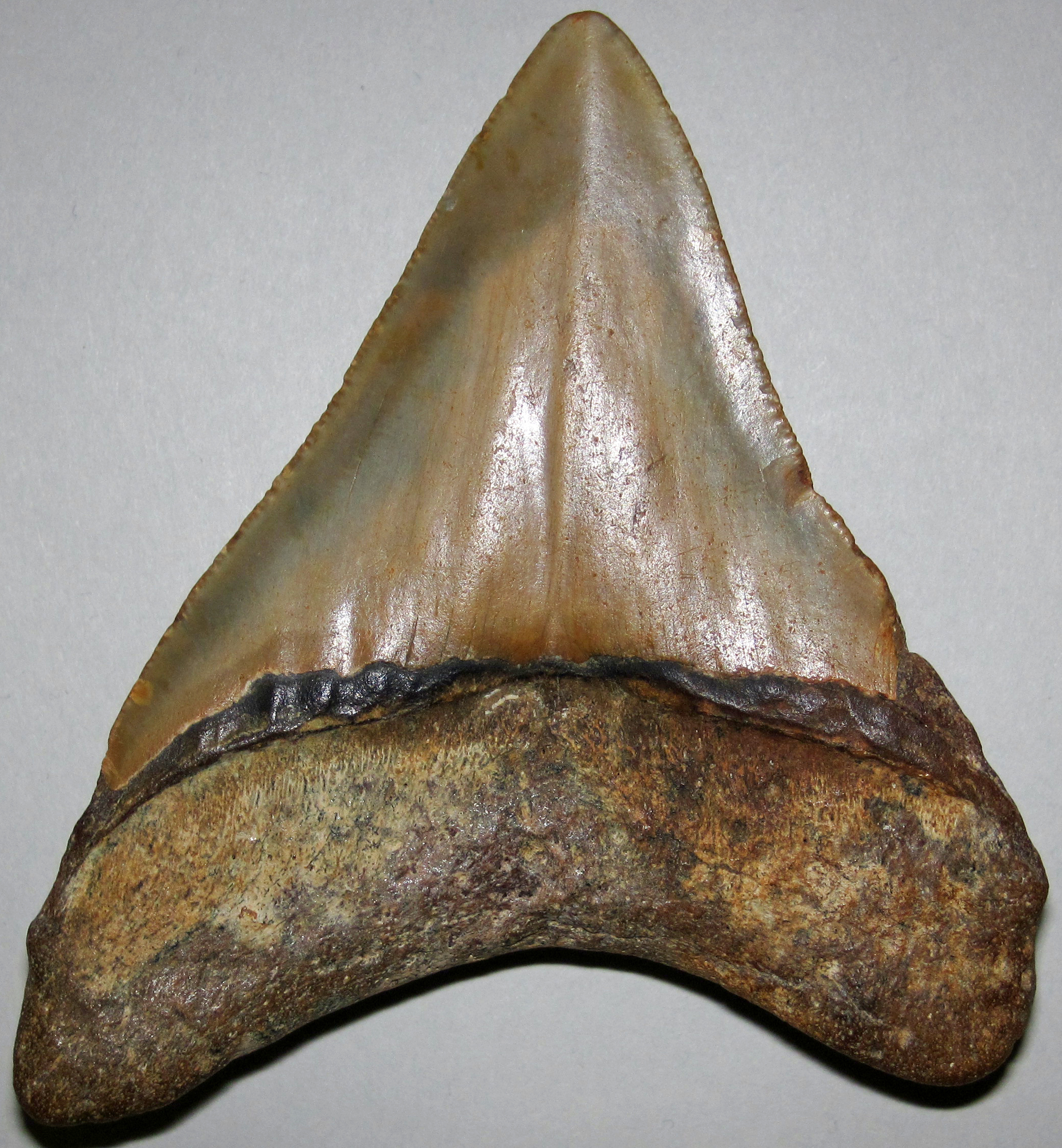
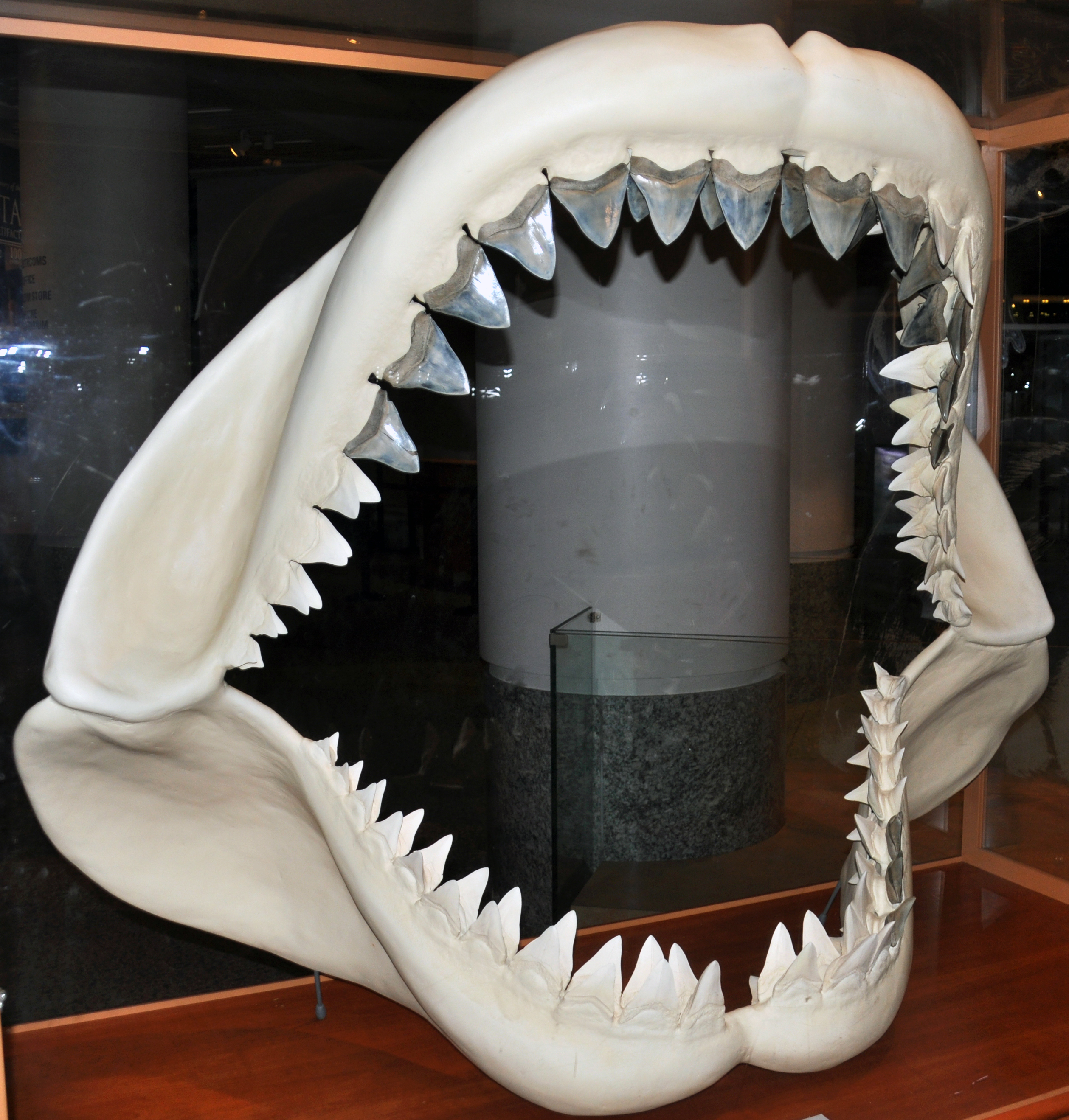
For roughly 13 million years, from the early Miocene to the end of the Pliocene, one predator dominated every ocean on Earth. Otodus megalodon, commonly known as Megalodon, was the largest shark ever to live, reaching estimated lengths of 15 to 18 meters. That is roughly the length of a city bus, and it propelled itself through the water with a jaw lined with serrated teeth the size of a human hand.
Fossil evidence tells the story. Megalodon teeth have been found on every continent except Antarctica, from coastal North Carolina to the rivers of inland Japan. The teeth are the primary fossil record, because like all sharks, Megalodon had a skeleton made of cartilage rather than bone. Cartilage rarely preserves, but teeth, dense with enamel, fossilize beautifully. A single Megalodon tooth can measure over 18 centimeters along its slant height, and they are among the most sought-after fossils in the world.
Size and Power
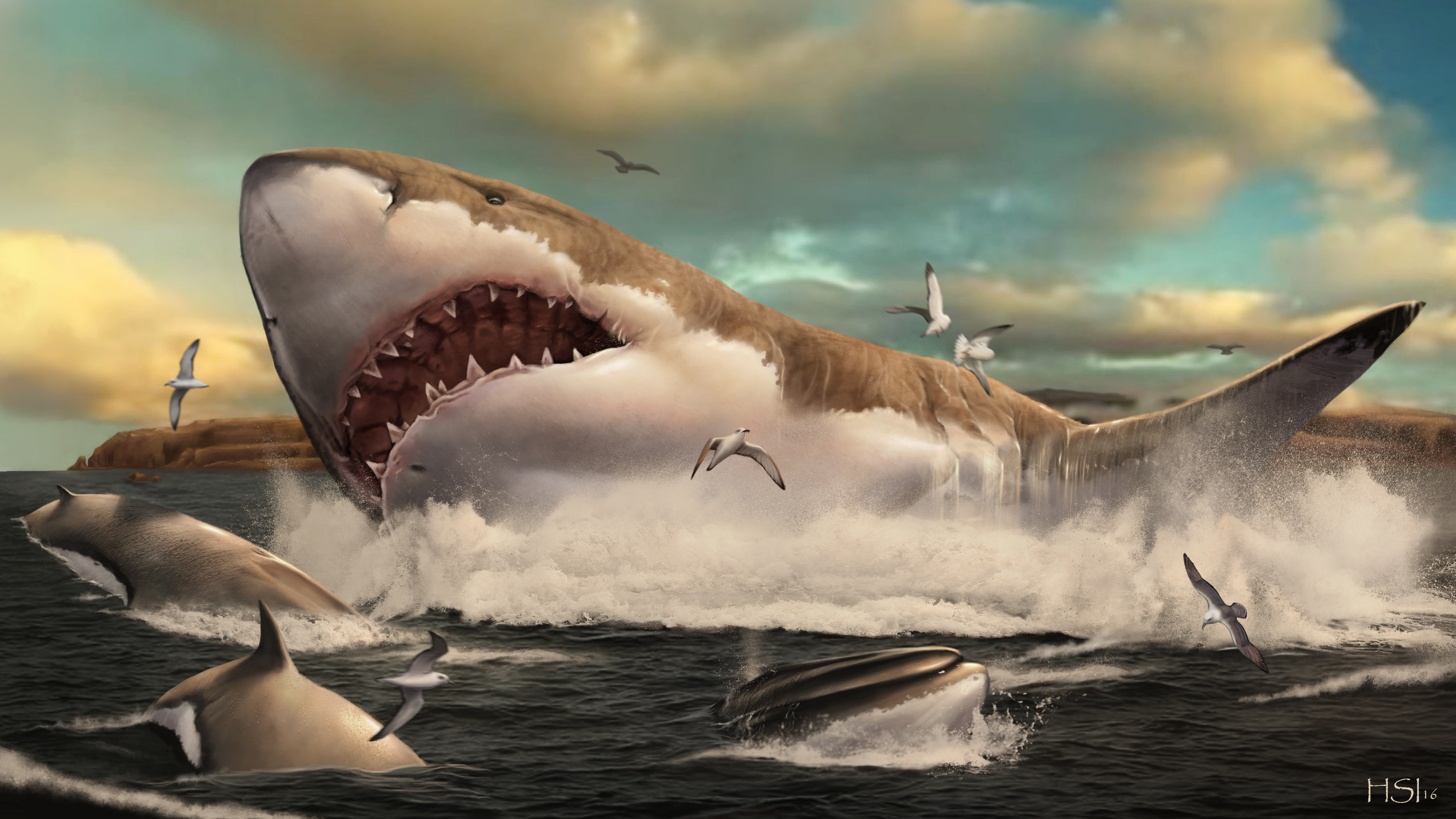
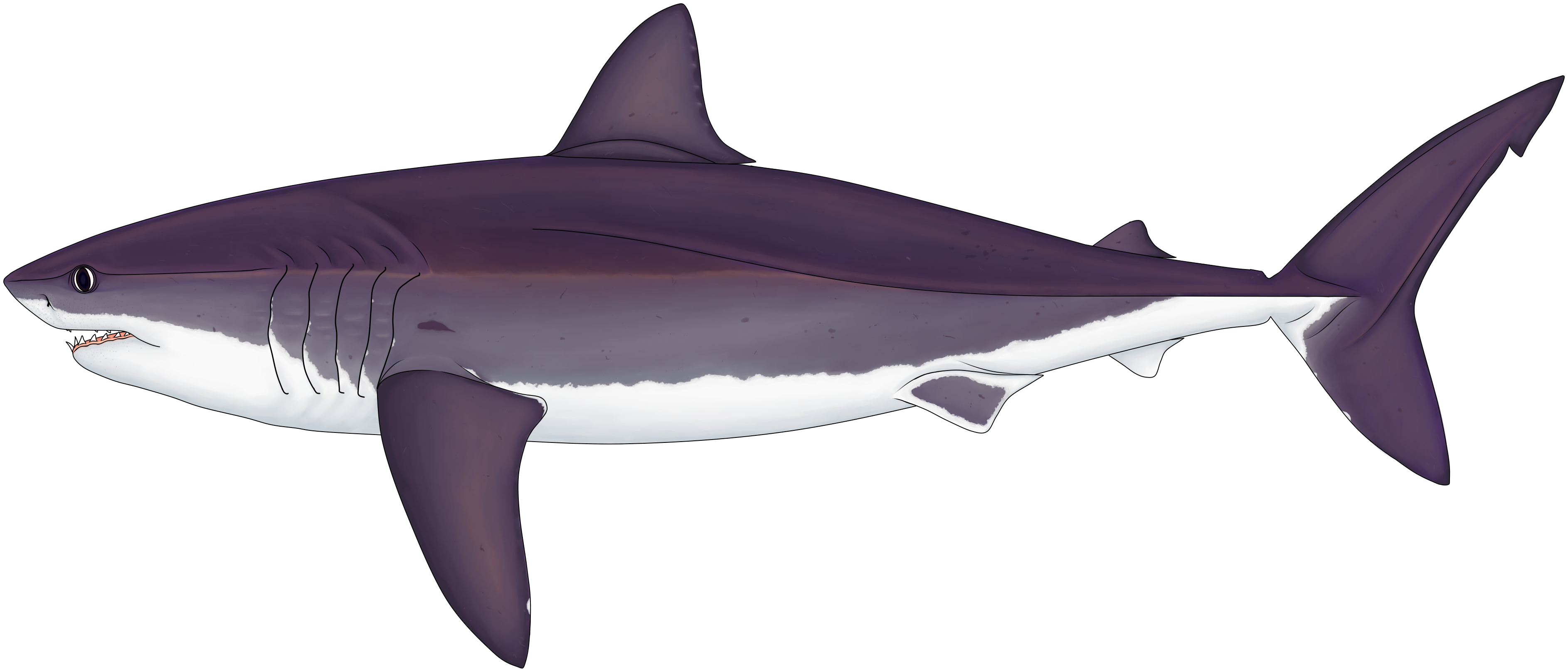
Estimating the size of an extinct animal from teeth alone is challenging, but paleontologists have refined their methods over the decades. The most common approach uses the relationship between tooth size and body length observed in modern great white sharks, scaled up to Megalodon's proportions. The latest estimates, published in 2022, suggest adult Megalodon measured between 15 and 18 meters, with a body mass that could exceed 50 metric tons. That would make it roughly three times longer and over ten times heavier than a modern great white shark.
The bite force of Megalodon is estimated at 108,000 to 182,000 newtons, far surpassing any living predator. For comparison, a modern great white generates about 18,000 newtons. Megalodon needed this power because its primary prey were large marine mammals, including early baleen whales and giant sea cows. Fossilized whale bones bearing Megalodon tooth marks confirm that these sharks actively hunted and butchered enormous prey.
Hunting the Ancient Oceans
Megalodon lived during a warm period in Earth's history, when shallow, productive seas covered areas that are now dry land. The Zakynthos formation in Greece, the Bone Valley in Florida, and the Pisco Formation in Peru all preserve rich marine ecosystems where Megalodon hunted alongside other formidable predators. One of its contemporaries was Cretoxyrhina, a massive Cretaceous shark sometimes called the "Ginsu shark" for the clean cuts it left on fossil prey. While Cretoxyrhina predated Megalodon by several million years, both occupied the same ecological role as apex marine predators in their respective eras.
Megalodon's hunting strategy likely involved targeting the flippers and tails of large whales, immobilizing them before delivering fatal bites to the torso. This approach is seen in modern great white sharks attacking elephant seals, though scaled up dramatically. Bite marks on Pliocene whale vertebrae show healed injuries, suggesting some prey survived Megalodon attacks. These survivors would have carried the scars for life, a testament to the brutal arms race between predator and prey in ancient seas.
Why Did Megalodon Go Extinct?
Megalodon vanished roughly 3.6 million years ago, around the end of the Pliocene. The causes are debated, but a combination of factors likely sealed its fate. Global ocean temperatures dropped as Antarctica's ice sheet expanded, altering the distribution of the warm, shallow seas Megalodon preferred. Its primary prey, small to medium baleen whales, migrated toward cooler polar waters where Megalodon, adapted to tropical and subtropical conditions, could not follow.
Competition also played a role. The ancestors of modern great white sharks appeared in the fossil record around 4 million years ago, roughly when Megalodon declined. While great whites were much smaller, they were faster, more agile, and better adapted to cooler waters. They may have outcompeted juvenile Megalodon for food, creating a bottleneck in the population that adults could not sustain.
Finally, sea levels dropped dramatically during the late Pliocene, draining the shallow continental shelves where Megalodon likely gave birth and where juveniles grew in relative safety from adult predators. With fewer nursery habitats and declining prey, the population contracted and ultimately disappeared.
Megalodon's Living Relatives
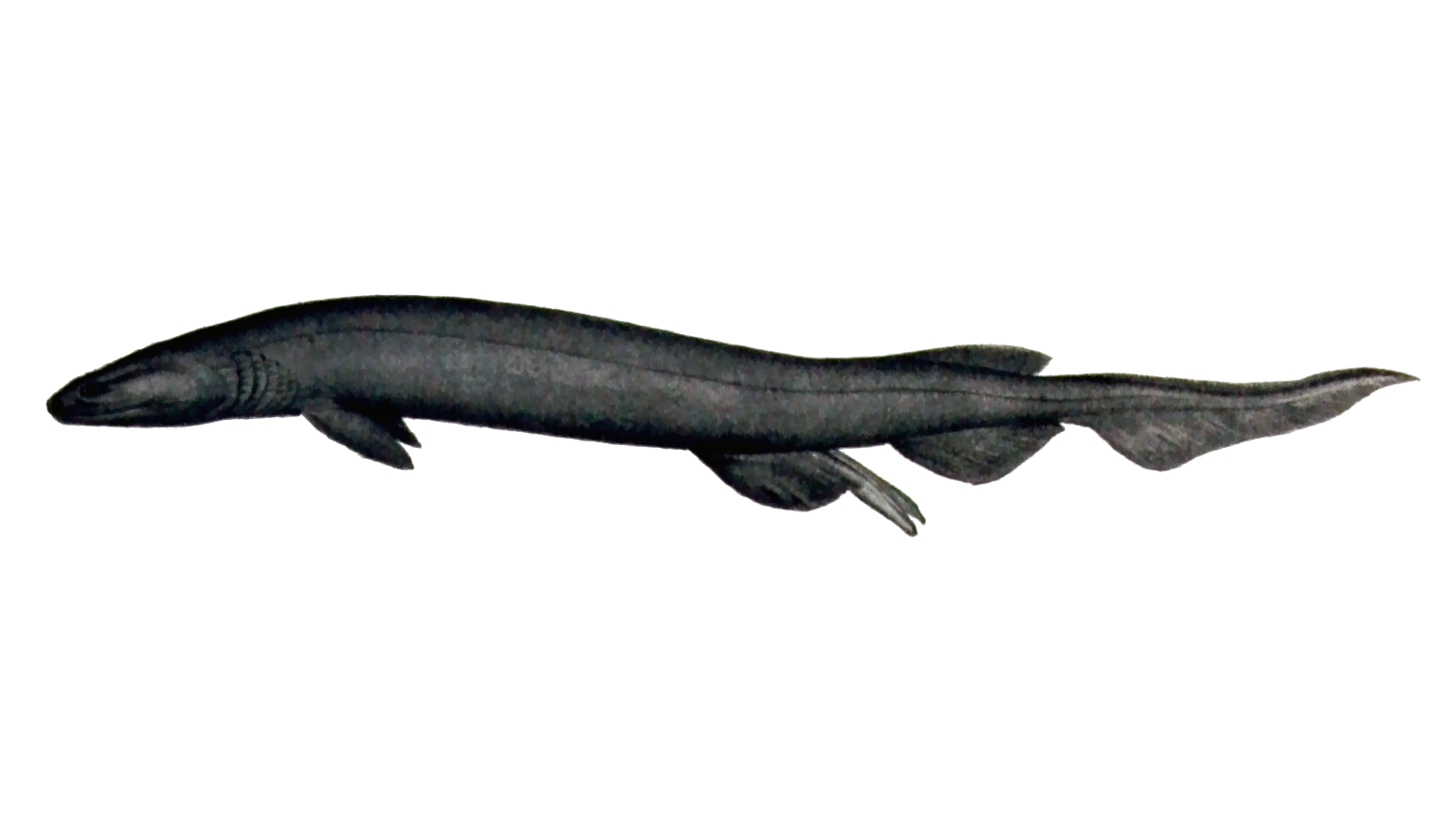
While Megalodon itself left no direct descendants, the broader lineage of mackerel sharks persists today. The frilled shark, Chlamydoselachus anguineus, inhabits deep waters worldwide and retains a body plan that has changed little over hundreds of millions of years. It is sometimes called a living fossil, though that term oversimplifies a complex evolutionary history. What matters is that the ocean still harbors creatures with deep roots in the age of Megalodon.
The white shark, Carcharodon carcharias, is more commonly cited as Megalodon's spiritual successor. Though recent genetic studies have clarified that the great white is more closely related to mako sharks than to Megalodon, both share the same ecological niche as large, warm-water apex predators. The great white's success across all major oceans suggests that the role Megalodon once filled has not gone unfilled for long.
What Megalodon Teaches Us
Megalodon reminds us that size and power are not permanent shields against extinction. The largest shark ever to live could not withstand the combined pressures of climate change, shifting prey, and new competitors. Its story is a cautionary parallel to the challenges facing modern marine megafauna, from great white sharks to blue whales. The oceans change, and the creatures in them must change too, or they disappear.
Every Megalodon tooth pulled from a riverbed or a cliff face is a fragment of that story, a small piece of enamel that once belonged to an animal capable of swallowing a car whole. The teeth are all that remain, but they speak volumes about an ocean that no longer exists.