Published 2026-09-11 · by the Triops.me Editorial Team · Back to Articles
Nautilus: The Last Shelled Cephalopod
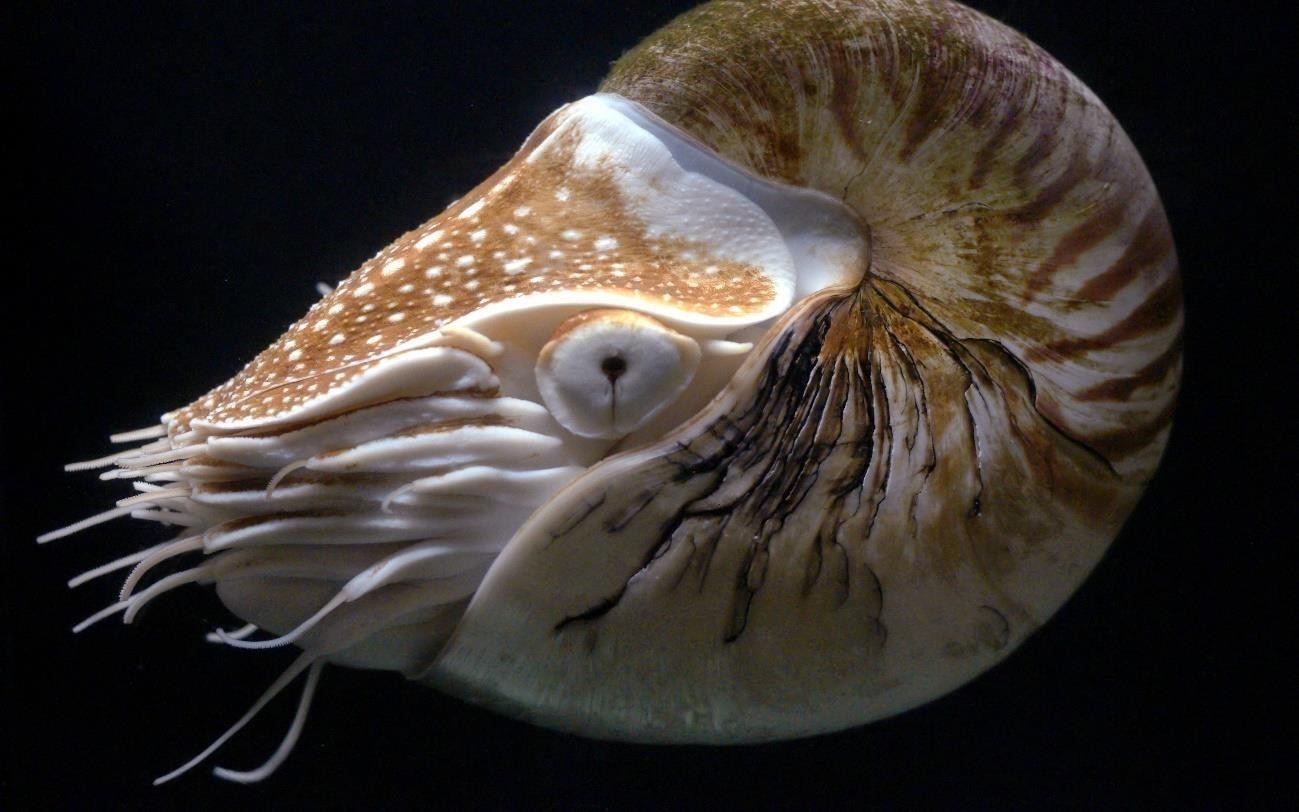
Half a billion years ago, the oceans belonged to animals with shells. Snails, clams, brachiopods, and above all the cephalopods: squid-like hunters who carried their homes on their backs and used those homes as weapons of war. Today, almost all of that world is gone. Squid and octopus abandoned their shells long ago. The ammonites, the most successful shelled dynasty of all, died out with the dinosaurs. Only one animal still carries the old banner. It is the nautilus, and it is the last shelled cephalopod on Earth.
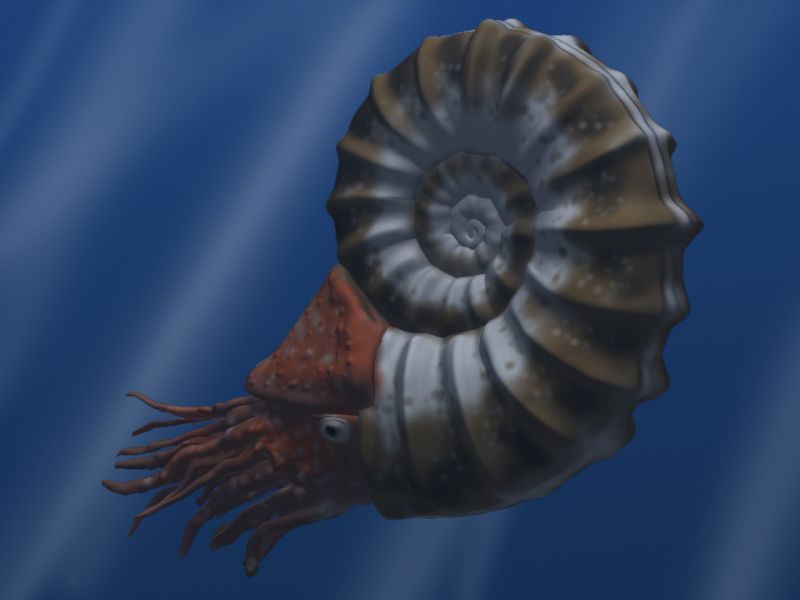
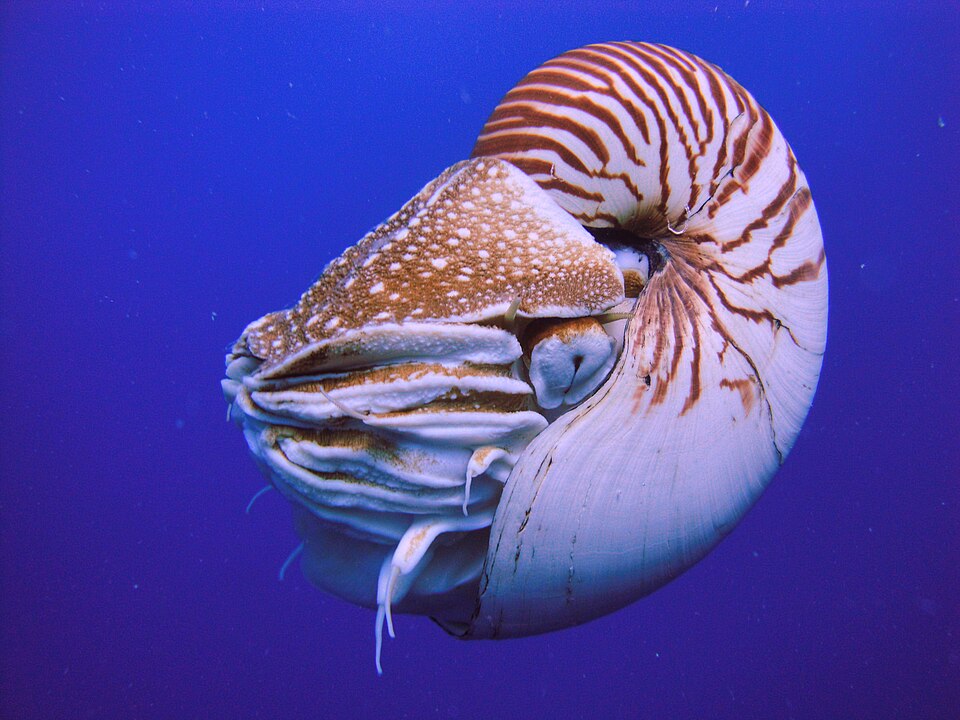
At first glance, a nautilus looks like an ammonite that never got the memo about the extinction. The spiral shell is there, striped in cream and brown, perfectly coiled like a mathematical curve made flesh. But the resemblance is a family one, not an identity. The nautilus is not a surviving ammonite. It is a member of a separate, older lineage that has been paddling through the deep ocean since before the ammonites even evolved their famous coiled shells. When the asteroid fell and the ammonites vanished forever, the nautilus simply carried on.
The Shell as a Submarine
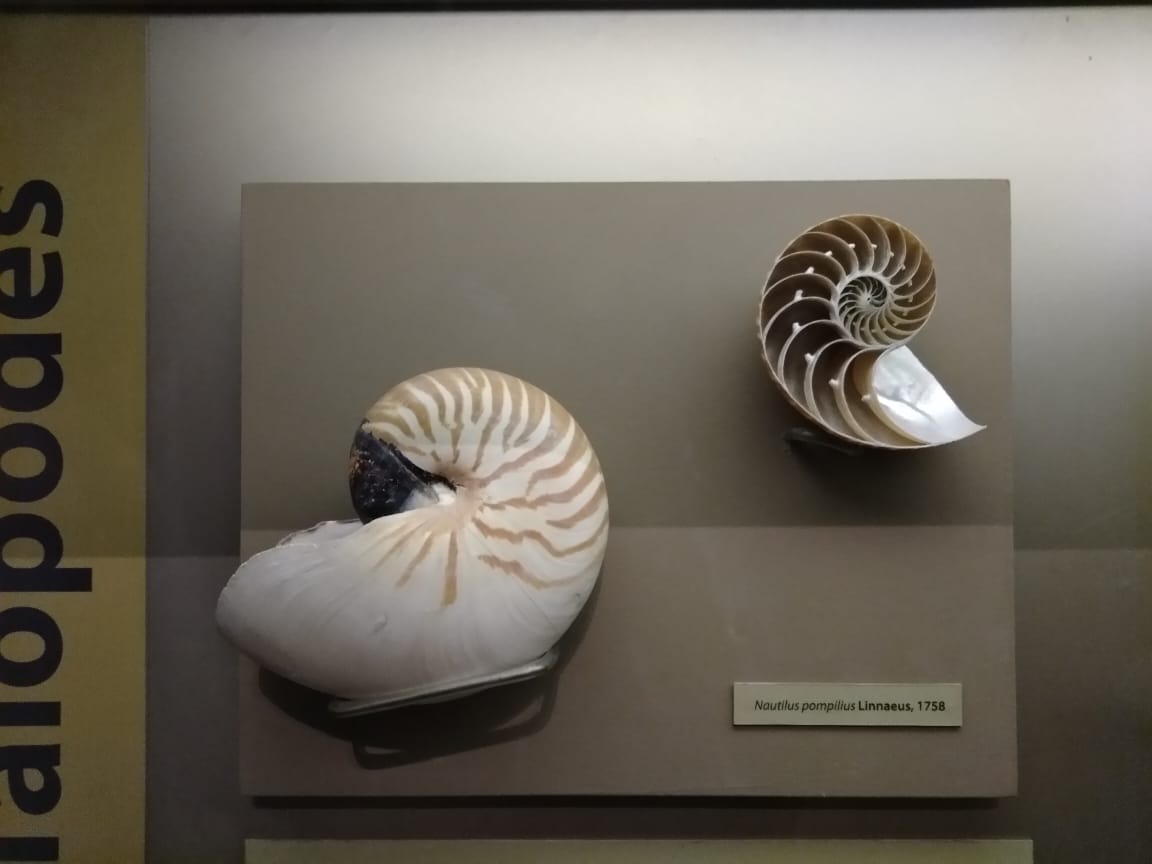
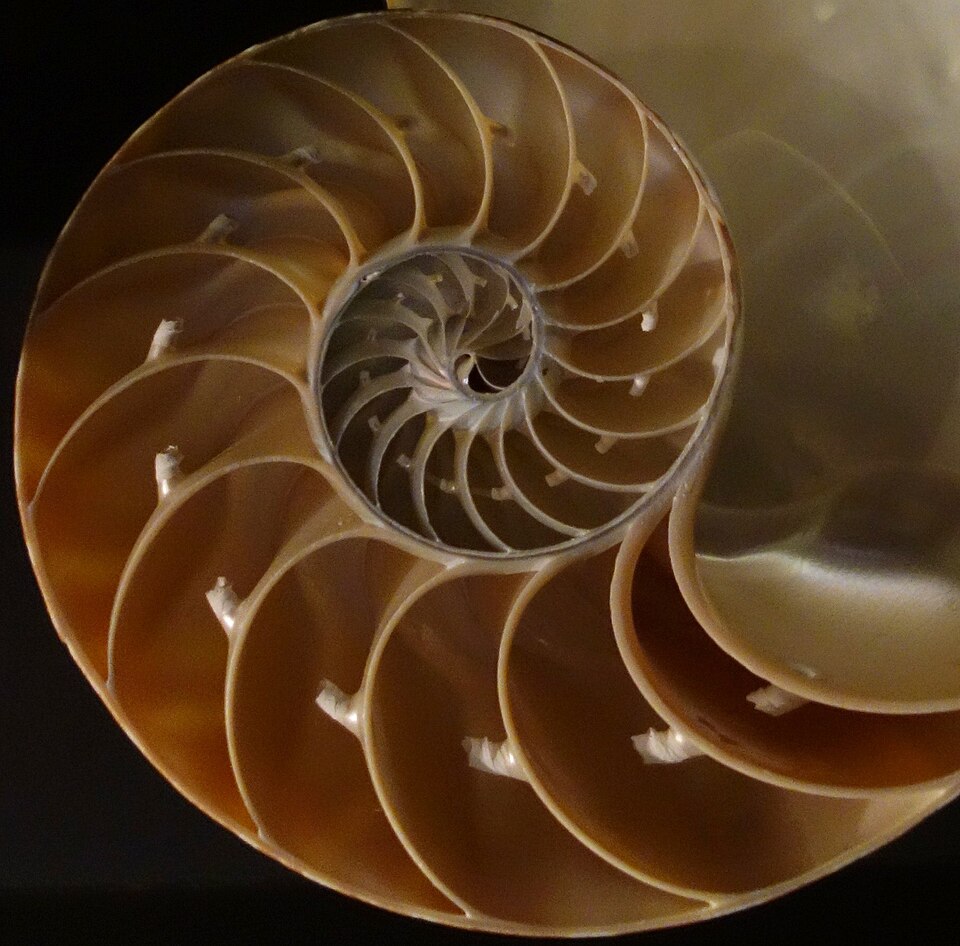
The nautilus shell is one of the great pieces of engineering in the natural world, and the nautilus itself is one of the great pieces of patience. Cut a shell in half and you see why. The spiral is not solid. It is divided into dozens of sealed chambers, each one connected to the next by a thin tube of living tissue called the siphuncle. The animal lives in only the largest and newest chamber. All the others are ballast tanks.
By pumping fluid out of a chamber and replacing it with gas, the nautilus can adjust its buoyancy and hang in the water column without effort. By pumping fluid back in, it sinks. The shell is a submarine, and the nautilus has been piloting one for hundreds of millions of years. The same trick, refined, was the ammonites' secret too, and you can still see the chamber walls in ammonite fossils today. The nautilus simply never stopped doing it.
The shell does more than float. Its outer layer is secreted as the animal grows, so a nautilus shell is a complete record of its owner's life, chamber by chamber, like the rings of a tree. Growth is slow. A nautilus may take 15 years to reach maturity, an eternity for a cephalopod, and most of that time is spent drifting in deep water between 200 and 700 meters down, rising toward the surface at night to feed.
Primitive Eyes and Slow Living
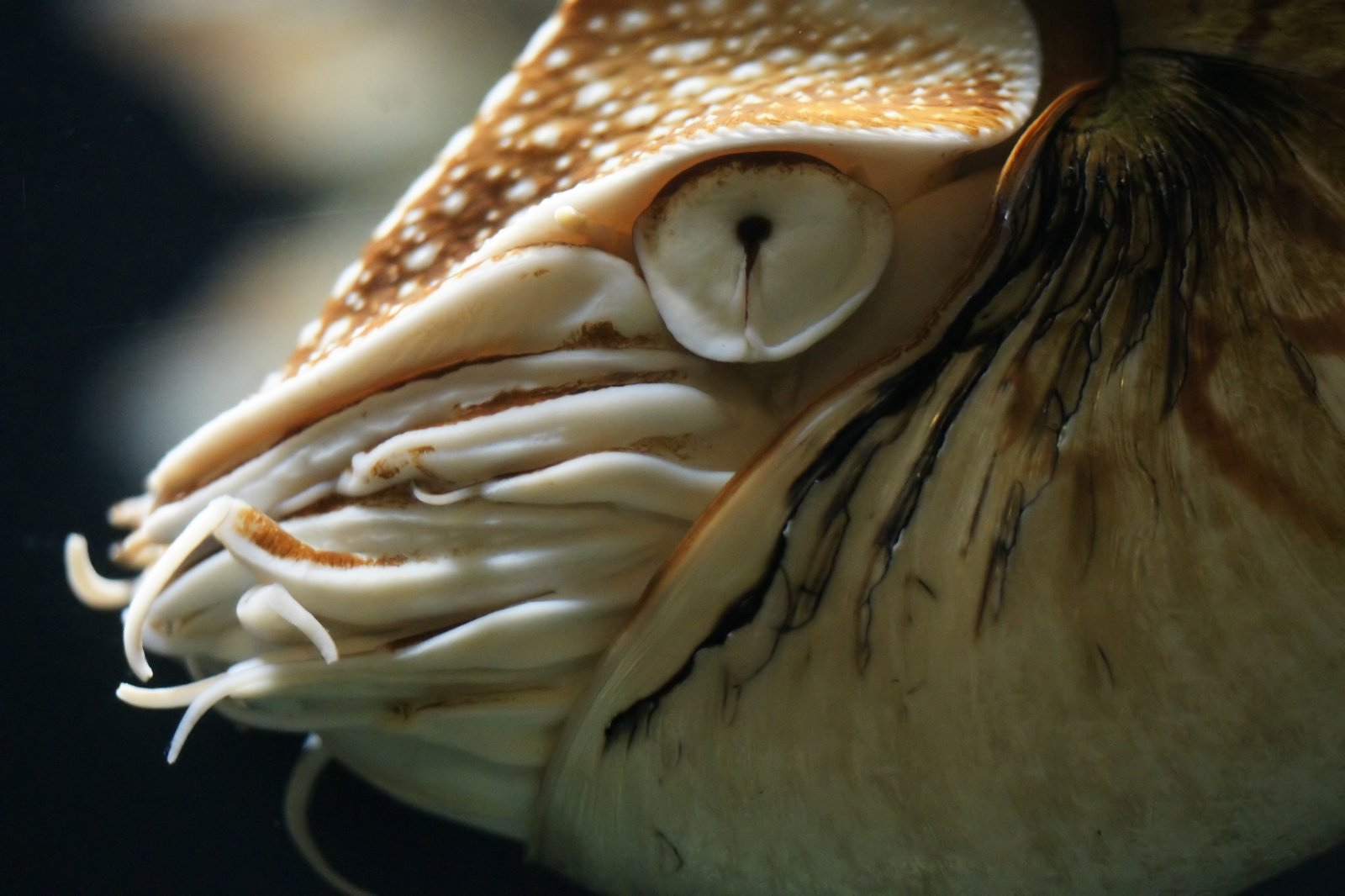
The nautilus is often called primitive, and in some ways the label fits. Its eye has no lens at all. It is a simple pinhole opening into a fluid-filled cup, the same basic design found in the earliest cephalopod fossils. Light enters, an image forms, and that is enough for an animal that lives in dim deep water. It also has around 90 tentacles, far more than any octopus or squid, but they lack suckers. Instead they are grooved and sticky, used to feel the way and pass food toward the mouth.
Yet calling the nautilus primitive undersells it. Recent research has shown that nautiluses have long-term memory, can be trained to recognize shapes, and hunt with more coordination than their slow lifestyle suggests. They are scavengers and opportunists, feeding on molting crabs and dead fish they find on the seafloor. There is no hurry in a nautilus. Its metabolism is among the lowest of any cephalopod, its heartbeat can be as slow as a few beats per minute, and it can survive months without eating.
Compare this with its cousins. A squid lives fast, grows fast, and dies after a single breeding season. An octopus is brilliant but burns out in two or three years. The nautilus does everything at quarter speed and, as a result, lives for decades. It is the tortoise of the cephalopod world, and the strategy has kept it alive through every mass extinction since the dawn of the age of dinosaurs.
Outlasting the Ammonites
For most of the last 400 million years, nautiluses and ammonites lived side by side and looked enough alike that even experts once confused their fossils. Both were shelled, both were jet-propelled, both were successful. But the ammonites were the innovators: they radiated into thousands of species, some no bigger than a grape, others with straight shells nearly two meters long, and their shells became more and more elaborate.
The nautilus stayed simple. And when the end-Cretaceous extinction wiped out every single ammonite species on the planet, the simple one survived while the innovators died. The reason is probably the same reason Triops survives in temporary pools. The ammonites depended on rich, plankton-filled surface waters, exactly the food web that collapsed when the asteroid's dust blotted out the sun. The nautilus lived in deep, cold, food-poor water, an economy model that needed very little and was barely touched by the catastrophe above. Slow living in a marginal habitat turned out to be the winning ticket.
It is a pattern this site keeps coming back to. The biggest success stories of deep time are rarely the biggest, fastest, or most elaborate animals. They are the ones that need the least. Lystrosaurus survived the Great Dying by being a burrowing, undemanding herbivore. The nautilus survived the K-Pg extinction by being a slow, undemanding drifter in the deep. Triops survives droughts by leaving its eggs to wait. Survival, it turns out, favors the modest.
A Living Fossil Under Threat
Today there are perhaps half a dozen living nautilus species, all in the tropical Indo-Pacific, from the Philippines to Palau to Australia's Coral Sea. All are legally protected under CITES since 2016 because of one ironic threat: their shells became fashionable. For decades, nautilus shells were harvested by the hundred thousand and sold as ornaments, and the animal's slow reproduction, a few eggs per year, meant populations could not keep up. The pearl octopus of the shell trade, so to speak, was being wiped out for bookends and lamps.
The CITES listing has slowed the trade, but the nautilus faces quieter pressures too. Deep-water warming and fishing are pushing at the edges of its narrow habitat. Because each population lives in a small, isolated pocket of deep ocean, local extinctions cannot be undone by newcomers from elsewhere. A species that survived five mass extinctions is now threatened by gift shops and a warming sea.
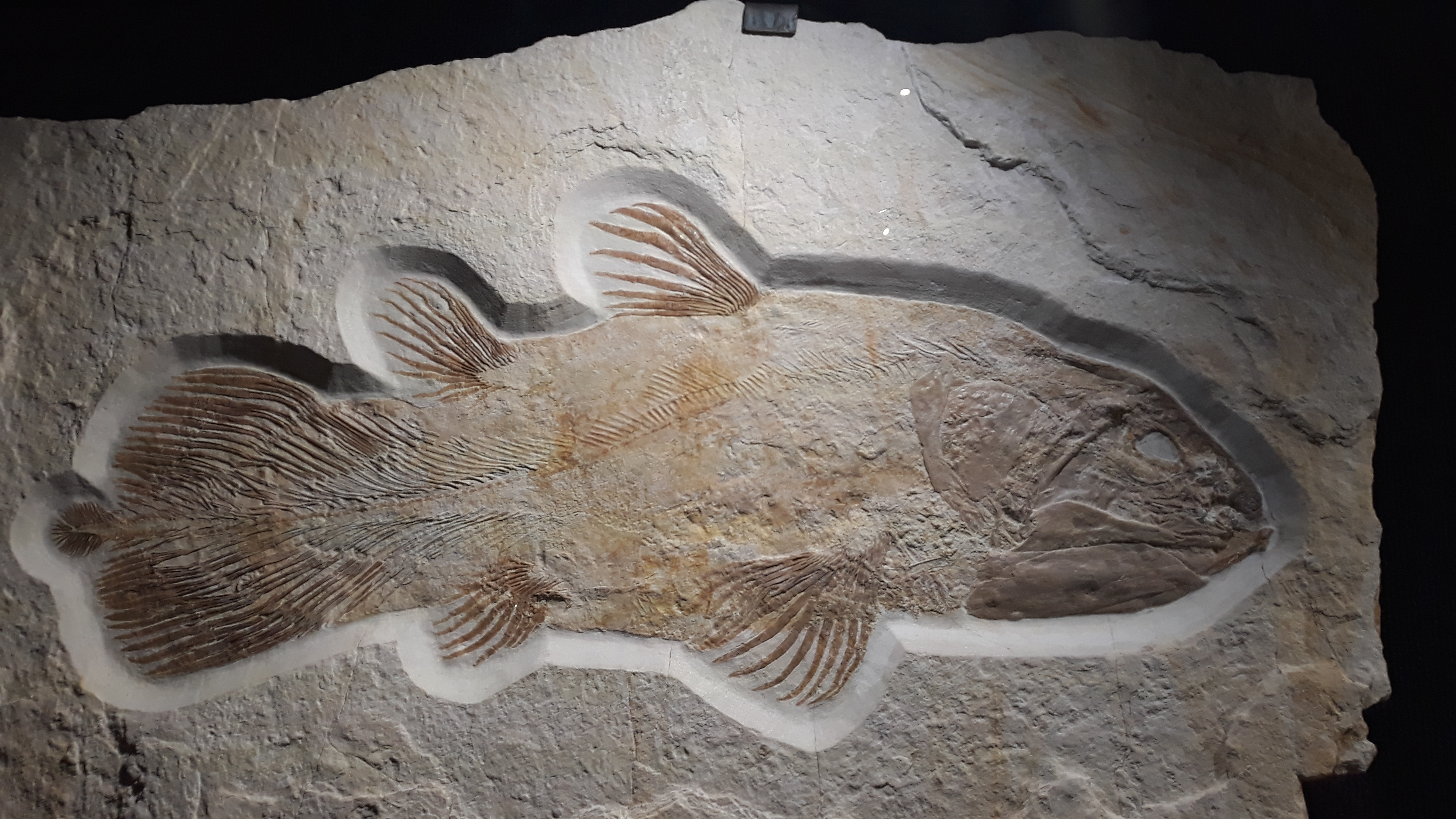
There is something fitting about the nautilus being the last of its kind. It is a survivor from a world when the oceans were stranger and slower, a living anchor to the first age of shells. In its chambers, it carries the memory of an entire lost order of life. Like Triops, like the horseshoe crab, like the coelacanth, it is a reminder that extinction is not always the end of the line. Sometimes, if an animal asks little of the world and the world asks little of it, the line just keeps going.
The next chapter of that line is now up to us. The nautilus has been patient for 500 million years. The least we can do is give it the deep, quiet water it needs for the next 500.