In November 2010, Guinness World Records made a bold announcement: Triops cancriformis, the European tadpole shrimp, was officially crowned the oldest living animal on Earth. The claim rested on fossil evidence from the Triassic period, when the first dinosaurs were just beginning to walk the planet. But how old is the oldest Triops fossil, and what does the record really show?
Fossils From the Triassic
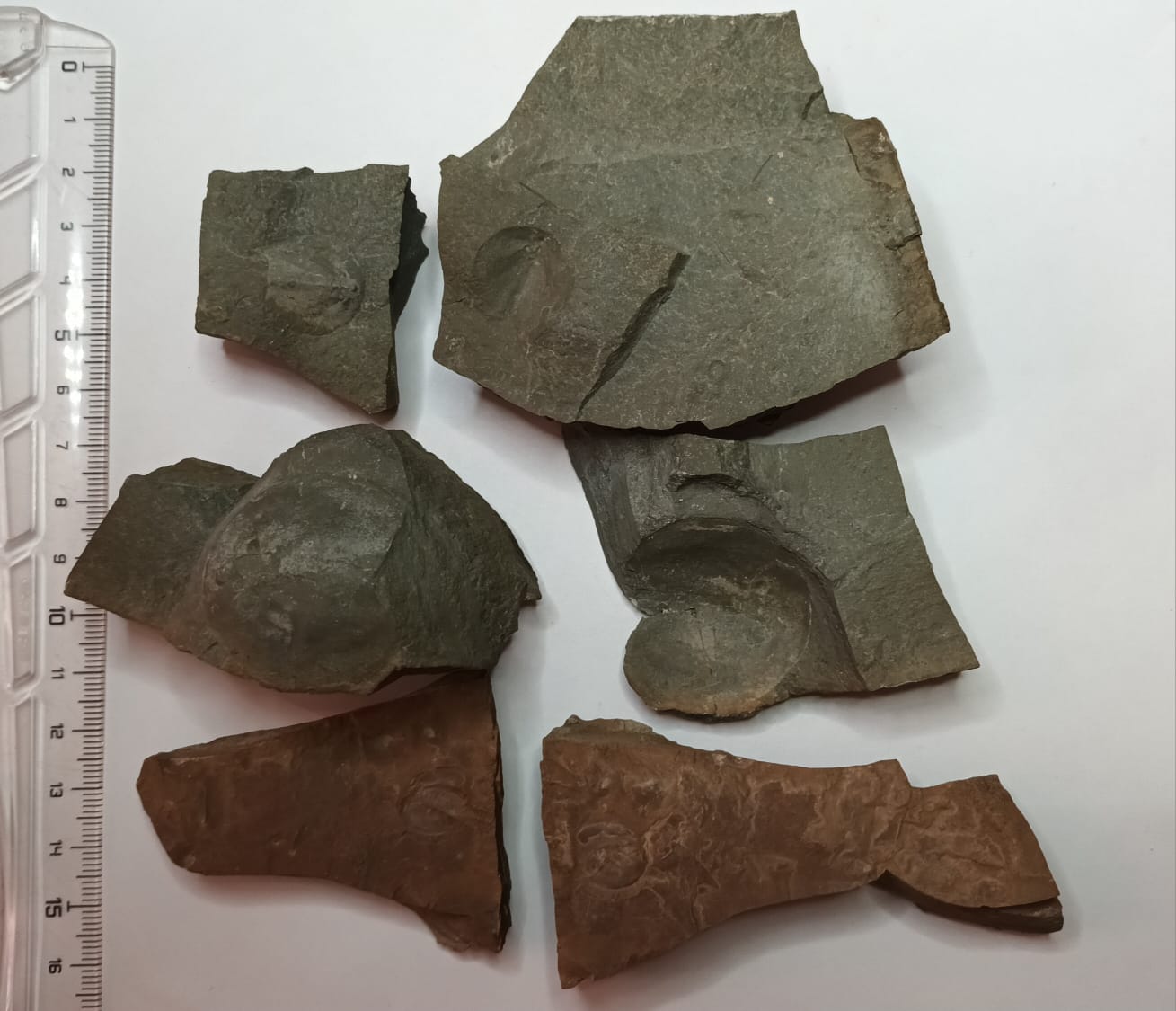
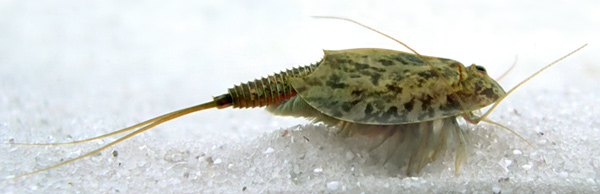
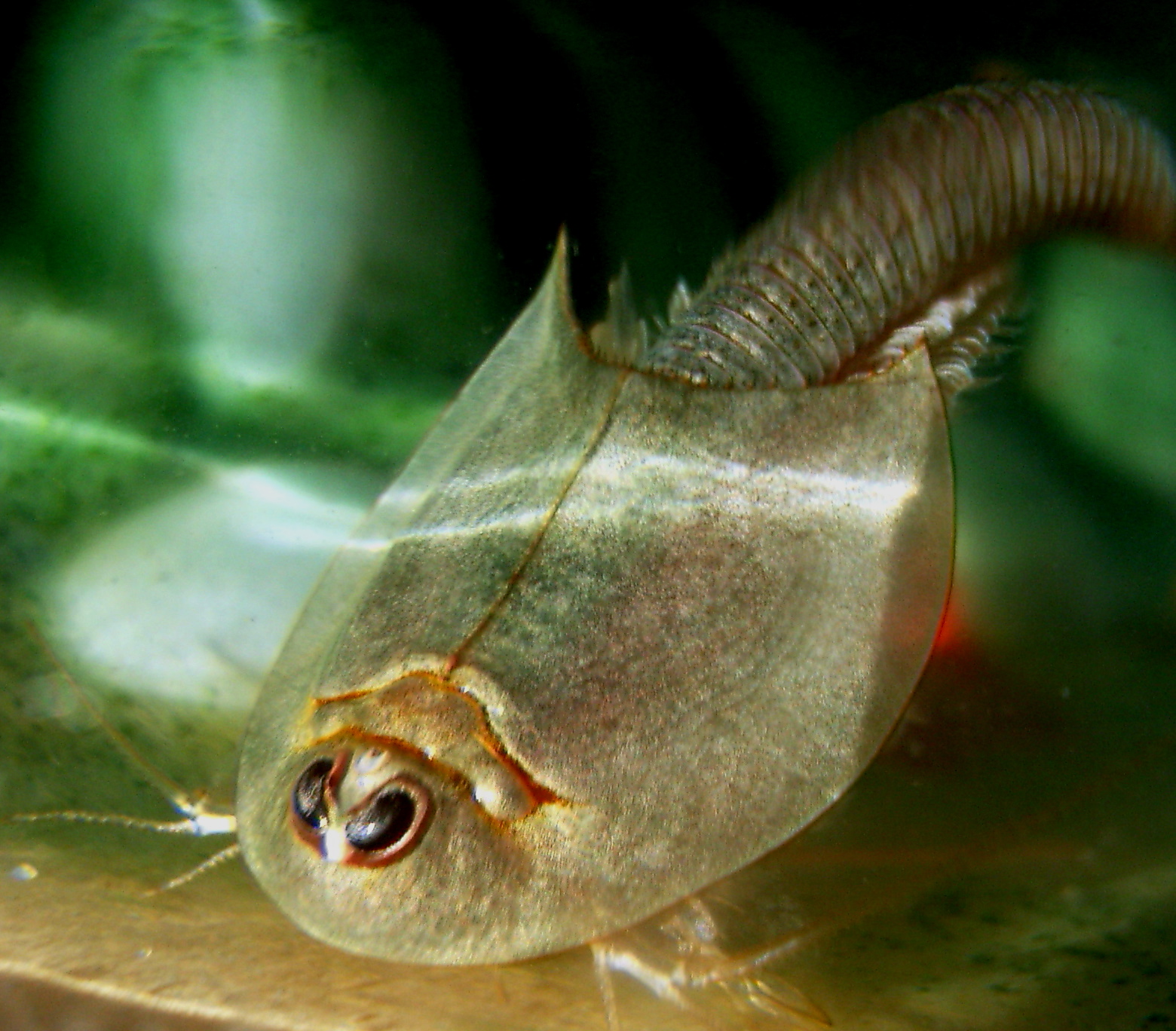
Fossils attributed to Triops have been found in sedimentary rocks from the Triassic period, which spanned roughly 252 to 201 million years ago. Specimens from the Lower Triassic of France and the Upper Triassic of Germany were long described as Triops cancriformis, sometimes even classified as the subspecies T. c. minor. These fossils showed a shield-like carapace, forked tail, and body proportions strikingly similar to the living species you can buy in a pet shop today.
The resemblance was so uncanny that scientists declared Triops had remained virtually unchanged for over 200 million years, making it one of the most famous examples of morphological stasis in evolutionary biology.
A More Nuanced Picture
Recent research, including a comprehensive 2024 review, has reassigned many of those Triassic specimens to different, now-extinct taxa. The French and German fossils previously labeled as T. cancriformis were reclassified as Apudites antiquus, Olesenocaris galli, and Grauvogelocaris alsatica. A putative Lower Permian subspecies from France was redescribed as Heidiops permiensis.
This does not mean Triops are not ancient. The earliest definitive fossil attributed to the genus Triops comes from the Early Miocene of Japan, roughly 20 million years ago. But molecular clock estimates suggest the Triops lineage split from its closest relative, Lepidurus, between 152 and 233 million years ago. The broader lineage is genuinely ancient, even if the exact species are younger than once thought.
Older Than Dinosaurs
The order Notostraca, to which Triops belongs, has a fossil record extending back to the Carboniferous period, more than 300 million years ago. The Carboniferous genus Lynceites was once considered a direct ancestor of Triops, though it was later placed in a separate genus. Regardless, notostracans were already ancient by the time the first dinosaurs appeared in the Late Triassic.
Triops likely originated on Gondwana, the ancient supercontinent that eventually split into Africa, South America, Australia, India, and Antarctica. The earliest diverging lineages of living Triops species are found in regions that were once part of Gondwana, a clue pointing to deep continental drift as part of their origin story.
The Secret: Eggs That Wait
The answer to their longevity lies in the mud. When a temporary pool dries up, adult Triops die. But their eggs, called cysts, enter diapause, a state of suspended development. These microscopic capsules can survive complete desiccation, extreme heat up to 98 degrees Celsius, freezing temperatures, and UV radiation. They remain viable in dry soil for decades, hatching only when rain returns.
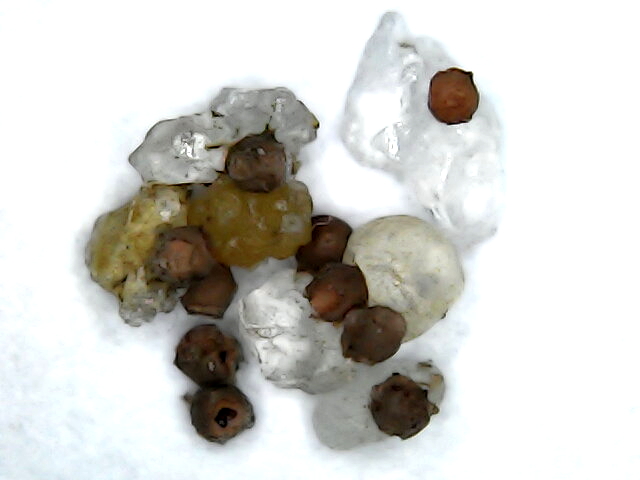
This strategy proved devastatingly effective against mass extinctions. When the Permian-Triassic extinction erased 90 percent of marine species 252 million years ago, notostracan eggs were waiting in the sediment. When the Chicxulub asteroid ended the age of dinosaurs 66 million years ago, Triops cysts were safely buried underground. The adults never needed to survive the catastrophe, only the eggs did.
What Science Tells Us
The Guinness citation described T. cancriformis as "the oldest known animal species in the world" at approximately 220 million years old. The 2024 taxonomic revisions have refined that number, but the core claim holds: the Triops lineage and the broader notostracan body plan are genuinely ancient beyond comprehension. The three eyes, the shield carapace, the forked tail, all persisted through ice ages, continental collisions, volcanic supereruptions, and asteroid impacts.
The oldest Triops fossil is not just about one species. It is about what evidence actually shows us. Fossil identification is difficult, and shells can look similar across unrelated lineages. The reclassification of Triassic specimens reminds us that science is a process of refinement, not a collection of permanent facts.
But the big picture is unchanged. Triops are among the most successful survivors in the history of life on Earth. Whether the oldest specimen is 20 million or 220 million years old, the strategy that got them here has outlasted nearly every other animal on the planet. To learn more, visit our Triops Deep Dive guide, or explore other ancient survivors in the Creature Gallery.