Published September 02, 2026, 14:45 · Back to Articles
The Ordovician-Silurian Extinction: When Life Nearly Vanished
Four hundred forty-three million years ago, the oceans of Earth suffered a catastrophe so severe that it wiped out 85% of all marine species. This was the Ordovician-Silurian extinction, the first of the "Big Five" mass extinctions, and it happened during a time when life was thriving like never before.
The Ordovician period had been a golden age for marine life. The oceans teemed with trilobites, brachiopods, bryozoans, graptolites, and corals. Reef systems stretched across vast stretches of shallow sea, and the diversity of life had exploded compared to the Cambrian period that preceded it. But then, in a geological blink, most of it was gone.
What Caused the Extinction?
The leading explanation points to a massive glaciation event. During the late Ordovician, the supercontinent Gondwana drifted over the South Pole, and a vast ice sheet built up across what is now Africa, South America, and Australia. This ice sheet locked up enormous volumes of water, causing sea levels to plummet. Shallow, warm, oxygen-rich habitats, where most marine life lived, suddenly vanished.
The effects cascaded. Ocean currents were disrupted. As the ice sheet grew, ocean temperatures dropped sharply. Some scientists believe the rapid cooling itself killed many species. Others point to ocean anoxia, a condition where water loses its oxygen, as the main killer. As the sea level fell and continents were exposed, weathering patterns changed, dumping nutrients into the ocean and triggering algal blooms that consumed oxygen in the water. Without oxygen, most marine organisms simply could not survive.
The extinction happened in two pulses. The first pulse, around 445 million years ago, was triggered by the onset of glaciation and the rapid drop in sea levels. The second pulse, a few hundred thousand years later, coincided with the peak of the glaciation. Some researchers believe that a bolide impact or volcanic activity may have contributed, but the glaciation remains the most widely accepted explanation.
Which Creatures Were Hit Hardest?
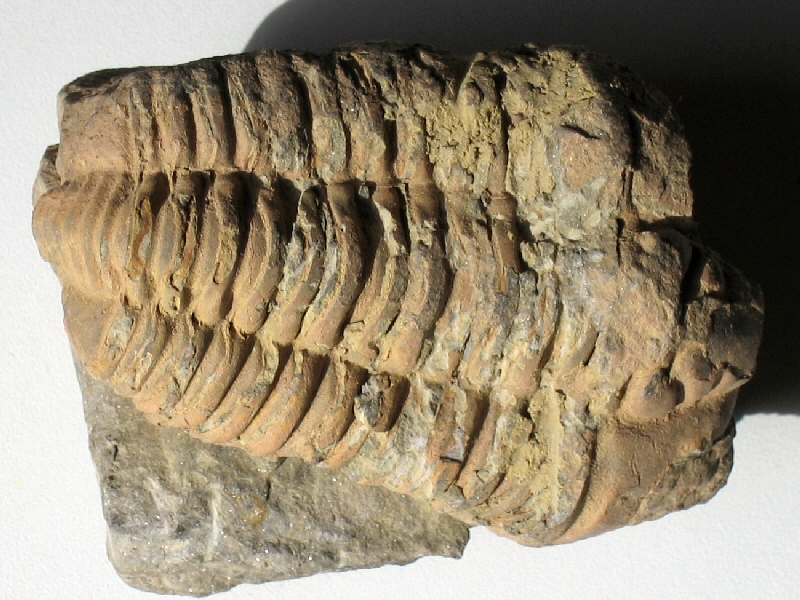
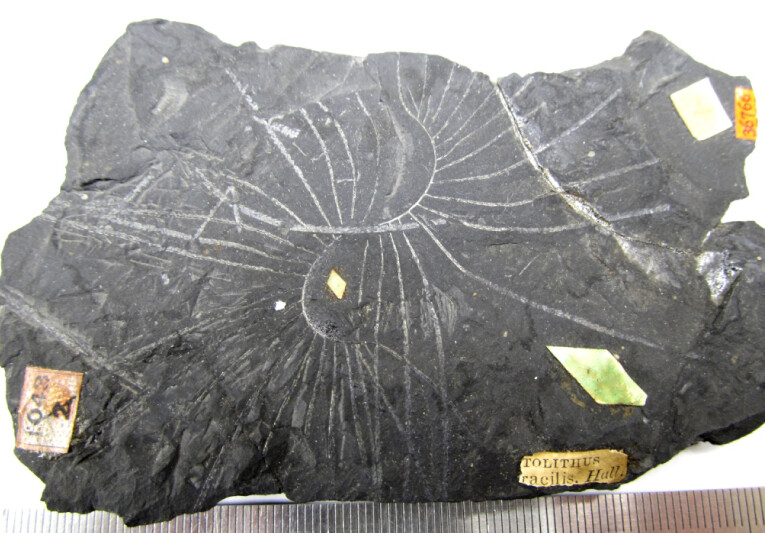
The trilobites, those iconic arthropods with their segmented bodies and compound eyes, lost over 60% of their species. They would never fully recover. Brachiopods, shell-filtering animals that dominated the sea floor, were devastated. Graptolites, colonial organisms that drifted in the water column, saw entire lineages vanish. Reef-building corals and stromatoporoids, which had constructed massive underwater structures, were nearly wiped out.
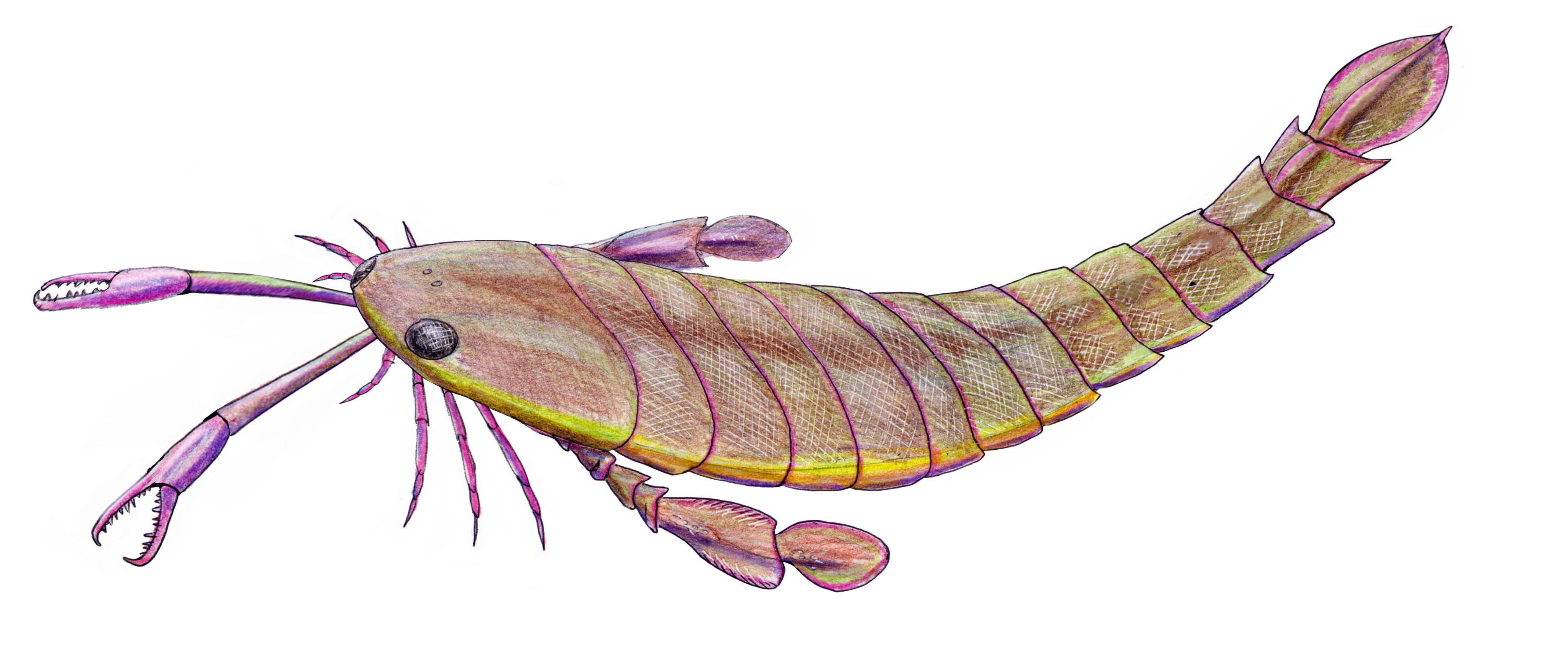
Among the casualties were some of the strangest creatures of the era. The eurypterids, or sea scorpions, which had been growing to impressive sizes, suffered significant losses. The nautiloid cephalopods, relatives of today's nautilus, lost many of their shell-bearing lineages. Even the planktonic life that formed the base of the food chain was disrupted, leading to a collapse of the entire marine ecosystem.
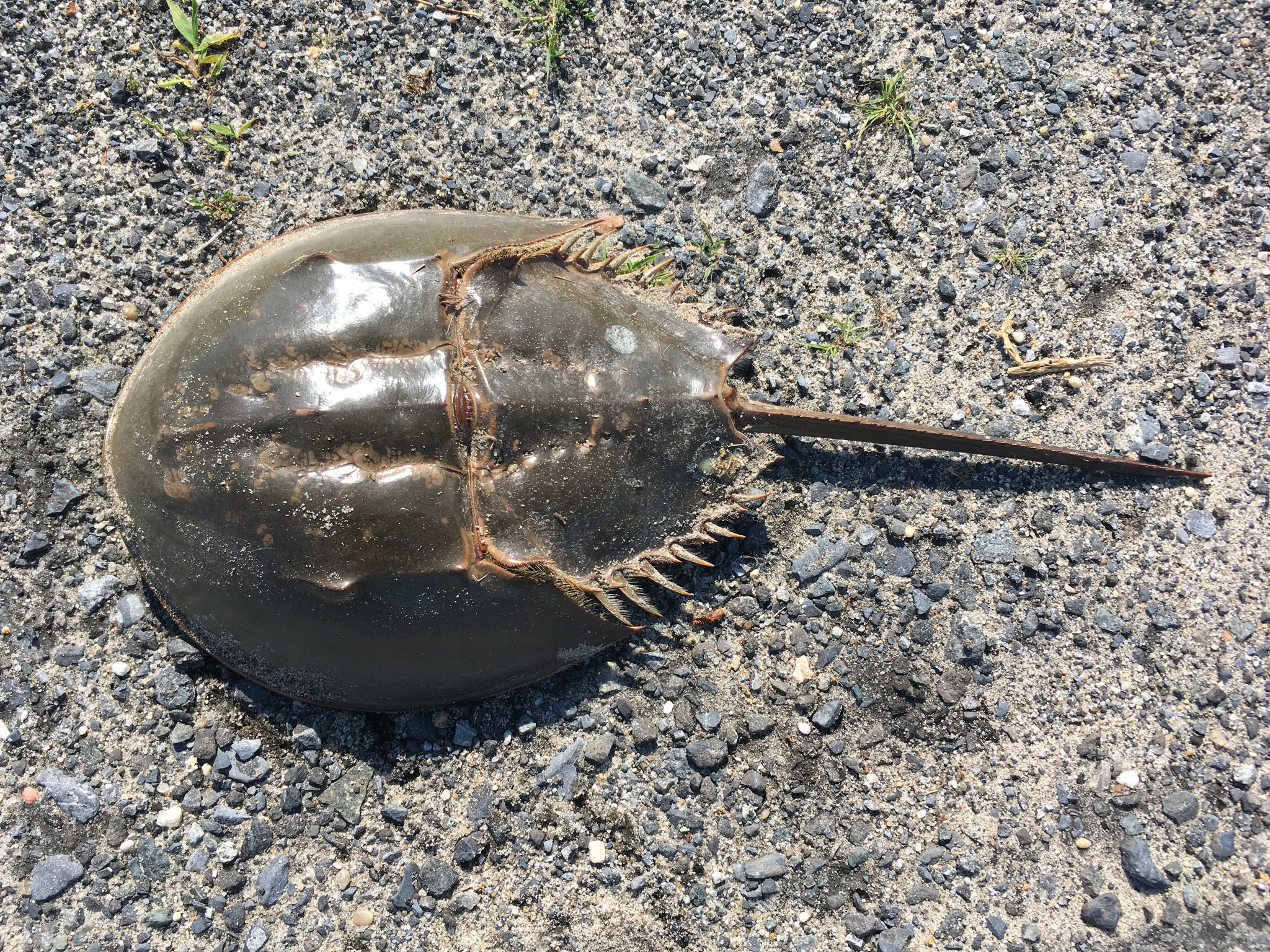
But not everything was lost. Some groups managed to survive, and their resilience tells us something important about what it takes to weather a mass extinction. Trilobites, despite their losses, persisted through the crisis. Horseshoe crabs, those living fossils with their blue blood and armored shells, survived the Ordovician-Silurian extinction and continue to exist today. And the branchiopod crustaceans, the group that includes our beloved Triops, also endured.
How Did Life Recover?
The recovery from the Ordovician-Silurian extinction was not immediate. It took millions of years for life to rebound to pre-extinction levels of diversity. But when it did, new groups emerged that would shape the future of life on Earth. The Silurian period that followed saw the expansion of reef ecosystems, the rise of jawed fish, and the first land plants to colonize terrestrial environments.
The extinction also reshaped the composition of marine life. Some groups, like the brachiopods, never recovered their former dominance. Others, like the bryozoans and certain mollusks, gradually diversified in the Silurian. The extinction created ecological niches that were eventually filled by new species, some of which would become the ancestors of today's animals.
The Connection to Triops
When we talk about the Ordovician-Silurian extinction, we are talking about a world where the ancestors of modern Triops were already present. The branchiopod crustaceans, the order to which Triops belongs, had existed since at least the Cambrian period. While they were small and lived in shallow, often ephemeral waters, they were part of the marine ecosystem that was devastated by the extinction.
What makes Triops remarkable is that they survived this catastrophe and all four of the subsequent mass extinctions, including the Great Dying, which killed 96% of marine species. Their secret lies in their ability to enter a state of dormancy. When conditions become unfavorable, Triops eggs can survive in a desiccated state for years, waiting for water to return. This extraordinary adaptation, known as cryptobiosis, has allowed Triops to persist through some of the worst events in Earth's history.
The Ordovician-Silurian extinction reminds us that even the most diverse ecosystems are vulnerable to sudden, catastrophic change. But it also shows us that some creatures are remarkably resilient. Triops are living proof that survival is not just about being the strongest, but about being the most adaptable.
Why This Extinction Matters
Understanding the Ordovician-Silurian extinction is not just about ancient history. It helps us grasp how ecosystems respond to rapid environmental change, a lesson that feels increasingly relevant today. The parallels between the Ordovician glaciation and modern climate change are not exact, but the underlying principle is the same: when environmental conditions change too quickly, life struggles to keep up.
Scientists continue to study the Ordovician-Silurian extinction to better understand how biodiversity responds to mass extinction events. Every new fossil discovery adds to our knowledge of what happened during those catastrophic millennia, and what it means for the future of life on Earth.