Published 2026-09-07 · by the Triops.me Editorial Team · Back to Articles
Ostracods: The Seed Shrimp That Outlived the Dinosaurs
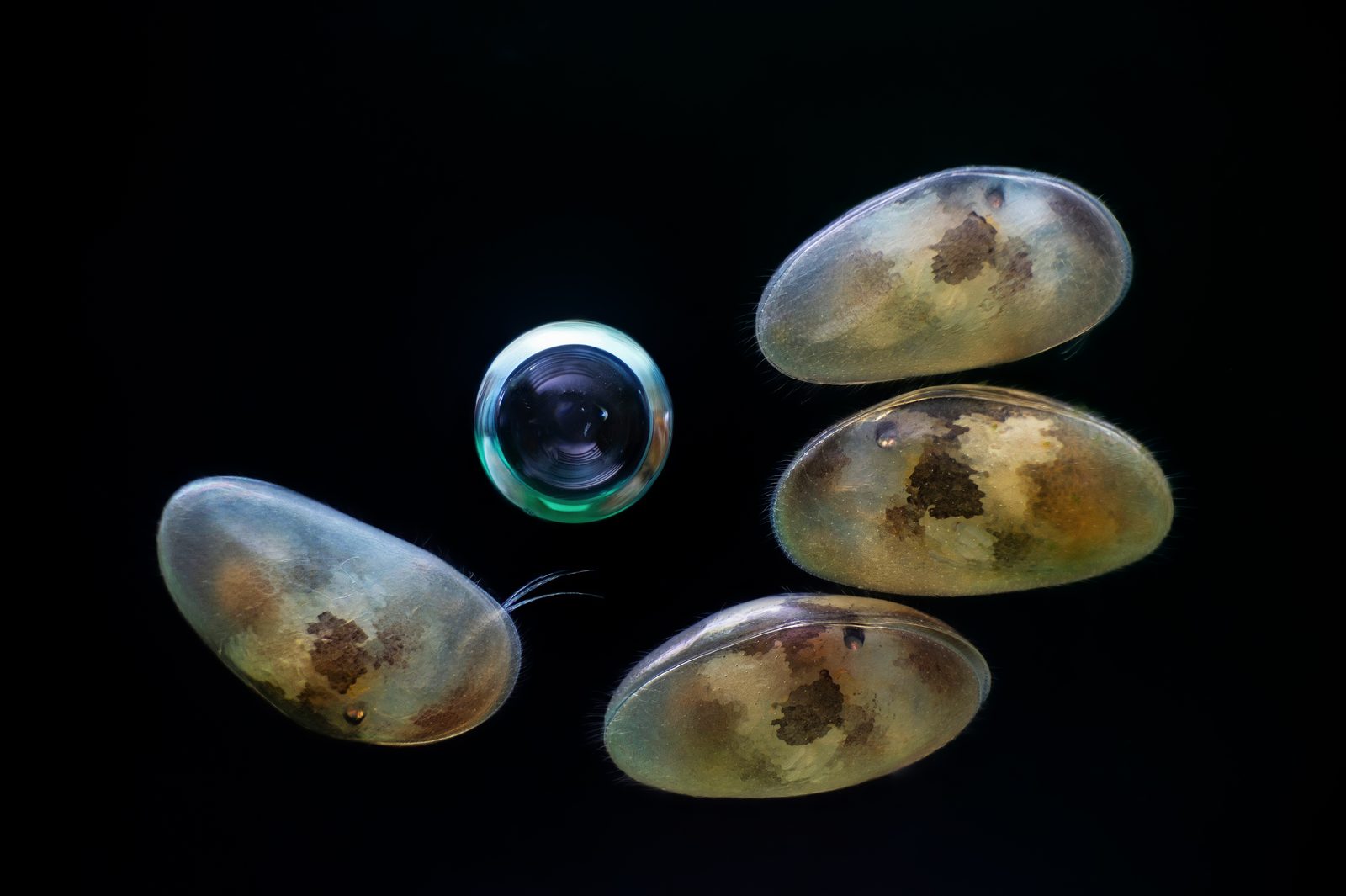
Dip a hand into almost any pond, lake, tide pool, or stretch of damp forest floor anywhere on Earth, and you have almost certainly touched one of the most successful animal groups in the planet's history without noticing. Ostracods, often called seed shrimp, are crustaceans the size of a grain of sand or a sesame seed, and they have been quietly doing the same thing for roughly 500 million years. They predate the dinosaurs by more than 200 million years, survived every mass extinction since, and are still thriving today in the thousands of species that fill nearly every watery habitat imaginable.
If that survival formula sounds familiar, it should. Triops, the best-known branchiopod crustacean, has its own 300-million-year story of endurance. But ostracods took a different path to the same destination. Where Triops races through a life in weeks, an ostracod is built like a vault: small, sealed, patient, and almost indestructible on geological timescales. Understanding how these two strategies differ tells us a great deal about what it really takes to survive deep time.
A Shrimp That Lives Inside a Clam Shell
The first thing anyone notices about an ostracod is that it does not look like a crustacean at all. It looks like a tiny clam, or perhaps a moving seed. The animal's body is almost entirely enclosed within a bivalved carapace, two hinged shells made of chitin, often strengthened with calcium carbonate. From the outside, you see only a smooth, kidney- or bean-shaped valve, sometimes pitted, ribbed, or covered in ornate sculpting that varies between species.
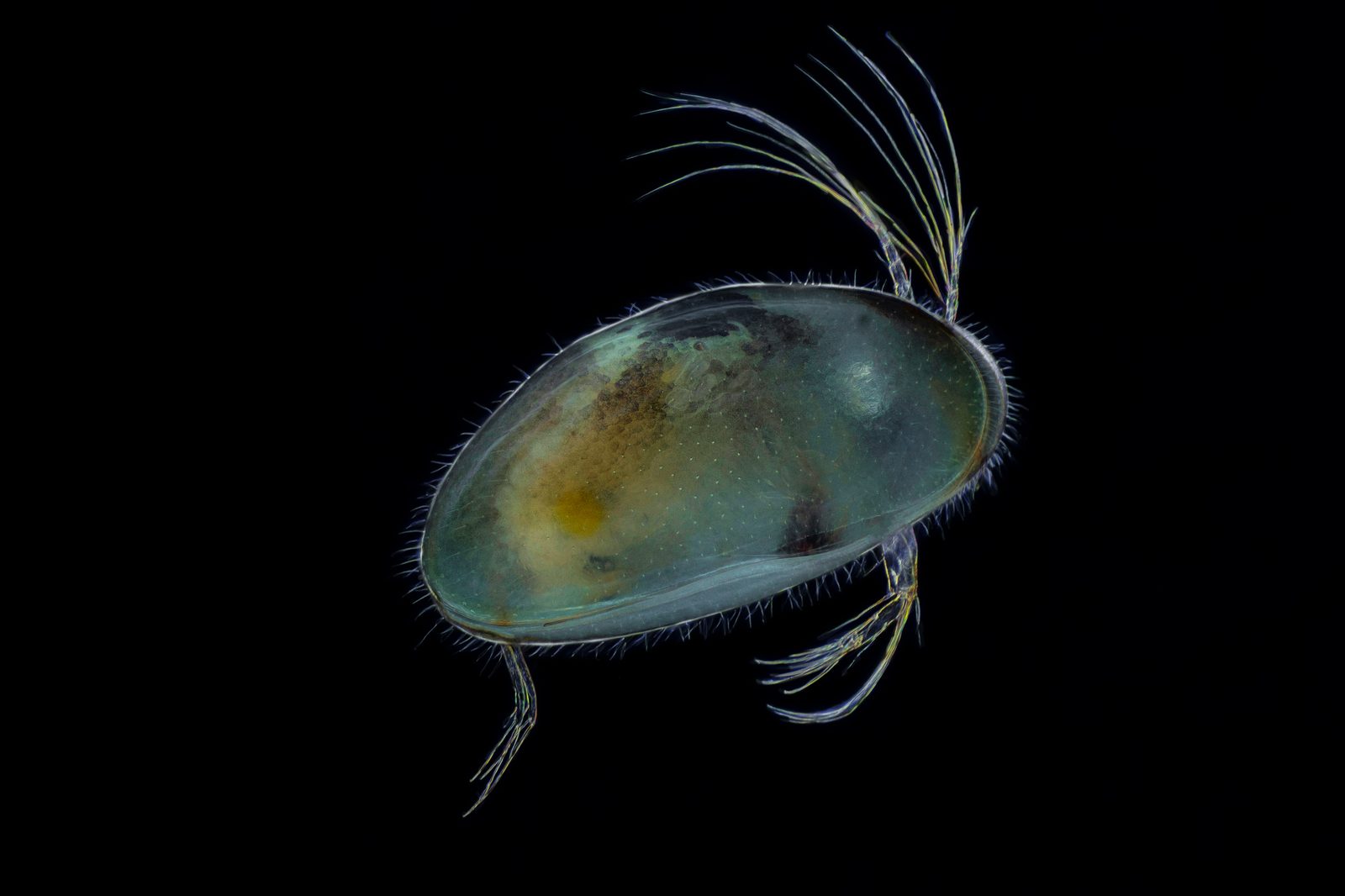
Inside that protective box, though, is a fully equipped little animal. Most ostracods are around a millimeter long, though some marine species reach 30 millimeters. They have up to eight pairs of appendages, far fewer than most crustaceans, and these limbs poke out through a small gap when the valves open. They use them to swim, crawl, scrape algae, and sieve food particles from the water or sediment. The antennae are the main engines: in swimming species they row furiously, propelling the animal in short, jerky bursts.
Perhaps their strangest feature is the eye. Many ostracods have a median eye, a single simple eye in the middle of the forehead, rather like the third eye that gives Triops its name. In some giant deep-sea species, that eye has been dramatically rebuilt into a pair of huge, mirror-based eyes that concentrate the faintest glimmers of light, earning them names like the giant ostracod.
Half a Billion Years of Fossils
Ostracods appear in the fossil record in the Ordovician period, around 485 million years ago, and they have left an astonishingly complete record since. The reason is their shells. Chitin alone decays, but calcified valves fossilize beautifully, and because ostracods live in enormous numbers in almost every aquatic environment, their shells accumulated in sediments by the billions.
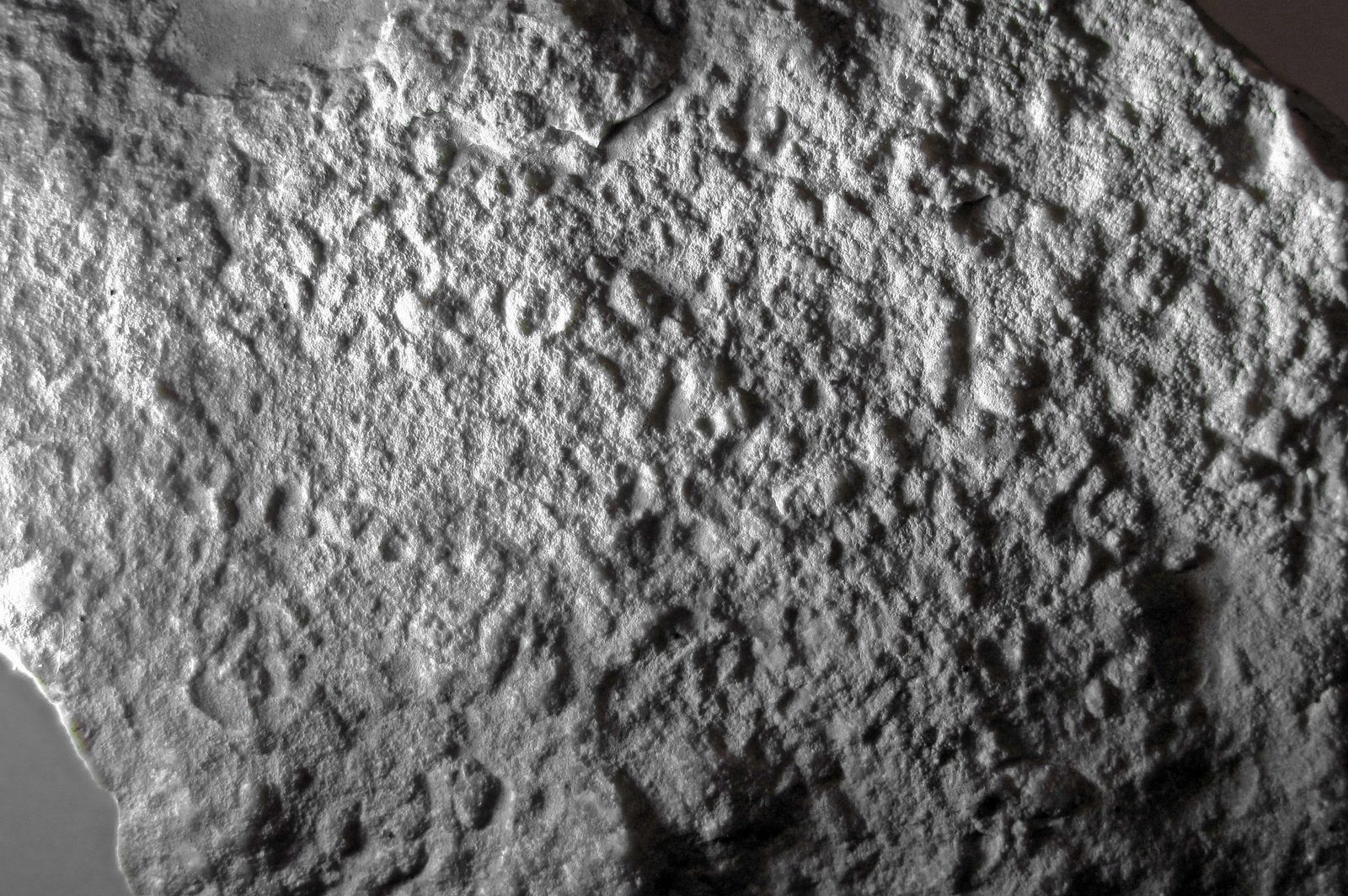
That abundance makes them one of geology's most valuable tools. Because different species appear and disappear at known times, the sequence of ostracod species in a rock layer acts like a barcode that dates the rock. Oil companies have spent decades using fossil ostracods, along with foraminifera, to pinpoint petroleum-bearing strata. In a very real sense, these millimeter-long animals helped fuel the modern world.
Their shape also records their environment. Valve geometry, surface ornamentation, and shell chemistry all shift with water temperature, salinity, and chemistry. Paleontologists use ancient ostracod assemblages to reconstruct past climates, track ancient sea levels, and even detect changes in lake ecosystems that happened tens or hundreds of millions of years ago. A handful of gravel from an outcrop can contain an entire lost ecosystem's worth of data.
Surviving the Worst Earth Ever Offered
Five mass extinctions have swept the planet since ostracods first appeared, and they came through all of them. Not untouched, some lineages vanished, and diversity crashed at each boundary, but the group as a whole always recovered and radiated again. The end-Permian extinction, the worst crisis in animal history, killed perhaps 90 percent of marine species, yet ostracods persisted in the aftermath and repopulated the emptied seas within a few million years.
Their secret is a combination of modest virtues. They are small, so they need little food and little space. Their shells close tightly, sealing in moisture and sealing out hostile water, which lets them survive drying, salinity swings, and low oxygen. Many produce dormant eggs that wait in sediment for years before hatching. And they are generalists, feeding on whatever algae, detritus, or bacteria is available. None of these traits is glamorous. Together, they amount to nearly perfect deep-time armor.
Triops took a different route to resilience. Rather than enduring drought as a sealed adult, Triops bets everything on a fast life and a bank of eggs that can wait decades for rain. Ostracods hedge in both directions: many adults survive harsh times directly, and the eggs provide a backup layer. Both strategies work, which is a useful reminder that evolution does not reward one perfect design, but any design that gets the job done.
The Oldest Sperm in the World
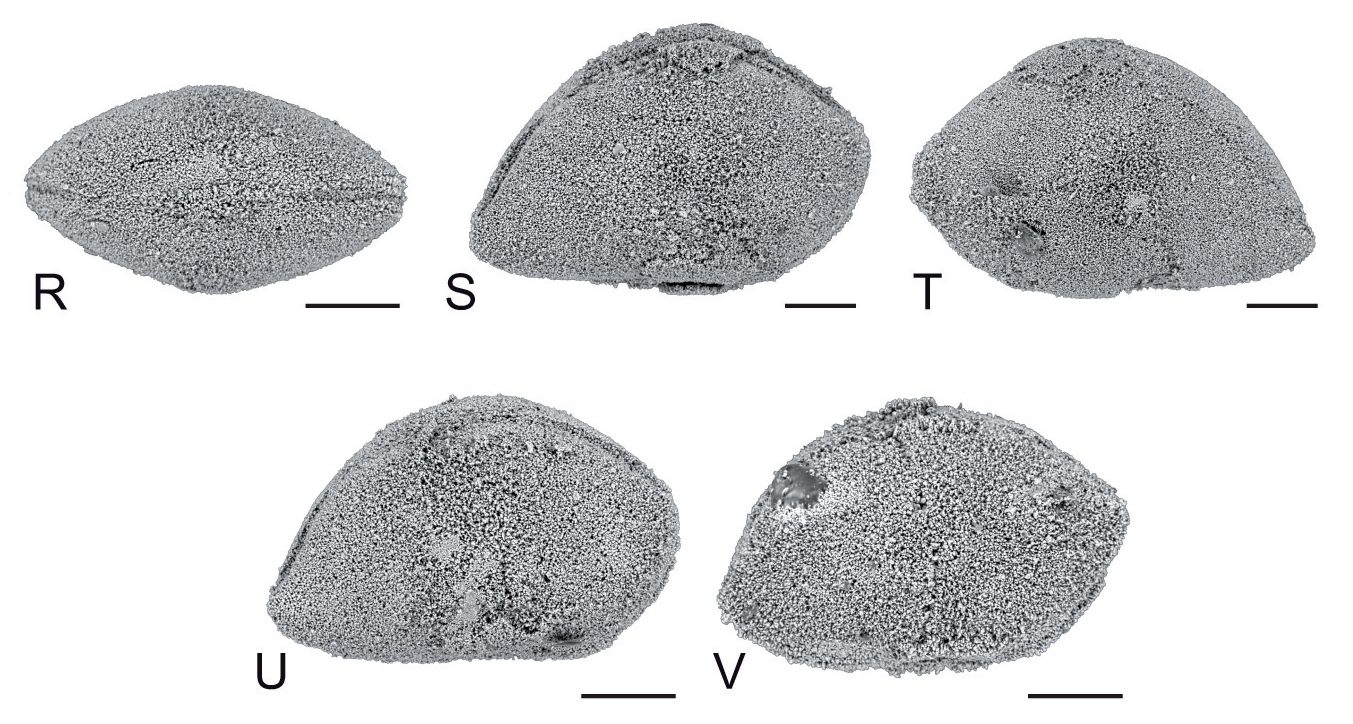
Ostracods hold one of the strangest records in biology. In 2014, researchers studying a fossil ostracod from Australia, preserved in freshwater deposits about 17 million years old, found something remarkable inside a female's reproductive tract: giant sperm, fossilized in place, complete with coiled tails. The sperm were longer than the male animal that produced them, and the reproductive organs that made them were as elaborate as anything in the modern animal kingdom.
Then, in 2020, the record was pushed back dramatically. A fossil ostracod from Cretaceous amber in Myanmar, roughly 100 million years old, was found to contain sperm as well. That discovery pushed the known antiquity of this reproductive strategy back fivefold, and it showed that ostracod anatomy has remained astonishingly stable across 100 million years. The animal we see today is, in organ-by-organ detail, the animal that lived alongside the dinosaurs.
It also makes a point that comes up again and again on this site: ancient does not mean primitive. An ostracod is not a primitive crustacean that failed to evolve. It is a refined, specialized animal whose body plan proved so effective that there was simply no pressure to redesign it. That is the same conclusion the fossil record of Triops keeps forcing, and seeing both crustaceans agree on it from two different corners of the world strengthens the argument considerably.
Seed Shrimp Today
There are around 13,000 living ostracod species, and probably many more awaiting description. They fill oceans from the surface down to the abyssal plains, swarm in lakes and ponds, crawl through wet leaf litter, and ride in the fur of semi-aquatic mammals. Some are planktonic drifters. Some live in caves. One genus, Cypridina, produces bursts of blue bioluminescence when disturbed; during the Second World War, dried ostracod powder was reportedly used by spies to mark messages that glowed in the dark.
And if you keep a Triops tank, you may already be raising them. Ostracod eggs are common contaminants in dried algae and tank substrates, and many hobbyists have found tiny seed-like specks scuttling along the glass a few weeks after setting up a pool. They are harmless to Triops and make an interesting bonus exhibit. Some aquarists deliberately culture them as a living microfauna clean-up crew.
Why Small Survivors Matter
Ostracods will never have the drama of a Tyrannosaurus or the mystery of Anomalocaris. They are small, common, and easy to overlook, which is precisely why they matter. They are proof that survival in deep time is not a prize reserved for the biggest or the strangest animals. It belongs to the creatures that shrink their needs, seal their vulnerabilities, spread their bets, and simply keep going.
Half a billion years of ostracod history can be summarized in one sentence: be small, be versatile, and never put all your eggs in one basket, unless each of those eggs can survive a hundred years of drought. That is advice that worked before the first dinosaur drew breath, and it is still working in the puddle at the end of your street.