Published August 07, 2026, 21:54 by the Triops.me Editorial Team · Back to Articles
The Permian-Triassic Extinction: What Survived the Great Dying?
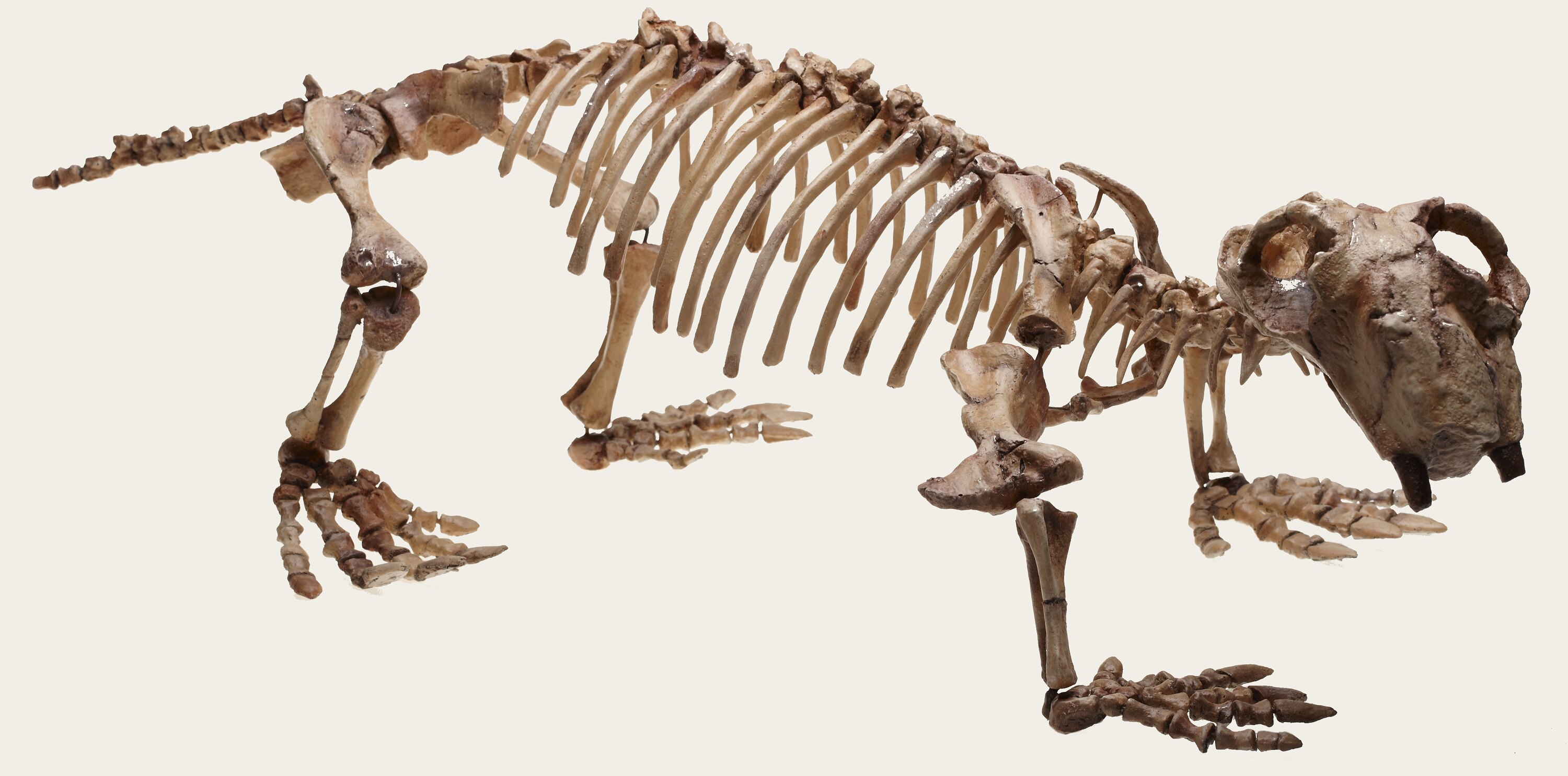
Approximately 252 million years ago, Earth experienced the most catastrophic event in the history of life. The Permian-Triassic extinction, often called "The Great Dying," obliterated roughly 90% of all marine species and 70% of terrestrial vertebrate species. No other mass extinction comes close to this level of devastation. Understanding what survived, and why, tells us something profound about the nature of resilience.
The cause was volcanic. Massive eruptions in what is now Siberia, known as the Siberian Traps, released enormous quantities of carbon dioxide and sulfur over roughly two million years. Oceans acidified, temperatures spiked, and oxygen levels plummeted. The combination was lethal for nearly everything alive.
Lystrosaurus: The Ultimate Opportunist
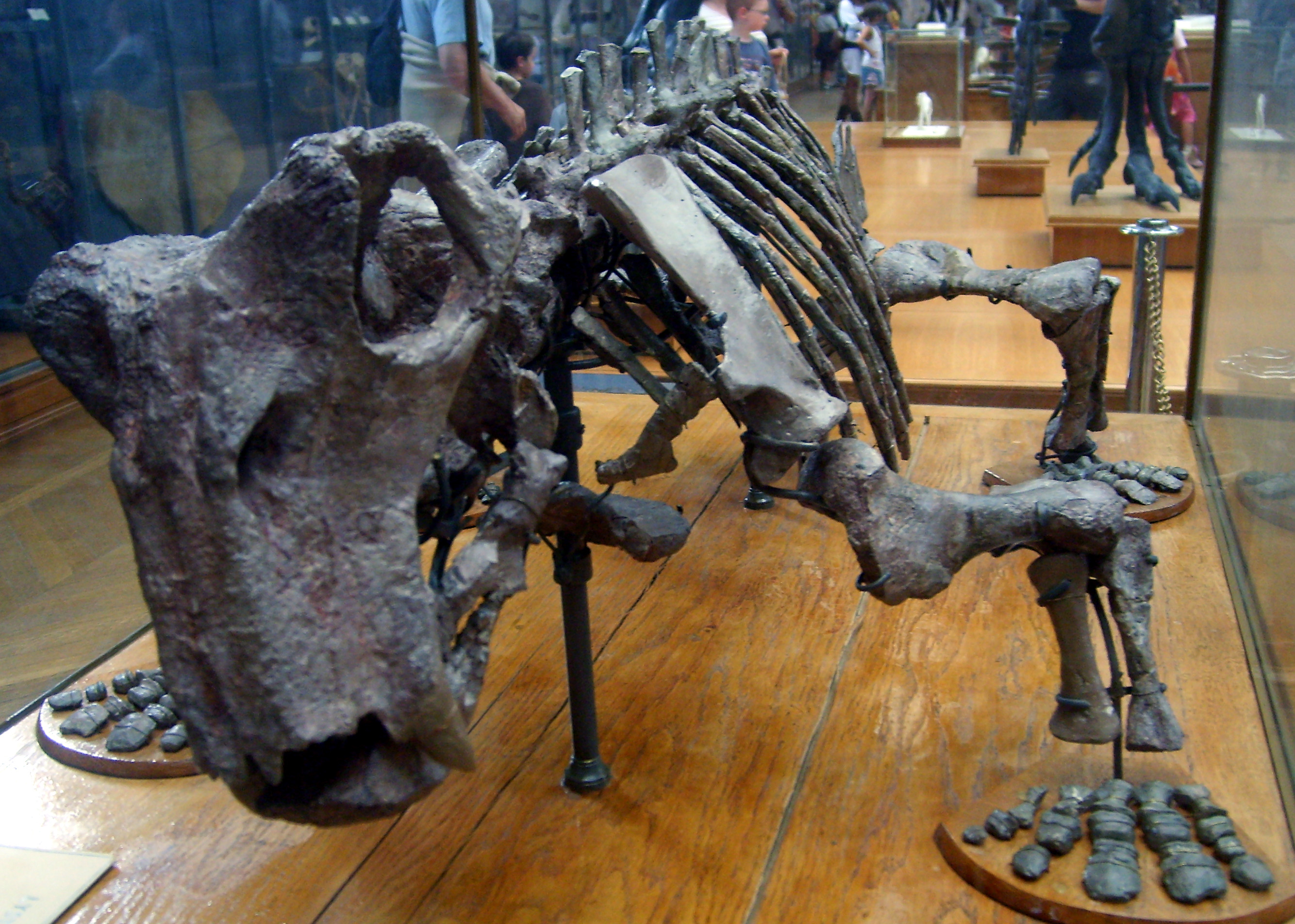
In the aftermath of the extinction, one animal rose to dominate the Earth in a way that no species has before or since. Lystrosaurus, a squat, tusked therapsid roughly the size of a pig, may have comprised up to 70% of all terrestrial vertebrate species in the Early Triassic. That figure is almost incomprehensible. Picture a landscape where nearly every land animal you encounter is some variation of the same creature.
Lystrosaurus survived because it was built for hardship. Its burrowing lifestyle shielded it from the worst surface conditions. Its efficient lungs allowed it to function in low-oxygen environments. And its generalist diet meant it was not dependent on any single food source. It was not the most sophisticated animal of its time, but it did not need to be. It simply needed to endure.
Archosauromorphs: The Line That Led to Dinosaurs
While Lystrosaurus dominated the mammal-like reptile lineage, another group quietly positioned itself for future greatness. Small archosauromorphs, the ancestors of dinosaurs, crocodiles, and eventually birds, survived the extinction in modest numbers. Many of these survivors were small, fast-breeding, and adaptable. They exploited the ecological vacuums left by the extinction, radiating into the diverse forms we associate with the Triassic and later periods.
Without the Permian-Triassic extinction clearing the slate, dinosaurs might never have become the dominant land animals. The catastrophe that destroyed 90% of life also created the opportunity for an entirely new world order.
Marine Survivors: Brachiopods, Conodonts, and More
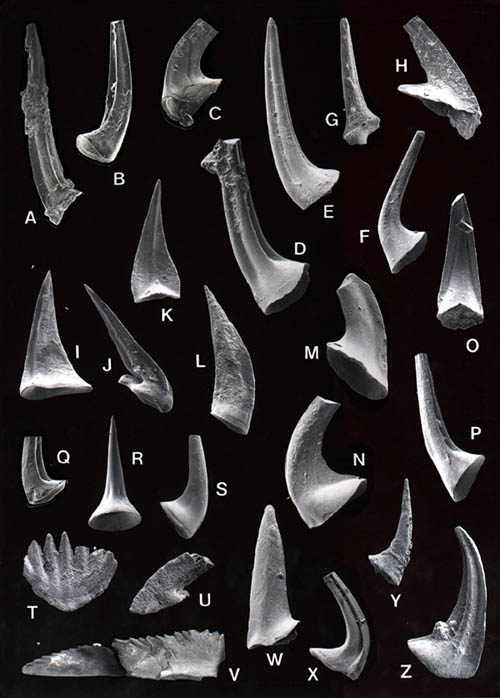
The oceans fared even worse. Reef ecosystems collapsed and did not fully recover for 10 million years. Brachiopods, though drastically reduced, persisted. Conodonts, small jawless creatures known from their tooth-like elements, survived into the Triassic before fading. Ammonoids recovered, though they faced repeated crises throughout the Mesozoic.
Triops: The Unnoticed Champion
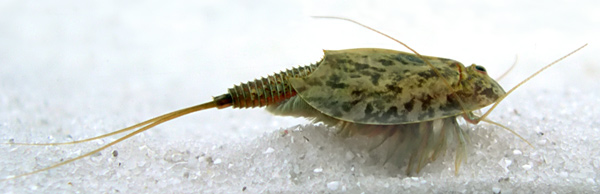
While Lystrosaurus gets the spotlight as the most abundant post-extinction vertebrate, there is a far more enduring survivor of the Great Dying. Triops, the small three-eyed crustaceans that inhabit temporary freshwater pools today, were already present before the Permian-Triassic extinction. Their fossil record extends back to the Triassic, and possibly earlier, and their body plan has remained virtually unchanged for over 220 million years.
The secret is not in the adults, which live only a few months. It is in the eggs. Triops eggs enter diapause, a state of suspended development that can last for years. Buried in dried mud, these eggs survive drought, freezing temperatures, extreme heat, and the environmental chaos that mass extinctions produce. When conditions improve, the eggs hatch, and the cycle begins again. This strategy has proven effective through every major catastrophe Earth has thrown at life.
Why Small and Tough Beat Big and Specialized
The Permian-Triassic extinction delivered a harsh lesson. The creatures that endured were not the largest, most complex, or most specialized. They were the most adaptable. Lystrosaurus succeeded by being generalist and hardy. Archosauromorphs thrived by being small and prolific. Triops survived by putting their future in eggs that could wait out any disaster.
Size and complexity become liabilities when the environment collapses. The traits that made a species successful in stable times become irrelevant or even harmful when conditions shift rapidly.
What This Tells Us Today
The Permian-Triassic extinction is not just ancient history. Scientists increasingly draw parallels between the atmospheric changes of 252 million years ago and the shifts happening now. Small, adaptable, generalist species are, once again, the ones most likely to persist through rapid environmental change.
For a deeper look at Triops and their remarkable survival strategy, visit our Triops Deep Dive. To explore other ancient creatures that survived mass extinctions, check out the Creature Gallery.