Published August 20, 2026 by the Triops.me Editorial Team · Back to Articles
Pikaia and the Dawn of Our Lineage
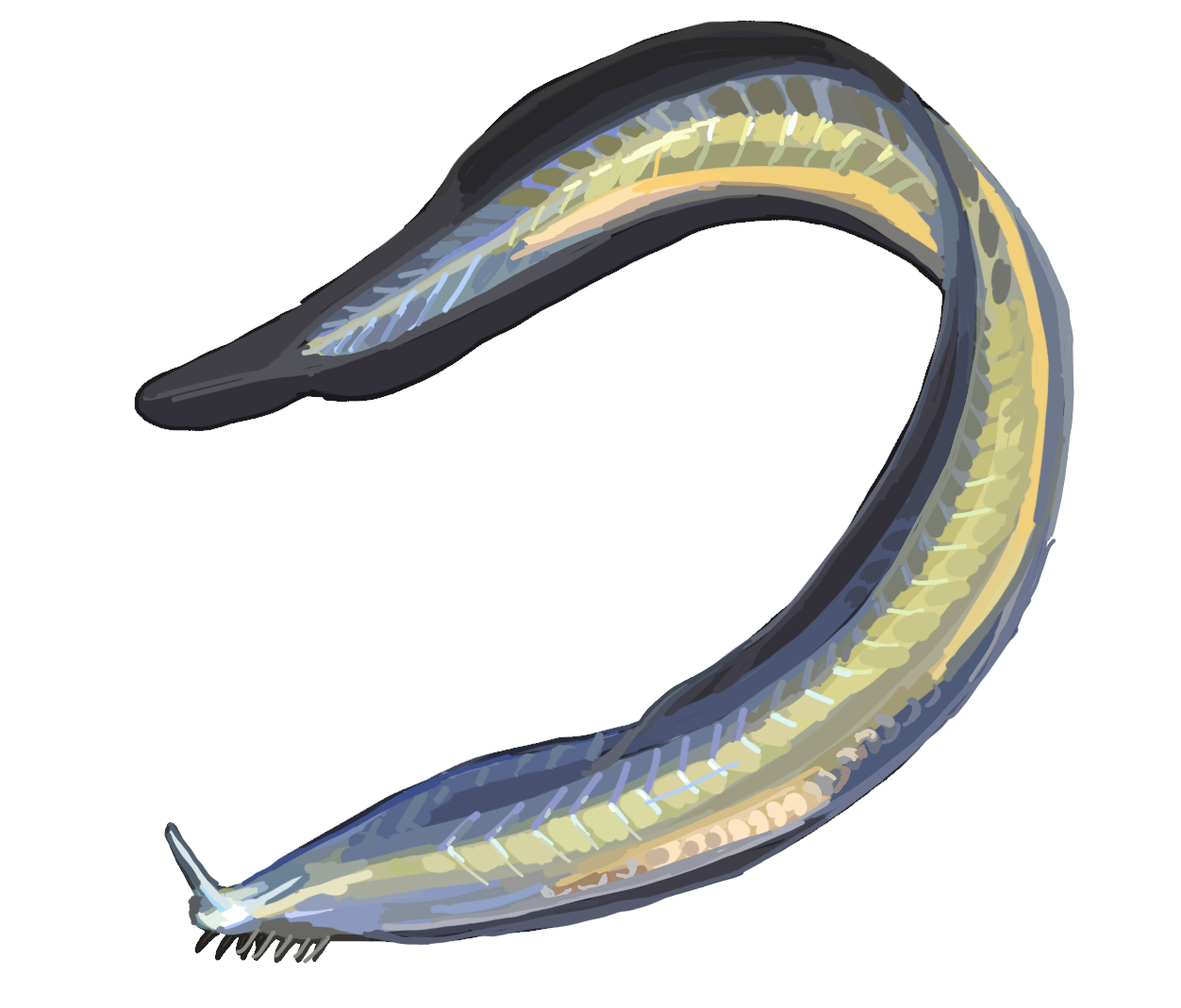
Deep in the fossil-rich shale of British Columbia's Burgess formation lies a small, worm-like creature that changed how we think about our own origins. Pikaia gracilens, barely five centimeters long, is widely regarded as one of the most important fossils ever discovered. It is not a fish, not an insect, not a crustacean. It is something more fundamental: one of the earliest known chordates, the group that includes every vertebrate alive today, from sharks to sparrows to humans.
Discovered in 1911 by the American paleontologist Charles Doolittle Walcott, Pikaia was initially classified as an annelid worm. For decades it sat in museum drawers, unremarkable among the thousands of Burgess Shale specimens Walcott had collected. It was not until 1979, when Harry Whittington and Simon Conway Morris re-examined the fossils, that Pikaia was recognized as a chordate, a creature possessing a notochord, the flexible rod-like structure that defines our entire phylum.
What Made Pikaia Special
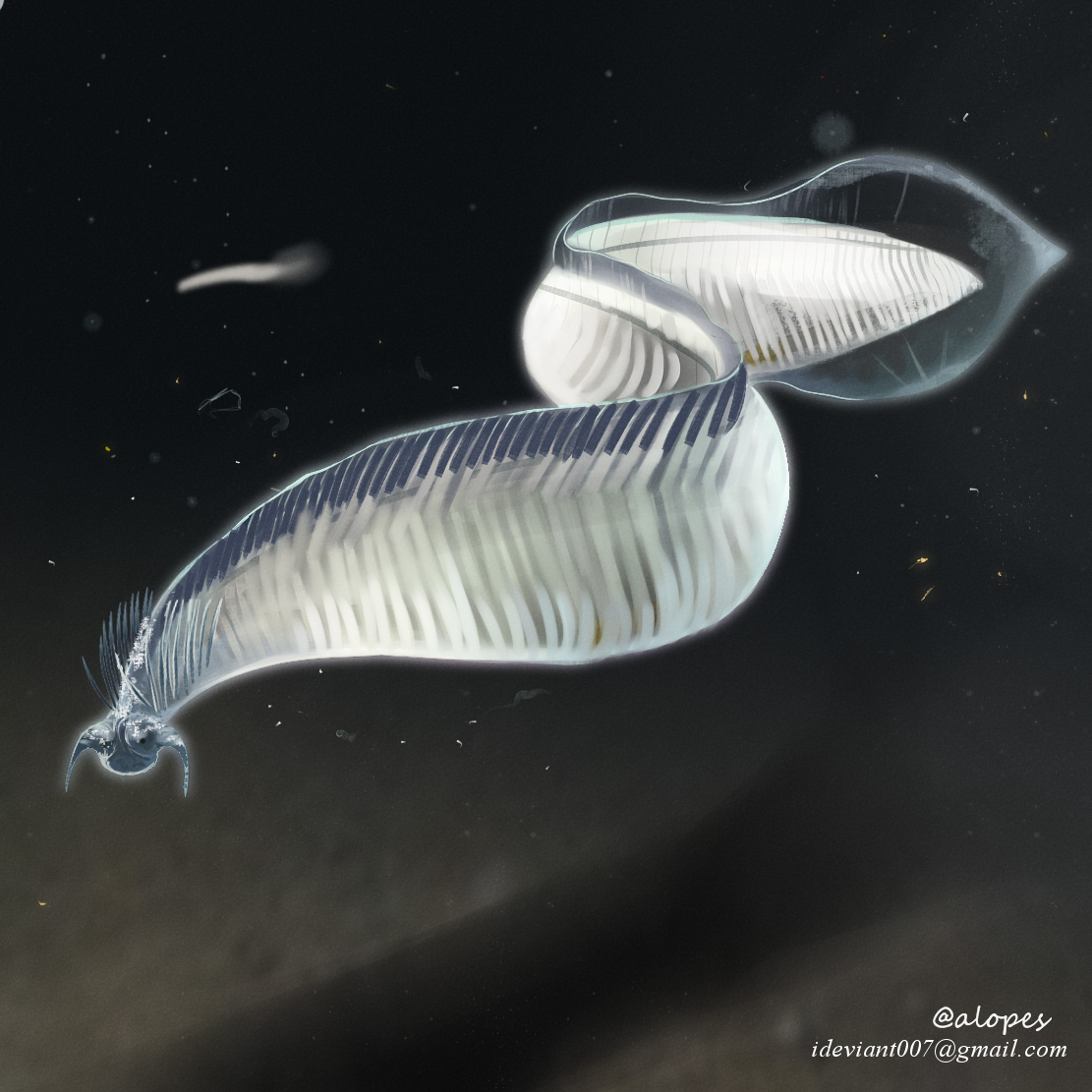
The key features that set Pikaia apart from other Cambrian animals are its notochord and myomeres, the chevron-shaped muscle blocks that run along its body. These are the same structures found in modern lancelets, the small marine invertebrates that are our closest living invertebrate relatives. The notochord provides structural support, while the myomeres allow the kind of undulating, side-to-side swimming motion that later vertebrates would refine for millions of years.
Yet Pikaia was primitive in ways that make it a bridge between invertebrates and chordates. Its body was covered in a thin cuticle, a feature characteristic of worms and arthropods, not vertebrates. It lacked a true head, eyes, or paired fins. In many respects, it was more like a soft-bodied worm with a backbone-like rod than anything resembling a fish.
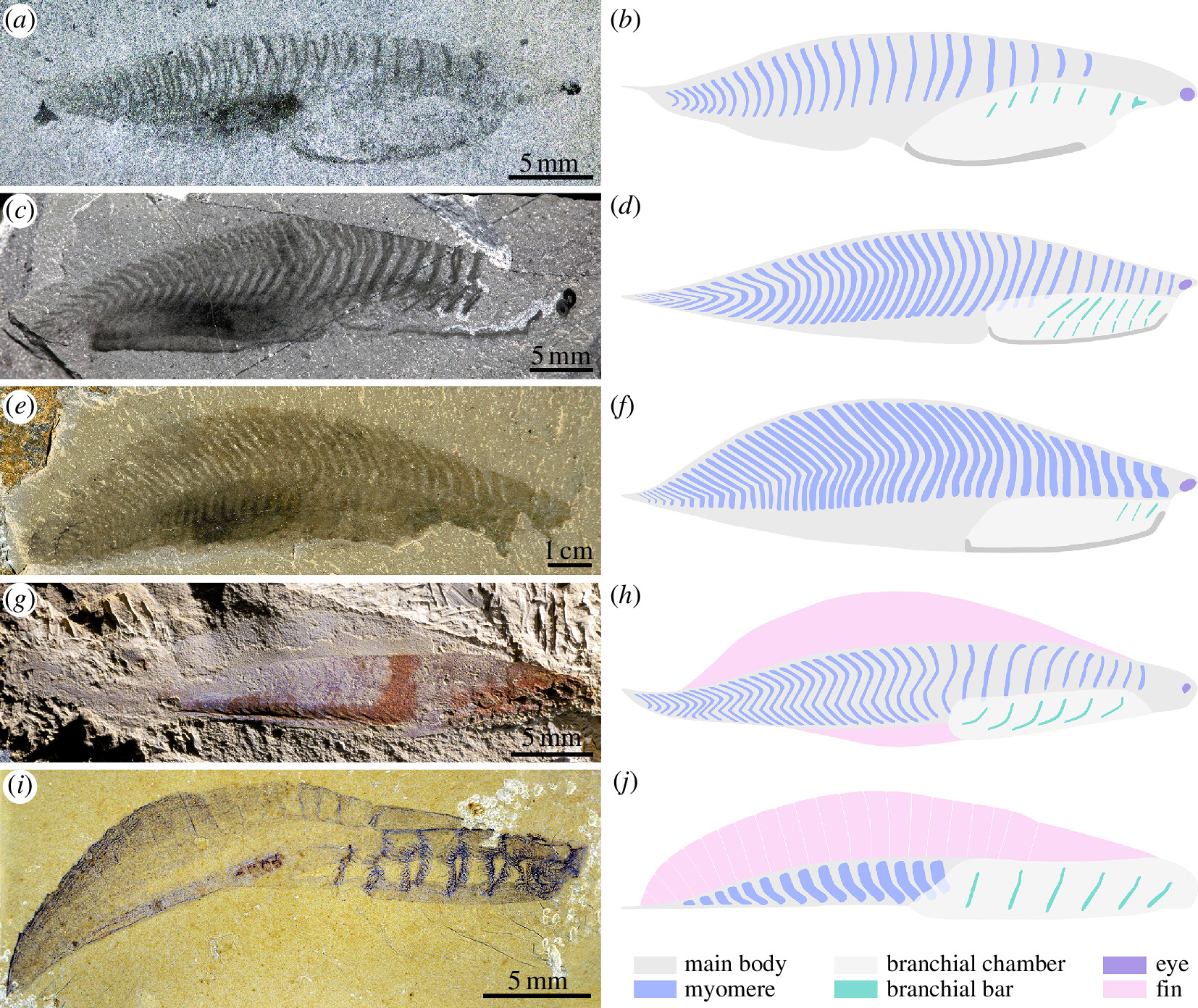
A landmark 2024 study by Mussini and colleagues dramatically revised our understanding of Pikaia. Using advanced imaging techniques, the researchers found evidence of a gut canal, a dorsal nerve cord, and more clearly defined myomeres than previously recognized. They also proposed that the fossil had been interpreted upside down for over a century, with the notochord on what was thought to be the ventral side. This reinterpretation placed Pikaia firmly as a stem-chordate, a creature on the lineage leading to vertebrates but not yet a true member of the crown group.
A Crowded Cambrian Seafloor
Pikaia did not live alone. The Cambrian oceans, roughly 508 million years ago, were teeming with chordate diversity. The Burgess Shale and its Chinese counterpart, the Chengjiang biota, have yielded numerous early chordate fossils that reveal a surprising variety of body plans.
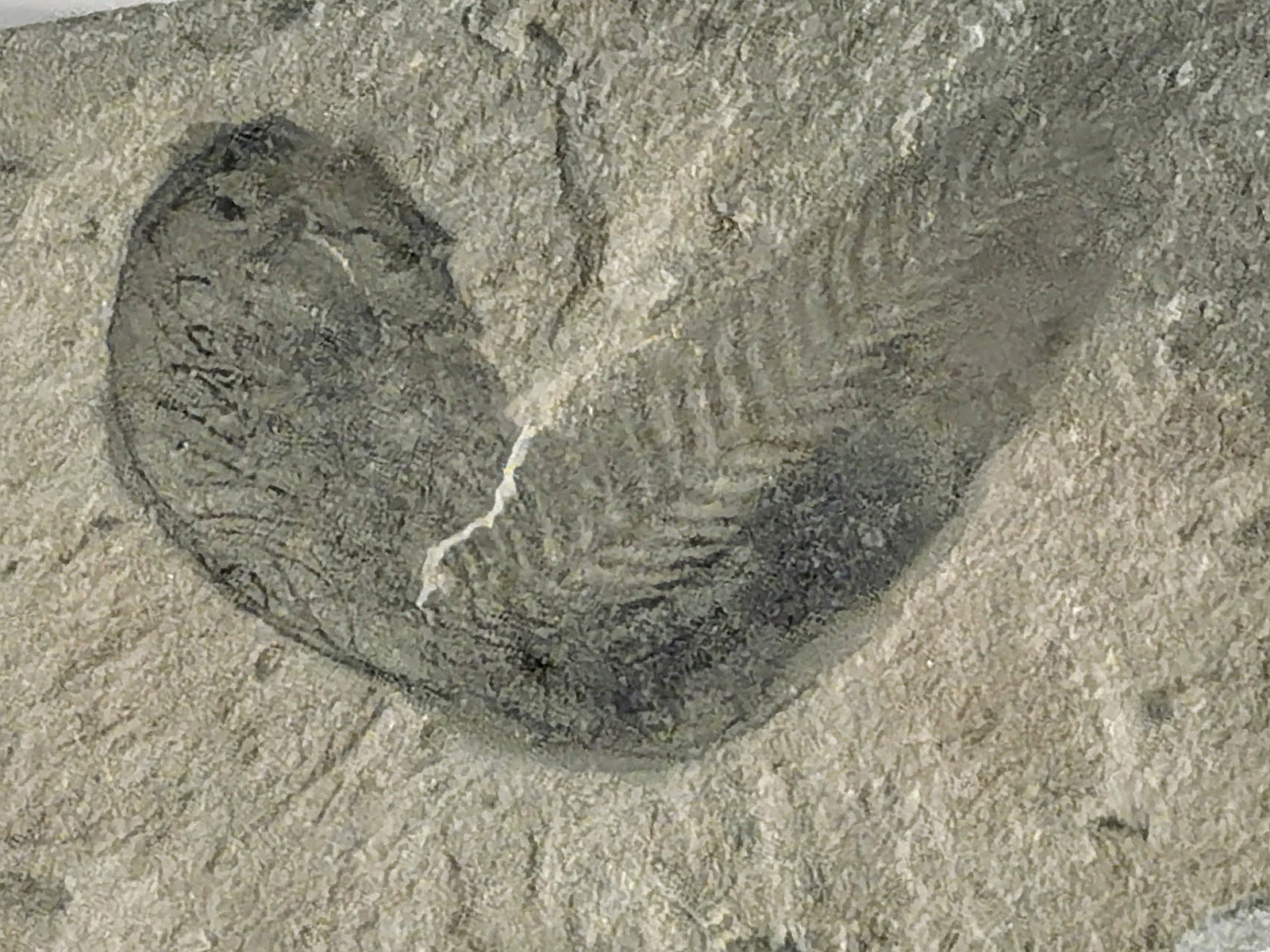
Metaspriggina walcotti, another Burgess Shale resident, was slightly more advanced than Pikaia. It possessed paired eyes, a more defined head region, and structures interpreted as paired gill arches, a feature that anticipates the jaws and gill supports of later vertebrates. Metaspriggina was likely an active swimmer and predator, a step up from Pikaia's more passive lifestyle.
In the Chengjiang biota of Yunnan Province, China, Haikouichthys and Myllokunmingia push the chordate record back even further, to approximately 518 million years ago. These creatures show clear evidence of a skull, gill pouches, and a heart, making them among the earliest animals that can reasonably be called fish. They suggest that the vertebrate body plan was already diversifying within the first ten million years of the Cambrian explosion.
Why Pikaia Matters
The significance of Pikaia extends beyond taxonomy. It demonstrates that the chordate body plan, the architectural blueprint for all vertebrate life, was already in place during the Cambrian explosion. The notochord, myomeres, and dorsal nerve cord that define chordates did not evolve gradually over hundreds of millions of years. They appeared, in recognizable form, in a geological instant.
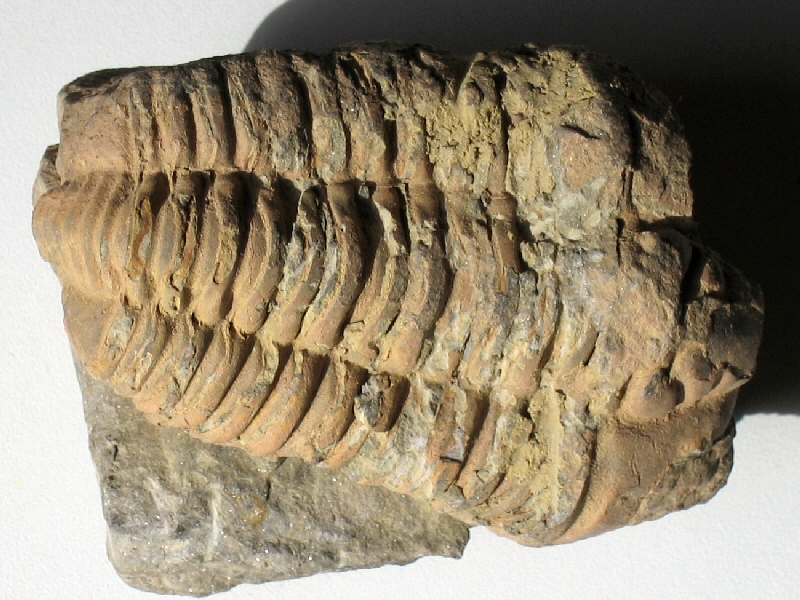
This has profound implications for understanding evolution. The Cambrian explosion, which unfolded over roughly 20 million years, saw the appearance of nearly all major animal body plans. Pikaia and its relatives show that vertebrates were part of this burst of innovation, not a later addition. Our lineage is as old as the trilobites, the anomalocaridids, and the other iconic Cambrian animals.
A Connection to Triops
There is a poetic parallel between Pikaia and the triops that give this site its name. Both appeared during the Cambrian explosion. Both represent ancient body plans that have persisted, in modified form, for over 500 million years. But where triops survived by remaining conservative, essentially unchanged in their basic form, the chordate lineage took a radically different path. From worm-like ancestors like Pikaia, vertebrates evolved jaws, limbs, lungs, and eventually the largest and most complex brains in the animal kingdom.
Triops and Pikaia are like siblings who chose opposite life strategies. One stayed home and lived simply. The other left the tide pool and eventually walked on the moon.
Today, more than 200 specimens of Pikaia have been recovered from the Burgess Shale, housed at the Royal Ontario Museum and the Smithsonian Institution. What began as a misidentified worm in a dusty museum drawer turned out to be one of the most important chapters in the story of how we became human.