Published August 29, 2026, 12:50 by the Triops.me Editorial Team · Back to Articles
Placodonts: Shell Crushers of the Triassic
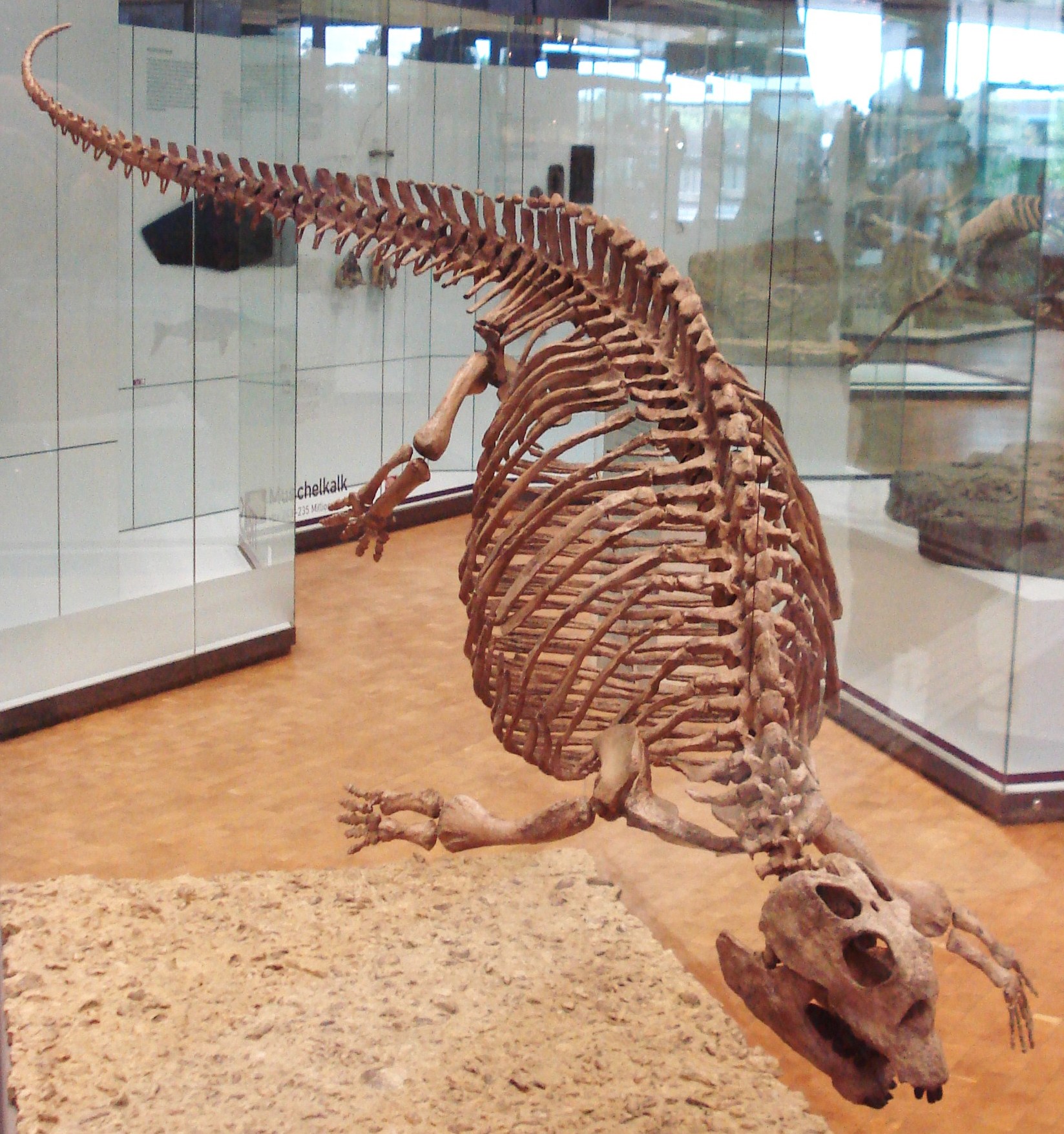
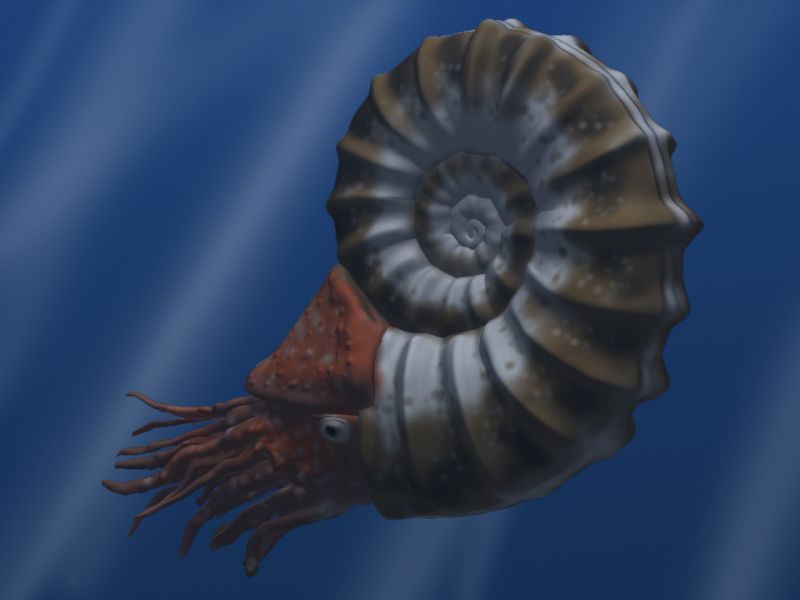
Imagine a marine reptile built like a living nutcracker. It patrols shallow, warm lagoons, scanning the seabed for clams, brachiopods, and ammonites. When it finds a meal, it locks its powerful jaws around the shell and crushes it with ease. This was everyday life for the placodonts, a group of armoured marine reptiles that thrived during the Triassic period, roughly 252 to 201 million years ago.
While Triops have endured for over 200 million years as unassuming pond dwellers, the placodonts took a very different evolutionary path. They grew large, developed heavy body armour, and became specialist predators in the shallow seas of ancient Pangaea. Their story is one of remarkable adaptation, ecological dominance, and eventual extinction at the end of the Triassic.
What Made Placodonts Unique
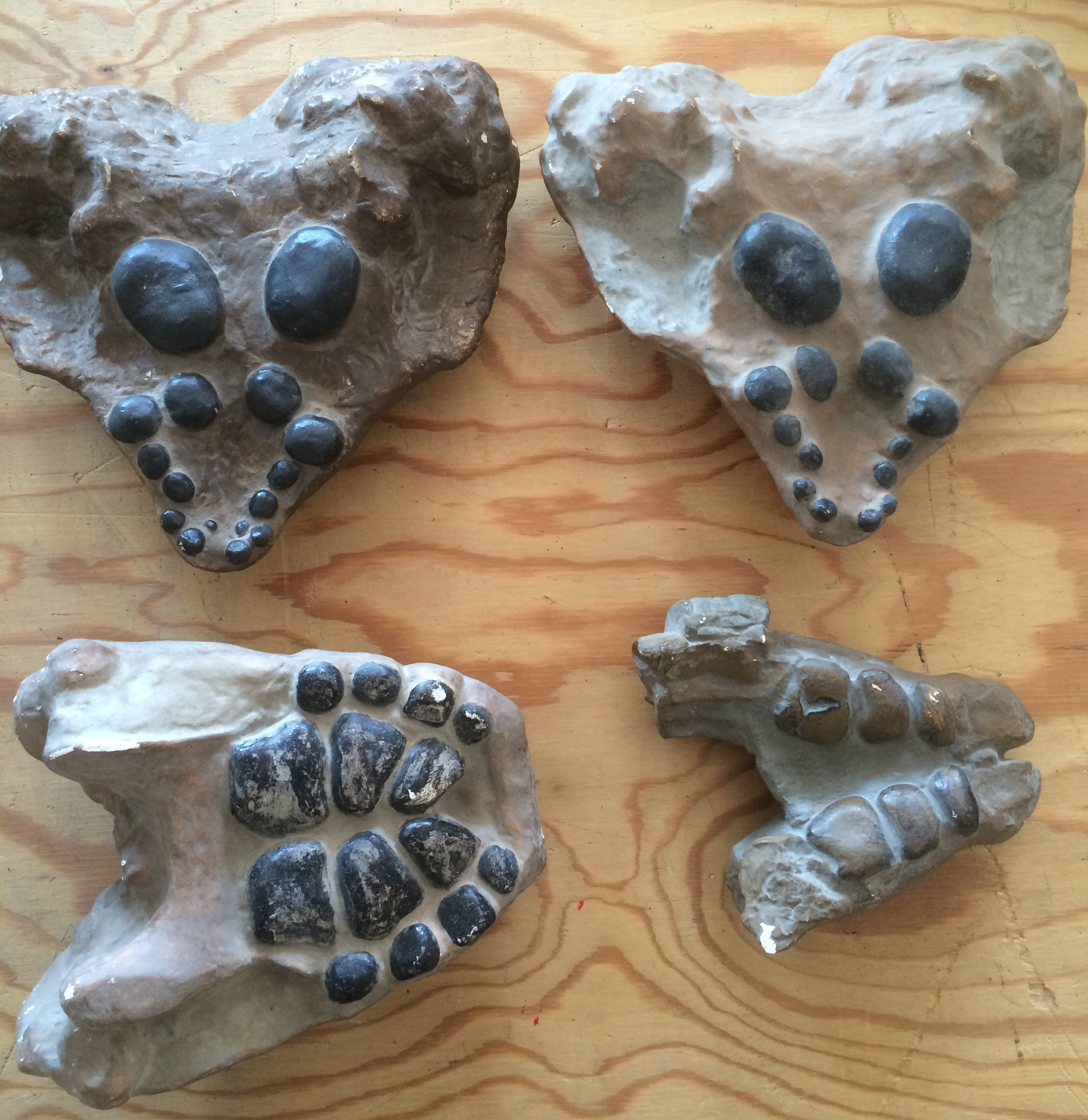
The name "placodont" comes from the Greek words plax (flat stone) and odous (tooth), and it describes the group's most defining feature perfectly. Placodonts possessed broad, flat tooth plates on their palate and lower jaw that worked like grinding surfaces. Unlike the sharp, slicing teeth of other marine reptiles like ichthyosaurs, placodont teeth were built for one purpose: crushing hard-shelled prey.
These tooth plates are remarkably convergent with the crushing jaws of modern-day sheepshead fish or porpoises that eat crabs. The evolutionary solution to eating armoured prey has been reinvented many times across the history of life, and the placodonts were among the first vertebrates to master it.
Beyond their teeth, many placodonts were covered in bony armour called osteoderms. These rounded, pebble-like plates were embedded in their skin, forming a protective shield over the back and flanks. In some species, this armour was so thick and extensive that the animals resemble miniature tanks more than typical marine reptiles.
The Family Tree: Cyamodus, Placodus, and Henodus
Placodonts belong to the broader group Sauropterygia, which also includes the famous long-necked plesiosaurs. However, placodonts diverged early, evolving a body plan optimised for shallow-water foraging rather than open-ocean hunting. Within the placodonts, two major body types emerged.
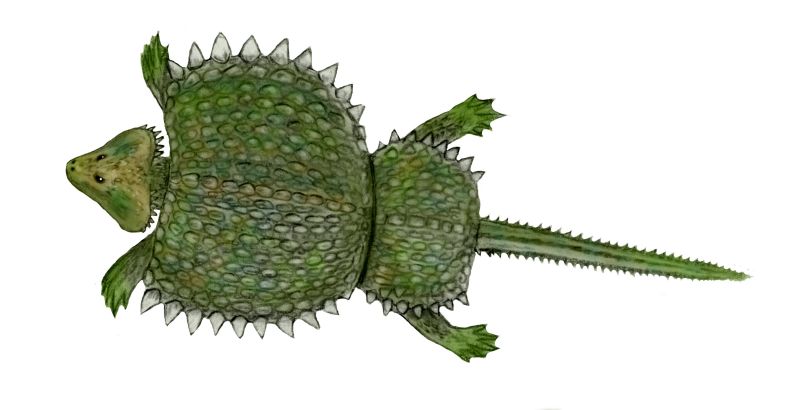
The cyamodontiforms, such as Cyamodus, were compact, heavily armoured animals. Cyamodus itself was relatively small, roughly 70 centimetres long, with a broad skull and a barrel-shaped body covered in thick osteoderms. Think of it as a Triassic snapping turtle with a taste for shellfish. These animals likely spent most of their time walking along the seabed in shallow lagoons, overturning rocks and crushing anything edible.
The placodontiforms, led by the namesake Placodus, were less heavily armoured but grew larger, reaching up to two metres in length. Placodus gigas, the best-known species, had a streamlined body compared to its armoured relatives, suggesting it spent more time swimming in open water. Its fossil record is particularly rich in the Muschelkalk limestone of Germany, where dozens of specimens have been found in what were once shallow tropical seas.
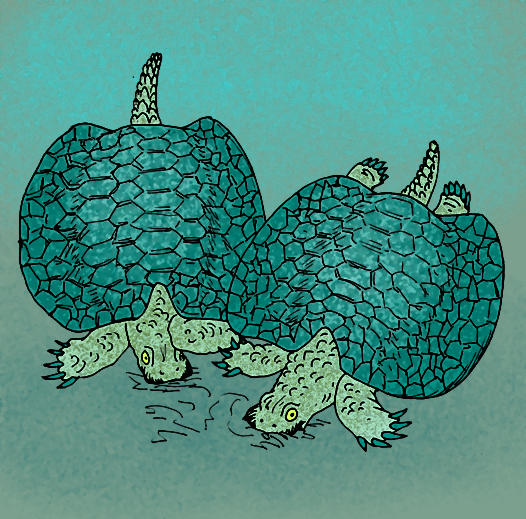
Perhaps the most surprising member of the group is Henodus chelyops. This Late Triassic placodont abandoned the sea entirely and moved into freshwater lakes and lagoons. Henodus had a broad, flat shell resembling a modern turtle, and it lived in a very different world from its marine cousins. Its discovery in the Keuper deposits of Germany proved that placodonts were far more ecologically diverse than scientists initially assumed.
An Ecological Niche in the Triassic
Placodonts occupied an ecological niche that today is filled by crabs, sea urchins, and certain fish. They were benthic feeders, meaning they hunted on the seafloor, and their entire anatomy was built around this lifestyle. Their short, powerful limbs were suited for crawling rather than fast swimming. Their eyes sat high on their skulls, giving them a good view of the seabed below.
The shallow seas of the Triassic were perfect for this strategy. After the devastating Permian-Triassic extinction wiped out over 90% of marine species, the recovering oceans were relatively empty. Placodonts moved into these newly available niches and diversified rapidly. For the first 50 million years of the Triassic, they were among the most common marine reptiles in Tethyan coastal waters.
Their prey base was abundant. The Triassic seas teemed with brachiopods, bivalves, gastropods, and ammonites, all with hard shells perfect for placodont jaws. The relationship between predator and prey drove an evolutionary arms race, with shellfish developing thicker shells and placodonts evolving more powerful crushing plates in response.
The Connection to Triops
It is worth pausing to consider that placodonts and Triops shared the same planet for tens of millions of years. While placodonts cruised the shallow seas crushing shellfish, Triops were already established in freshwater pools, doing what they do best: surviving. The Permian-Triassic extinction that wiped out most marine life created the ecological vacuum that allowed placodonts to diversify, but Triops had already survived that catastrophe in their own quiet way.
Both groups demonstrate different strategies for surviving in a recovering world. Triops relied on cryptobiotic eggs and rapid reproduction, essentially betting on patience and resilience. Placodonts took the opposite approach, investing in heavy armour and specialised feeding apparatus. In the end, patience won. Triops outlasted the placodonts by over 200 million years and are still going strong today.
Extinction: The End of the Shell Crushers
The placodonts did not survive the Triassic period. By the end of the Triassic, roughly 201 million years ago, the group had vanished completely. The Triassic-Jurassic extinction event, one of the "Big Five" mass extinctions, eliminated many marine and terrestrial groups, and the placodonts were among the casualties.
Several factors likely contributed to their decline. The Triassic-Jurassic extinction was driven by massive volcanic eruptions in the Central Atlantic Magmatic Province, which released enormous amounts of CO2 and caused rapid ocean acidification. This would have been devastating for placodont prey, as acidifying waters dissolve the calcium carbonate shells that placodonts depended on. No shellfish, no food, no placodonts.
Competition may have also played a role. During the Late Triassic, new groups of marine reptiles were evolving, including the first plesiosaurs and crocodylomorphs. These animals were more versatile predators, and they may have outcompeted the specialised placodonts as the Triassic progressed.
What Placodont Fossils Tell Us
Fossils of placodonts have been found primarily in Europe and China, reflecting the distribution of the ancient Tethys Sea. The German Muschelkalk limestone is the single richest source of placodont fossils, yielding complete skeletons of Placodus, Cyamodus, and several other genera. Chinese deposits, particularly in Guizhou Province, have produced remarkable armoured specimens that show the diversity of the group in Asian waters.
These fossils provide crucial evidence for understanding how marine ecosystems recover after mass extinction events. The placodonts demonstrate that recovery is not always gradual, and that new groups can diversify rapidly to fill emptied ecological roles. Their story also warns that specialisation, while powerful in stable times, becomes a liability when conditions change abruptly.
Lessons from the Past
The placodonts rose from the ashes of the greatest extinction in Earth's history, dominated their ecosystems for 50 million years, and then disappeared when the world changed again. Their tale mirrors many modern ecological concerns: specialised species are vulnerable to rapid environmental change, and food web collapse can cascade through an ecosystem with devastating speed.
For those of us who keep Triops at home, the placodonts serve as a fascinating counterpoint. Triops succeed precisely because they are not specialised. They eat whatever is available, they breed fast, and their eggs can wait decades for the right conditions. The placodonts, for all their impressive armour and crushing power, bet everything on one ecological strategy. When that strategy stopped working, they had no fallback.
Next time you watch your Triops burrowing in the substrate, remember that their quiet, unassuming ancestors shared the water with some of the most heavily armoured reptiles the world has ever known. And only one lineage is still here.