Published August 23, 2026, 21:01 by the Triops.me Editorial Team · Back to Articles
Plesiosaurs: The Long-Necked Hunters of the Mesozoic Seas
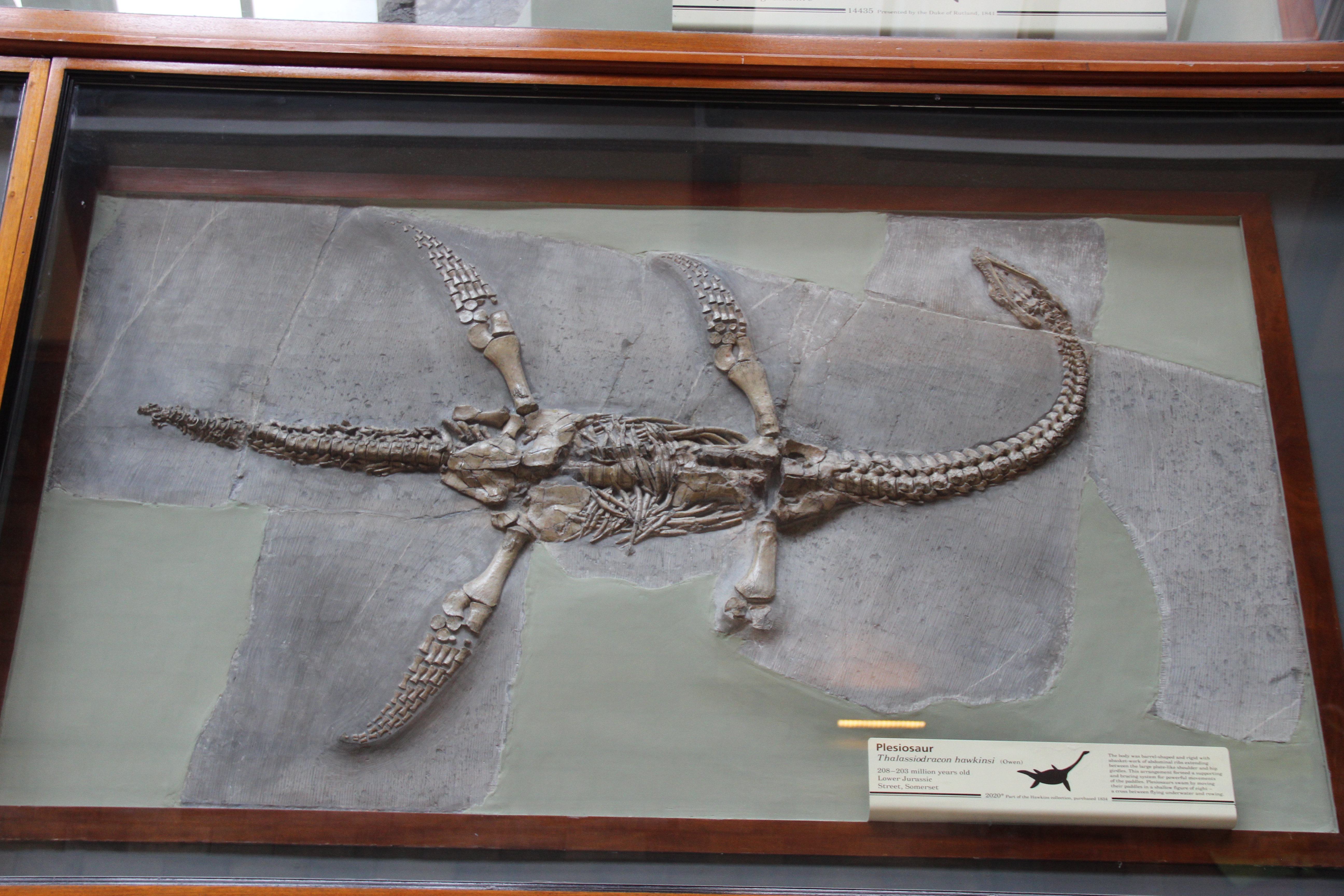
When you picture a prehistoric sea monster, you probably imagine a creature with a long, serpentine neck, a broad body, and four powerful flippers slicing through warm Jurassic waters. That image is a plesiosaur, one of the most successful marine reptile lineages in Earth's history. They first appeared in the Late Triassic, around 203 million years ago, and thrived for roughly 135 million years before vanishing at the end of the Cretaceous. Few marine predators ever lasted so long.
Plesiosaurs belong to the order Plesiosauria, a group that divided early on into two distinct body plans. The long-necked forms, like Plesiosaurus and Elasmosaurus, had small heads perched at the end of necks containing 30 or more vertebrae. The short-necked forms, known as pliosaurs, had massive skulls, powerful jaws, and far fewer neck vertebrae. Liopleurodon, one of the most famous pliosaurs, could reach lengths of 7 meters and bite through bone. Despite these dramatic differences, both groups shared the same basic body design: a wide, flat torso, four limbs modified into stiff paddles, and a short tail.
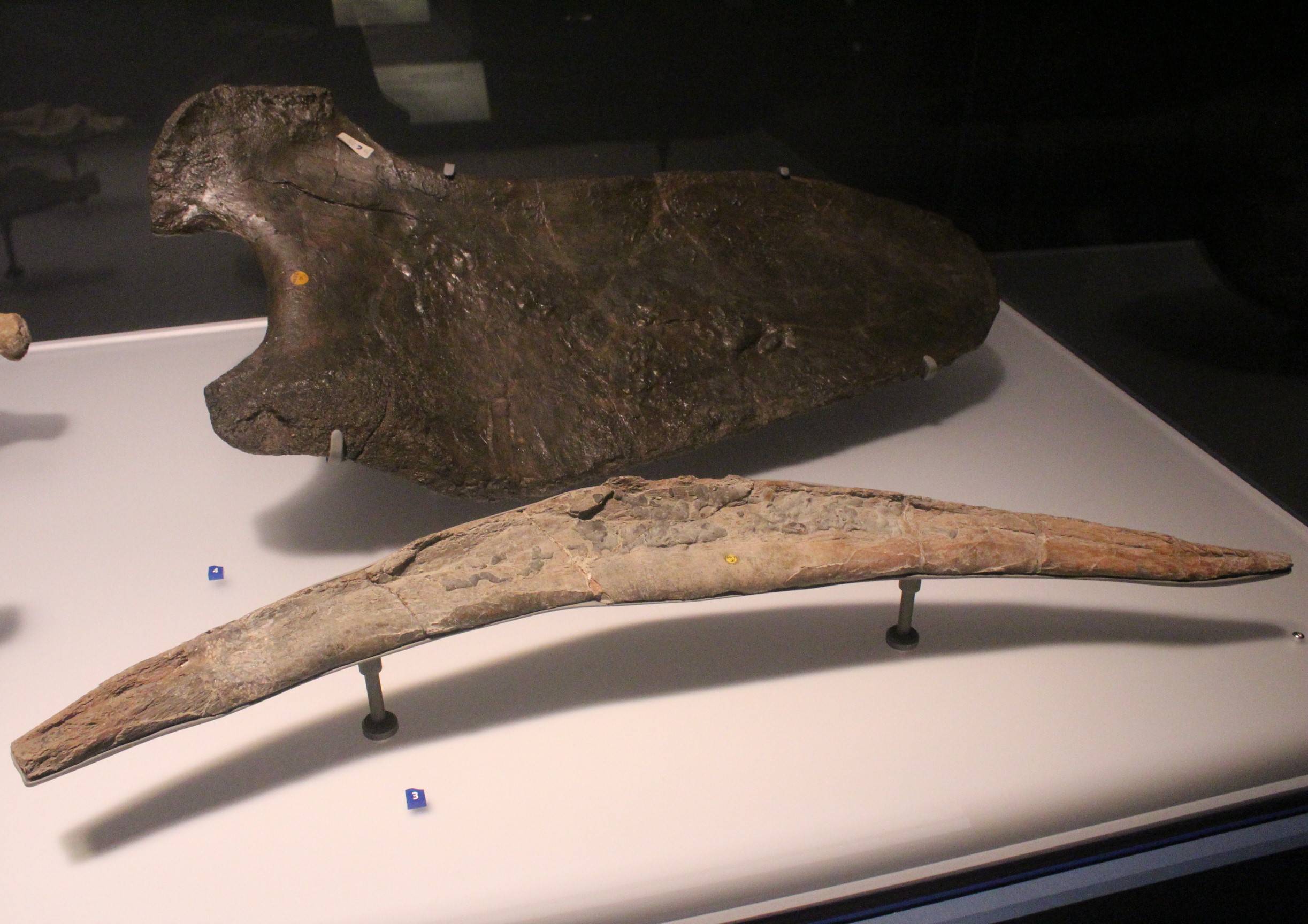
What made plesiosaurs truly unique was how they swam. Unlike ichthyosaurs and mosasaurs, which propelled themselves with their tails, plesiosaurs used all four flippers in a coordinated figure-eight motion. This four-flipper propulsion system has no exact parallel in any living animal. Modern sea turtles use their front flippers like wings, while their rear flippers mainly steer. Plesiosaurs, by contrast, generated thrust from both pairs equally, making them agile but likely not fast in sustained swimming. They were ambush predators, not pursuit hunters.
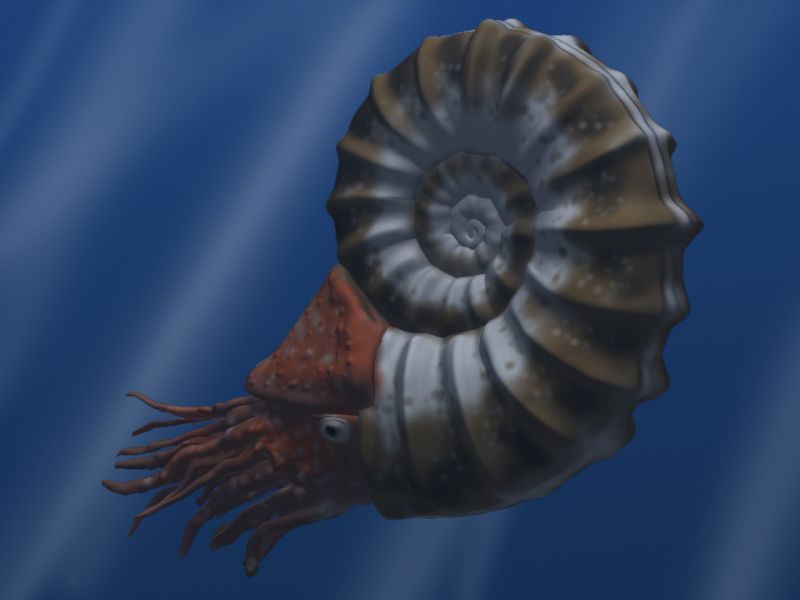
The diet of plesiosaurs varied by group. Long-necked species probably fed on fish and squid, using their flexible necks to sweep through schools of prey with minimal body movement. Pliosaurs were apex predators that hunted other marine reptiles, large fish, and ammonites. Bite marks on fossil plesiosaur bones reveal that they also fought each other, and some species show healed fractures consistent with violent intraspecific competition.
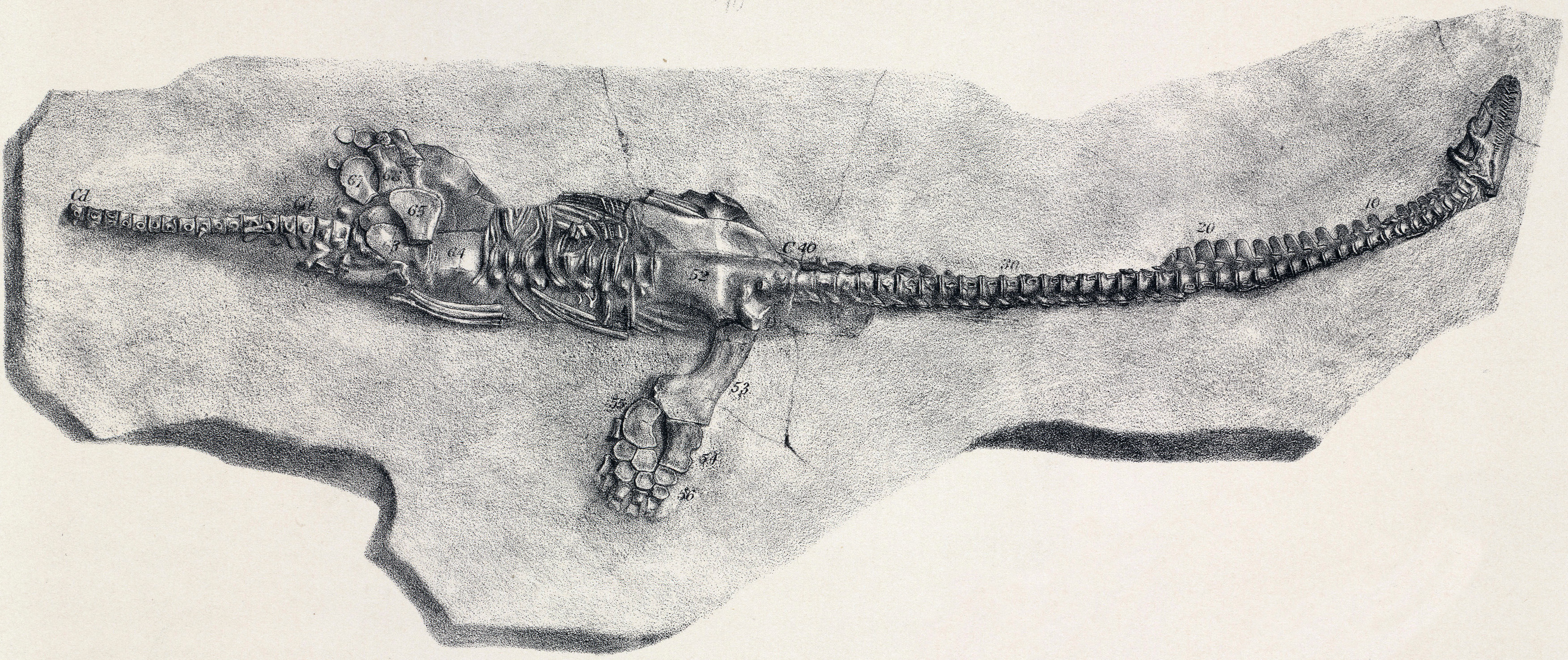
Plesiosaurs left an enormous fossil record across every continent, including Antarctica. Some of the most spectacular finds come from the Jurassic cliffs of Dorset, England, where Mary Anning recovered the first complete plesiosaur skeleton in 1823. Her discovery stunned the scientific world. Georges Cuvier, the leading anatomist of the era, initially thought the specimen must be a forgery because no living reptile had such a body plan. It was real, and it expanded our understanding of what vertebrate life could look like.
The extinction of plesiosaurs, like that of mosasaurs, ammonites, and many other marine groups, came 66 million years ago with the Chicxulub asteroid impact. Shallow sea ecosystems collapsed, food chains unraveled, and the great marine reptile dynasties ended in a geological instant. Unlike the tiny Triops, which survived five mass extinctions by hiding eggs in the mud of temporary ponds, plesiosaurs had no such escape route. They were large, specialized, dependent on stable ocean ecosystems, and could not retreat to the safety of ephemeral pools.
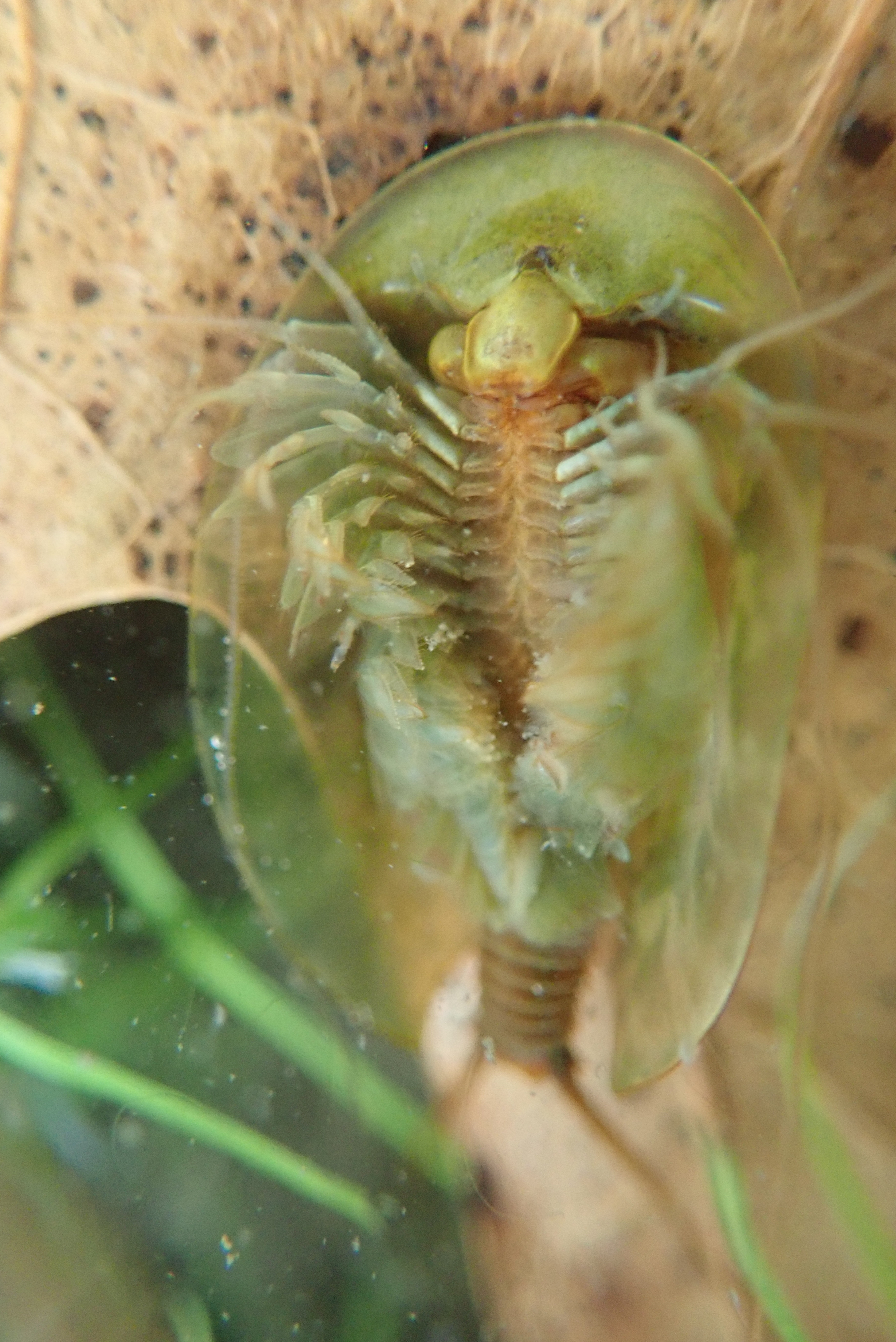
That contrast is worth pausing on. Triops and plesiosaurs are both ancient lineages, but their survival strategies could not be more different. Plesiosaurs dominated through size, strength, and predatory efficiency. Triops survive through tiny size, cryptobiotic eggs, and a willingness to exploit habitats too harsh or temporary for anything else. The plesiosaur strategy worked beautifully for 135 million years, until the world changed too fast. The Triops strategy, less glamorous but more flexible, is still working today.
Fossil evidence suggests plesiosaurs may have given live birth rather than returning to land to lay eggs, as sea turtles do. A remarkable fossil of Polycotylus, a short-necked plesiosaur from Kansas, preserves the skeleton of a single large embryo inside the mother's body cavity. If confirmed broadly across the group, live birth would explain how plesiosaurs remained fully marine throughout their entire lives, never needing to touch shore.
Plesiosaurs are gone, but their fossils continue to reshape our understanding of marine evolution. Every new specimen reveals something unexpected, from the diversity of neck lengths to the surprising variety of flipper shapes. They remind us that the Mesozoic oceans were every bit as complex and competitive as the land ecosystems we know better, and that the history of life on Earth is far richer than the bones of dinosaurs alone can tell.