Published August 26, 2026, 12:03 by the Triops.me Editorial Team · Back to Articles
Pterygotus: The Giant Sea Scorpion That Ruled Ancient Seas
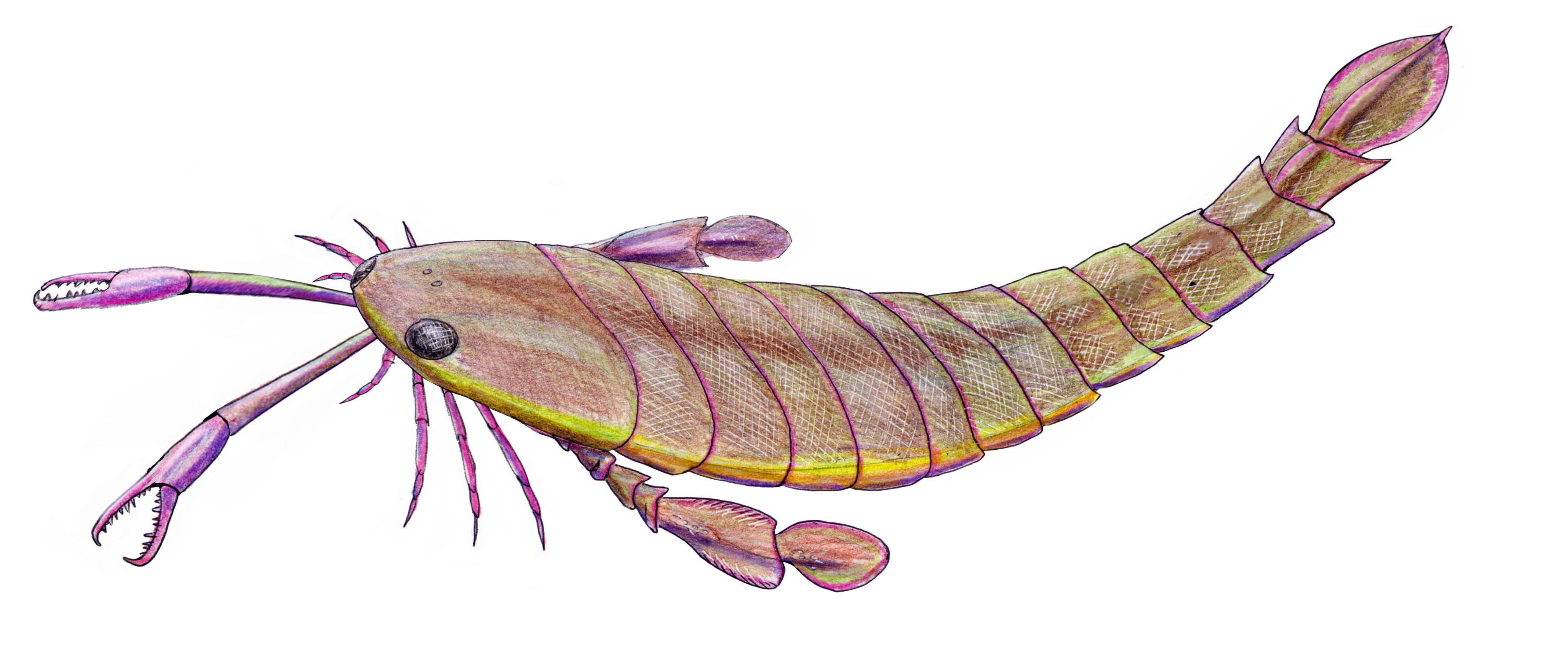
Imagine a predator as long as a tall human, armored from head to tail, gliding through warm, shallow seas with a pair of massive claws stretched out in front. That predator existed. It was called Pterygotus, and for roughly 60 million years it was one of the most formidable hunters in the ocean. As a member of the eurypterids, commonly known as sea scorpions, Pterygotus belonged to a group of ancient arthropods that dominated Paleozoic waterways long before dinosaurs took their first steps on land.
A Name That Means "Winged One"
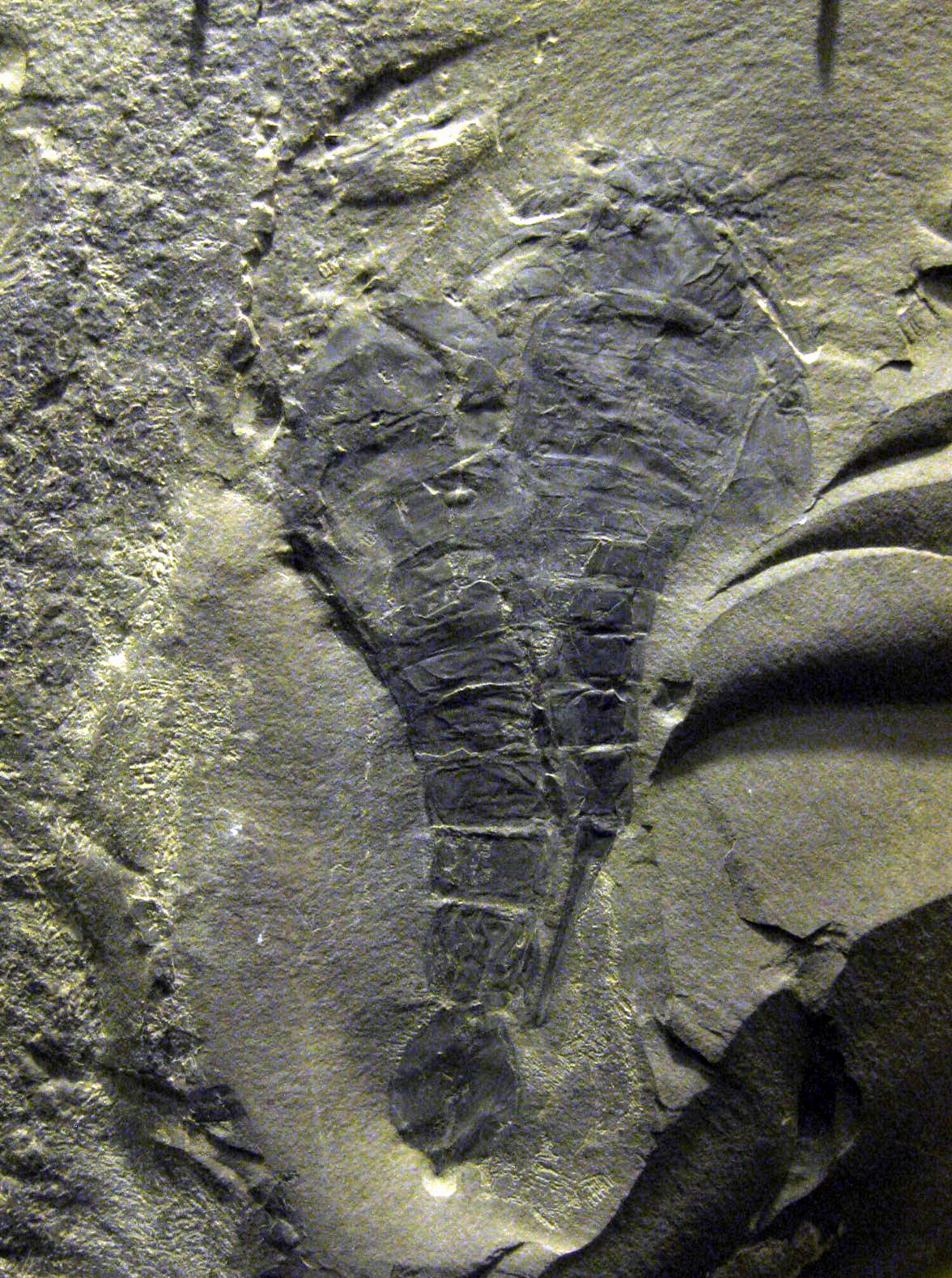
The name Pterygotus was coined in 1839 by Swiss naturalist Louis Agassiz, who derived it from the Greek word for "winged one." This was a mistake. Agassiz believed the fossilized paddle-like appendages he was examining belonged to a giant flying fish. It took him five years, until 1844, to realize he was looking at something far more interesting: the swimming limbs of a giant aquatic arthropod. The type species, Pterygotus anglicus, was first described from fossils found in England, but the genus would eventually be recognized on five continents, from Australia to South America, indicating a nearly worldwide distribution during the Silurian and Devonian periods.
Fossil remains of Pterygotus span from the Middle Silurian (around 430 million years ago) to the Late Devonian (around 370 million years ago). During this vast stretch of time, the genus diversified into at least 13 recognized species, varying enormously in size. The smallest species, P. kopaninensis, measured just 50 centimeters. The largest, P. grandidentatus, may have reached 1.75 meters, or roughly 5 feet 9 inches. That makes it one of the largest arthropods to have ever lived, though its relatives Acutiramus and Jaekelopterus could grow even bigger, with Jaekelopterus reaching an astonishing 2.6 meters.
Built for Killing
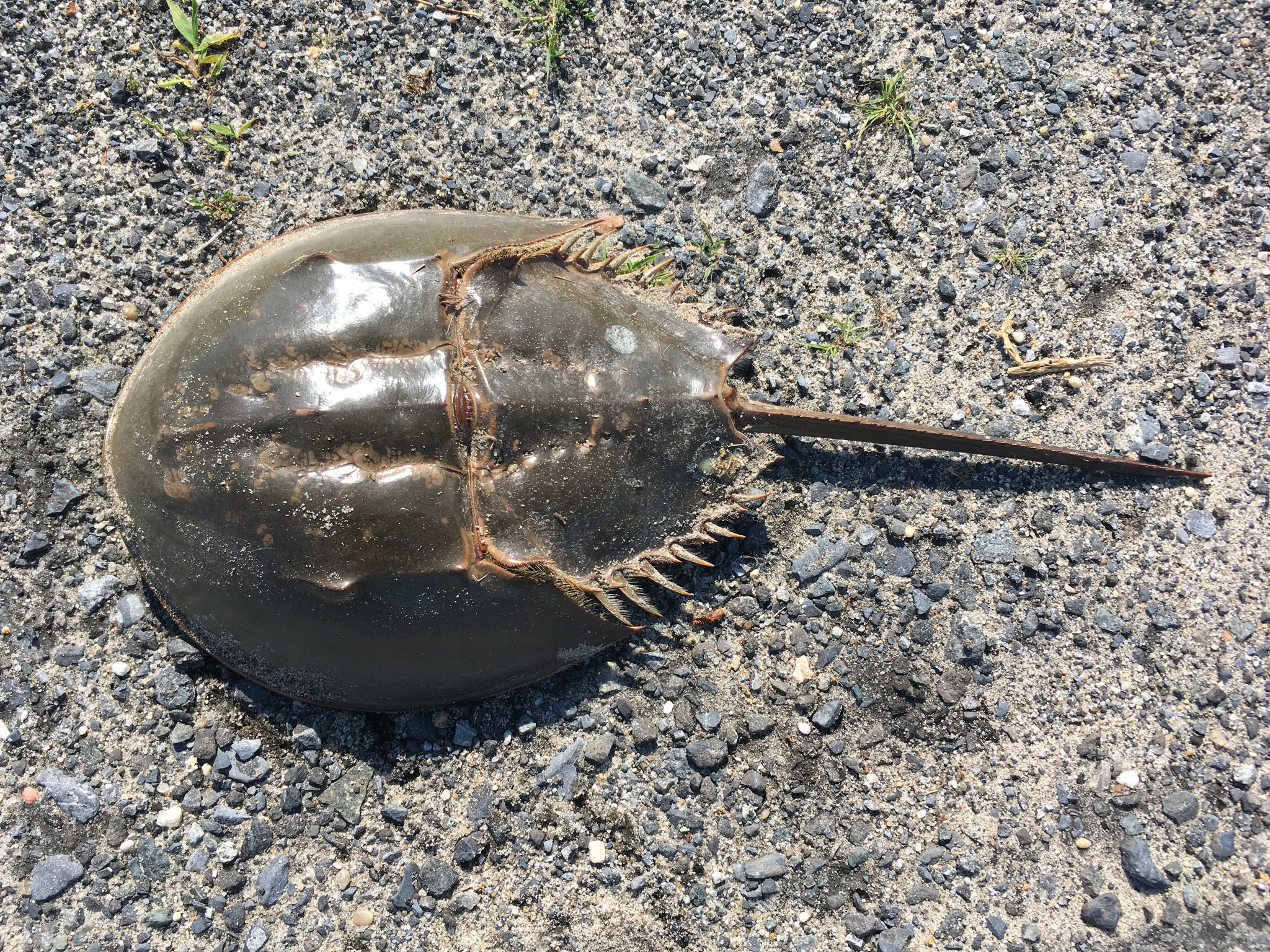
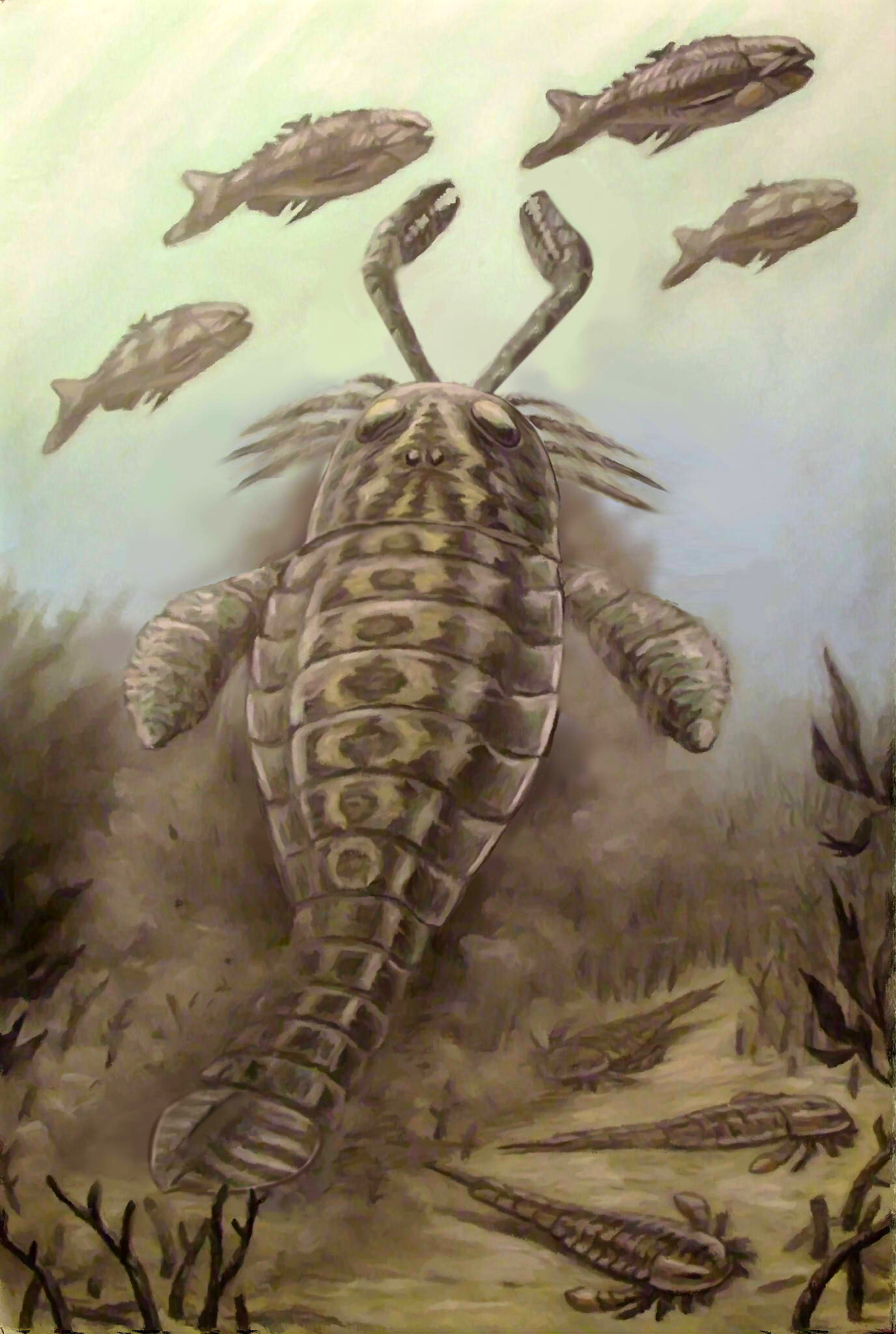
What made Pterygotus so effective as a predator was its toolkit of anatomical weapons. At the front of its body sat a pair of enormous chelicerae, the claw-like appendages shared by all chelicerates (the group that includes spiders, scorpions, and horseshoe crabs). In Pterygotus, these chelicerae were disproportionately large, robust, and equipped with sharp, serrated teeth along their inner edges. Paleontologists believe these claws could puncture the tough exoskeletons of trilobites and other armored prey, functioning less like the delicate pincers of a modern scorpion and more like a pair of biological bolt cutters.
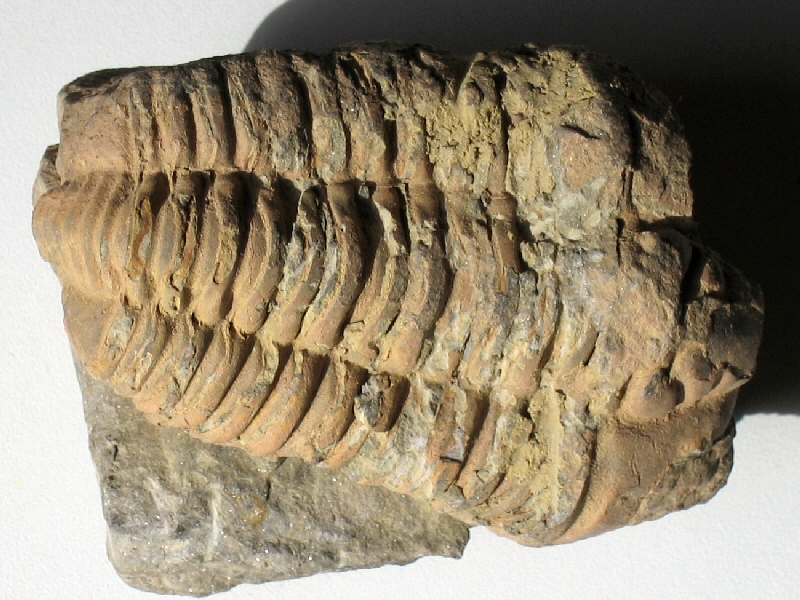
Equally impressive were the creature's eyes. Compound eye fossils from Pterygotus reveal a visual system with remarkable acuity, comparable to that of modern predatory arthropods like jumping spiders. Estimates suggest the animal could resolve fine detail at distances relevant to hunting, giving it a decisive advantage in the murky, shallow waters it called home. Some researchers have proposed that Pterygotus was an ambush predator, lying in wait on the seafloor before lunging at passing fish or unsuspecting trilobites with its crushing claws.
Anatomy of a Giant
Like all eurypterids, Pterygotus had a body divided into two main sections: the prosoma (head shield) and the opisthosoma (segmented body). The prosoma was broad and semicircular, housing the eyes, mouthparts, and the bases of the chelicerae. Behind it, the opisthosoma consisted of 12 segments that gradually narrowed toward the rear. The final segment bore a flattened, paddle-shaped telson, which the animal used for swimming and steering through the water.
The last four segments of the opisthosoma, called the pushers, were wider and bore swimming legs modified into broad, flat paddles. These paddle-legs, along with the telson, made Pterygotus a surprisingly agile swimmer for something its size. Fossil trackways suggest that while it could walk along the bottom using its forward legs, it spent significant time in open water, cruising above the seabed in search of prey.
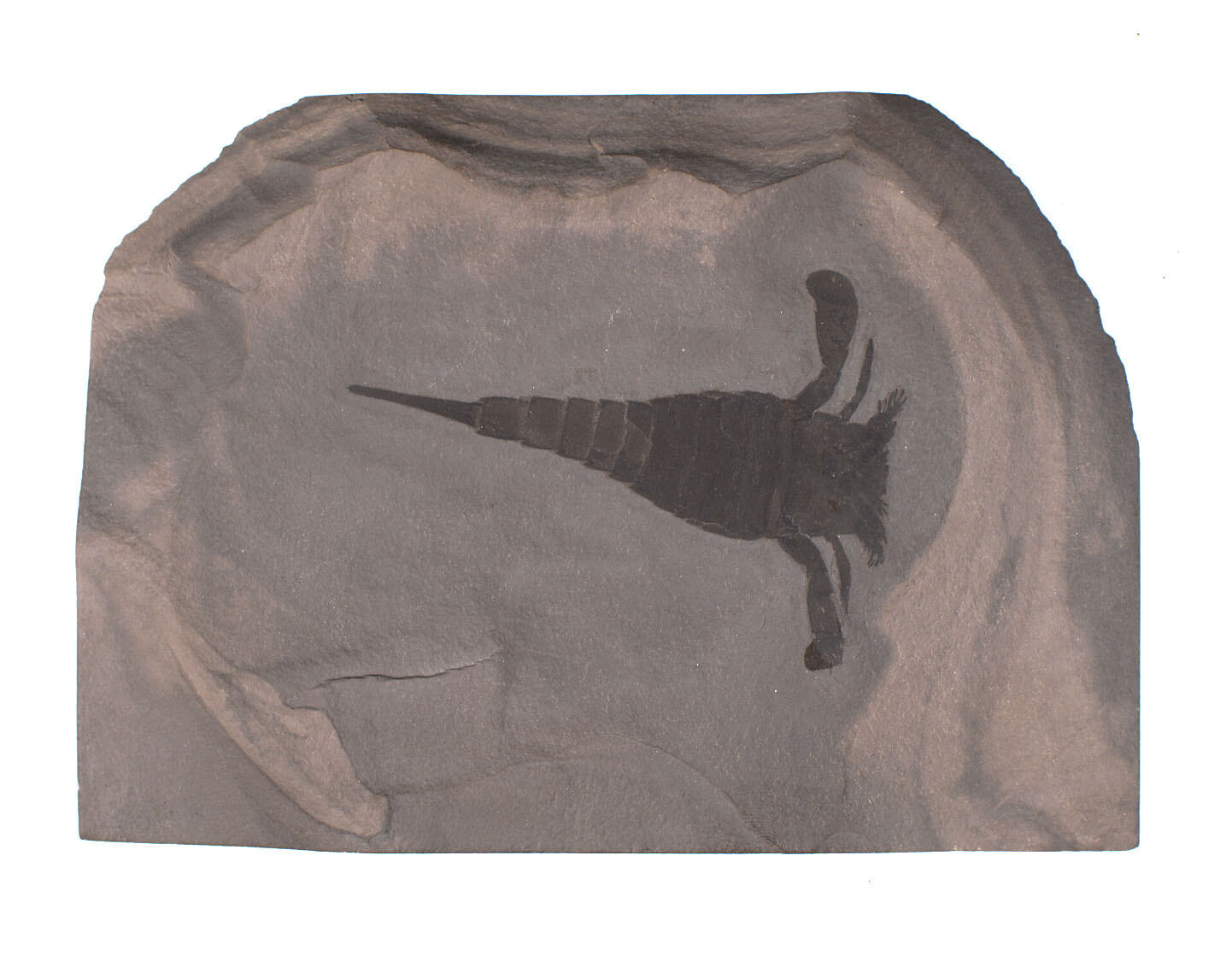
Fossil specimens have been recovered from multiple continents and a range of sedimentary environments. In North America, particularly New York State, exceptional specimens have been found in Silurian-age limestones. In England, the type species P. anglicus was preserved in similar marine deposits. These findings paint a picture of an animal that was cosmopolitan, thriving in warm, shallow seas across the ancient supercontinent of Gondwana and beyond.
Why It Matters
Pterygotus matters because it challenges our assumptions about what arthropods can achieve. Modern arthropods are limited in size by their exoskeletons and the way they breathe, using passive diffusion or simple book lungs. Yet here was an arthropod that grew to nearly two meters, actively hunted in open water, and sustained itself for millions of years across the entire globe. Studying Pterygotus helps paleontologists understand the limits of arthropod body plans and the environmental conditions that allowed such giants to evolve.
The eventual extinction of the pterygotid eurypterids, including Pterygotus, coincided with the late Devonian diversification of jawed fish. As sharks, armored placoderms, and large predatory lobe-finned fish became more diverse and more numerous, the ecological niche that Pterygotus occupied was gradually overtaken. The sea scorpions did not disappear overnight, but over millions of years they were outcompeted by vertebrates that were faster, more flexible, and better equipped for the open ocean.
A Legacy in Stone
Today, fossils of Pterygotus can be found in natural history museums around the world. The Schiele Museum in North Carolina displays specimens alongside their smaller cousin Eurypterus remipes, offering visitors a vivid sense of the size difference between a typical sea scorpion and the giants of the group. Meanwhile, ongoing fossil discoveries, particularly in China and Australia, continue to expand our understanding of this remarkable genus and its place in the history of life on Earth.
The story of Pterygotus is a reminder that the Paleozoic seas were every bit as dramatic as the age of dinosaurs. Long before the first tyrannosaur roamed the land, giant armored predators were ruling the waves, armed with claws that could crush bone and eyes sharp enough to track every movement of their prey. Pterygotus was proof that nature's most fearsome designs did not require a backbone.