Published August 08, 2026 by the Triops.me Editorial Team · Back to Articles
How to Raise Triops at Home: A Complete Beginner's Guide
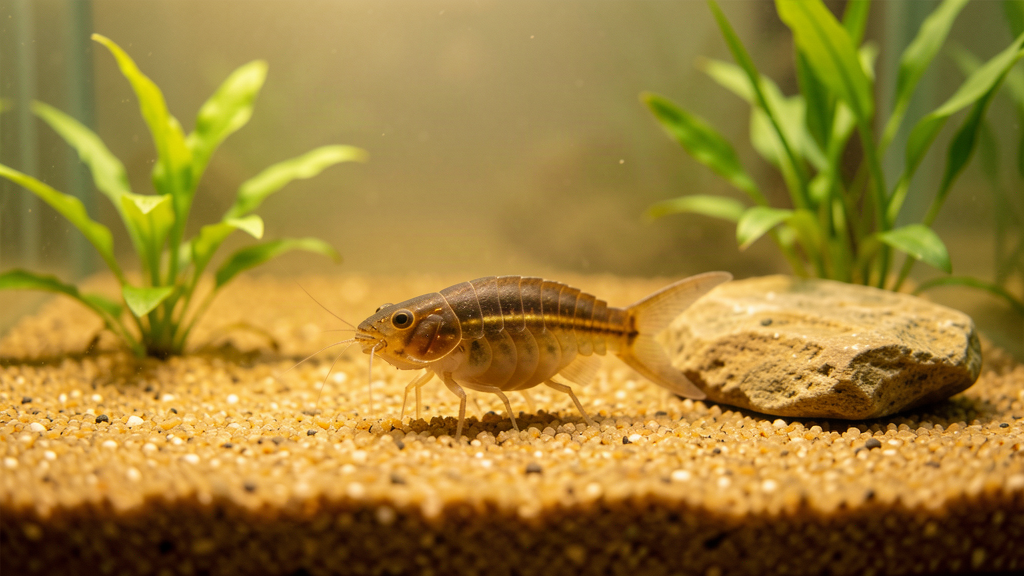
If you're looking for a unique, low-maintenance pet that's perfect for kids and adults alike, learning how to raise triops at home might be exactly what you need. These fascinating prehistoric creatures have been around for over 200 million years, predating even the dinosaurs. They're easy to care for, require minimal space, and offer an incredible educational experience for the whole family.
In this comprehensive guide, we'll walk you through everything you need to know about triops care, from setting up the perfect habitat to feeding and maintaining healthy, thriving triops populations.
What Are Triops?
Triops are small freshwater crustaceans belonging to the class Branchiopoda. Often called "tadpole shrimp" or "shield shrimp," these remarkable triops pets get their name from the three eyes on their heads. They're sometimes called "living fossils" because their basic body plan has remained virtually unchanged for hundreds of millions of years.
The most common species kept as pets are Triops cancriformis and Triops longicaudatus. Both species are hardy, adaptable, and perfect for beginners. In the wild, triops are found in temporary ponds and puddles, which explains their remarkable ability to survive harsh conditions through a process called diapause.
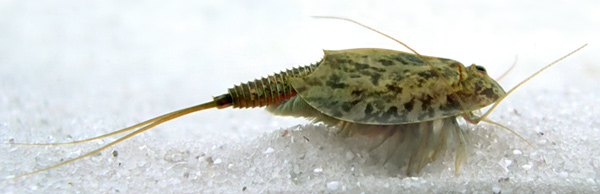
What You'll Need to Raise Triops
Before you begin your journey to raise triops, gather these essential supplies:
- Tank or container: A 1-2 gallon tank or plastic container
- Triops eggs: Purchase from a reputable supplier
- Substrate: Clean sand or aquarium gravel
- Dechlorinated water: Spring, distilled, or treated tap water
- Thermometer: To monitor water temperature
- Light source: Natural sunlight or small aquarium light
- Food: Commercial triops food or fish flakes
Step 1: Setting Up the Tank
Choose a clean, clear container and add about 1-2 inches of clean sand or fine gravel to the bottom. This substrate helps triops forage for food and provides a more natural environment. Fill the container with dechlorinated water, leaving about an inch of space at the top. The water level should be 2-4 inches deep for hatching, and can be increased to 4-6 inches once the triops grow larger.
Place the tank in a location that receives indirect sunlight. Direct, intense sunlight can overheat the water and harm your triops. A spot near a north-facing window is ideal. Avoid areas near heating vents or air conditioning units, as temperature fluctuations can stress your triops pet.
Step 2: Hatching the Eggs
This is where the magic happens! When you're ready to hatch your triops eggs, add them to the tank and sprinkle them evenly across the water surface. The eggs will sink to the bottom and begin to develop within 24-72 hours, depending on water temperature and species.
Keep the water temperature between 70-85°F (21-29°C) for optimal hatching. Most triops eggs hatch within 2-3 days, but some may take up to a week. You'll notice tiny nauplii (baby triops) swimming near the surface within days. They'll look like tiny, pale dots, and you can watch them grow and transform into recognizable triops shapes within a week.
Step 3: Caring for Baby Triops
Once your baby triops have hatched, your triops care routine begins. The first 48-72 hours are critical, so follow these guidelines:
Feeding: Start with small amounts of food. Commercial triops food, powdered fish flakes, or even hard-boiled egg yolk crumbled into fine particles work well. Feed tiny amounts once or twice daily, removing any uneaten food after a few hours to prevent water quality issues. Overfeeding is the most common mistake new triops keepers make, so err on the side of less food.
Water quality: Maintain clean, dechlorinated water. If you notice the water becoming cloudy, perform a partial water change of 25-30% using dechlorinated water at the same temperature as the tank. Never replace all the water at once, as sudden changes can shock and kill your triops.
Temperature: Keep water temperature stable between 70-80°F (21-27°C). Use a thermometer to monitor daily, and adjust room temperature if needed. Avoid placing the tank near windows that receive direct afternoon sun, as this can cause temperature spikes.
Step 4: Feeding Adult Triops
As your triops grow into adults, they'll become more active foragers and less dependent on frequent feeding. Adult triops can graze on algae, biofilm, and microscopic organisms in the tank. Supplement their diet with commercial triops food, fish flakes, spirulina powder, or finely chopped vegetables like blanched spinach or lettuce.
Feed adult triops once daily, offering only what they can consume within 5-10 minutes. Watch their behavior: if they're actively swimming and exploring, they're healthy and well-fed. If they appear lethargic or stop moving, check water conditions and temperature immediately.
Step 5: Understanding the Triops Life Cycle
One of the most rewarding aspects of keeping triops is observing their complete life cycle. Most triops species live 20-90 days, depending on species, temperature, and care. As they mature, females will begin laying eggs. These eggs are incredibly resilient and can survive complete drying, extreme temperatures, and even passage through digestive systems of animals.
When your triops eventually reach the end of their natural lifespan, you can collect their eggs from the tank and dry them for future hatchings. This is how wild triops populations survive in temporary ponds and puddles, and it's one of nature's most remarkable survival strategies. Learn more about the fascinating world of triops and their incredible adaptations.
Common Mistakes to Avoid
When you raise triops, avoid these common pitfalls:
- Overfeeding: This causes water quality problems and can kill your triops
- Temperature fluctuations: Keep conditions stable to avoid stress
- Using untreated tap water: Chlorine and chemicals are toxic to triops
- Placing the tank in direct sunlight: This can overheat the water
- Ignoring water changes: Regular maintenance keeps triops healthy
- Using too large a tank initially: Babies can struggle to find food in very large tanks
Tips for Success
Keep a log of when you hatched your triops, water temperature readings, and feeding schedules. This helps you identify patterns and troubleshoot any issues. Many experienced triops keepers maintain multiple tanks to ensure continuity of their colonies, since triops have a finite lifespan.
Join online communities and forums dedicated to triops keeping. You'll find valuable advice, troubleshooting tips, and egg-swapping opportunities with other enthusiasts. The triops community is welcoming and helpful, with experienced keepers happy to share their knowledge.
Conclusion
Learning to raise triops is a rewarding hobby that combines education, entertainment, and a connection to prehistoric life. With minimal investment in equipment and time, you can witness the entire life cycle of these incredible creatures from eggs to adults. Whether you're a parent looking for an educational pet for your children, a science enthusiast, or simply someone seeking a unique hobby, triops care offers something special for everyone.
Ready to start your own triops colony? With this guide and a little patience, you'll be raising healthy, thriving triops in no time. The ancient world is waiting to come alive in your home!