Published August 25, 2026, 18:01 by the Triops.me Editorial Team · Back to Articles
Silurian Reef Builders: The Architects of Earth's Ancient Oceans
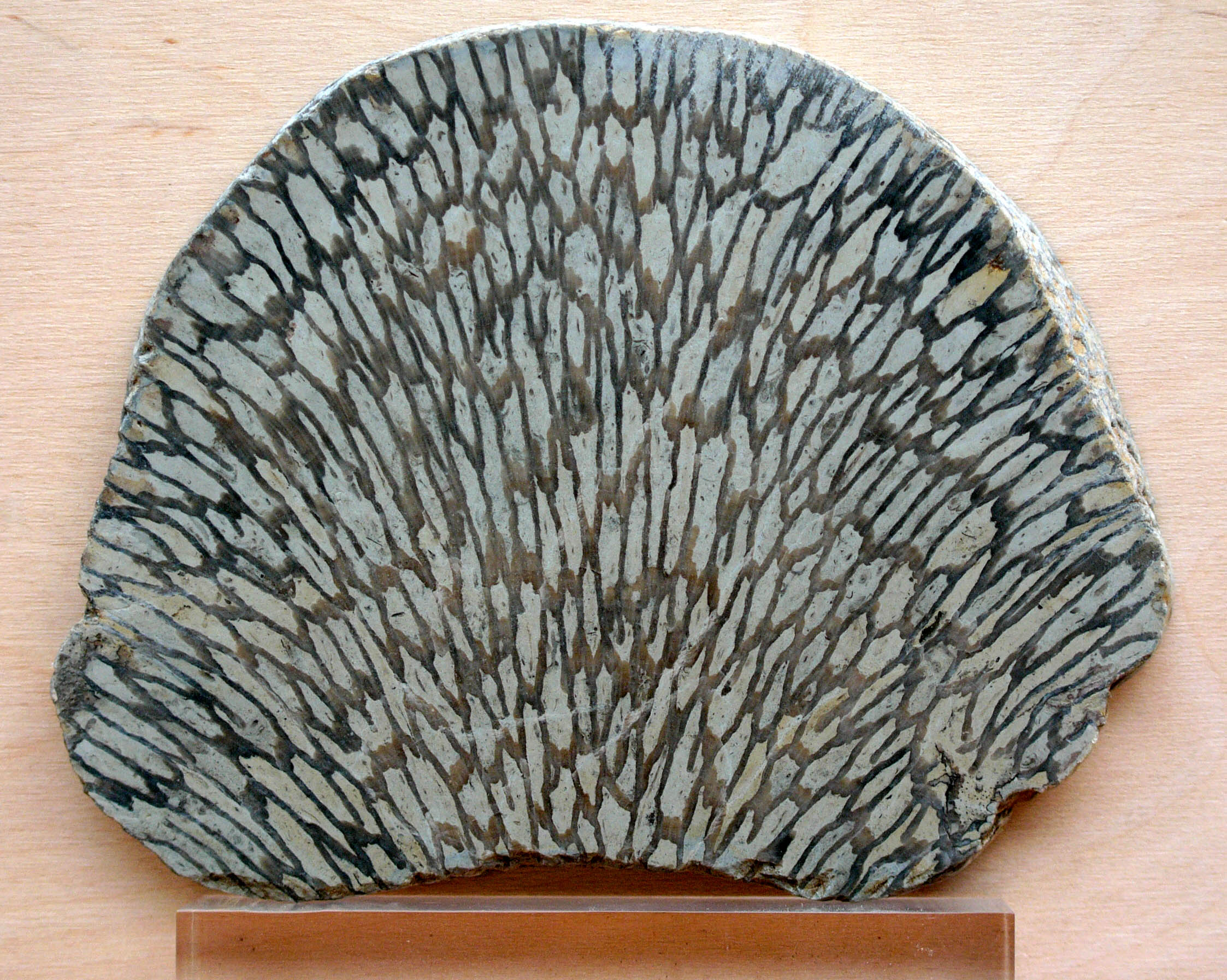
Today, coral reefs cover less than one percent of the ocean floor, yet they support roughly a quarter of all marine species. We tend to think of reefs as a modern phenomenon, something shaped by the corals we see on snorkeling holidays. But 440 million years ago, during the Silurian period, Earth's oceans hosted reef systems that dwarfed anything alive today. These ancient structures were not built by the corals we know. They were built by creatures most people have never heard of, organisms that turned warm shallow seas into sprawling underwater cities of calcium carbonate and living tissue.
Recovery After Extinction
The story of Silurian reefs begins with catastrophe. The end of the Ordovician period, roughly 443 million years ago, brought one of the five great mass extinctions. Glaciation locked up enormous volumes of water, sea levels plummeted, and tropical reef habitats simply vanished. By the time conditions improved in the early Silurian, the reefs were gone. The ocean floor was bare limestone and mud, stripped of the complex biogenic structures that had taken tens of millions of years to assemble.
What followed was one of the most remarkable comebacks in the history of life. Within roughly ten million years, new reef communities rebuilt themselves from scratch. The organisms that led this recovery were not the same ones that had built the Ordovician reefs. A new cast of characters had stepped onto the stage, and they would create reef architectures more elaborate than anything Earth had seen before.
Stromatoporoids: The Forgotten Reef Giants
The primary architects of Silurian reefs were stromatoporoids, organisms that most textbooks dismiss in a sentence or two. For decades, scientists debated whether stromatoporoids were sponges, corals, or something else entirely. Modern research using thin sections and electron microscopy has largely settled the question: they were a class of calcified sponges, related to modern stony sponges but capable of building structures that stretched across hundreds of square meters.
Stromatoporoids grew in layered sheets, domes, and massive columns. Their skeletons, made of calcite, accumulated over generations to form the structural backbone of the reef. Some colonies grew to several meters across, creating enormous platforms on which other organisms settled. Think of them as the living foundation stones of the ancient reef, the concrete around which everything else took shape.
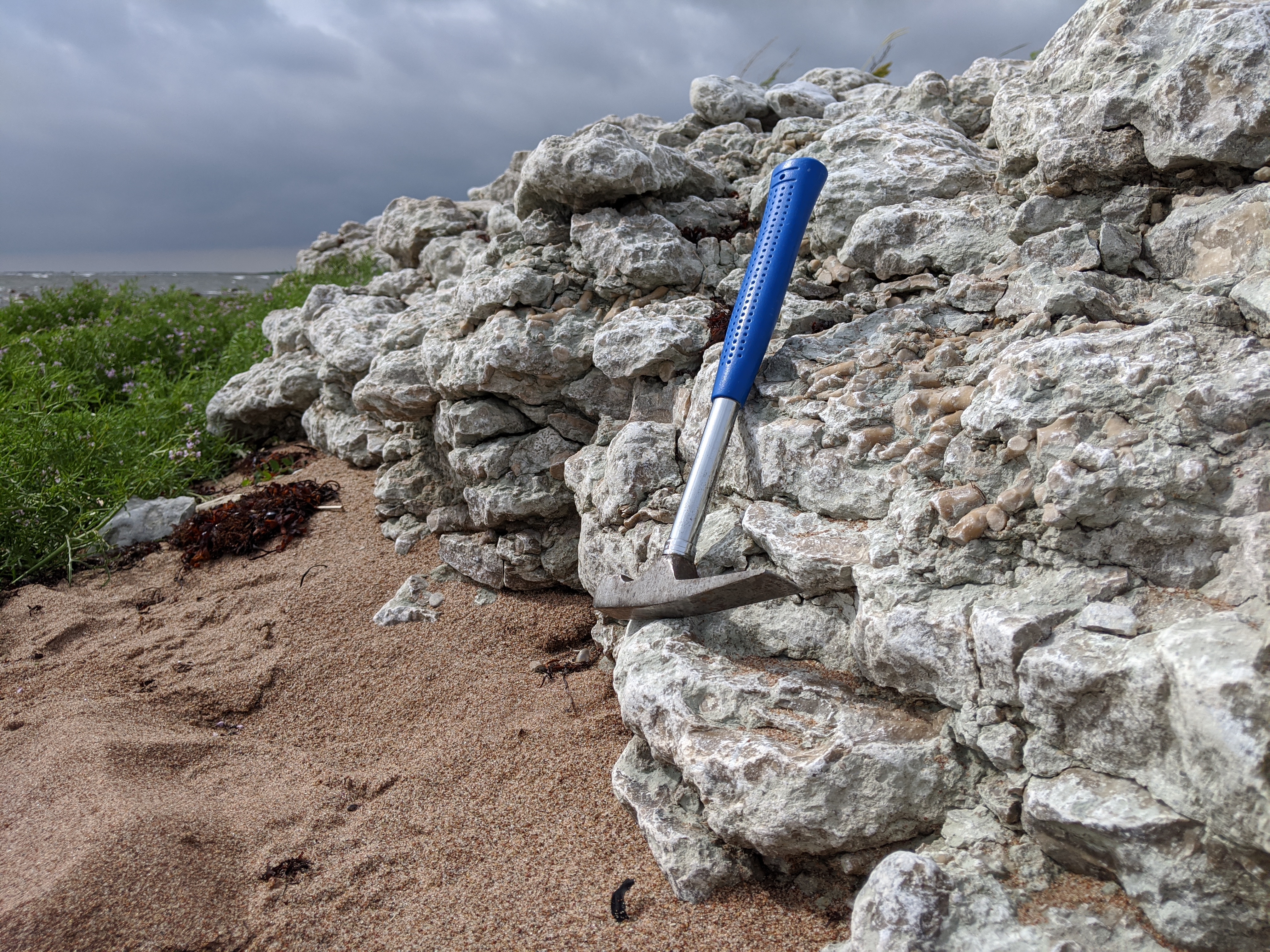
In the Silurian seas of what is now Gotland, Sweden, stromatoporoid reefs accumulated to thicknesses of over 100 meters. Walking through the limestone quarries of Gotland today, you can still see the massive, rounded shapes of stromatoporoid colonies embedded in the rock, their growth layers visible to the naked eye like the rings of a felled tree, except each ring represents thousands of years of slow calcification on a tropical seafloor.
Tabulate and Rugose Corals: The Supporting Cast
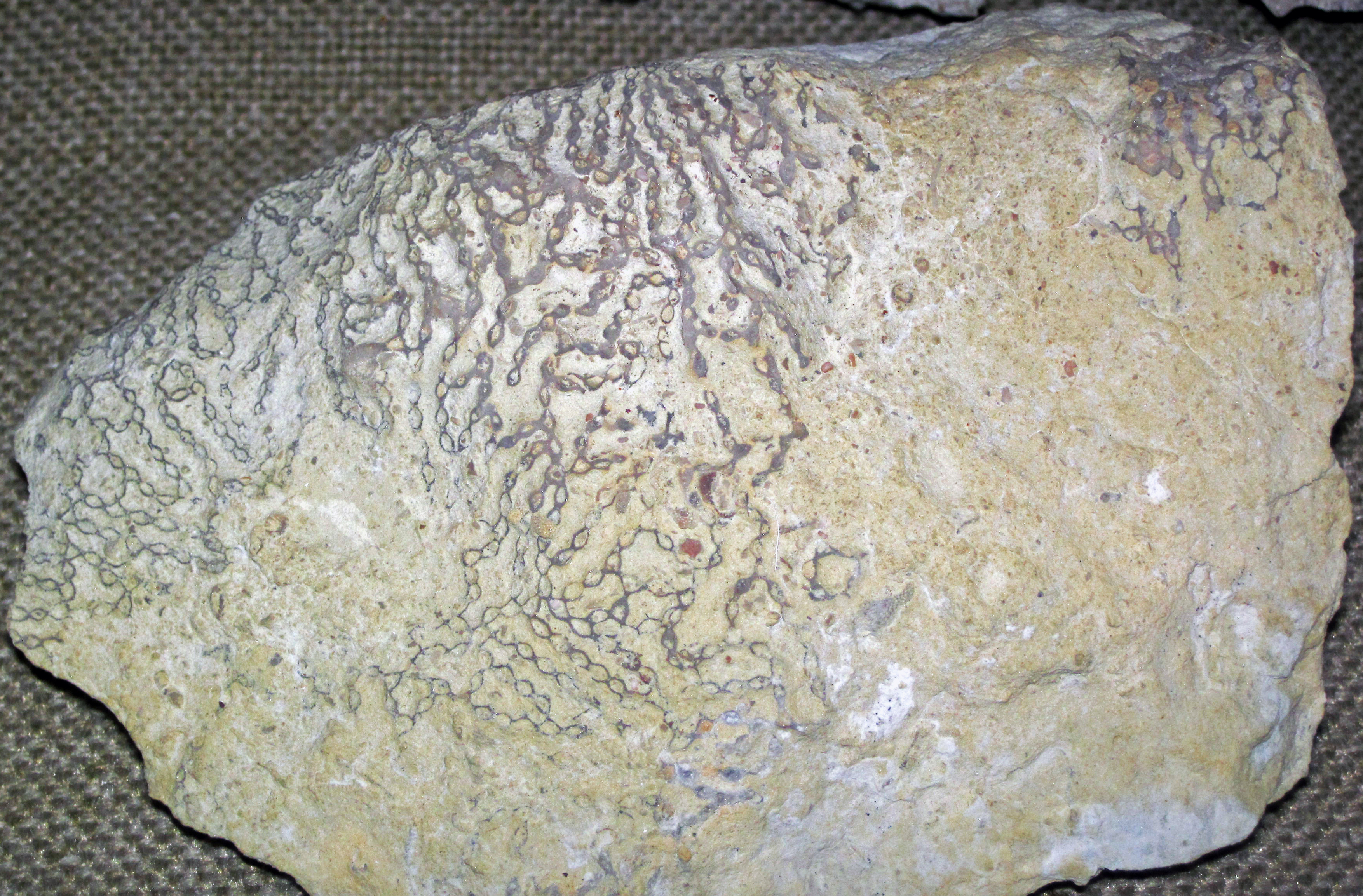
Two groups of corals shared the reef with stromatoporoids, and both are now completely extinct. Tabulate corals, named for the flat tabulae or floors that divided their internal chambers, grew in honeycomb-like colonies. Species like Halysites formed distinctive chain-like patterns across the reef surface, their corallites linked in branching loops that are instantly recognizable in the fossil record. Other tabulates, such as Favosites, packed their corallites tightly together, creating dense, encrusting mats that reinforced the reef framework.
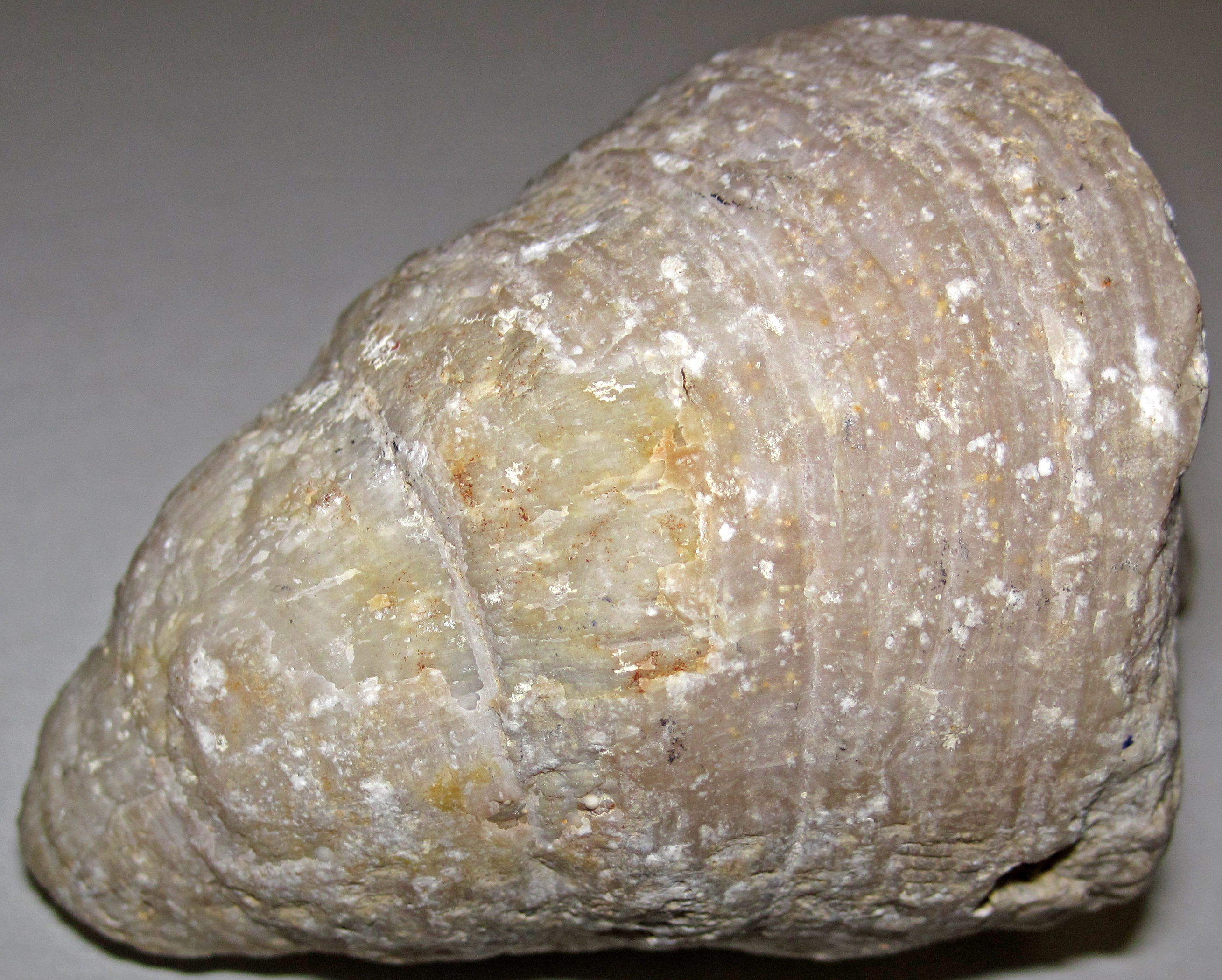
Rugose corals, often called horn corals for their conical shape, lived both as solitary individuals and in small colonies. Their skeletons were built of calcite arranged in a distinctive four-fold symmetry, quite different from the six-fold pattern seen in modern corals. Rugose corals were less important as reef builders than stromatoporoids or tabulates, but they filled ecological niches within the reef structure, colonizing crevices and shadowed surfaces where larger builders could not take hold.
Together, stromatoporoids, tabulates, and rugose corals formed a three-tier reef system: massive stromatoporoid domes as the foundation, tabulate coral frameworks filling the gaps, and rugose corals occupying the margins. This layered architecture gave Silurian reefs a structural complexity that rivaled anything in the modern ocean.
The Reef Community
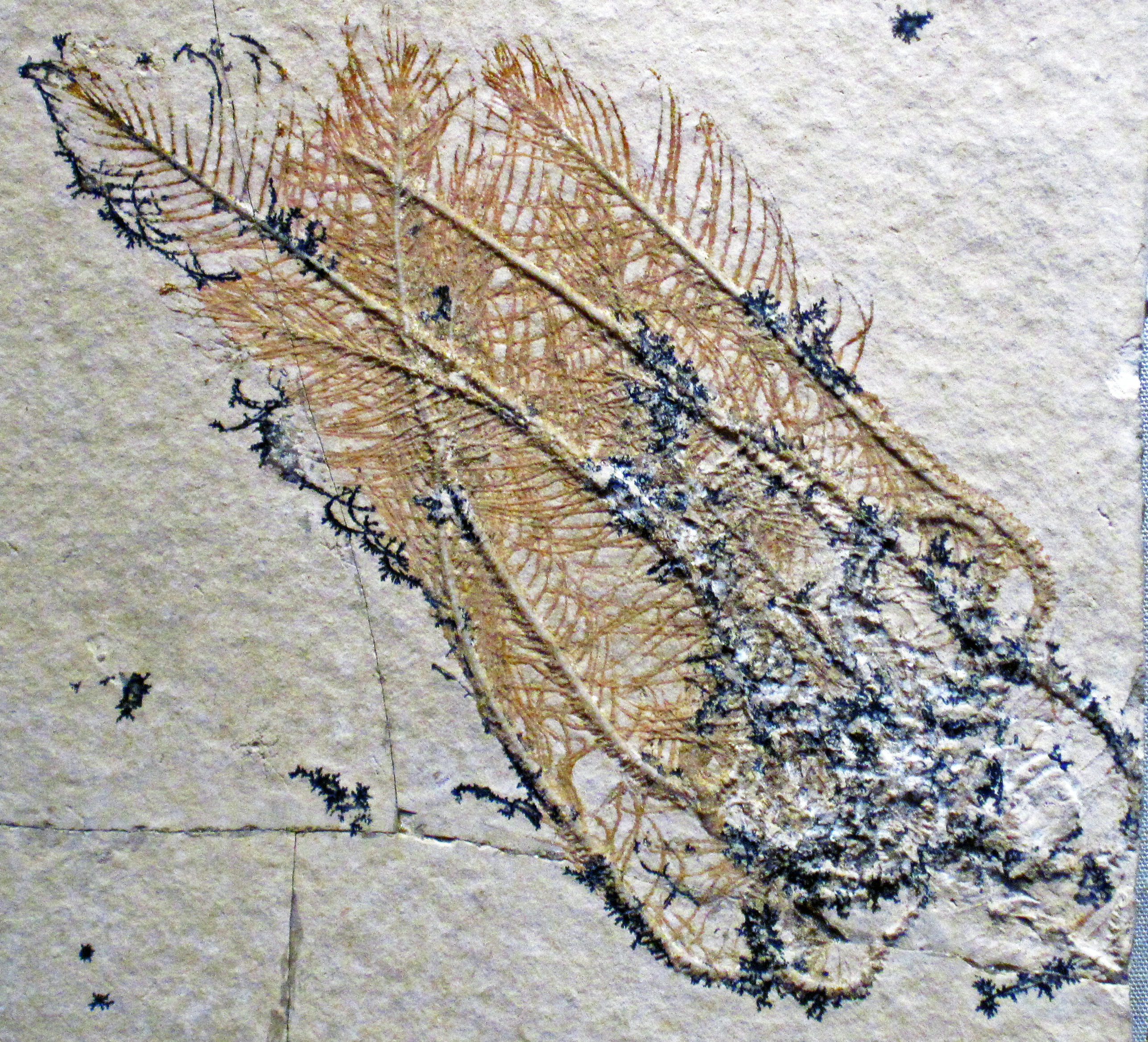
A reef is more than its builders. Silurian reefs teemed with a cast of associated organisms that depended on the hard substrate and shelter the reef provided. Crinoids, relatives of modern sea lilies, draped the reef flanks in feathery forests of filter-feeding arms. Bryozoans, small colonial animals that built delicate lacy skeletons, encrusted dead surfaces and added yet another layer of calcium carbonate to the growing structure.
Brachiopods, mollusk-like animals with two shells, nestled into every available niche. Stromatoporoid reefs even hosted symbiotic relationships, with syringoporid tabulate corals growing directly out of stromatoporoid surfaces, their corallites intertwined with the sponge's growth layers in a partnership that blurred the line between individual organisms.
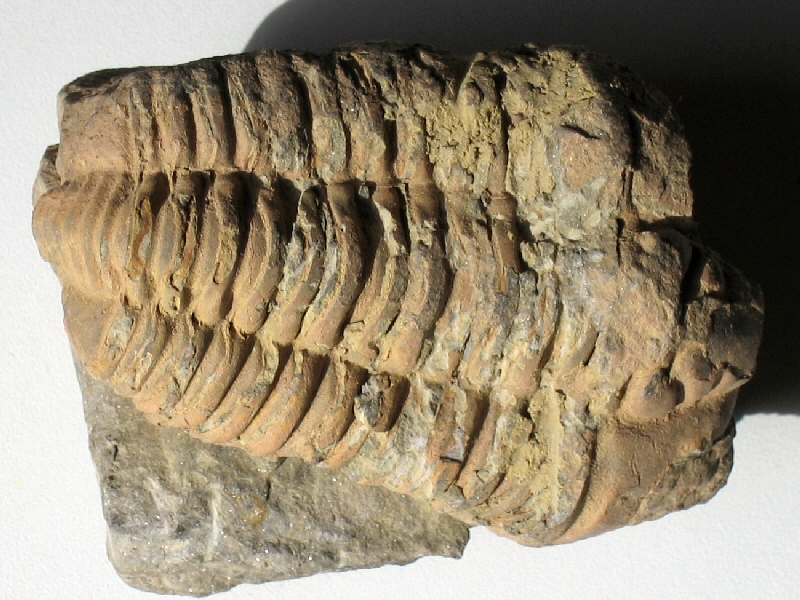
Predators lurked in the reef margins. Small reef-associated fish darted between coral branches. Trilobites patrolled the reef flats, scavenging organic debris. And scattered throughout the surrounding waters, the ancestors of modern branchiopods, including early relatives of the very triops we celebrate on this site, navigated the tidal pools and shallow lagoons that fringed these ancient reef systems.
Why Silurian Reefs Matter
Silurian reefs represent a pivotal chapter in the history of marine ecosystems. Before the Silurian, reefs were relatively simple structures, dominated by single organism types and lacking the three-dimensional complexity that supports high biodiversity. The Silurian reef boom introduced a fundamentally new model: a multi-layered, multi-species framework where different organisms occupied distinct structural and ecological roles.
This model of reef complexity persisted for over 100 million years, through the Devonian period, until the Late Devonian mass extinction destroyed these reefs and ended the era of stromatoporoid-dominated systems. Modern coral reefs, built by scleractinian corals, did not appear until the Triassic period, and they evolved along a parallel but distinct path, arriving at a similar architectural solution through a completely different set of organisms.
The parallels are striking. Modern reefs face existential threats from ocean warming, acidification, and pollution. Silurian reefs, too, were destroyed by environmental upheaval, though on a geological timescale rather than a human one. The fossil record of Gotland and the Cuyahoga Formation of Ohio reminds us that reef ecosystems, for all their apparent permanence, are fragile systems dependent on stable conditions. When those conditions change, even the most successful reef builders can vanish.
Visiting the Silurian Reef Today
You do not need a time machine to walk through a Silurian reef. The Baltic island of Gotland, Sweden, is one of the best-exposed Silurian reef complexes in the world, with the Visby coastal cliffs revealing stromatoporoid domes, tabulate coral thickets, and crinoidal limestones stacked in layers that record tens of millions of years of reef history. In North America, the Niagaran Escarpment from New York to Wisconsin preserves spectacular Silurian reef structures, including massive stromatoporoid colonies that once anchored reef complexes in warm tropical seas.
These fossil reefs are more than curiosities. They are records of an experiment in marine architecture that played out over geological time, an experiment whose lessons resonate as we watch modern reef systems struggle to adapt to a rapidly changing ocean. The Silurian reef builders did not survive, but their stone skeletons remain, whispering about a world of warm seas, complex ecosystems, and the organisms that, 440 million years ago, figured out how to build cities under the sea.