Published August 26, 2026, 12:03 by the Triops.me Editorial Team · Back to Articles
Spinosaurus: The Semi-Aquatic Dinosaur
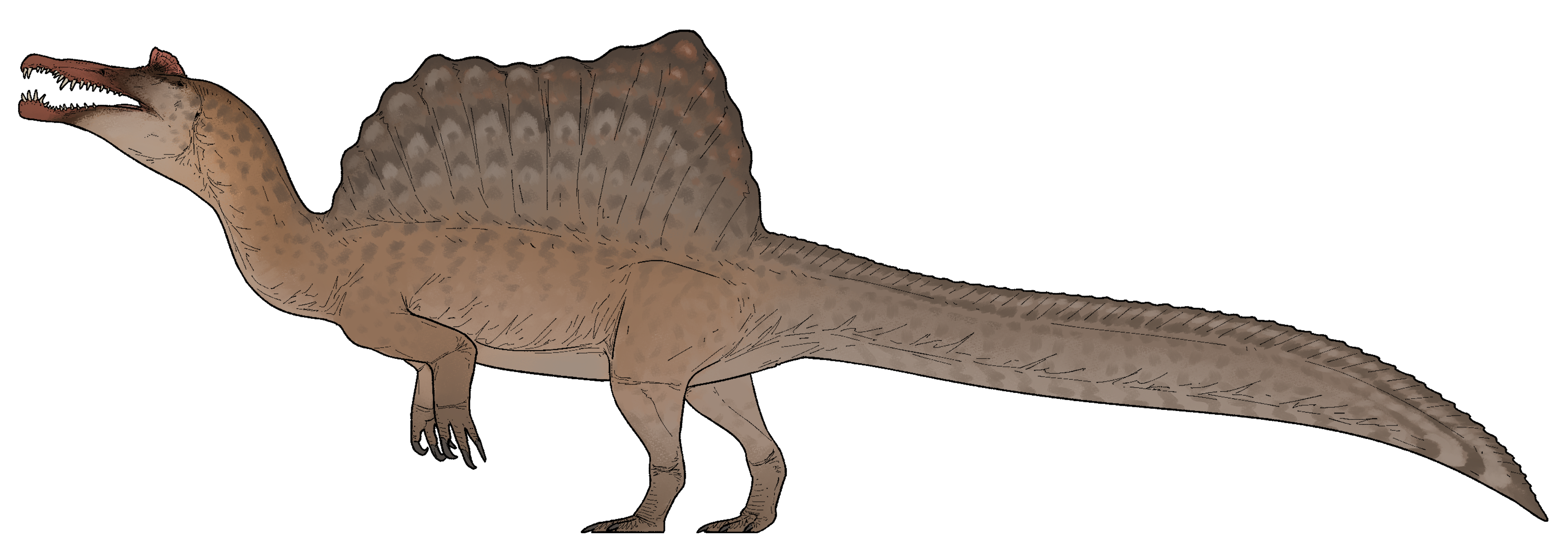
When paleontologists first described Spinosaurus in 1915, they had little more than jaw fragments and teeth to work with. The animal seemed like a curiosity, a sail-backed theropod that defied easy categorization. Over a century later, Spinosaurus has become the single most debated dinosaur in paleontology, not because of what it looks like, but because of where it lived. Spinosaurus aegyptiacus was almost certainly a semi-aquatic predator, spending much of its life in and around the river systems of Cretaceous North Africa. No other large dinosaur has been found with such clear evidence of a water-dependent lifestyle.
A Giant Built for Rivers
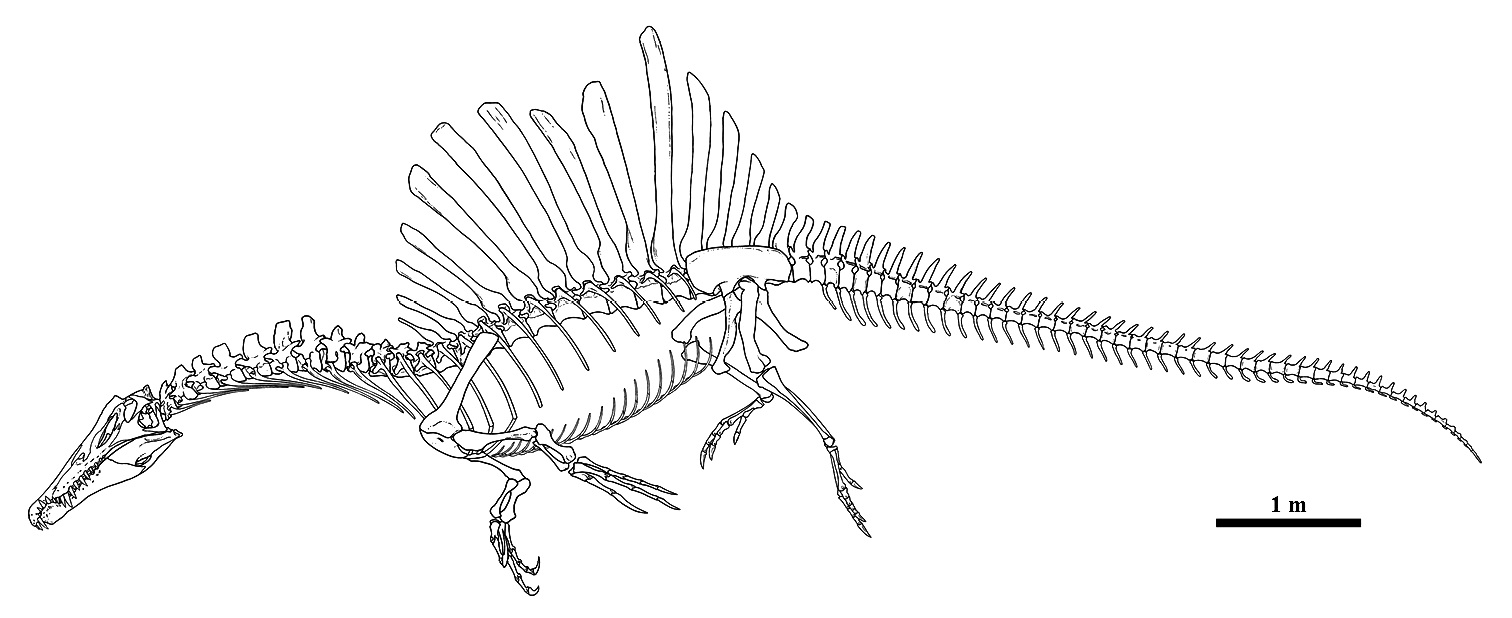
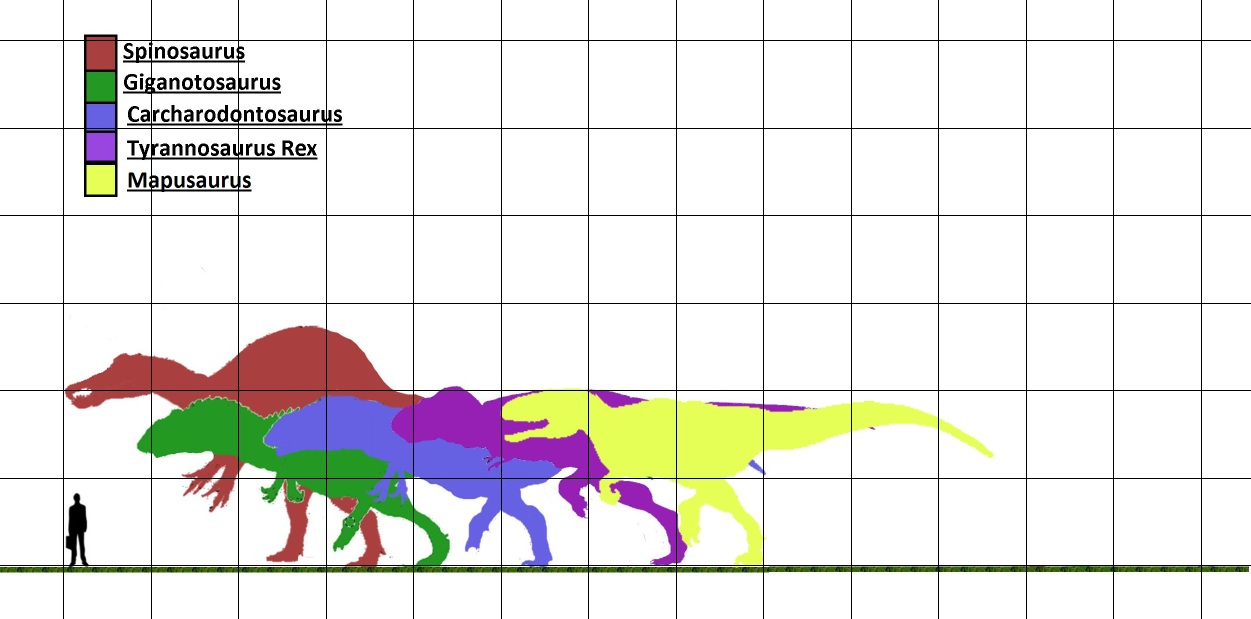
Spinosaurus is currently the longest known carnivorous dinosaur, with length estimates reaching 14 to 15 meters or more, roughly 46 to 50 feet from snout to tail. That makes it longer than Tyrannosaurus rex, though it was built very differently. Rather than the deep, muscular torso of a tyrannosaur, Spinosaurus had an elongated, low-slung body with a long neck and an even longer tail. Weight estimates sit around 6 to 9 metric tons, comparable to large T. rex specimens despite the very different proportions.
The skull alone measured over 1.6 meters in length, longer than the skull of any known tyrannosaur. But instead of the deep, bone-crushing jaws of T. rex, Spinosaurus had a long, narrow, crocodile-like snout lined with smooth, conical teeth. These teeth lacked serrations and were shaped for gripping slippery prey, particularly large fish that thrived in the ancient river systems of what is now the Sahara. The nostrils sat far back on the skull, an adaptation that allowed the animal to breathe while most of its snout was submerged beneath the water surface.
Most remarkably, Spinosaurus had unusually dense bones. While most theropod dinosaurs had relatively lightweight, hollow bones, Spinosaurus displayed pachyostosis, a condition in which bones become thick and heavy. This is the same adaptation seen in modern hippos and penguins, and it serves the same function: reducing buoyancy so the animal can stay submerged more easily. Dense bones are one of the strongest indicators of aquatic or semi-aquatic behavior in the fossil record, and Spinosaurus had them in abundance.
In 2020, researchers described the tail of a Spinosaurus specimen preserved with tall, laterally compressed vertebrae forming what appeared to be a paddle-like structure. Unlike the stiff, balancing tails of most theropods, this tail could have generated powerful side-to-side thrusts, propelling Spinosaurus through water much like a crocodile. The discovery was a turning point, providing the first direct evidence of a swimming adaptation in a non-avian dinosaur.
The Sail on Its Back
The most visually striking feature of Spinosaurus was its enormous sail, formed by neural spines extending upward from the back vertebrae. In large individuals, these spines could exceed 1.5 meters in height, meaning the sail alone was taller than an adult human. The function of the sail has been debated since the discovery of the first fragments. Current hypotheses include visual display for mating or intimidation, thermoregulation by absorbing or dissipating heat, and species recognition within a diverse ecosystem that included other large predators.
Whatever its purpose, the sail would have made Spinosaurus an unmistakable silhouette along the waterways of Cretaceous Africa, a presence no other predator in its ecosystem could replicate.
The Kem Kem Ecosystem
Spinosaurus lived in one of the most densely populated predator ecosystems ever documented. The Kem Kem beds of southeastern Morocco, dated to roughly 95 million years ago, preserve the remains of multiple large theropods sharing the same river systems. Alongside Spinosaurus, the ecosystem included Carcharodontosaurus, a massive predator approaching T. rex in size, and Deltadromeus, a long-legged hunter likely adapted for pursuit. This concentration of large predators has puzzled paleontologists for years, since modern ecosystems rarely support multiple apex predators in the same habitat.
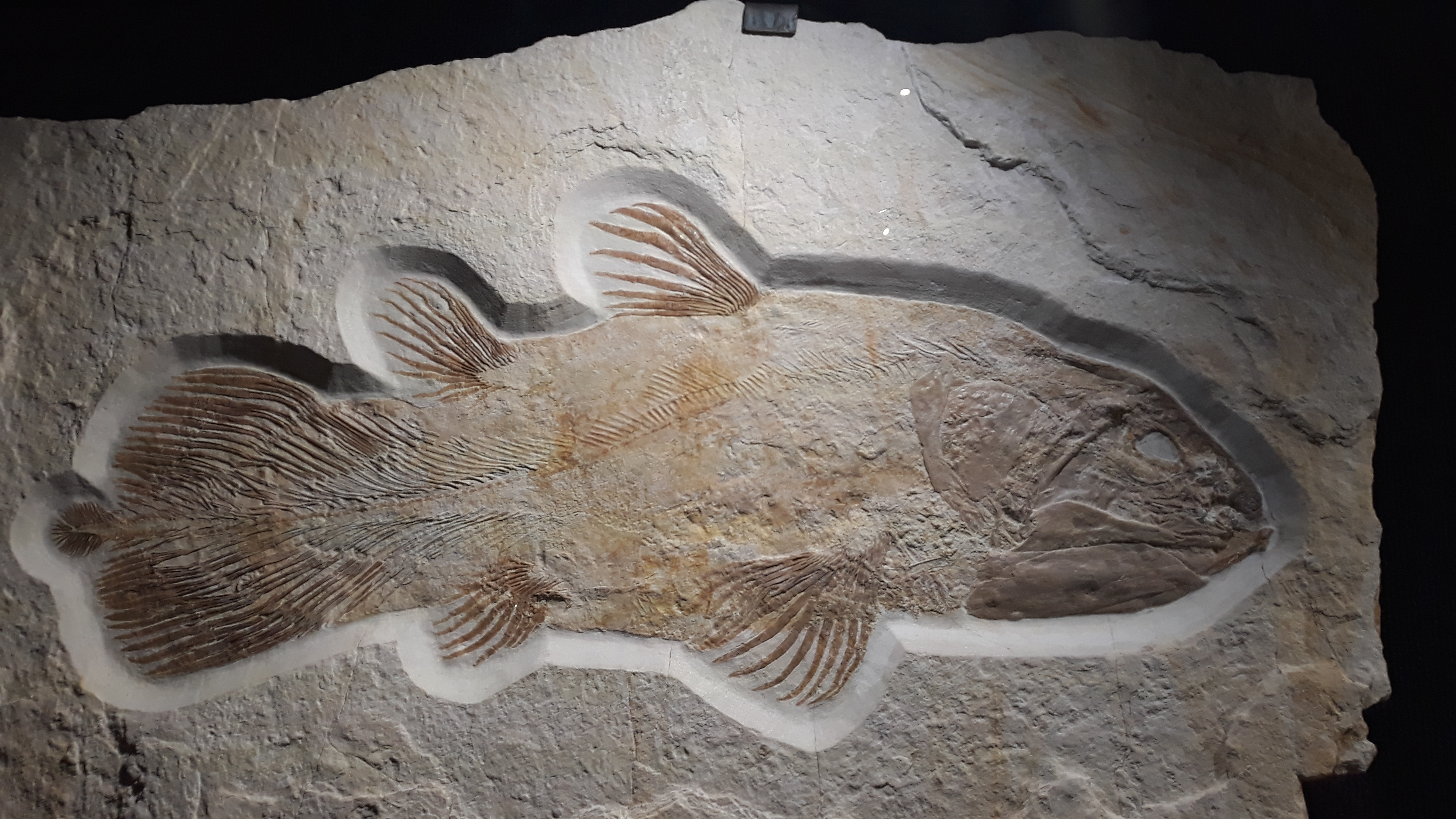
The most likely resolution is niche partitioning. Spinosaurus hunted fish in the rivers and along the banks, Carcharodontosaurus took larger terrestrial prey on the floodplains, and Deltadromeus filled an intermediate role. The river systems themselves were productive enough to support this diversity, teeming with enormous fish including sawfish and coelacanths that could reach several meters in length. Spinosaurus was not competing with Carcharodontosaurus for food. It was fishing.
A History of Reinvention
Few dinosaurs have been reconstructed so many times as Spinosaurus. The original 1915 reconstruction by Ernst Stromer showed a bipedal theropod with a small sail. After the fossils were destroyed in a 1944 Allied bombing raid on Munich, Spinosaurus remained a mystery for decades. It was the 2014 discovery of a nearly complete specimen by Nizar Ibrahim and colleagues that reshaped everything, revealing unexpectedly short hind limbs and a body plan unlike any other theropod.
Ibrahim proposed that Spinosaurus was the first truly aquatic dinosaur, spending most of its life in water. The proposal was controversial, with other paleontologists arguing the short legs indicated a quadrupedal stance on land rather than obligate aquatic behavior. The 2020 tail description provided clear swimming evidence, but the debate over just how aquatic Spinosaurus was has continued into 2025 and beyond. In 2026, Paul Sereno's team described Spinosaurus mirabilis from Niger, a related species with a massive scimitar-shaped cranial crest, confirming that semi-aquatic theropods were widespread across North Africa.
A Parallell with Triops
Spinosaurus is a reminder that evolution is experimental. At least one dinosaur lineage pushed hard into aquatic territory, evolving dense bones, paddle tails, crocodile jaws, and rear-positioned nostrils in a few million years. The result was an animal that looked and behaved like nothing else in the fossil record.
For those who study Triops and their relatives, the story offers a useful parallel. Triops have survived for over 200 million years by adapting to ephemeral, unpredictable water. Spinosaurus committed to permanent river systems in a competitive ecosystem. Both strategies worked, at least for a time. Triops are still here. Spinosaurus is not, lost 90 million years ago when the rivers it depended on dried up as Africa drifted northward. Life finds a way to exploit water, no matter the scale or the era.
Published August 26, 2026, 12:03