Published August 21, 2026, 21:31 by the Triops.me Editorial Team · Back to Articles
The Invisible Egg Bank
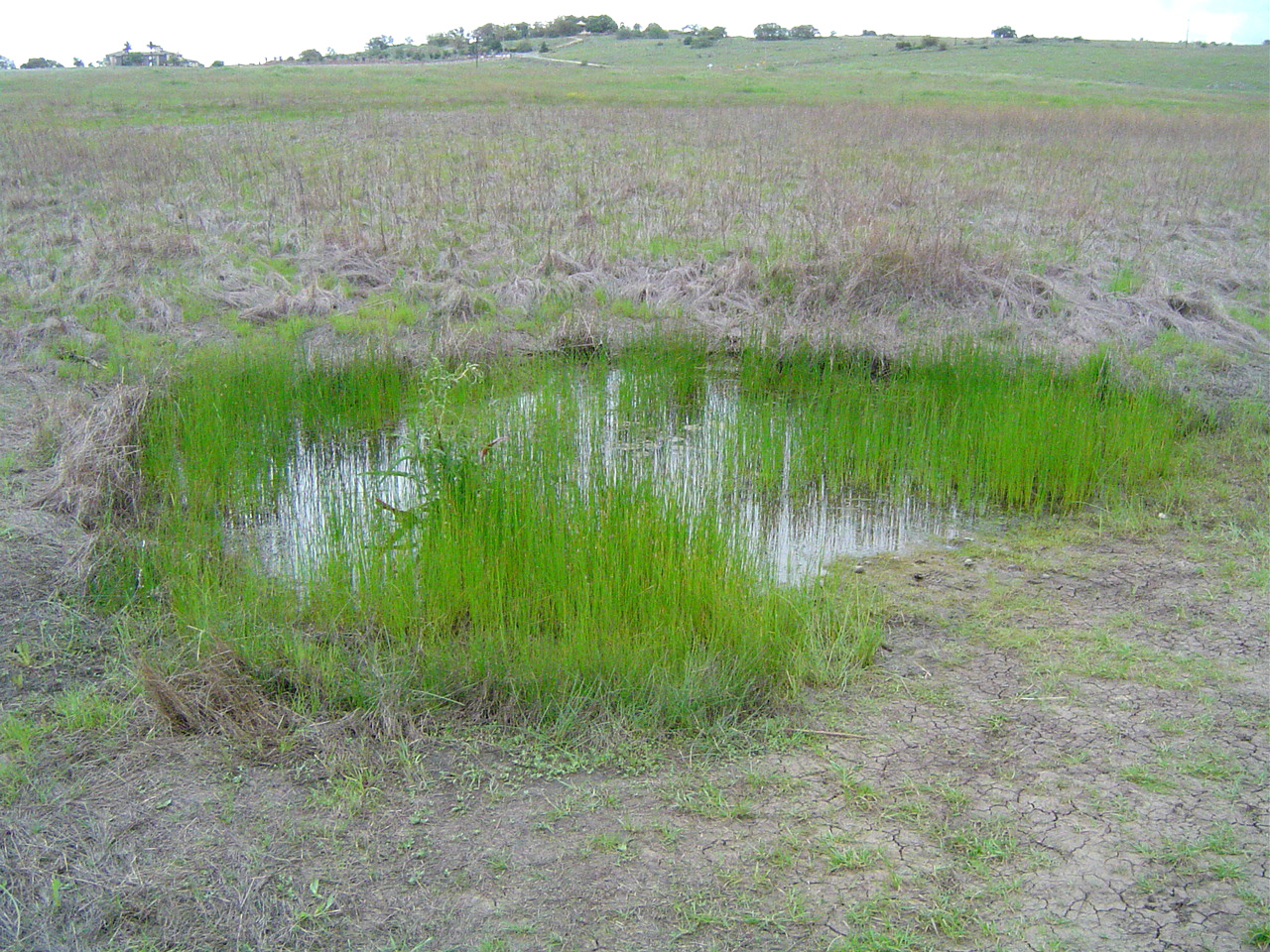
Drive through California's Central Valley in August and you will see nothing but cracked dirt and dry grass. No water, no life, no hint of what lies beneath. But that dust holds a secret: millions of dormant eggs, packed into centimeters of mud, waiting for the right conditions to trigger a world that erupts from nowhere.
These invisible reservoirs are called egg banks, and they are one of nature's most elegant survival strategies. Found in ephemeral pools, vernal ponds, and seasonal wetlands on every continent, egg banks are essentially biological time capsules. They store the embryos of creatures whose entire existence is tied to water that may only be present for a few weeks each year. When the rains come, the eggs hatch. When the water vanishes, they simply go back to sleep.
What Lives in an Egg Bank
The creatures that depend on egg banks are all members of a group known as branchiopods, a class of crustaceans whose lineage stretches back more than 500 million years to the Cambrian Period. Among them, fairy shrimp are perhaps the most well-known inhabitants of vernal pools. Worldwide, roughly 300 species of fairy shrimp exist, from the Knob-lipped Fairy Shrimp (Eubranchipus bundyi) in Vermont's woodland pools to the endangered San Diego Fairy Shrimp (Branchinecta sandiegonensis) found only in Southern California.
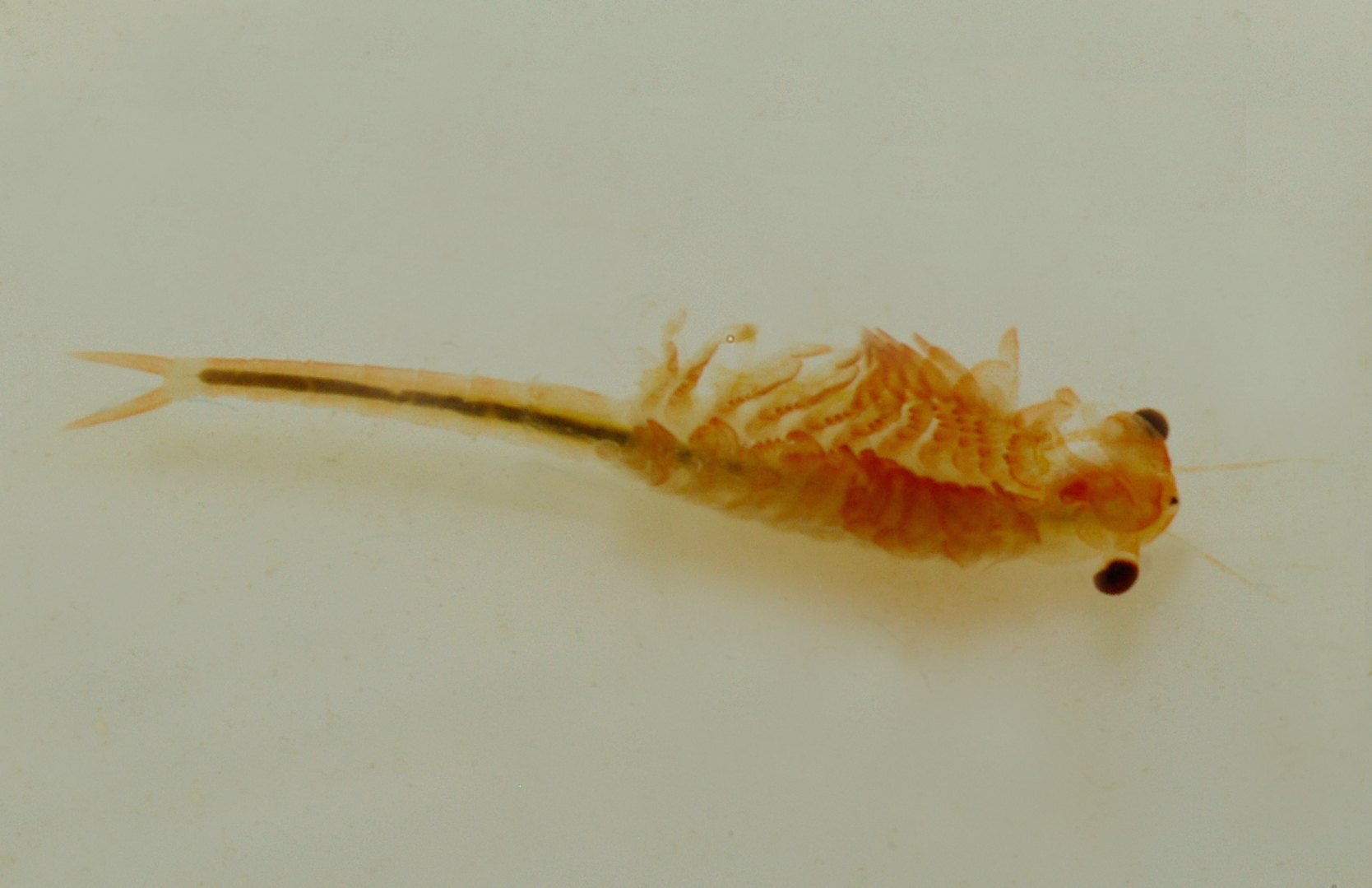
Fairy shrimp grow fast, reproduce fast, and die fast. Their entire adult life, from hatching to laying dormant eggs, spans just three to five weeks. Once the pool dries up, the adults are gone. But their cysts, fully developed embryos sealed inside a protective shell called an ephippium, remain in the sediment for years or even centuries.
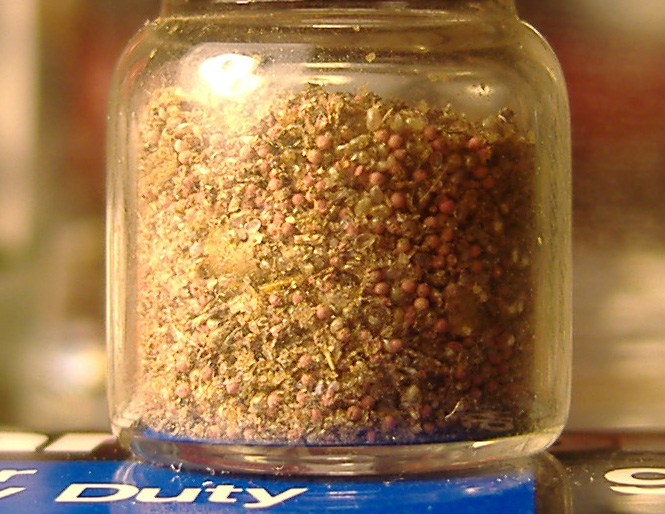
Triops, the tadpole shrimp that give this site its name, follow a strikingly similar playbook. Triops longicaudatus, the American tadpole shrimp, thrives in seasonal ponds and rice paddies across North America. Like fairy shrimp, it produces dormant eggs that settle into the mud, shrugging off months of desiccation, extreme heat, and freezing temperatures. Research has shown that Triops cysts can survive being frozen to minus 60 degrees Celsius, baked at 60 degrees Celsius, and exposed to vacuum conditions, all without losing viability. It is this resilience that has allowed Triops to persist, essentially unchanged, since the Devonian Period, more than 350 million years ago.
The Art of Bet-Hedging
The most remarkable feature of egg banks is not that the eggs survive, but that only a fraction of them hatch in any given year. This is called bet-hedging, and it is a strategy as old as the pools themselves.
In a typical vernal pool, researchers have found up to 1,000 cysts per square foot of sediment. In any given flooding event, only about 3 percent of those cysts will hatch. The rest remain dormant. This means the egg bank is not just a storage system, it is a probabilistic insurance policy against catastrophe. If a pool fills but dries too quickly for the adults to reproduce, no matter. The vast majority of the population never even woke up. There will be hundreds of thousands of eggs waiting for the next rain.
Scientists call this the "portfolio effect." By spreading hatching across multiple years, species ensure that a single bad season does not erase an entire generation. The Vermont Center for Ecostudies has documented that fairy shrimp may disappear from a given pool for a year or two, only to reappear suddenly when conditions align. The eggs were always there. The pool just was not ready.
More Than Just Shrimp
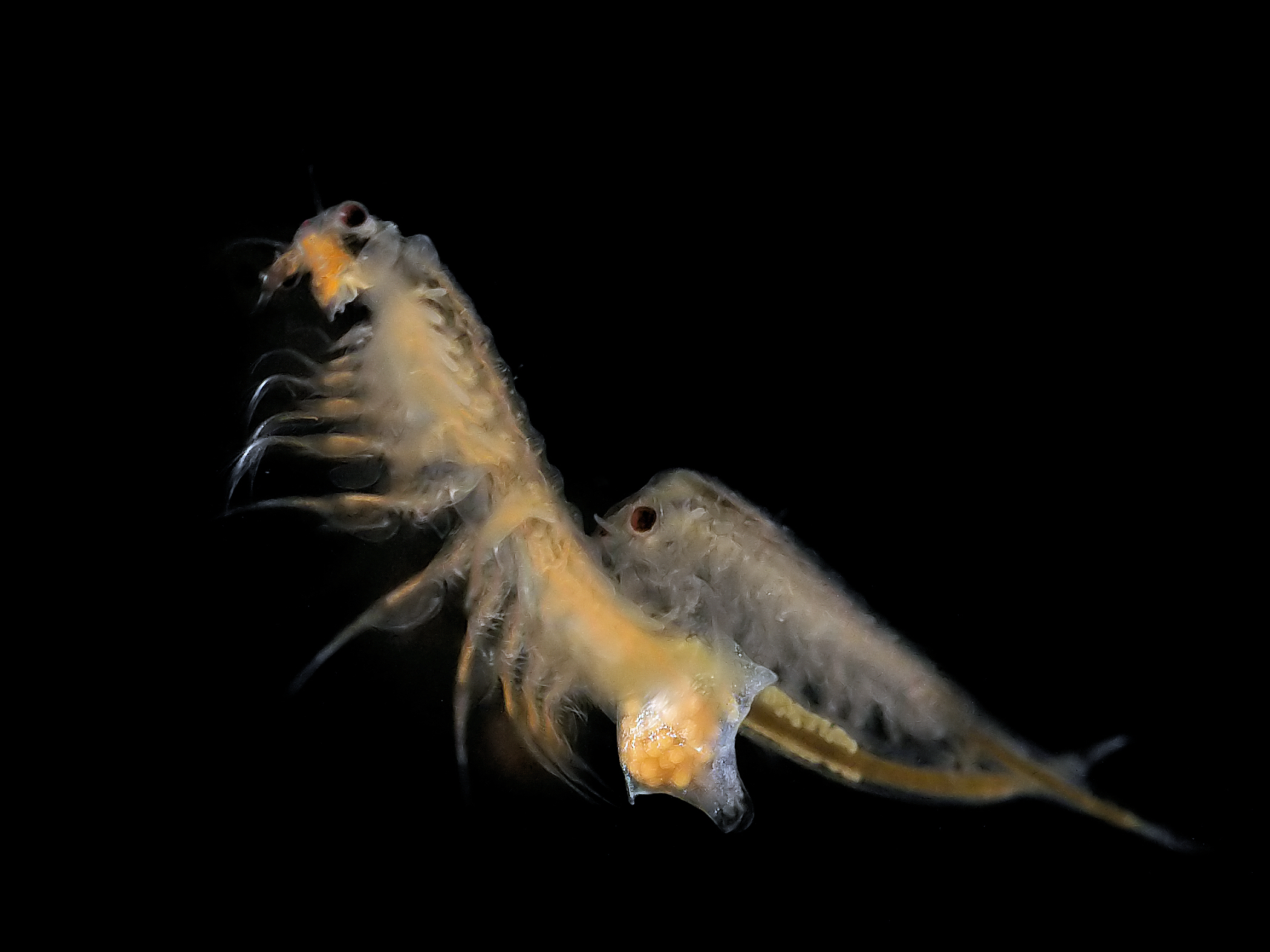
The egg bank concept extends well beyond branchiopods. Brine shrimp (Artemia), the "Sea Monkeys" sold in novelty kits since the 1950s, produce cysts that can remain viable for over 25 years in dry salt lake sediments. Daphnia, the tiny water fleas found in garden ponds, produce resting eggs called ephippia that settle into pond bottoms and hatch months later when conditions improve.
Even non-crustaceans participate in the egg bank strategy. Spadefoot toads of the American Southwest bury themselves in desert soil and enter a state of estivation, only to emerge when monsoon rains create temporary pools. Their tadpoles develop at extraordinary speed, metamorphosing in as few as eight days before the water vanishes. The pool exists for the toad. The toad exists for the pool.
Why Egg Banks Matter
Egg banks are more than a curiosity. They are a keystone of biodiversity in some of the world's most threatened habitats. Vernal pools in California are classified as a federally protected ecosystem, in part because the species that depend on them are trapped. They cannot migrate. Their entire population lives inside the mud of a single pool, and if that pool is paved over or drained, the egg bank dies with it.
Climate change adds another layer of risk. Shifting rainfall patterns mean that some pools may not fill for years at a time, stretching the egg bank's reserves thinner. At the same time, rising temperatures may alter the precise conditions that trigger hatching, leaving dormant embryos stranded in warm mud, waiting for a cue that never comes.
Understanding how egg banks work, and how long they last, is critical to conserving the species they sustain. Researchers have found that sediment cores taken from ancient pool beds can yield viable eggs dating back centuries. One study documented fairy shrimp cysts that hatched after being buried for an estimated 100 years. The egg bank, it turns out, is not just a survival mechanism. It is a living archive, recording the history of a landscape one layer of mud at a time.
Next time you walk past a dry depression in a field and see nothing but cracked earth, remember: beneath your feet, an entire world may be sleeping, waiting for the rain to wake it up again.