Published August 13, 2026, 03:16 by the Triops.me Editorial Team · Back to Articles
Life in a Triassic Lake: What Triops Reveal About Ancient Freshwater Worlds
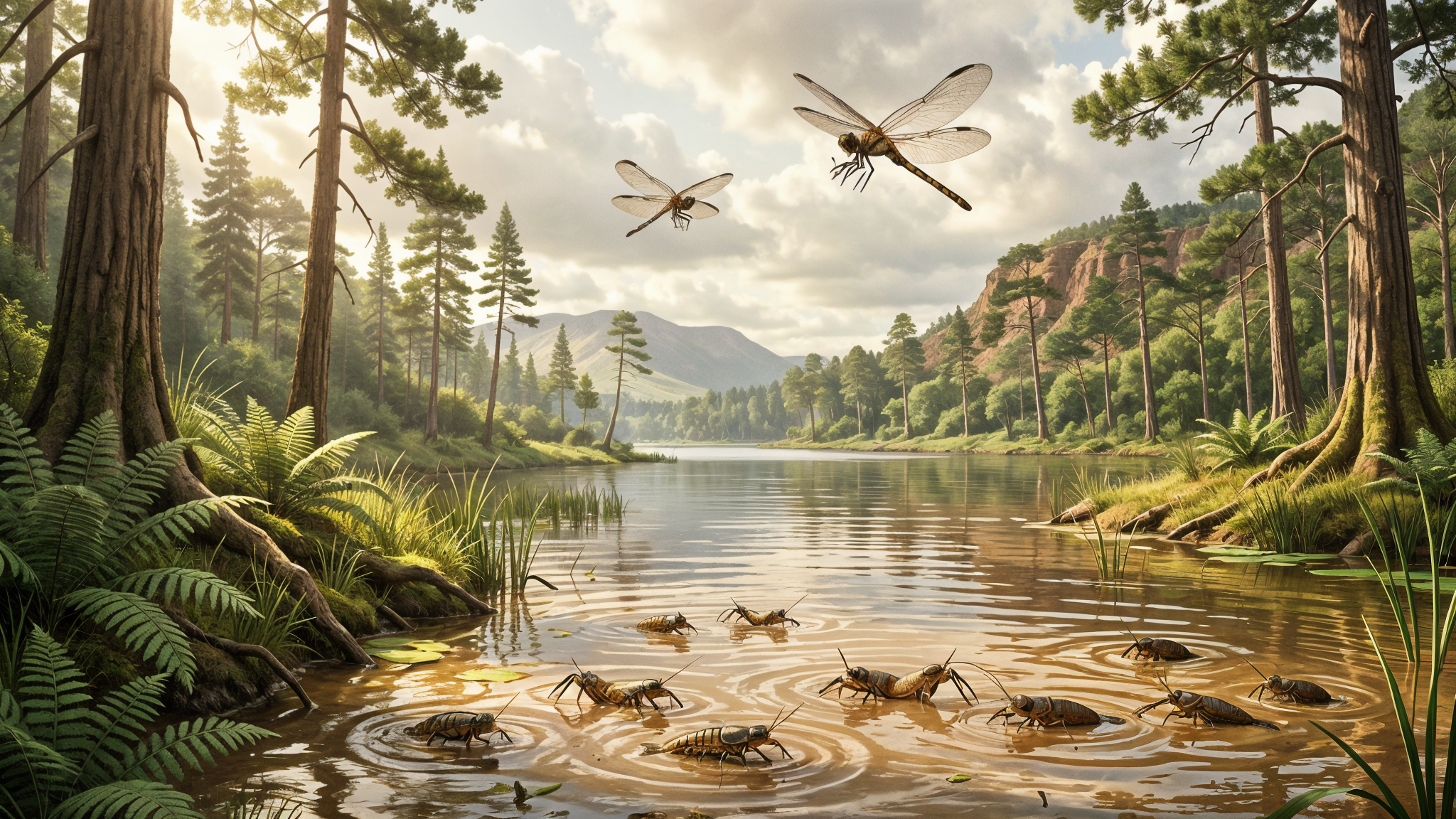
Imagine standing at the edge of a freshwater lake 230 million years ago. The air is warm and humid, thick with the scent of primitive conifers and ferns. Above the water, enormous dragonflies with wingspans larger than your hand hover and dart. Below the surface, small crustaceans with shield-like carapaces glide along the bottom, filtering organic debris from the mud. These creatures are the ancestors of modern Triops, and their world was nothing like ours.
The Triassic period (roughly 252 to 201 million years ago) was Earth's great recovery chapter. Following the end-Permian extinction, which wiped out 90 percent of marine species, freshwater ecosystems were among the first to recover. Small invertebrates like early notostracans, the order that includes Triops, played a quiet but essential role in rebuilding aquatic life.
The Players: Who Inhabited Triassic Freshwater Lakes?
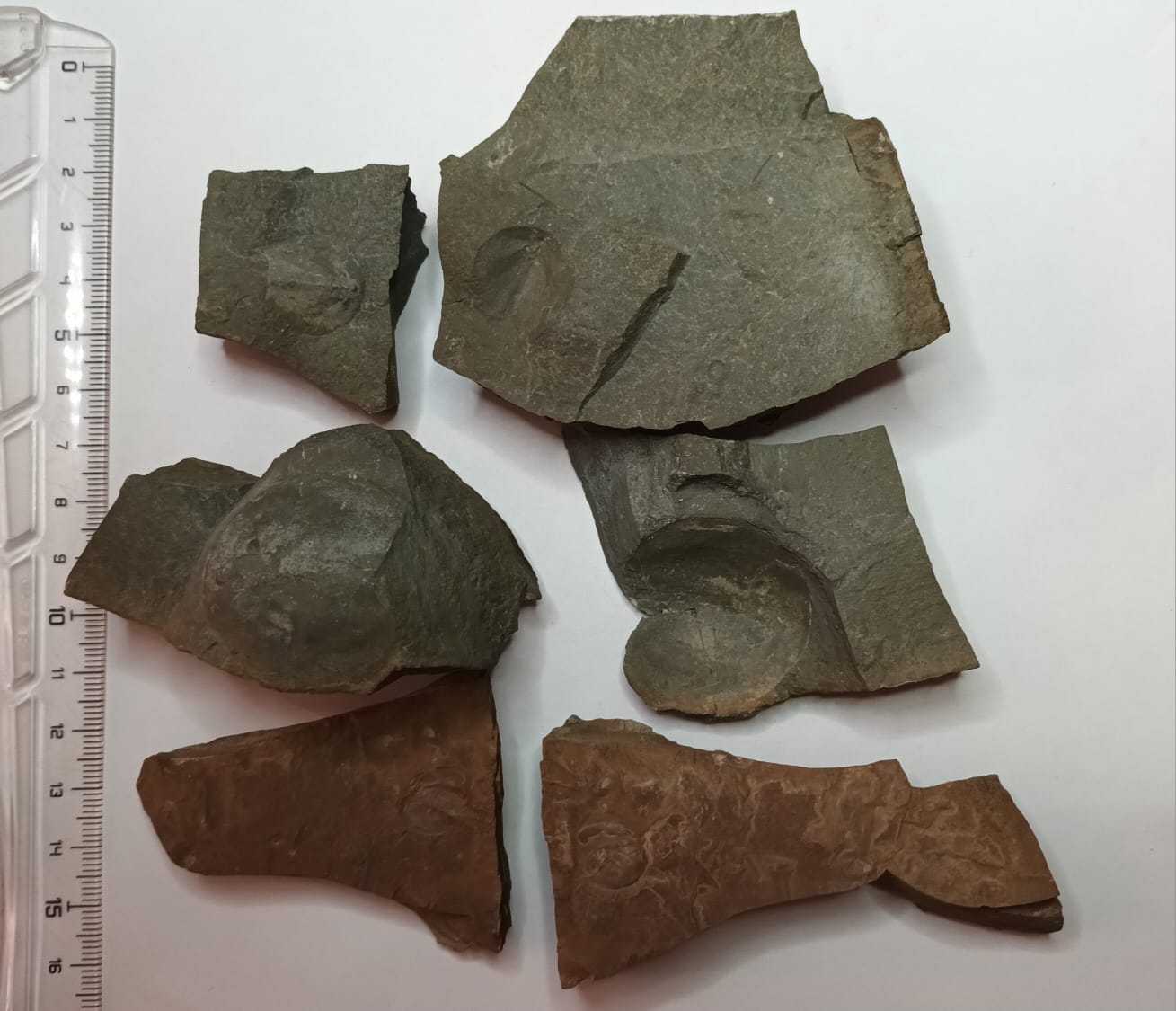
Triassic freshwater lakes were home to a surprisingly diverse cast of organisms. Fossil deposits from the Newark Supergroup in eastern North America, as well as sites in Gondwana (the southern supercontinent that included South America, Africa, Australia, and Antarctica), reveal entire food webs preserved in stone. At the base of the food chain were microscopic algae, bacteria, and organic particles suspended in the water. These fed a community of branchiopod crustaceans, including notostracans (tadpole shrimp), conchostracans (clam shrimps), and anostracans (fairy shrimp), all of which were already thriving in these temporary and seasonal lakes.
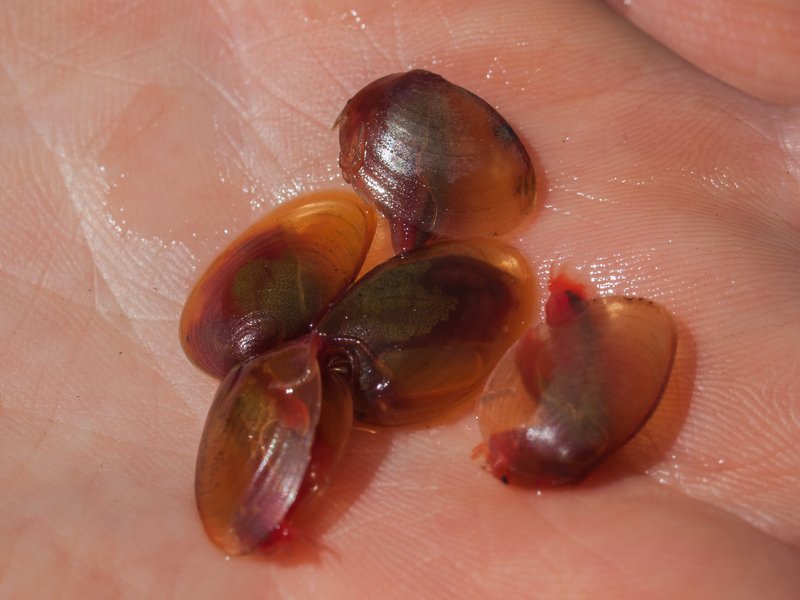
Among the most abundant inhabitants were clam shrimps, small bivalve crustaceans whose hinged shells made them easily fossilized. A 2025 study of a Late Triassic biota discovered in the Atacama Desert of northern Chile revealed a remarkably complete ecosystem: plants, insects, freshwater crustaceans, molluscs, fish, and even traces of small sharks all coexisted in a rift-lake system. The researchers, led by Diego Volosky of the University of Jena, noted that such complete and diverse fossil communities are rare, especially given their age.
What Triops Tell Us About Ancient Lakes
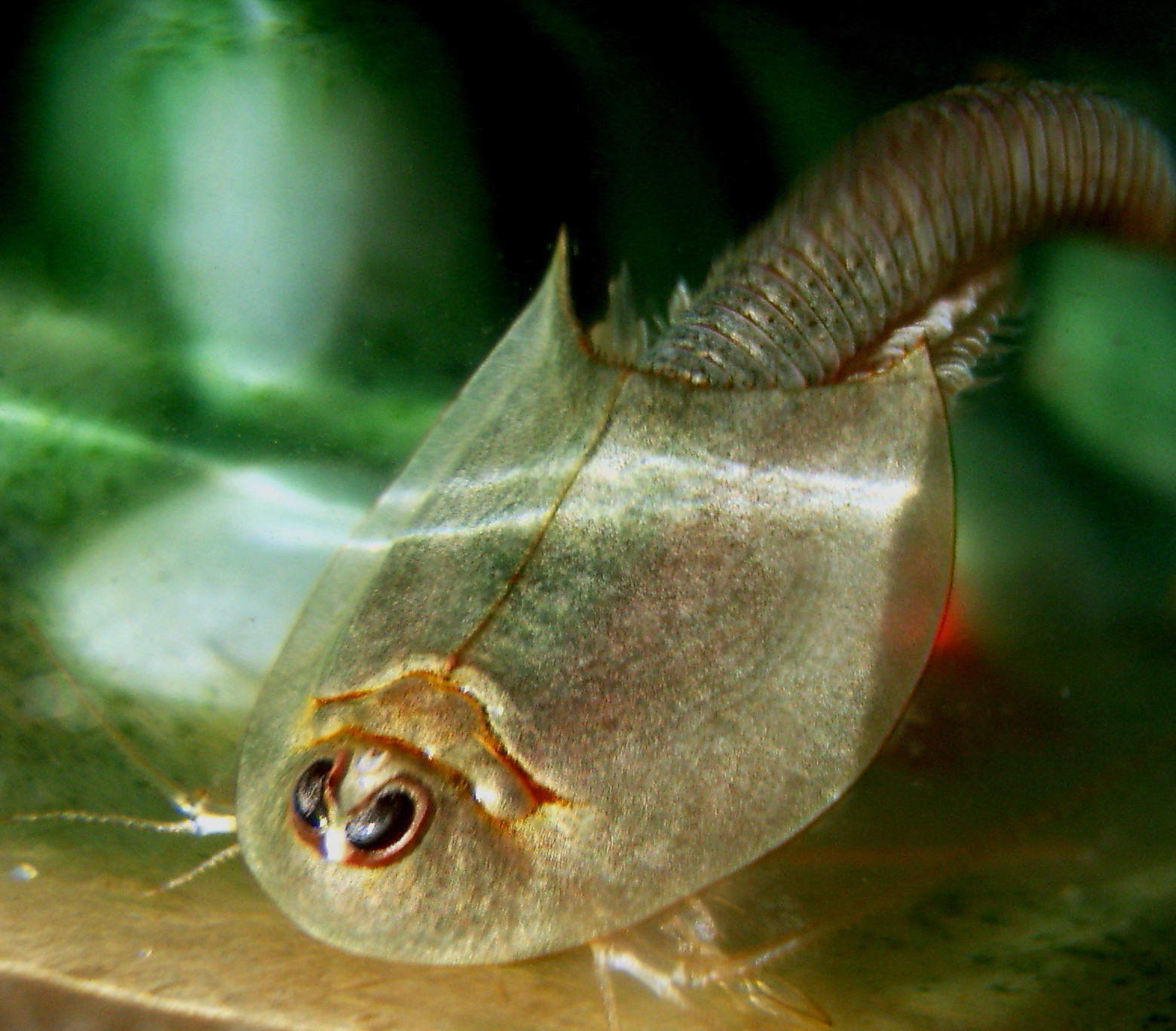
Triops are often called living fossils because their body plan has remained largely unchanged for over 200 million years. Triassic fossils attributed to their relatives show shield-shaped carapaces, forked tails, and dozens of leaf-like swimming legs virtually identical to modern species. This morphological stasis makes them invaluable windows into ancient ecosystems. When paleontologists find a notostracan fossil in Triassic lake sediments, they can confidently reconstruct how it behaved, what it ate, and what role it played, because modern Triops behave in essentially the same way.
In modern ephemeral pools, Triops are detritivores and opportunistic omnivores. They scrape algae, consume organic debris, and prey on smaller crustaceans. This ecological role almost certainly applied to their Triassic ancestors. In a lake recovering from mass extinction, creatures that could eat anything and reproduce quickly had a massive advantage. Triops, with cryptobiotic eggs capable of surviving years of drought, were perfectly positioned to recolonize pools as soon as water returned.
The Triassic Food Web: From Mud to Apex Predators
Picture a cross-section of a Triassic lake and you see layers of life. At the bottom, in the muddy sediment, notostracans and clam shrimps sift through detritus, recycling nutrients. Slightly above them, fairy shrimp filter-feed on plankton. Small primitive fish dart between patches of aquatic vegetation. Above the waterline, giant dragonfly relatives called protodonates with wingspans exceeding 70 centimeters hunt flying insects, while early amphibians patrol the shallows.
The lake was surrounded by a landscape in transition. The Permian extinction had decimated the great forests of club mosses and horsetails. By the Mid-Triassic, these were being replaced by the first seed-producing plants: primitive conifers, cycads, and ginkgoes. Fallen needles and fronds decomposed in the water, creating the detritus that fed crustaceans like Triops. The recovery of land plants and the recovery of freshwater ecosystems were deeply intertwined.
Why Freshwater Recovered Faster Than the Ocean
One puzzle of post-extinction recovery is why freshwater ecosystems bounced back more quickly than marine ones. The answer partly lies in resting eggs. Branchiopods like notostracans produce eggs that survive drought, freezing, and UV radiation, acting as biological time capsules. When conditions improve, the eggs hatch and the population rebuilds rapidly. A freshwater lake doesn't need to be recolonized from a distant source after a catastrophe. The next generation is already there, waiting in the sediment. This bet-hedging strategy gives temporary freshwater ecosystems an inherent resilience that open ocean communities lack.
Lessons From the Past
The Triassic lake ecosystems that Triops inhabited were complex communities with multiple trophic levels and specialized niches. Fossils from the Newark Supergroup and Atacama Desert deposits show that even after the worst extinction in Earth's history, life rebuilt functional ecosystems quickly in freshwater habitats.
Modern Triops carry this legacy forward. Every time a Triops egg hatches in a rain puddle, it reenacts a process that began in the Triassic. The creature that emerges is not just a pet, it is a living representative of one of Earth's earliest post-crisis ecosystems. Understanding how Triassic lakes recovered gives us perspective on freshwater resilience today, as these habitats face threats from pollution, habitat loss, and climate change.
The next time you see Triops swimming in a shallow pool, remember: you are looking at a creature whose ancestors helped rebuild the world after its darkest chapter. The shield-shaped body, the three eyes, the forked tail, all of it is a design refined in Triassic lakes and proven across 200 million years of Earth history.