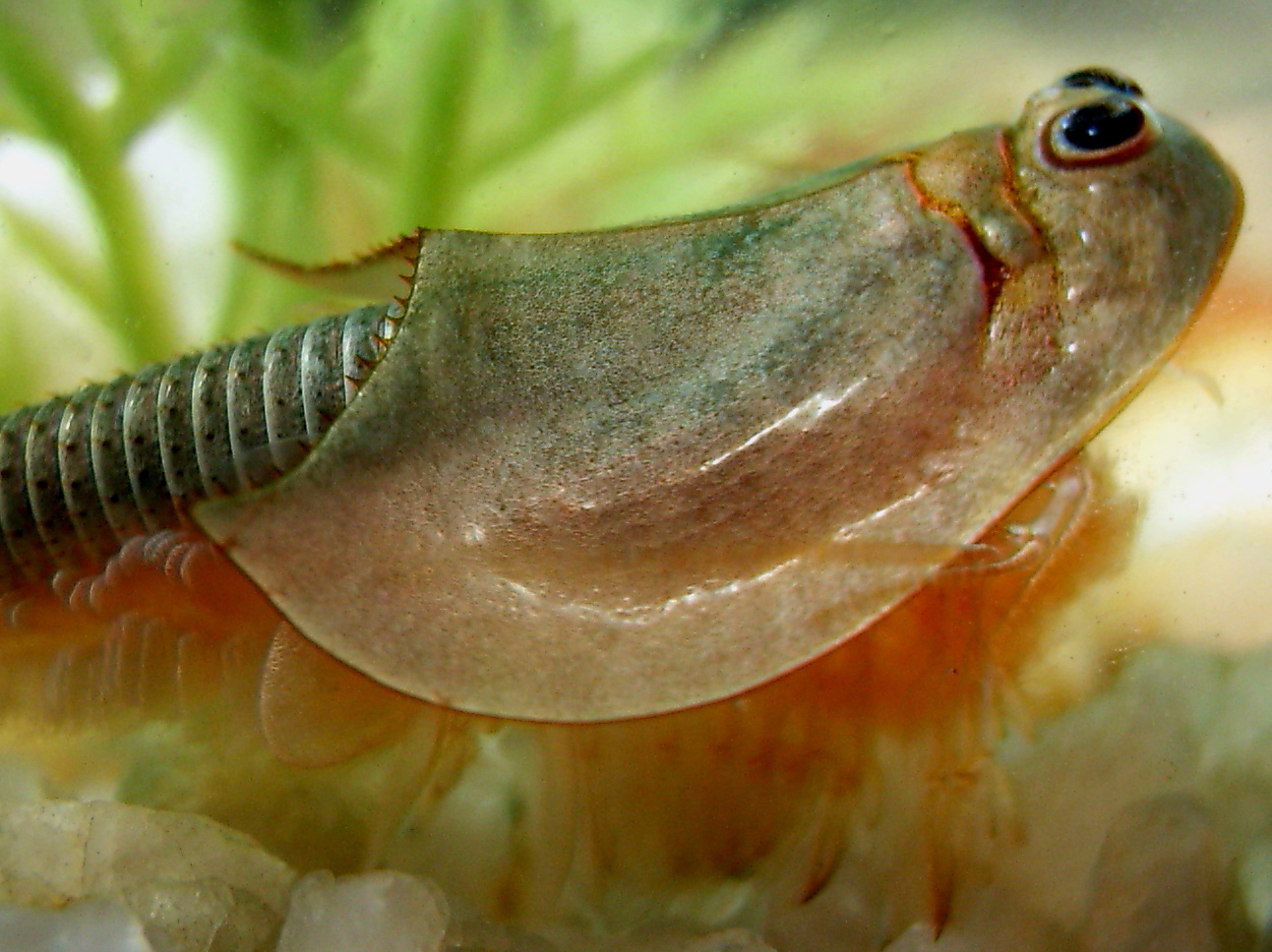
Long before scientists formally described Triops cancriformis in 1801, these strange three-eyed crustaceans were already part of human life. For centuries, farmers, fishermen, and indigenous communities across multiple continents have encountered Triops in seasonal pools and rice paddies. Their sudden appearance after heavy rains, combined with their armored, almost alien appearance, made them objects of curiosity, practical use, and sometimes even reverence.
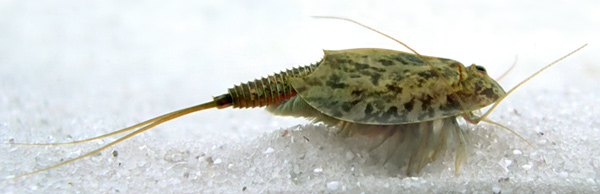
Rice Paddies and Pest Control in Japan

Japan has one of the oldest documented relationships between humans and Triops. For generations, Japanese rice farmers noticed that paddies with tadpole shrimp produced healthier crops. Triops are natural biological control agents: they stir up sediment as they forage, which suppresses weed growth, and they eat mosquito larvae and other pests that damage rice plants. This knowledge was passed down through farming families long before modern agricultural science confirmed the mechanism.
Today, Japanese farmers still deliberately introduce Triops into organic rice paddies as a chemical-free alternative to herbicides and pesticides. Scientific studies have confirmed that Triops reduce weed density by up to 80 percent in some conditions. The practice is so effective that Triops longicaudatus was formally recognized as a biological pest control agent in Japan. What began as traditional observation became a validated agricultural strategy, one of the rare cases where ancient wisdom seamlessly translated into modern science.
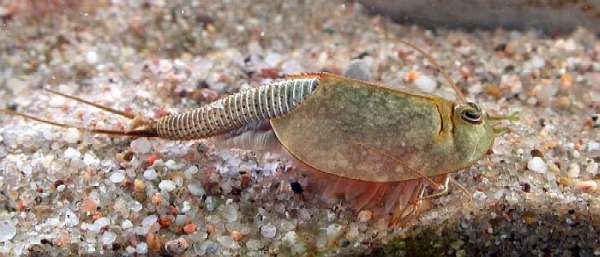
The Beni-Kabuto Ebi: A Prized Cultural Variant
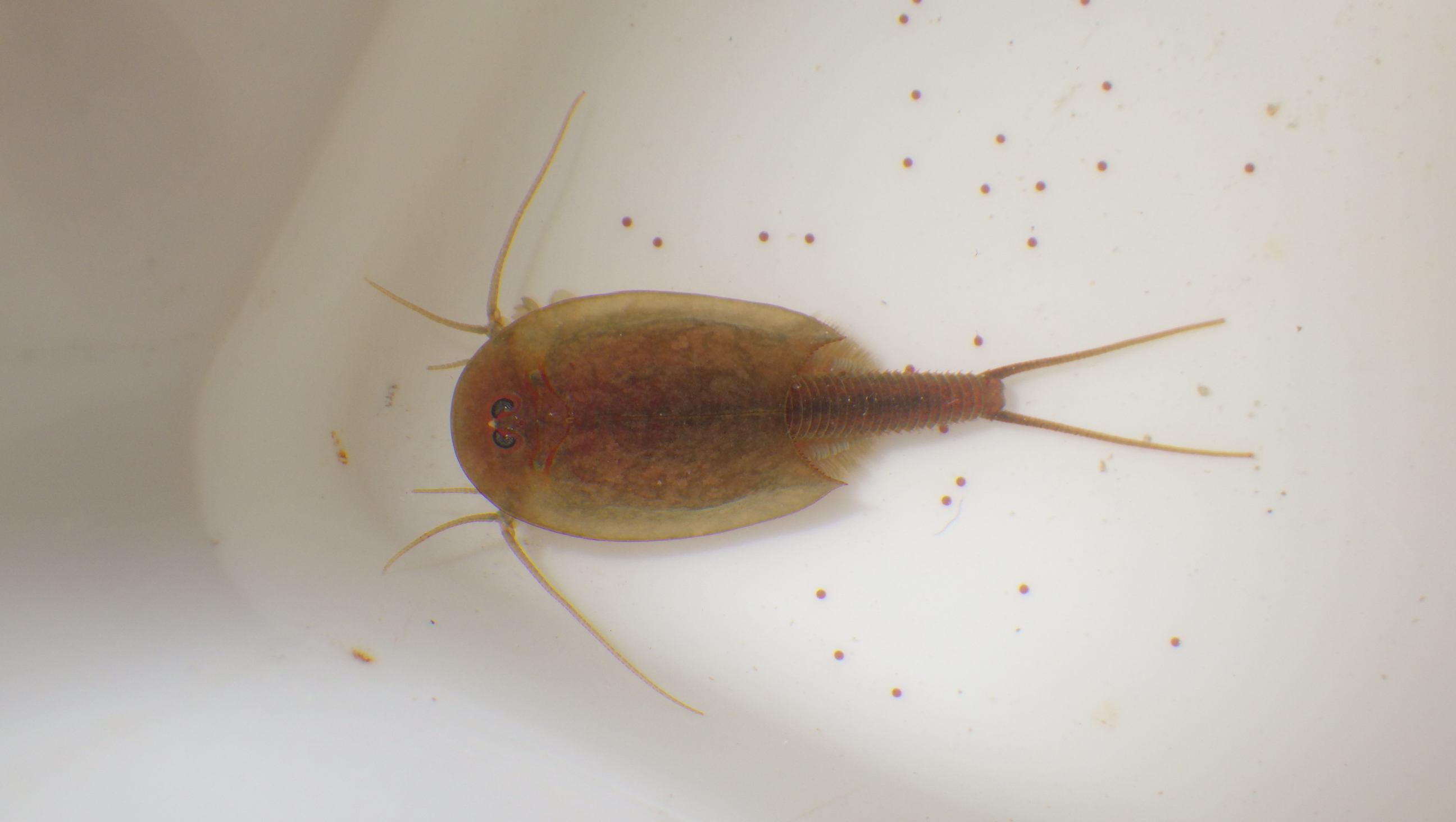
Within Japanese aquarium culture, a special albino strain of Triops cancriformis holds a unique place. Known as Beni-Kabuto Ebi, meaning "red helmet shrimp," this variant lacks pigmentation, giving it a translucent white to pale pink body. The name itself carries cultural weight: "kabuto" refers to the traditional samurai helmet, a nod to the Triops' shield-like carapace. This linguistic connection between an ancient warrior's armor and a tiny crustacean reflects how deeply Triops have embedded themselves into Japanese visual imagination.
Indigenous Knowledge in North America
Native American communities living in arid regions of the American Southwest and Great Basin had their own encounters with tadpole shrimp. Seasonal playa lakes and temporary pools, known as "vernal pools," fill with water after spring rains and then vanish within weeks. These pools burst with Triops, fairy shrimp, and other short-lived aquatic life. Indigenous peoples who relied on these ephemeral water sources would have observed the sudden explosion of Triops each season.
While Triops were not directly harvested as food in most regions, their presence signaled healthy, productive seasonal waters. The pools themselves were valued as part of the natural cycle, and Triops played a visible role in that ecosystem. Archaeological evidence from some western North American sites includes branchiopod remains in sediment cores, confirming that humans and Triops shared these landscapes for thousands of years.
European Naturalists and the First Descriptions
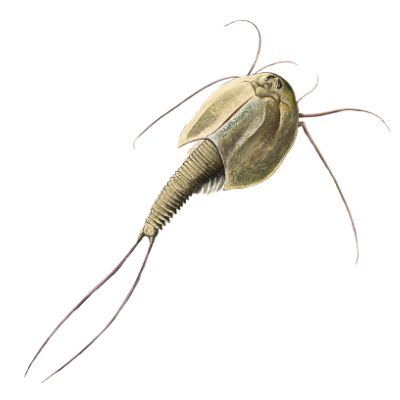
In Europe, Triops entered written history through the work of early naturalists. Carl Linnaeus originally described the species in 1758, later reclassified into the genus Triops. The name comes from Ancient Greek: tria meaning "three" and ops meaning "eye," a direct reference to their most distinctive feature. Even the ancient Greeks had a word for "three-eyed," and 18th-century scientists chose it deliberately to capture the creature's unusual appearance.
Farmers across Europe had long noticed strange "shield-backed" creatures appearing in temporary ponds after flooding. In some rural areas, these sudden appearances were attributed to spontaneous generation, a now-discredited theory that life could arise from non-living matter. The reality, we now know, is even more remarkable: eggs lying dormant in dry soil for years, awaiting the next rain. To learn more about how these eggs survive, see our guide on Triops biology and cryptobiosis.
A Living Connection Across Millennia
What makes the human relationship with Triops so compelling is its accidental nature. No culture ever domesticated Triops in the way we domesticated dogs, wheat, or cattle. Instead, humans simply noticed them, named them, and sometimes used them. Yet Triops continued their ancient rhythm, hatching and dying in the same temporary pools they have inhabited since the Triassic.
Today, the relationship continues in new forms. Triops kits are sold globally as educational pets, introducing children to the same creatures that fascinated Japanese rice farmers and European naturalists centuries ago. The Creature Gallery on this site celebrates that enduring connection between humans and the prehistoric survivors we share our planet with. For 220 million years, Triops have been doing exactly what they do. Humans, it turns out, are only the latest species to notice.