Published August 17, 2026, 20:07 by the Triops.me Editorial Team · Back to Articles
Triops Cannibalism: Why Tadpole Shrimp Eat Their Own Kind
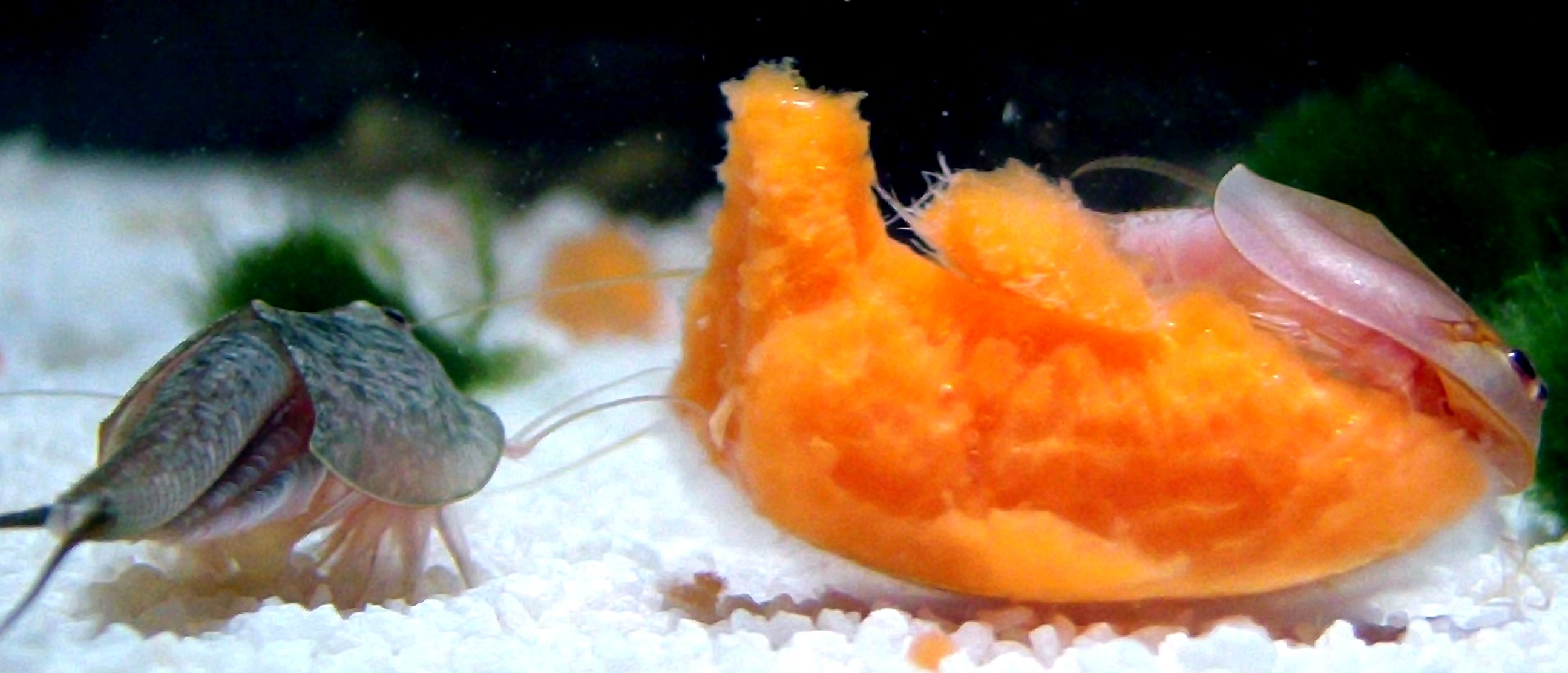
Anyone who has raised triops in a home aquarium eventually witnesses something unsettling: one triops chasing another, gripping it with its many legs, and methodically consuming it. It is not a rare accident. It is not a sign of disease. It is one of the oldest and most effective survival strategies in the animal kingdom, and it has been working for over 220 million years.
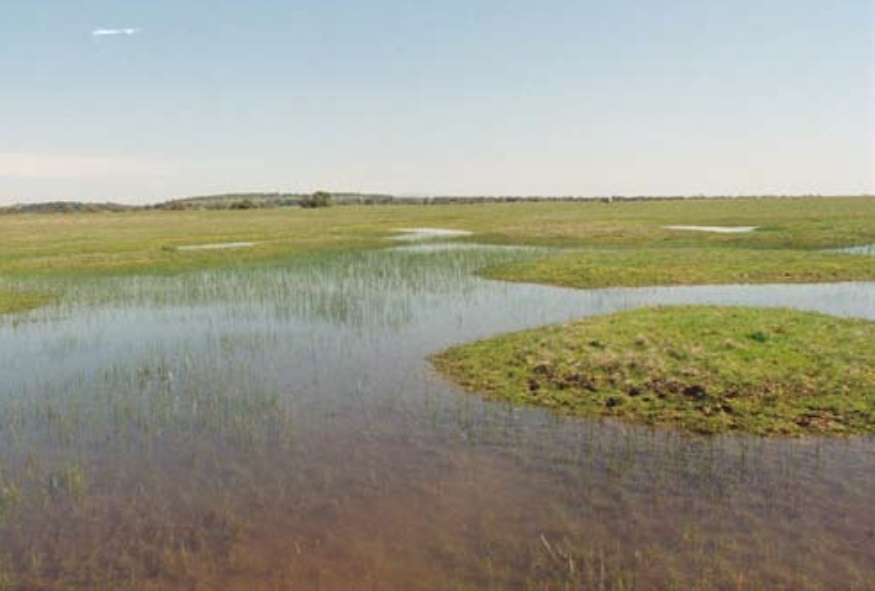
Cannibalism among triops is not a flaw in their design. It is the design. These prehistoric crustaceans evolved in temporary pools that could vanish in weeks, and in that compressed timeline, every calorie counted. Eating a rival was not cruelty. It was mathematics: one less competitor, one more meal, a better chance of laying eggs before the water disappeared.
The Science Behind the Behavior
Triops are opportunistic omnivores. In the wild, their diet includes algae, detritus, mosquito larvae, fairy shrimp, copepods, and protozoa. They are not picky eaters because their environment does not allow pickiness. When a temporary pool fills with rainwater, the clock starts ticking. Food is abundant at first, but it depletes quickly as the population booms. Within days, competition intensifies.
Research published in the Journal of Crustacean Biology by Steven Weeks documented that intraspecific competition in Triops longicaudatus directly influences growth rates and life history decisions. When density is high and food is scarce, individuals that consume conspecifics grow faster, mature earlier, and produce more eggs. This is not a laboratory curiosity. It is the engine of natural selection operating in real time.
The mechanism is straightforward. Triops detect movement with their compound eyes and investigate with their antennae. A smaller or slower individual triggers the same predatory response as any other prey item. There is no special recognition system that says "do not eat this one, it is the same species." In the murky water of a drying pool, the only signal that matters is: something moved, and I am hungry.
When Cannibalism Peaks
The first two weeks after hatching are the most dangerous period. Not all nauplii emerge at the same time, and even a few hours' head start in hatching creates significant size differences. Larger juveniles have fully formed mandibles and swimming appendages. Smaller ones are still developing. In a tank or pool with dozens of individuals, the larger triops quickly establish dominance and cull the weakest members of the population.
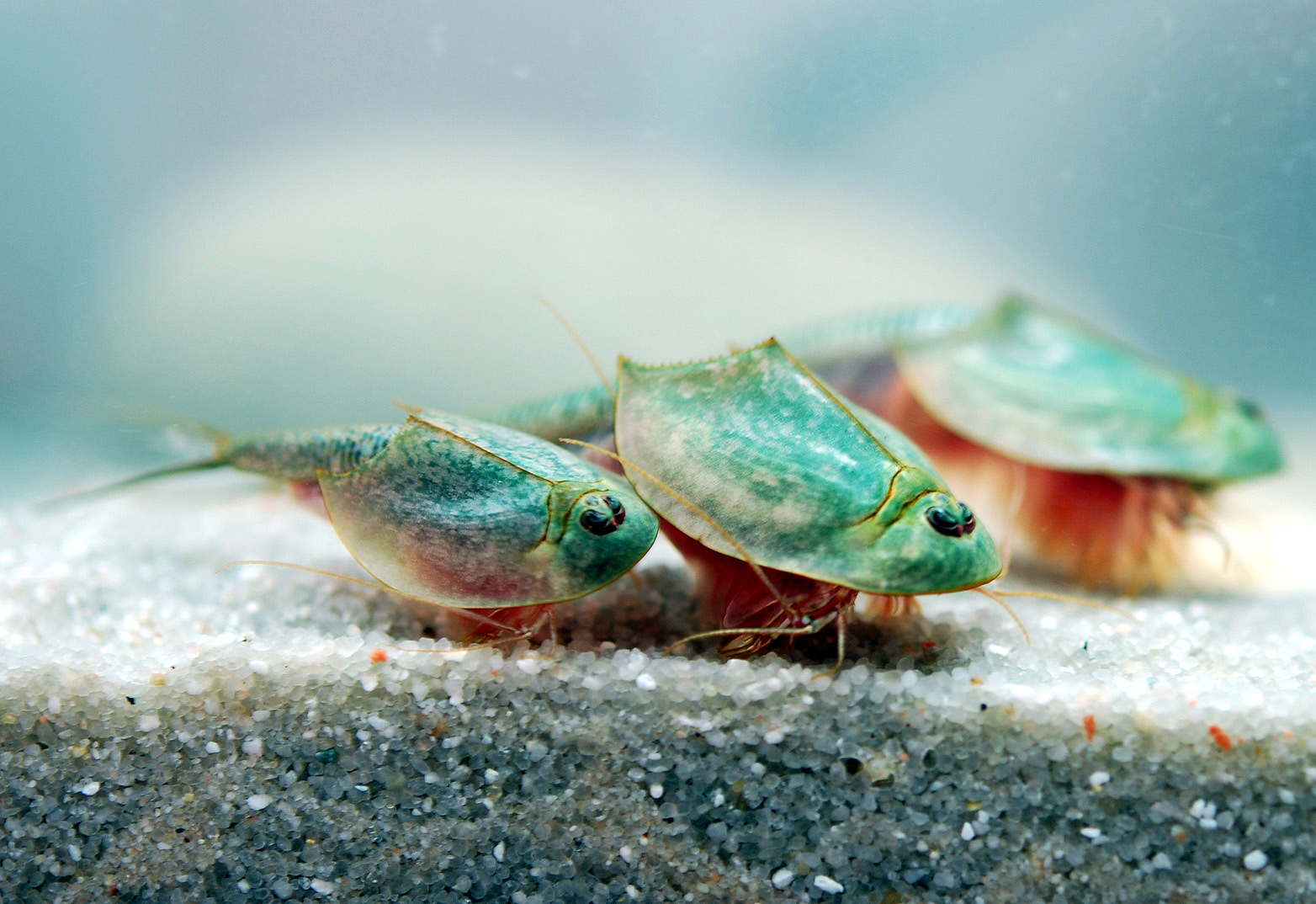
This size-differential cannibalism is not limited to triops. It appears across many branchiopod species and is particularly well documented in Triops cancriformis and T. longicaudatus. Both species are described by researchers as especially voracious, with cannibalism rates increasing sharply when population density exceeds what the habitat can sustain.
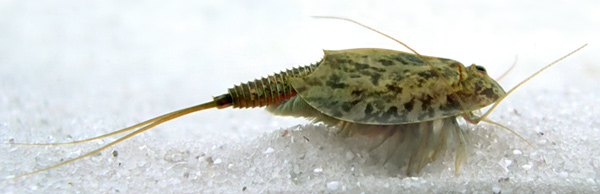
Temperature also plays a role. Warmer water accelerates metabolism, increases activity levels, and shortens the window between hatching and reproductive maturity. In warmer conditions, triops grow faster but also consume more, including each other. Studies have shown that at temperatures above 28 degrees Celsius, aggressive interactions between triops increase measurably.
An Ancient Survival Strategy
From an evolutionary perspective, cannibalism is not a problem to solve. It is a solution that has been tested and refined across geological time. The logic is grim but elegant: in a population of twenty triops in a drying pool, if five are eaten by the other fifteen, those fifteen grow larger, mature faster, and each produce more eggs. The next generation, when the pool refills, starts with a larger egg bank deposited by bigger, healthier parents.
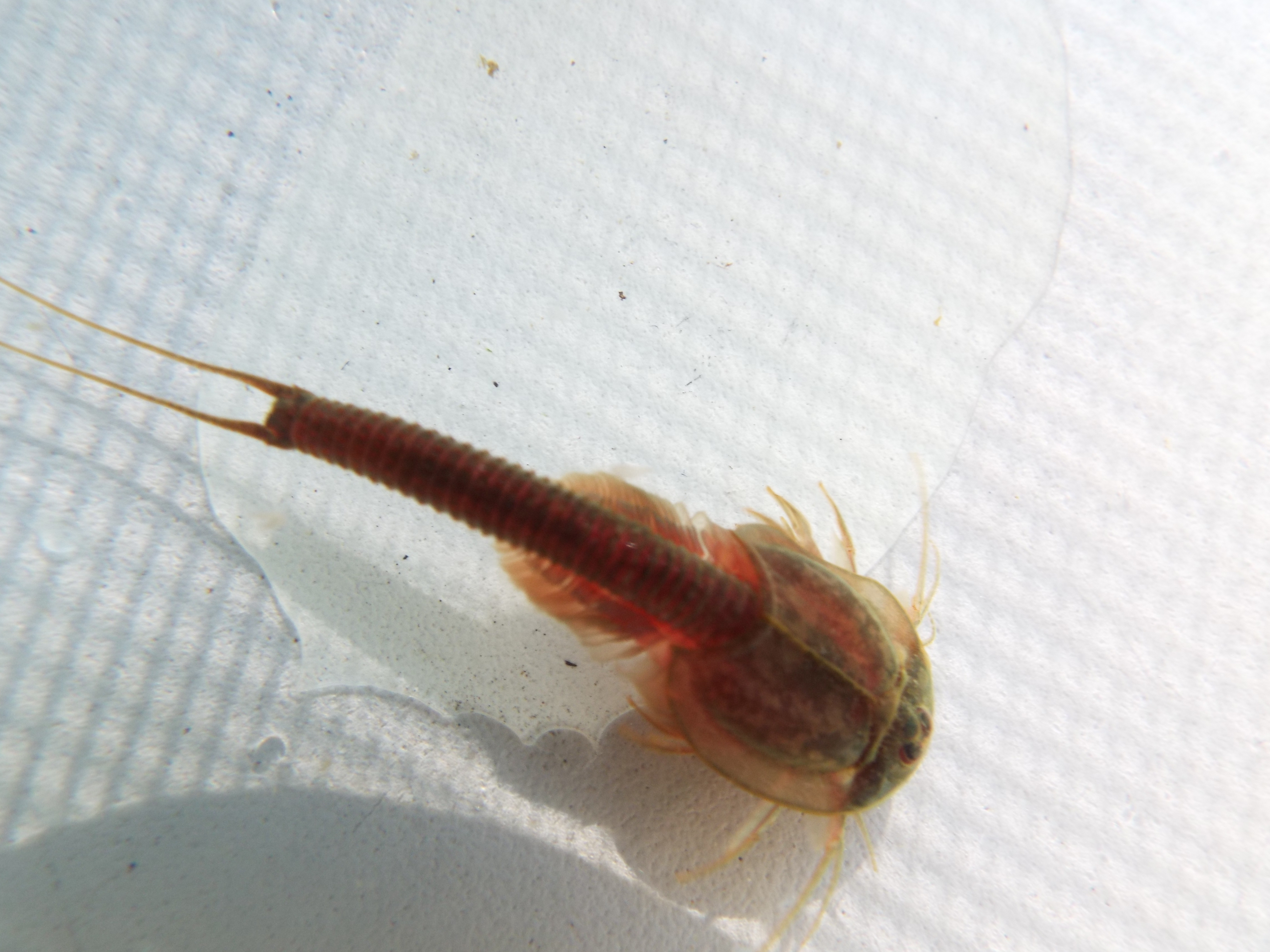
This strategy connects directly to the concept of bet-hedging, which is central to how triops survive across millennia. Female triops can modify their eggs based on environmental conditions, producing dormant cysts when conditions are poor and immediately hatching eggs when conditions are favorable. Cannibalism ensures that the adults who produce these eggs are the strongest and most efficient individuals in the population.
The fossil record supports this. Triops morphology has remained essentially unchanged for over 170 million years, as documented in a 2017 study in Biological Journal of the Linnean Society. The body plan works. The behavioral toolkit, including cannibalism, works. There has been no selective pressure to change because the strategy continues to succeed.
Reducing Cannibalism in Captivity
While cannibalism is natural, it can be significantly reduced in home aquariums through careful management. The key factors are feeding, space, temperature, and structure.
Feeding: Regular feeding from the third day onward, using high-protein foods like decapsulated brine shrimp eggs, spirulina powder, or crushed fish flakes, reduces the hunger-driven motivation for cannibalism. Small amounts offered two to three times daily mimic the intermittent food availability of a natural pool without allowing desperation to set in.
Space: Overcrowding is the single biggest driver of cannibalism in captivity. A general rule is at least one litre of water per triops, though more is always better. If you notice significant size differences emerging, separating larger individuals into a second container gives the smaller ones a chance to catch up.
Temperature: Keeping water between 24 and 26 degrees Celsius slows metabolism enough to reduce aggressive interactions while still allowing healthy growth. Extreme warmth accelerates everything, including predation.
Structure: Adding small stones, aquatic plants, or other hiding places gives smaller triops somewhere to retreat. In a bare tank, there is nowhere to hide and every encounter becomes a potential predation event.
A Window Into Deep Time
Understanding triops cannibalism is understanding something fundamental about how life persists through crisis. These creatures did not survive five mass extinctions by being gentle. They survived by being ruthlessly efficient, converting every available resource into the next generation. When you watch one triops consume another in your aquarium, you are watching a behavior that predates the dinosaurs, that outlasted them, and that continues to operate with the same cold logic it always has.
The next time you notice your triops population thinning, do not despair. The survivors are doing exactly what their ancestors have done for 220 million years: eating well, growing fast, and making sure the eggs they leave behind are produced by the fittest individuals in the pool. It is not pretty, but it is proven. And in the world of ephemeral pools and deep time, proven is all that matters.