Published August 08, 2026, 07:00 by the Triops.me Editorial Team · Back to Articles
Triops and Climate Change: How Ancient Survivors Handle a Warming World
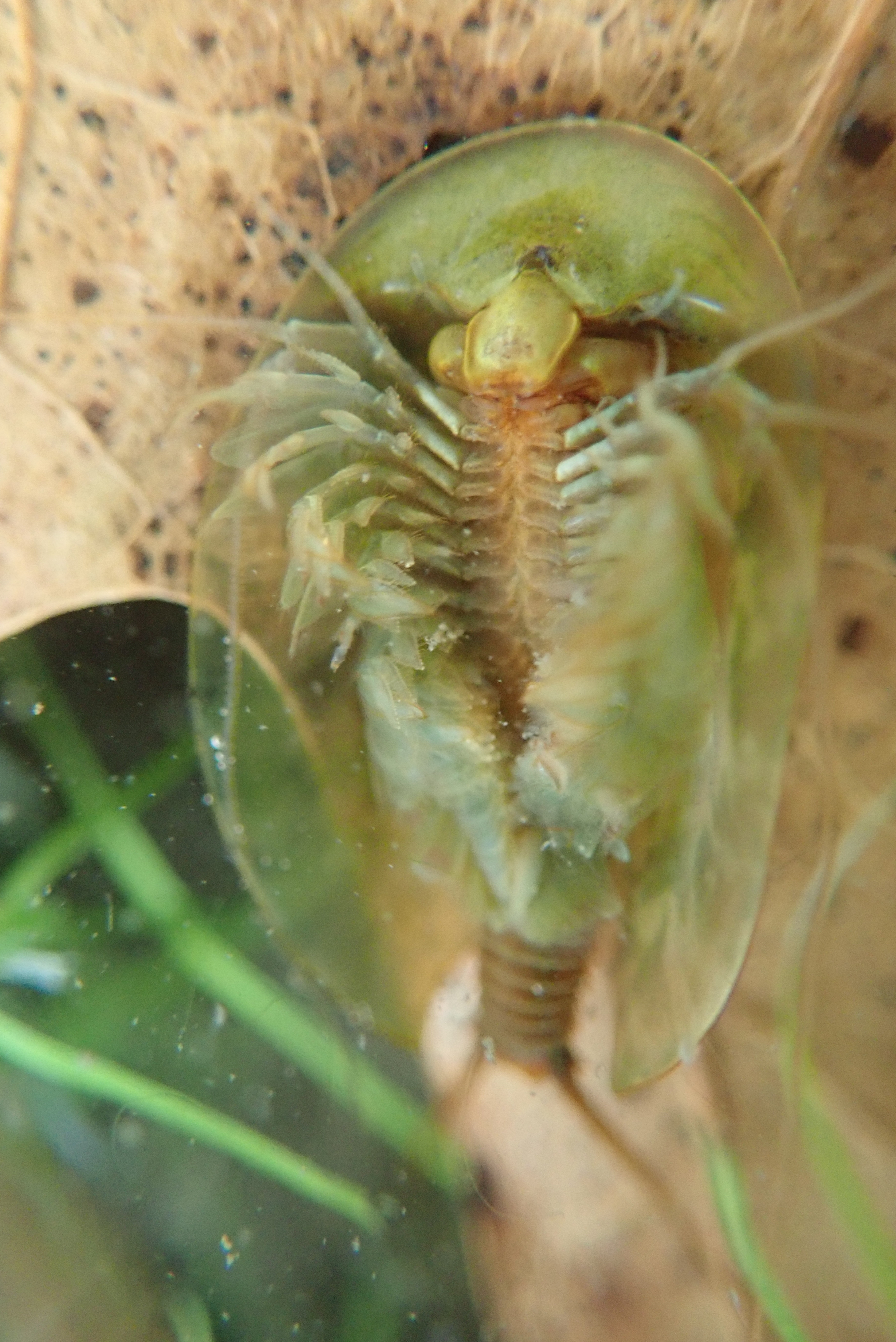
Triops have been on Earth for roughly 220 million years. They outlived the Permian-Triassic extinction that killed 90% of all species, the asteroid that ended the dinosaurs, and every Ice Age since. Their survival strategy is simple: lay drought-resistant eggs, vanish when conditions deteriorate, and reappear when water returns. It has worked for over 200 million years. But past climate shifts unfolded across thousands of years. Modern warming is happening in decades. Can Triops keep up?
Dependent on Disappearing Water
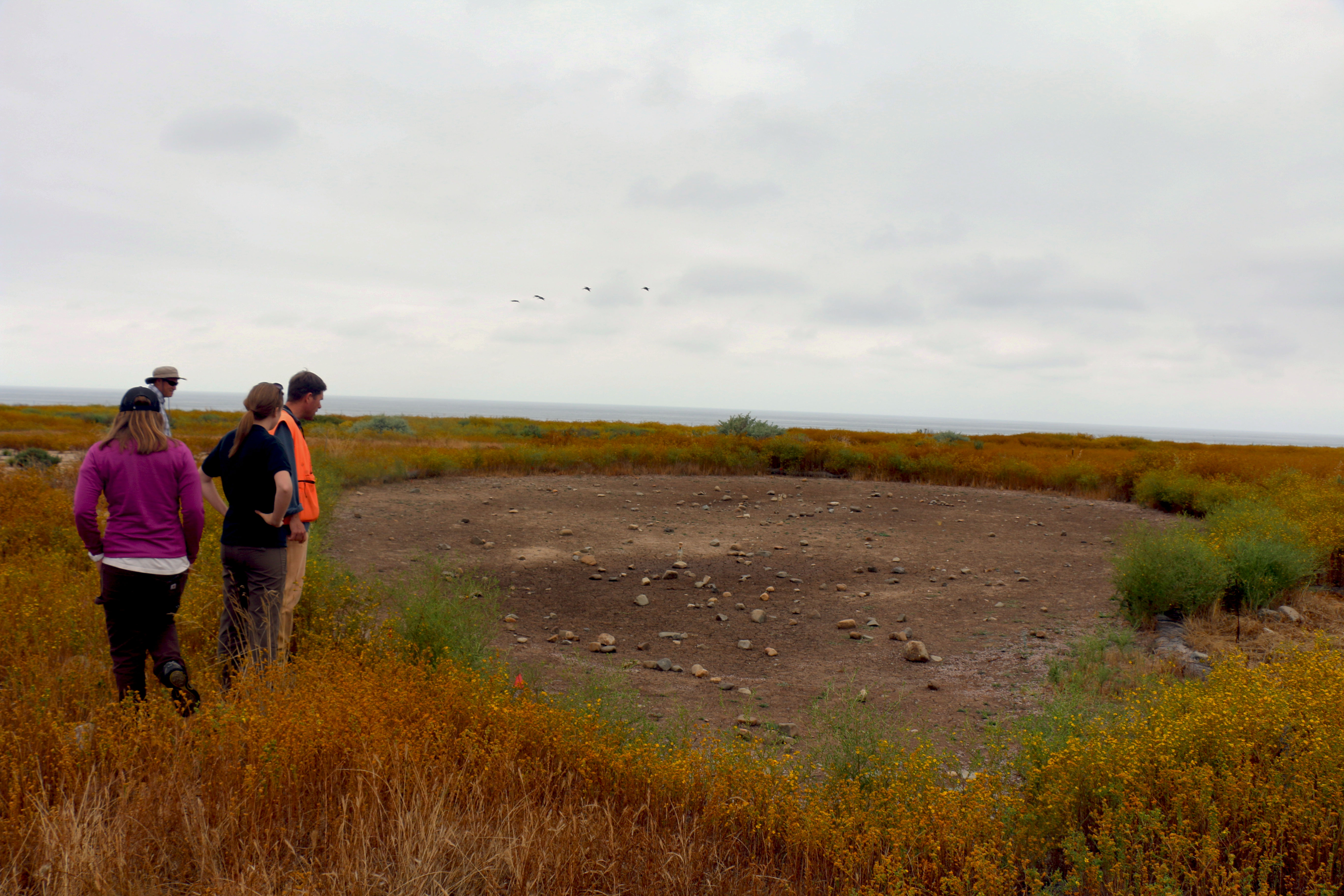
Triops depend entirely on temporary pools, vernal pools, desert rain pools, rice paddies, and seasonal wetlands. These are among the most climate-sensitive ecosystems on Earth. A vernal pool fills with rain, holds water for weeks or months, then dries completely. Triops eggs lie dormant in the dry mud for decades, waiting for the next filling event.
Climate change attacks this system from multiple angles. Rising temperatures increase evaporation, shortening the wet window. Shifting precipitation means some pools may not fill at all. In California's Central Valley, over 76,000 acres of vernal pool grassland were lost between 2005 and 2018. The U.S. Fish and Wildlife Service confirmed in its 2024 review that vernal pool fairy shrimp remain threatened, and both vernal pool tadpole shrimp and Conservancy fairy shrimp remain endangered. Drought, climate change, and habitat destruction are the primary ongoing threats.
Built for Climate Instability
Here is the paradox. Triops are designed for climate chaos. A single female produces thousands of eggs encased in hard shells resistant to desiccation, freezing, and UV radiation. These eggs remain viable in dry soil for 20 to 30 years. Triops do not need every year to be good. They need good years often enough to replenish the egg bank. As long as pools eventually refill, the Triops will reappear.
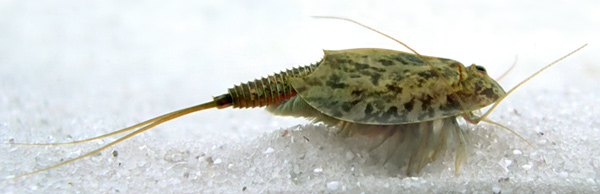
They survived the Permian-Triassic extinction, 252 million years ago, when volcanic eruptions triggered runaway greenhouse warming and temperature spikes of 8 to 12 degrees Celsius. Over 90% of marine species vanished. Triops pulled through and appear in Triassic fossil deposits as first colonizers of post-catastrophe ecosystems.
A 2023 study in Proceedings of the Royal Society B found that egg banks both constrain and enable evolution. Old genotypes flood populations when conditions change, slowing rapid adaptation, but the bank guarantees survivors through extreme events. Research on Triops cancriformis in Britain shows populations are genetically distinct at small scales, meaning local groups may already be adapted to their specific pool conditions.
The Real Threat Is Pool Loss
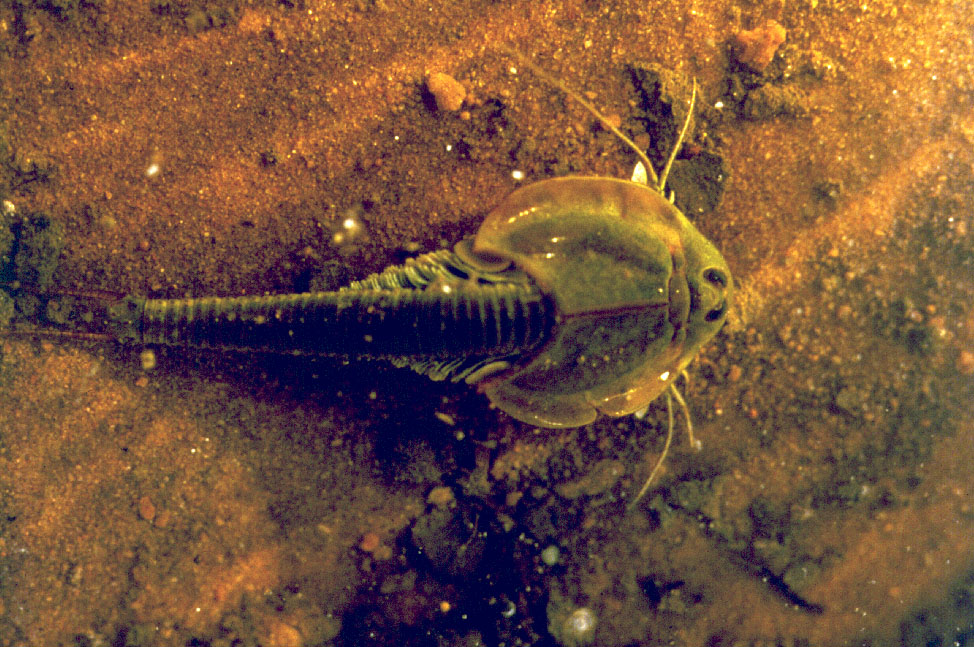
Triops can survive drought. That is their specialty. What they cannot survive is the permanent loss of their pools. Climate change, combined with development, is not just making pools drier. It is destroying them entirely. When a vernal pool is paved over or drained, no amount of egg dormancy can bring it back. Only about 33% of vernal pool grassland in California's Central Valley is formally protected.
In Europe, Triops cancriformis is endangered across much of its range, threatened by development, changed grazing practices, and scrub encroachment. Conservation focuses on maintaining temporary pool habitats rather than protecting individual populations.
What Triops Teach Us About Resilience
The Triops story is about dormancy as insurance against environmental unpredictability. Brine shrimp, fairy shrimp, and water fleas use the same strategy: massive egg banks, dormant embryos, rapid rebuilds when conditions improve. Astrobiologists have taken notice. If Triops eggs survive decades of drought on Earth, could they endure conditions on Mars or Europa? ESA has studied crustacean egg survival in space, finding remarkable resilience to vacuum, extreme temperatures, and cosmic radiation.
The biggest factor determining Triops survival is not biology but policy. Protecting vernal pools and seasonal wetlands from development is more critical than ever. Triops can handle disrupted pool cycles. They have done it for 220 million years. But they need the pools to still be there when the rain returns.