Published August 10, 2026, 12:17 by the Triops.me Editorial Team · Back to Articles
Triops and Ephemeral Pools: Life in a Vanishing World
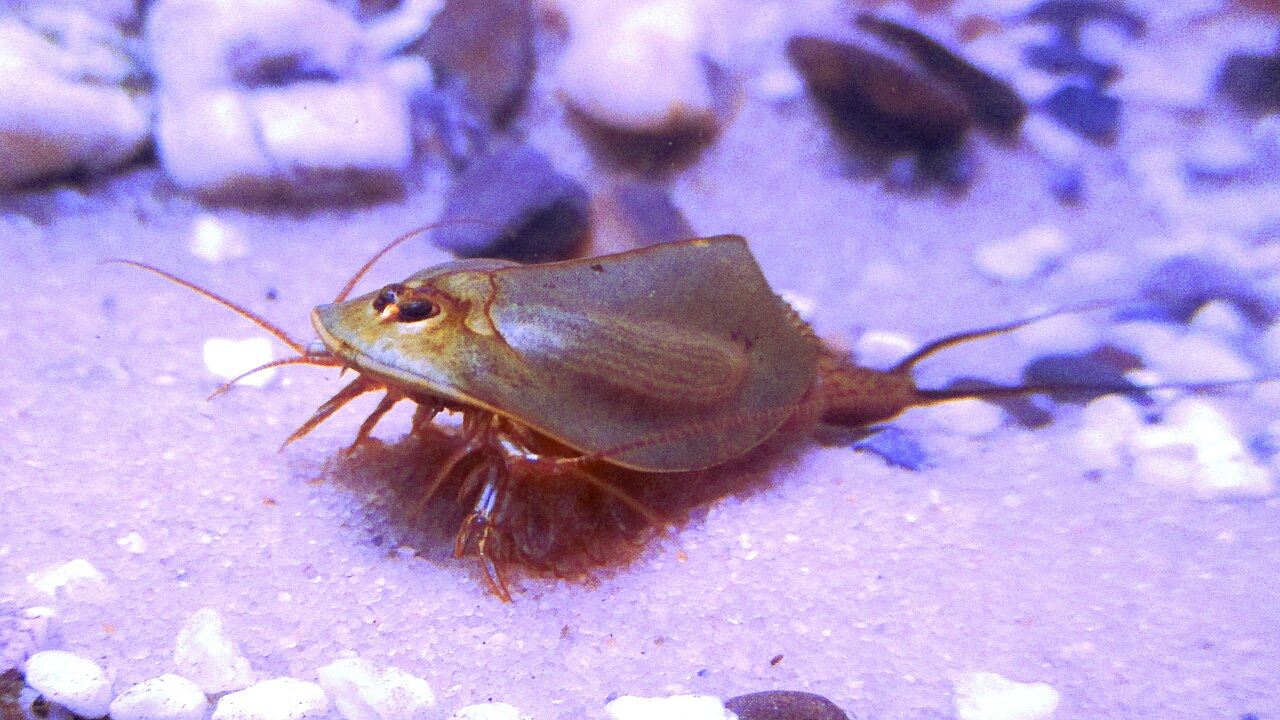
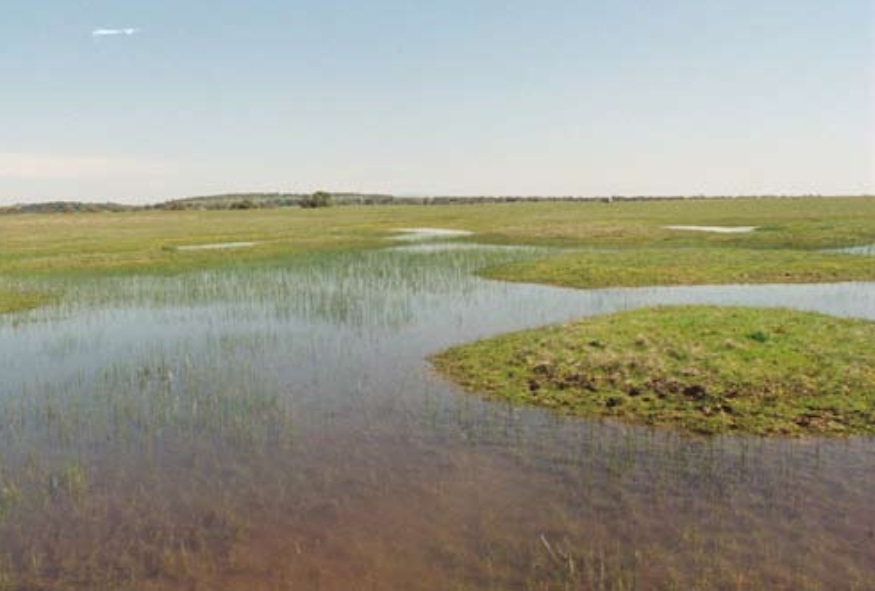
Drive through central Spain after a spring rain and you might notice shallow puddles shimmering on flat clay pans, with no visible water source nearby. Look closer, and the water teems with small armored creatures darting through the mud. These are Triops, and the puddles they inhabit are some of the strangest ecosystems on Earth. They are ephemeral pools, environments that exist for weeks or months before vanishing completely, only to return when the rain comes back.
For hundreds of millions of years, this cycle of flood and drought has shaped a community of organisms built to exploit a disappearing world. Ephemeral pools go by many names: vernal pools in California, claypans in Australia, temporary ponds in the Mediterranean. Despite their humble look, these pools are among the most biodiverse habitats per square meter on the planet, hosting species found nowhere else.
A Life Built for Disappearance
An ephemeral pool fills exclusively from rainfall or seasonal flooding, holds water for a defined period, then dries completely into cracked clay that bakes in the sun for months or years. This extreme cycle creates a pressure cooker for evolution.
Triops survive this cycle through dormant eggs. Their eggs, encased in a hard shell of proteins and minerals, enter cryptobiosis, a suspended state where embryos halt all visible development. In this state, they can survive complete desiccation, freezing, and even the vacuum of space in laboratory tests. When rain returns and the eggs rehydrate, they hatch within 24 to 48 hours, and the race begins.
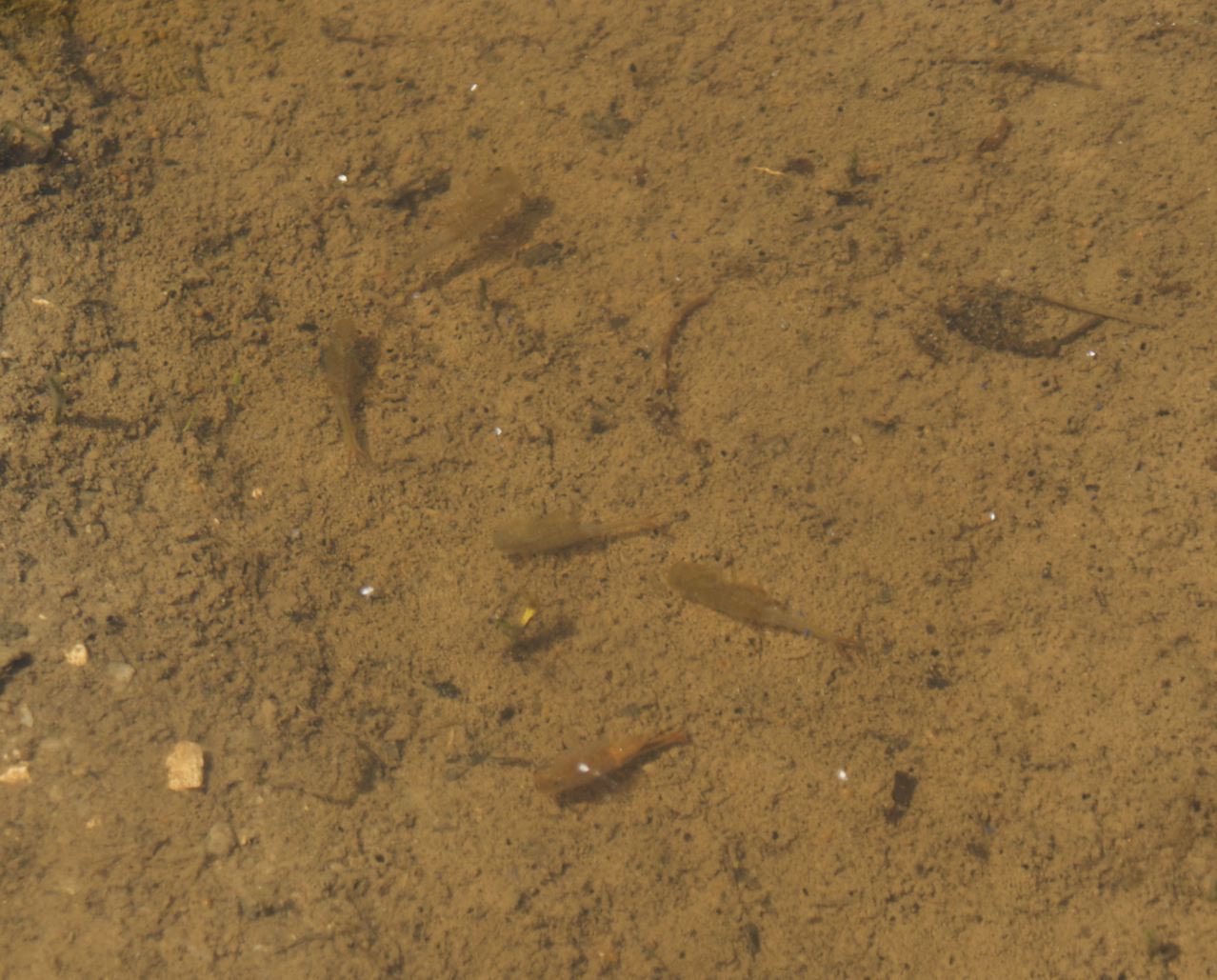
Triops longicaudatus can complete its entire life cycle in as little as seven to ten days. That speed is a survival requirement. The pool is shrinking, temperatures are rising, and food is finite. During those few frantic weeks, the water goes from cool and oxygen-rich to warm and murky, conditions that would kill most aquatic life. Triops thrive where nothing else can.
Neighbors in the Mud
Triops share these vanishing habitats with equally specialized organisms. Fairy shrimp swim belly-up through the water, filtering algae with feathery appendages. The San Diego fairy shrimp, Branchinecta sandiegonensis, is federally endangered, found only in California vernal pools. Its entire existence depends on pools most people walk past without a second glance.
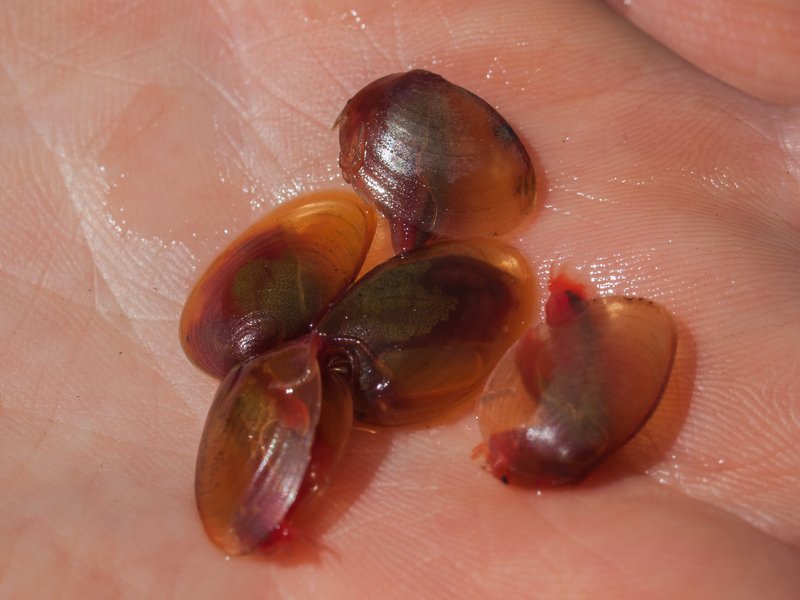
Clam shrimp look like tiny clams but are actually arthropods related to Triops. They burrow into the mud, filter-feeding on detritus. When the pool dries, their eggs join those of Triops and fairy shrimp in the dormant seed bank. Together, these organisms form a tightly interlinked community that has persisted in temporary waters since before the dinosaurs.
Why These Pools Matter
Ephemeral pools are among the most threatened ecosystems on Earth, and most people have never heard of them. In California, over 90 percent of original vernal pool habitat has been destroyed by agriculture and development. The pools sit on flat ground that looks like prime farmland, and plows have erased them for centuries without anyone noticing.
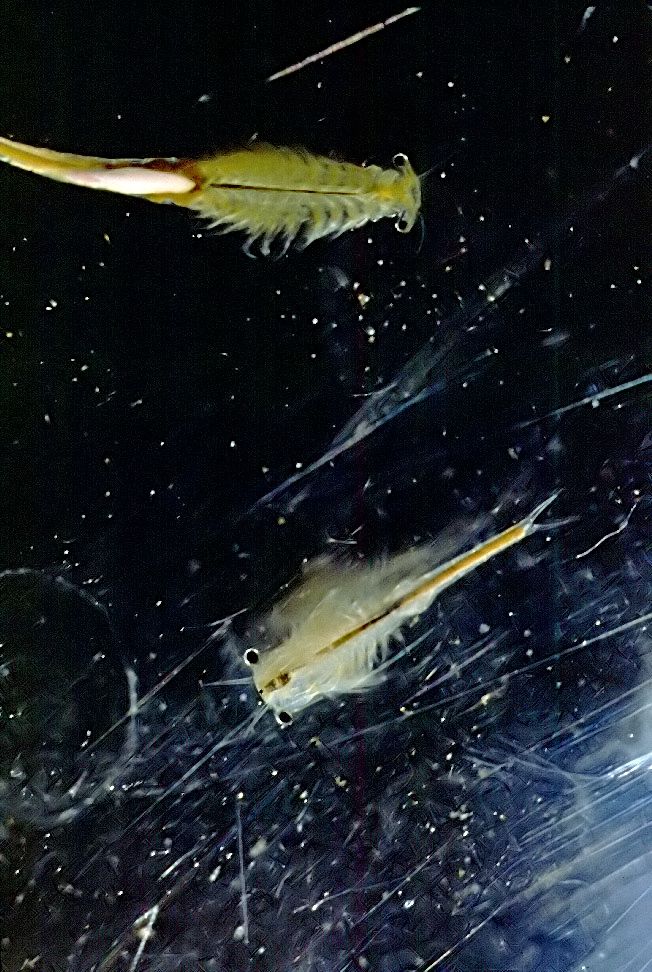
The species that depend on these pools are often endemic, meaning they exist nowhere else. When a pool complex is paved over, entire populations of fairy shrimp, clam shrimp, and specialized insects vanish. The Triops eggs buried in that dried mud represent a living archive stretching back millions of years, destroyed in an afternoon of bulldozing.
Conservation efforts have begun to help. The Vernal Pool Conservation Bank program in the United States protects pools by letting developers fund conservation elsewhere. In Europe, the Habitats Directive provides protection. But the challenge is immense. Ephemeral pools are small, scattered, and hard to map. Many are destroyed before anyone knows they existed.
A Window Into Deep Time
Standing at the edge of an ephemeral pool is a humbling experience. The Triops swimming before you are executing a life cycle essentially unchanged since the Triassic period, roughly 220 million years ago. The pool itself, a temporary depression that fills with rain and bakes dry in the sun, is the same kind of habitat where the earliest Triops fossils have been found.
Protecting an ephemeral pool means preserving one of the oldest continuous ecological processes on Earth, a cycle that has outlasted ice ages, continental drift, and five mass extinctions. The next time rain fills a shallow depression in a field, take a moment to look. What seems like a temporary puddle may be a window into deep time, populated by creatures that have mastered surviving in a world that keeps disappearing beneath their feet.