Published August 10, 2026, 12:17 by the Triops.me Editorial Team · Back to Articles
Triops in Extreme Environments: Where Nothing Else Can Survive
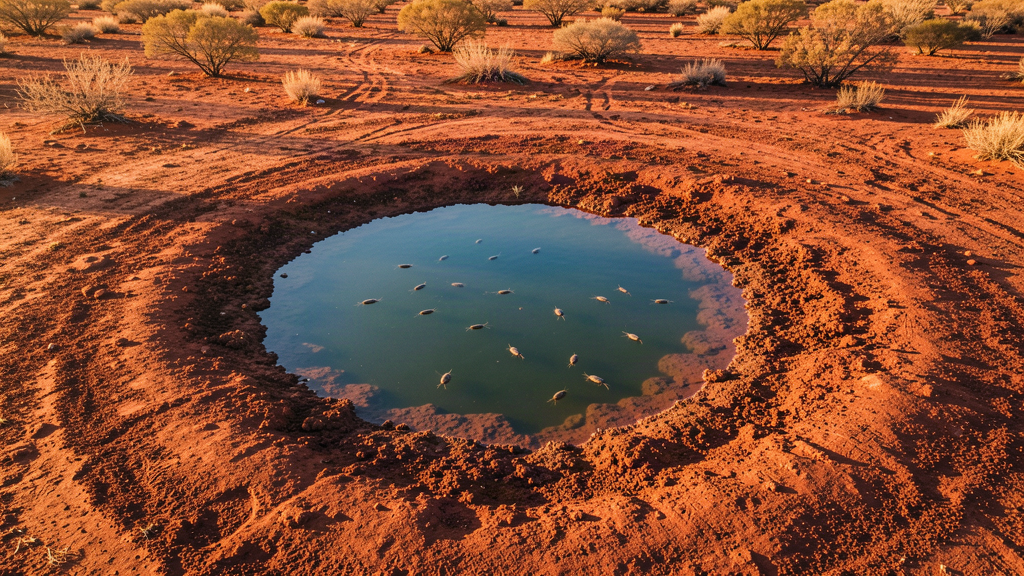
Most aquatic animals have narrow tolerance ranges. A few degrees too hot, a bit too salty, a shift in pH, and they perish. Triops are different. For over 200 million years, these small crustaceans have colonized habitats that would kill nearly anything else, from scorching desert basins to frozen alpine pools. Understanding their limits reveals why they have outlasted the dinosaurs.
Heat: Eggs That Survive Near-Boiling Water
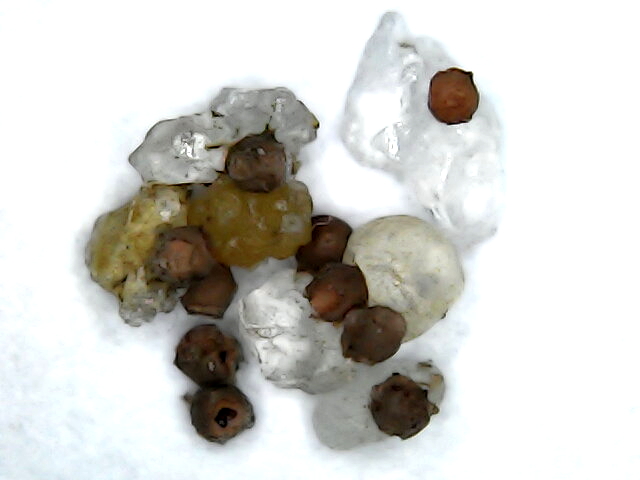
The most astonishing fact about Triops is what their eggs can endure. Research published by Patrick L. Osborne shows that Triops resting eggs tolerate temperatures up to 98 degrees Celsius (208 degrees Fahrenheit) for 16 hours straight. That is just two degrees short of boiling water. The adult animals themselves are far more delicate, unable to survive above 34 degrees Celsius for 24 hours. But the eggs, encased in their protective shells and locked in a state of cryptobiosis, shrug off heat that would cook most biological matter.
These eggs form in the muddy bottoms of temporary pools across Africa, Australia, Asia, the Americas, and parts of Europe. When the pool dries under a blazing sun and temperatures spike, the eggs simply wait. They can remain dormant for decades, hatching only when fresh rain fills the basin again.
Cold: Frozen Pools, Living Eggs
At the other extreme, Triops eggs survive prolonged freezing. In temperate regions where winter temperatures drop well below zero, the eggs lie frozen in dry soil or ice-locked pool beds. Triops cancriformis, the European species, is found as far north as Great Britain, where winters bring hard frosts. The eggs withstand these conditions season after season. Triops newberryi, found in the western United States, thrives at water temperatures above 25 degrees Celsius during summer but produces eggs that sit through freezing mountain winters before hatching in spring runoff.
pH Extremes and Salinity
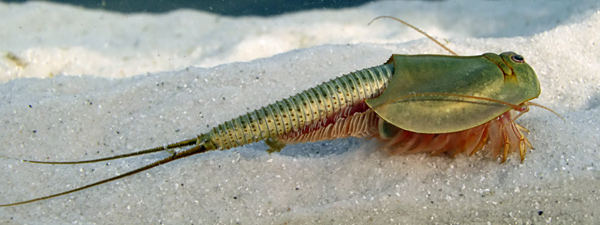
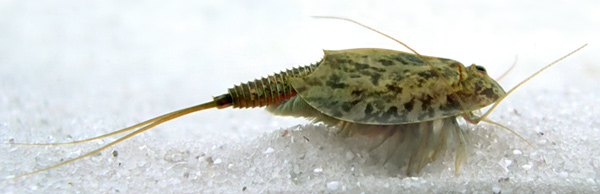
Triops tolerate a pH range from 6 to 10, according to research by Denton Belk. That spans from mildly acidic to strongly alkaline. Many freshwater fish cannot survive below pH 6.5 or above 8.5, yet Triops casually inhabit pools that push both boundaries. In the Australian outback, Triops australiensis populates claypans and floodplain pools where mineral concentrations create highly alkaline conditions that would be toxic to most other invertebrates.
Salinity tolerance adds another layer. A 1968 study by Francis Horne found that Triops longicaudatus could survive in gradually increasing salinities, regulating their internal ion balance even in brackish conditions. They cannot live in full seawater, but they handle salt concentrations that would kill most freshwater organisms. This ability lets them exploit coastal pools and salt-affected basins where competition and predation are minimal.
The Desert Specialists
Perhaps the most dramatic extreme environments are true deserts. In Nevada's Valley of Fire, Triops eggs lie dormant in sun-baked clay for years between flash floods. When rain does come, the eggs hatch within hours, and the animals race through their entire life cycle in weeks before the water vanishes again. In the Australian interior, Triops australiensis fills temporary lakes that may hold water for only a few weeks each decade.
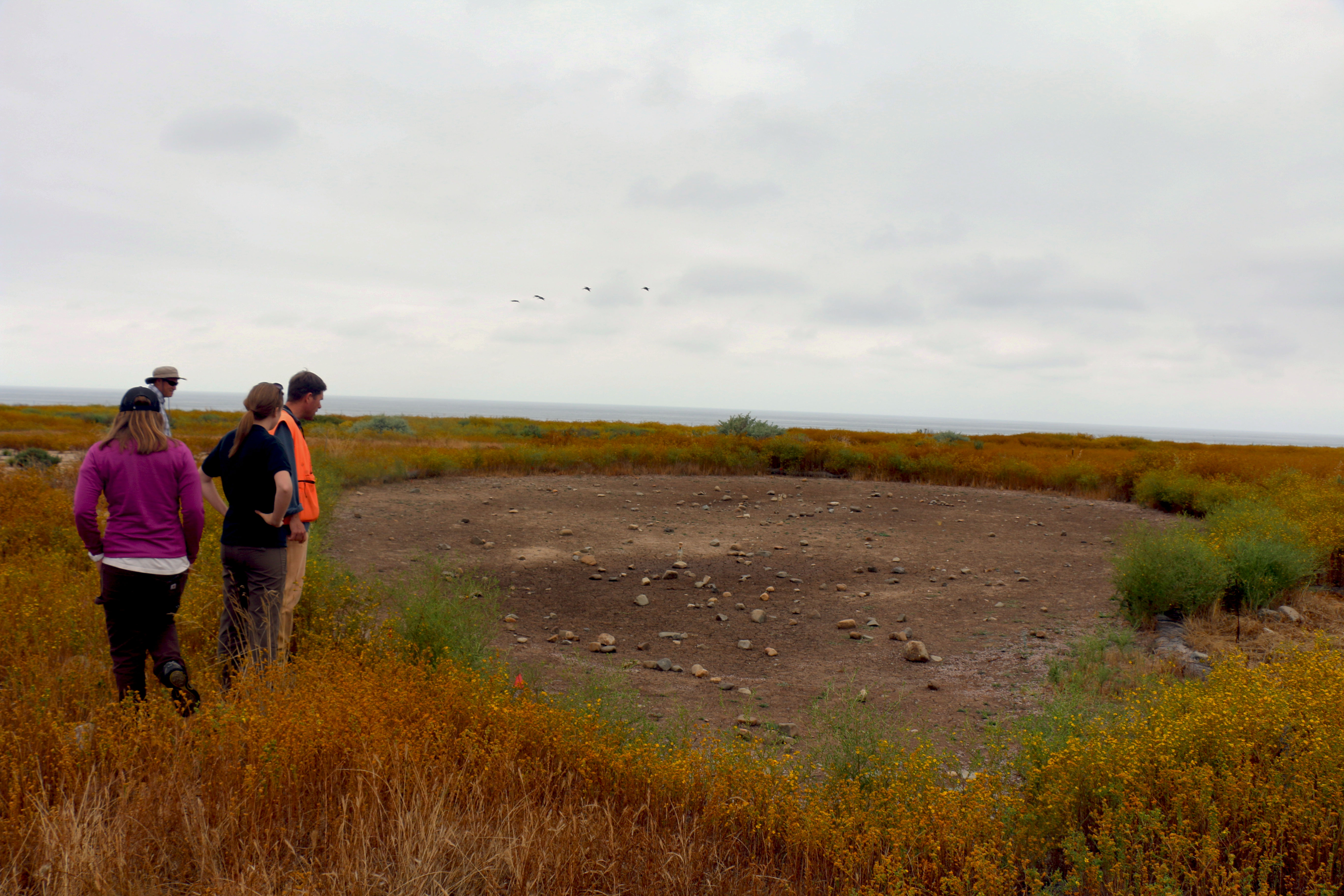
The key to all of this is diapause, a form of suspended animation. When conditions deteriorate, female Triops produce specially modified eggs with thick, protective shells. These eggs do not merely pause development. They shut down metabolic processes almost entirely, preserving themselves through heat, cold, drought, and even passage through the digestive tracts of birds that carry them to new pools.
Why It Matters
Triops are more than curiosities. Their ability to survive extreme conditions makes them valuable subjects for astrobiology research. Scientists study their eggs to understand how life might persist on Mars or Europa, where surface conditions alternate between extreme cold and temporary liquid water. Their tolerance for radiation-like stress during diapause, their rapid life cycles, and their capacity to recolonize barren habitats after catastrophe make them a model for understanding resilience itself.
From boiling desert mud to frozen mountain pools, Triops have turned extreme environments into home. They do not merely survive these places. They thrive in them, waiting with impossible patience for the next rain.