Published August 12, 2026, 01:36 by the Triops.me Editorial Team · Back to Articles
Triops in the Age of Dinosaurs
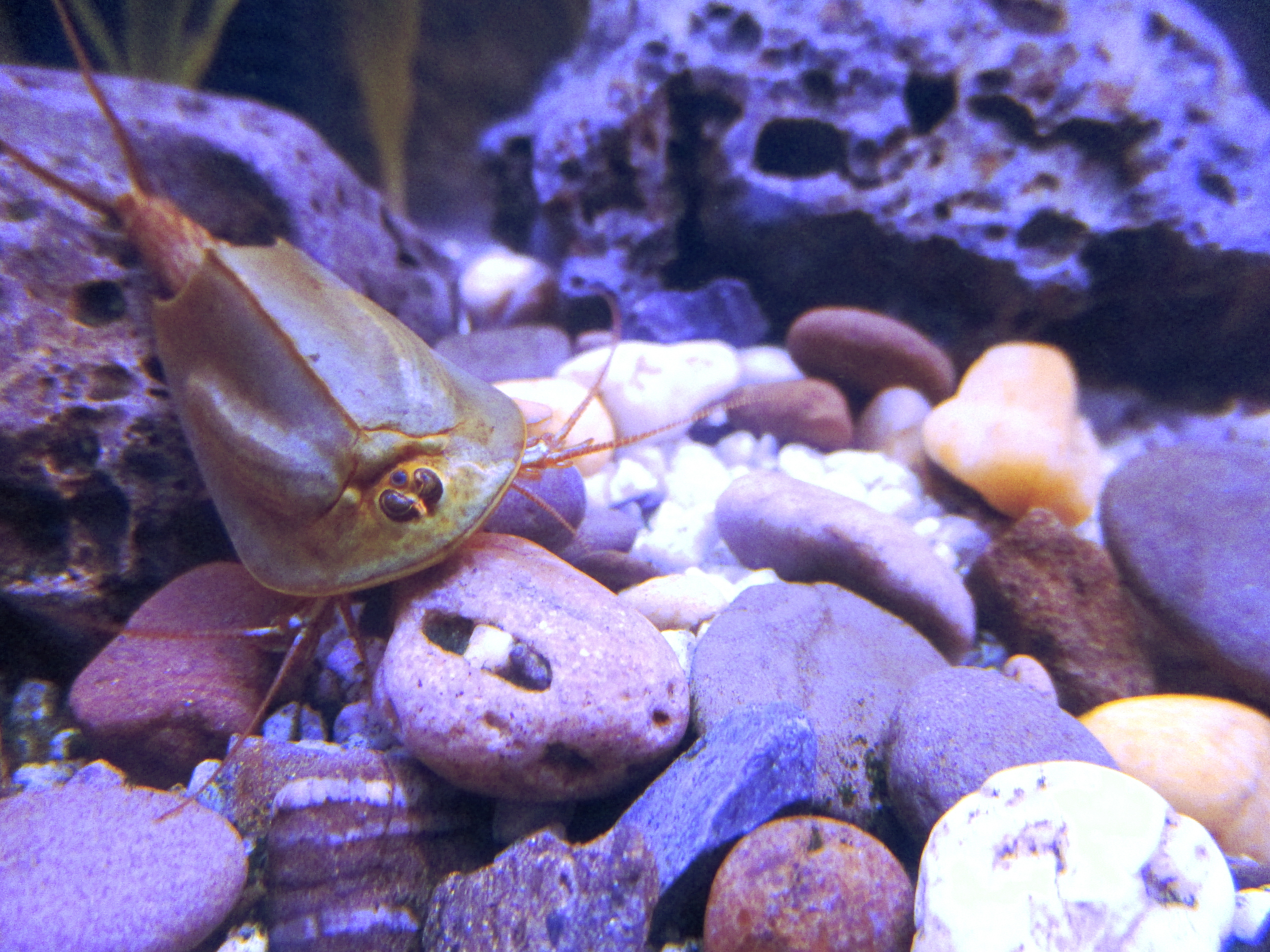
Picture this: a tyrannosaur stalking through a Late Cretaceous forest, the ground trembling beneath its feet. Now zoom in. In a shallow, muddy puddle just fifty meters away, a tiny creature no bigger than a human thumbnail is swimming through the water, sifting sediment with its dozens of legs, completely indifferent to the drama unfolding around it.
That creature was a Triops. And it was watching the dinosaurs live and die for over 150 million years.
A Story of Staggering Timescales
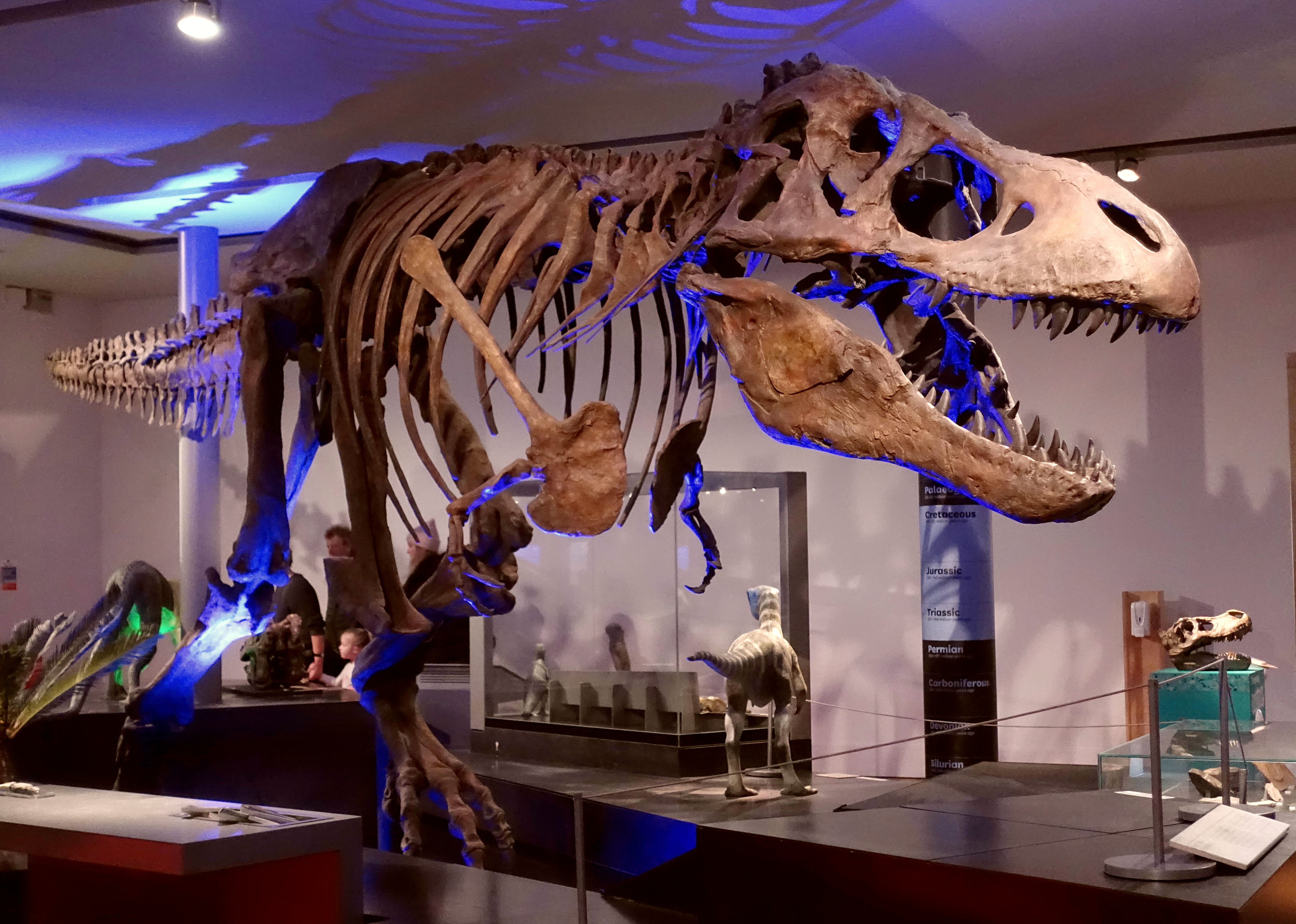
The earliest Notostracans, the order to which Triops belongs, appear in the fossil record roughly 220 million years ago during the Late Triassic. This means they showed up on Earth before most of the dinosaurs we know today. The first T-Rex did not appear until about 68 million years ago. By the time that apex predator was terrorizing the Cretaceous landscape, Triops had already been doing their thing for more than 150 million years.
When we say Triops are ancient, we sometimes lose track of what that actually means. They were already old when the first sauropods started stretching their necks. They were already old when pterosaurs filled the skies. And they were already old when the asteroid that ended it all came crashing down.
Survivors of the Permian Catastrophe
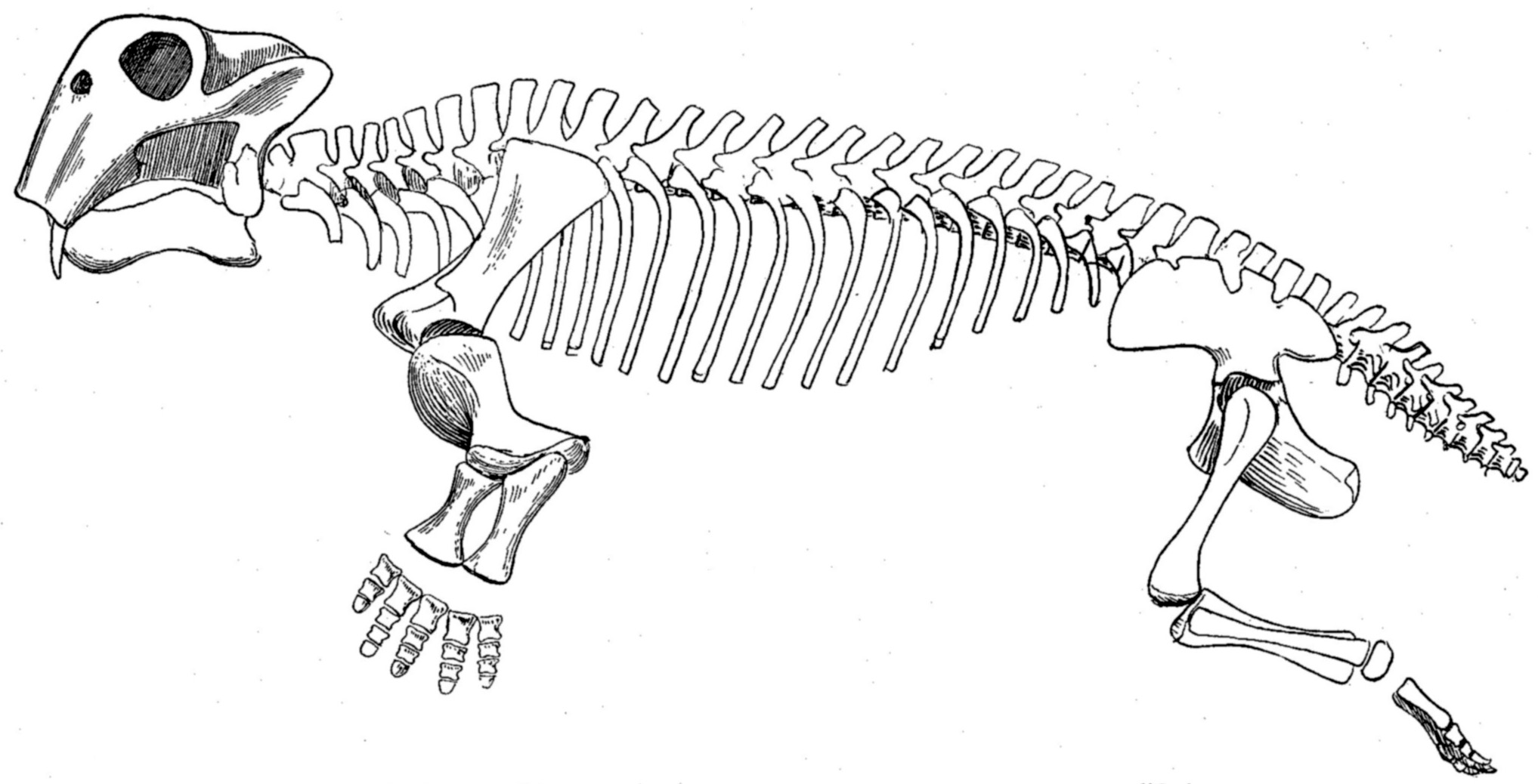
Before dinosaurs even existed, the Triops lineage survived the Permian-Triassic extinction event, the single worst catastrophe in Earth's history. That event, 252 million years ago, erased roughly 90% of all marine species and 70% of terrestrial vertebrate species. The Lystrosaurus, a pig-sized reptile, became the most common land animal on Earth in the aftermath. But the ancestor of Triops was down in the mud too, and it survived through the same strategy that still works today: laying dormant eggs.
When conditions turned lethal, Triops eggs simply waited. They could remain viable in dry soil for years, even decades, hatching only when rain returned. This cryptobiotic ability meant Triops did not need to adapt to changing global temperatures or shifting continents. They simply pressed pause and resumed when the world became livable again.
Coexisting with Giants
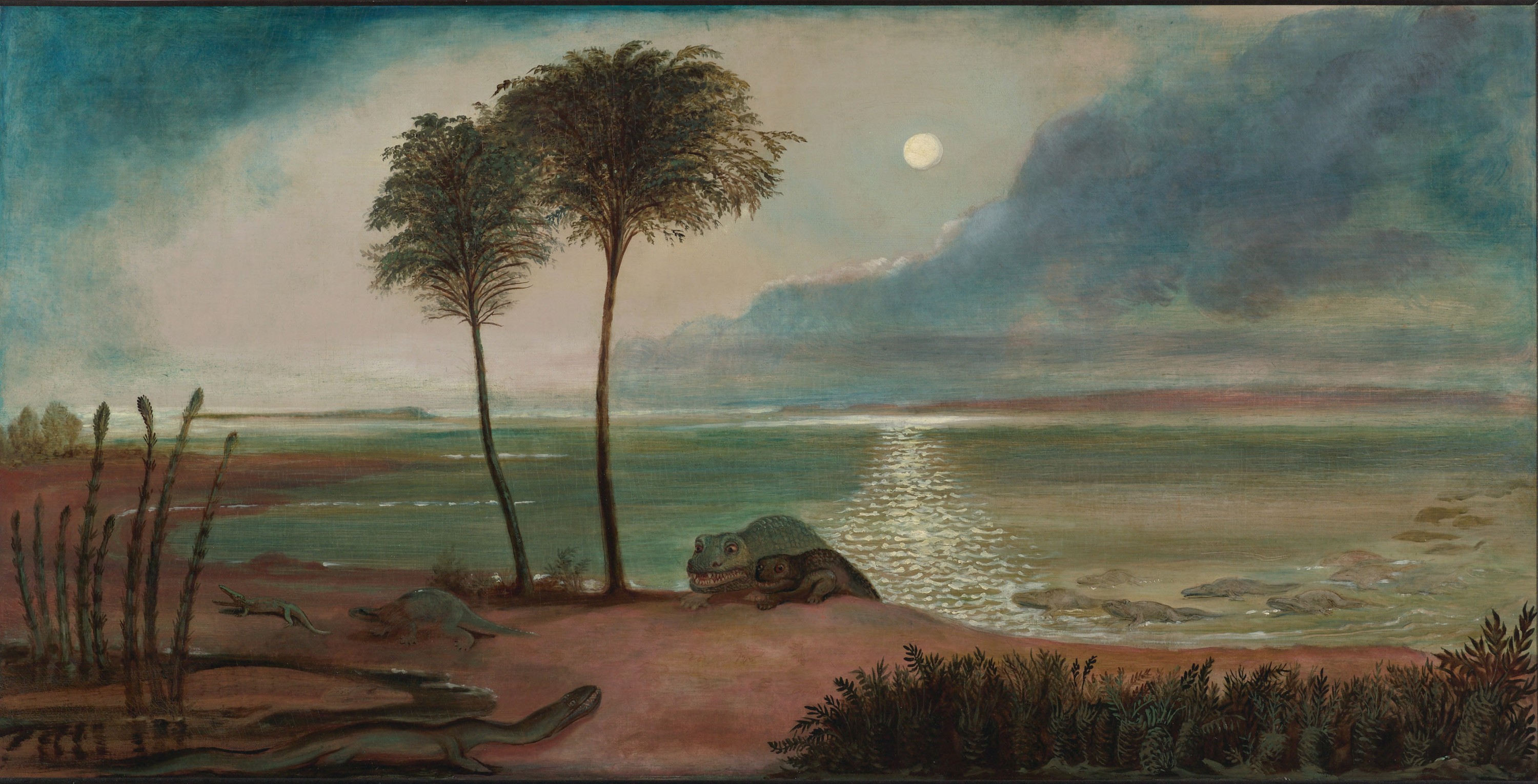
During the Mesozoic Era, Triops shared their planet with some of the most spectacular creatures ever to exist. Brachiosaurs waded through swamps that Triops also called home. Raptors may have drunk from the same ephemeral pools where Triops laid their eggs. The entire Cretaceous food web included these small crustaceans as prey for amphibians, fish, and aquatic insects.
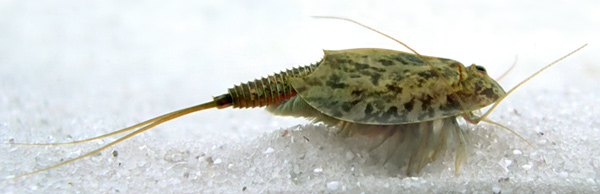
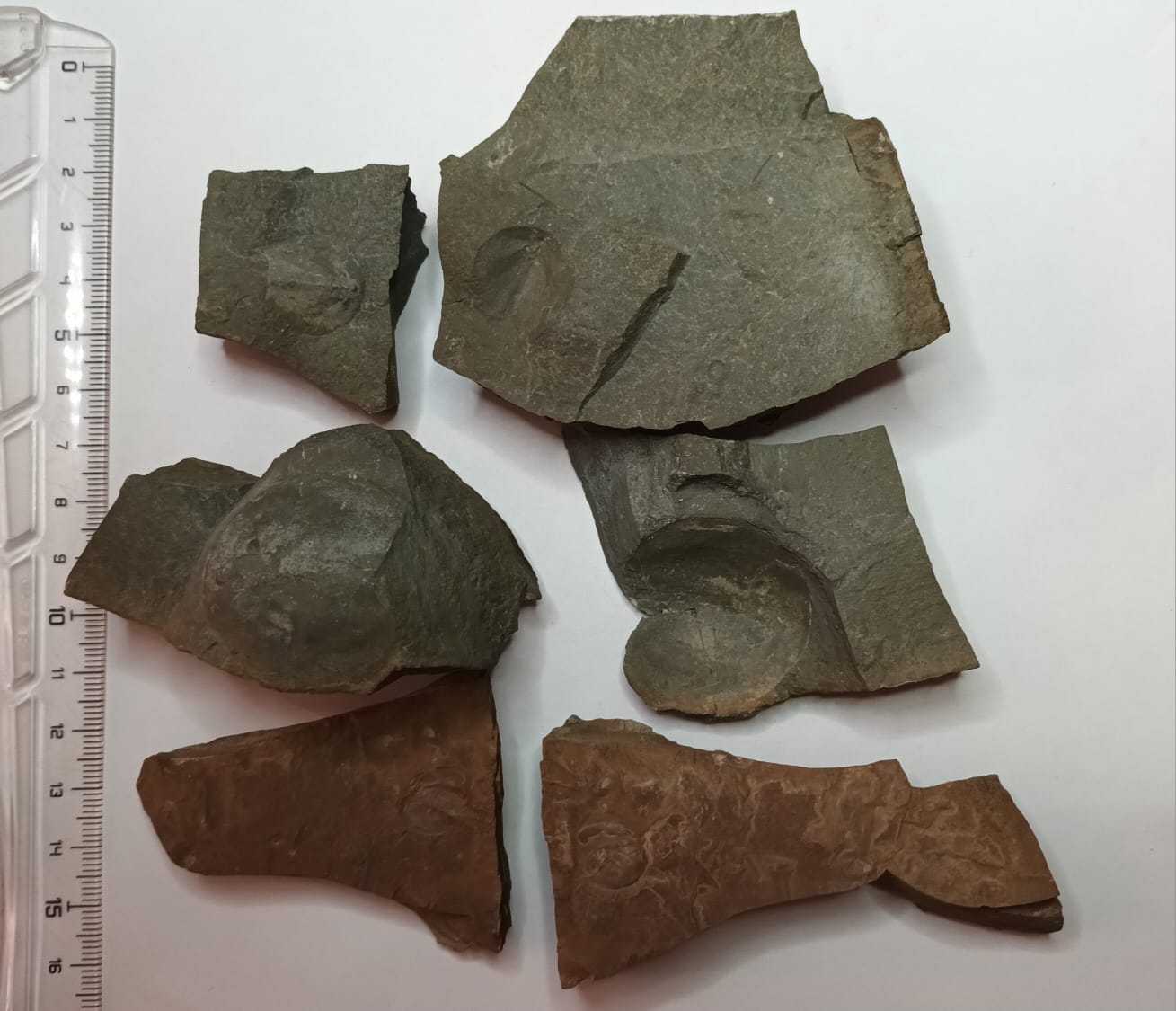
Yet despite being surrounded by giants and predators, Triops never needed to grow larger, develop armor, or change their basic body plan. Fossil specimens of Triops cancriformis from the Permian period are virtually indistinguishable from modern individuals. That is not stagnation. That is a body plan so well optimized for its niche that natural selection had nothing left to push.
Watching the Extinction
When the Chicxulub asteroid struck 66 million years ago, it triggered wildfires, tsunamis, and a global impact winter that lasted years. Every non-avian dinosaur perished. Roughly 75% of all species on Earth vanished. But in the muddy puddles and seasonal ponds that survived the initial blast, Triops eggs lay buried and waiting.
Months or years later, when rains returned and temperatures stabilized, those eggs hatched. Within weeks, a new generation of Triops was swimming through pools on a planet utterly transformed. No more dinosaurs. No more pterosaurs. The world was quieter, emptier, and full of opportunity for small survivors.
What the Triops Teach Us
The Triops story is not about brute strength or intelligence. It is about the quiet power of simplicity. A creature that needs only a few centimeters of water, a handful of organic debris, and the ability to wait out catastrophe will always outlast the most fearsome predator on Earth.
Dinosaurs dominated for 165 million years. Triops have been around for 220 million and counting. The puddle swimmers won the long game. And they are still here, in ponds and backyards across every continent except Antarctica, doing exactly what they did when T-Rex walked the Earth.
Sometimes the most resilient life form is not the biggest or the strongest. It is the one that knows how to wait.