Published August 08, 2026, 09:10 by the Triops.me Editorial Team · Back to Articles
Triops in the Laboratory: Why Scientists Study These Ancient Shrimp
Most people know Triops as the fascinating prehistoric shrimp you can raise from a kit at home. But beneath the hobbyist appeal lies something far more interesting: a living animal that has barely changed in 250 million years, and that turns out to be remarkably useful in the laboratory. From water quality monitoring to genome sequencing, Triops are quietly becoming an important invertebrate model organism in modern science.
A Natural Fit for Ecotoxicology
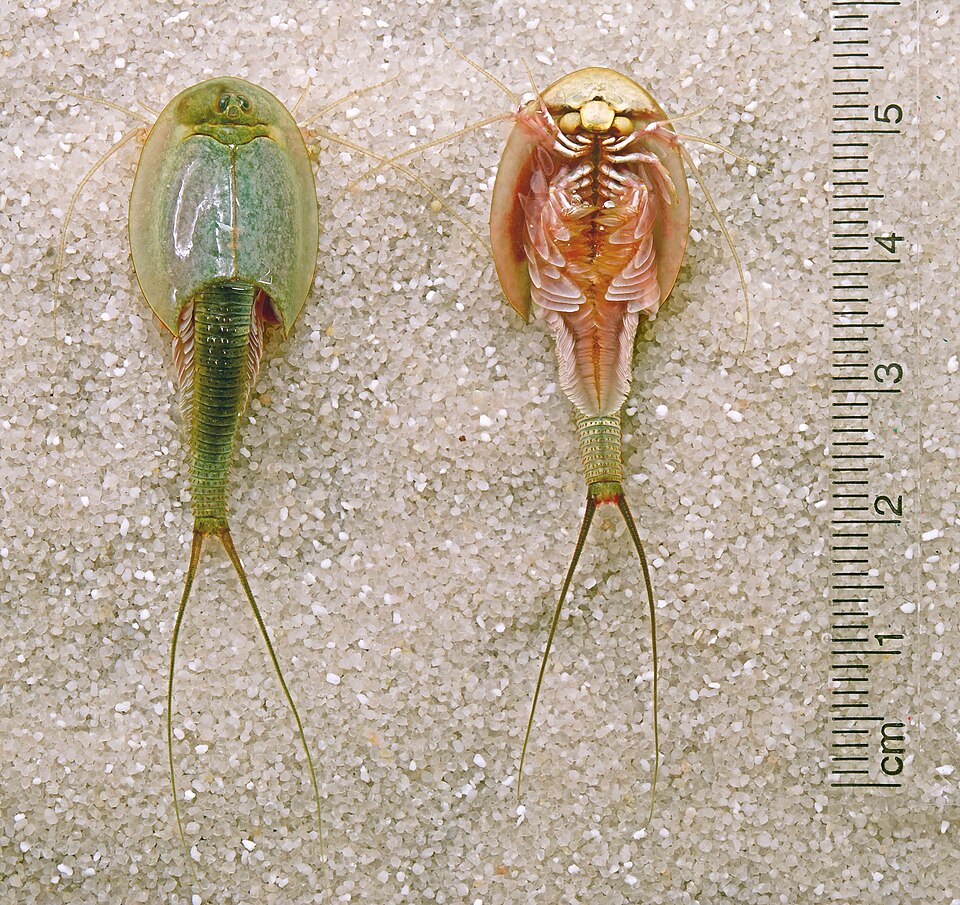
One of the fastest-growing areas of Triops research is ecotoxicology, the study of how pollutants affect living organisms and ecosystems. Researchers at the University of Porto in Portugal have published several recent studies showing that Triops longicaudatus is highly sensitive to aquatic contamination, including potassium dichromate, sodium hypochlorite, tributyltin, mercury, and lindane. In a 2024 study published in the journal Animals, scientists found that even short, low-level exposures to these toxicants caused measurable changes in Triops locomotor behavior, growth rate, and reproductive timing.
What makes Triops particularly attractive for this work is their combination of traits. They are easy to maintain in a laboratory setting, reproduce quickly, and their behavior can be precisely tracked using video monitoring systems. Artificial neural networks can even be trained to classify their swimming patterns into distinct behavioral types, allowing researchers to detect sublethal toxic effects that would be invisible in traditional mortality-based tests.
The sensitivity of Triops to pollutants appears to be higher than that of several freshwater species commonly used in standard toxicity testing, such as Daphnia magna and Ceriodaphnia dubia. This positions Triops as a promising alternative bioindicator organism, one that could catch environmental contamination earlier and with greater precision than current standard species.
Sequencing a Living Fossil
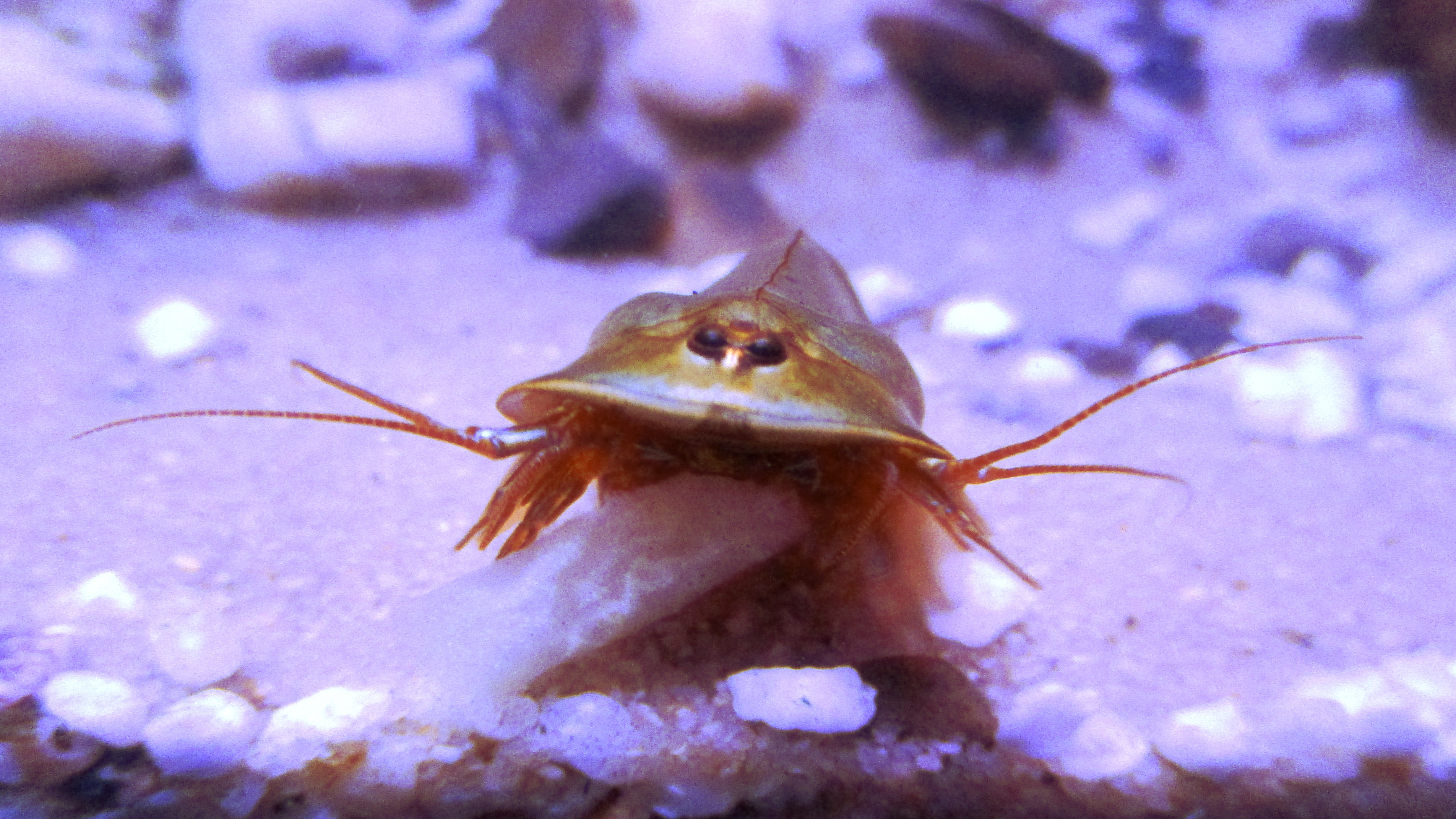
Beyond ecotoxicology, Triops are attracting attention from genomics researchers. In 2016, a team at Trent University in Canada published the first transcriptome assembly from a naupliar (larval) Triops newberryi, using RNA-sequencing on an Illumina Hi-Seq 2000 platform. They identified over 10,000 predicted peptides and categorized genes into gene ontology groups. Critically, they found 299 differentially expressed genes when comparing larvae raised in native versus non-native water conditions, pointing to specific genetic mechanisms that allow Triops to adapt to changing environments.
More recently, the genome of Triops cancriformis was assembled and published on NCBI in 2022, revealing a genome of approximately 99.2 megabases spread across 7,548 scaffolds. This is a compact genome by crustacean standards, which makes it an attractive target for further study. Researchers are particularly interested in the Hox gene cluster, the set of developmental genes that pattern the body plan along the head-to-tail axis. Because Triops have retained a body plan that closely resembles ancient arthropods, studying their Hox genes offers a window into how crustacean body plans evolved hundreds of millions of years ago.
Why Triops Work So Well in the Lab
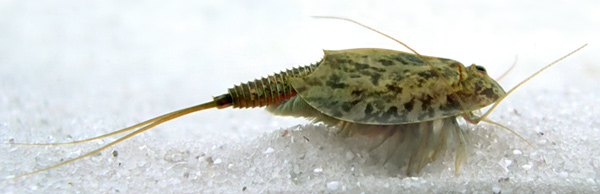
Several biological features make Triops unusually practical for scientific research. Their diapausing eggs can be stored dry for years, effectively freezing a population's genetics in time. This means researchers can archive strains and reconstitute them months or even decades later without genetic drift, something that is nearly impossible with most laboratory animals. It also makes shipping and distribution trivial compared to maintaining live breeding colonies.
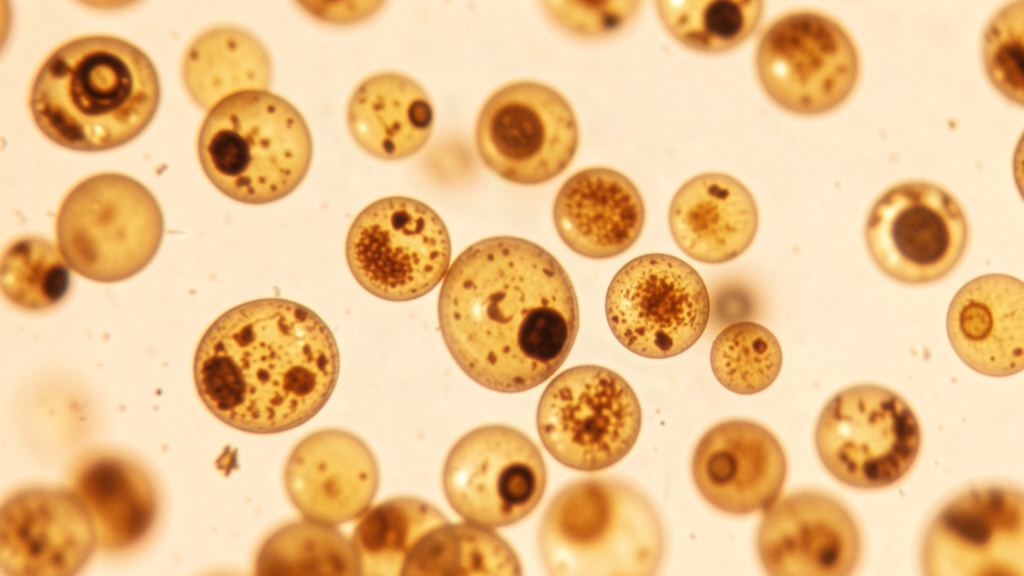
Triops have a short generation time of roughly 35 to 45 days, they tolerate a wide range of temperatures and pH levels, and they can be raised in simple containers with minimal equipment. Their transparent eggs and relatively large embryos make them amenable to developmental biology studies, where watching cell division and tissue formation in real time is valuable. Unlike Daphnia, which are microscopic, Triops grow large enough to observe individual behavioral responses to stimuli without magnification.
The Road Ahead
Triops research is still in its early stages compared to well-established model organisms like Drosophila or C. elegans, but the trajectory is clear. As genomic tools become cheaper and more accessible, and as environmental regulations increasingly demand sensitive biological indicators, Triops offer a compelling combination of evolutionary significance, practical convenience, and ecological relevance. These ancient survivors may have outlasted mass extinctions in the wild, but their greatest contribution to science might come from the quiet work happening in laboratories around the world.
For anyone who has ever raised Triops at home, there is something deeply satisfying about knowing that those same creatures are also advancing our understanding of genetics, toxicology, and environmental health. The shrimp that survived the Permian extinction might just help us protect the planet from the pollutants we create today.