Published August 08, 2026 by the Triops.me Editorial Team ·
Triops Life Cycle: From Egg to Adult in 30 Days
A Race Against Time
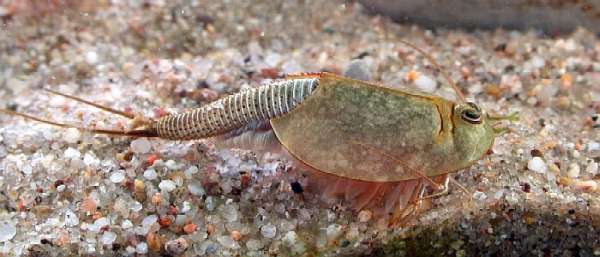
Triops live one of the fastest life cycles in the animal kingdom. In the wild, a Triops has roughly 30 days to hatch, grow, reproduce, and lay eggs before its temporary pool evaporates. This breakneck pace has been fine-tuned over 220 million years of evolution, and every stage of the cycle is optimized for survival in an environment that will not last.
The entire lifecycle unfolds in a shallow, rain-filled pool that may only exist for a few weeks. From the moment a desiccated egg touches water, the clock starts ticking. What follows is a remarkable sequence of rapid development, nonstop feeding, and an urgent push to reproduce before the water disappears.
The Egg Stage: Suspended Animation
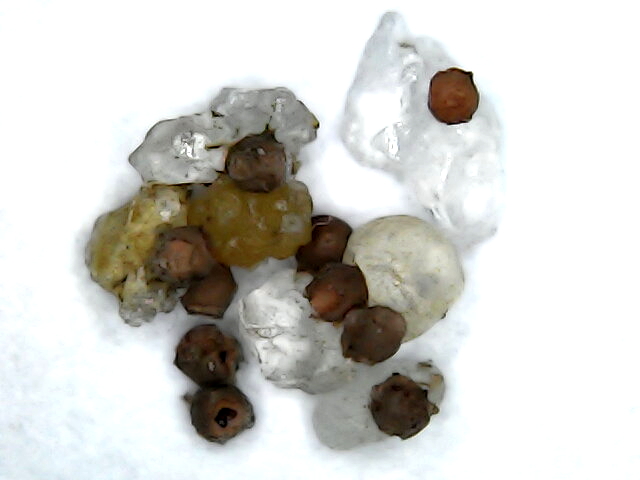
Triops eggs are not ordinary eggs. They are cysts capable of cryptobiosis, a state of completely suspended metabolism. A dried cyst in the soil of an empty pond bed can survive decades of drought, freezing winters, and scorching summers. Some laboratory studies suggest viability may extend past 50 years under the right conditions.
Inside each cyst, the embryo is wrapped in a protective shell that shields it from UV radiation, microbial attack, and desiccation. The embryo itself is arrested in diapause, a developmental pause that only ends when the cyst detects the right environmental cues: water, light, and warm temperatures. This is why Triops kits work so reliably. The cysts wait until conditions are right, then spring to life within hours.
Hatching: Nauplii Emerge
Within 24 to 48 hours of submerging, the cysts crack open. Out come nauplii, tiny larvae no larger than a grain of sand. Under a microscope you can already see the segmented body plan and the shield-like carapace that will cover their head and thorax. They swim toward the light, seeking the warm, oxygen-rich surface water where algae and bacteria are most concentrated.
Nauplii feed almost constantly. They filter tiny particles from the water column using their legs, which double as gills and food-gathering appendages. This early feeding window is critical. A nauplius that does not find enough food in its first 48 hours rarely makes it past the first week.
Rapid Growth: Molting Every Day
Once past the nauplius stage, Triops enter a period of explosive growth. They molt, or shed their exoskeleton, nearly every day during the first two weeks. Each molt reveals a larger body underneath, and growth rates can exceed 100 percent of body mass per day at peak. A Triops that starts as a sub-millimeter nauplius on day 3 can reach 2 centimeters by day 10 and double again before adulthood.
This rapid growth requires enormous amounts of food. In a temporary pool, Triops are apex invertebrate predators, eating anything they can overpower: detritus, algae, mosquito larvae, fairy shrimp, and even weaker siblings. Cannibalism is common in dense populations and acts as natural population control, keeping the strongest individuals alive to reproduce.
Adulthood and Egg Laying
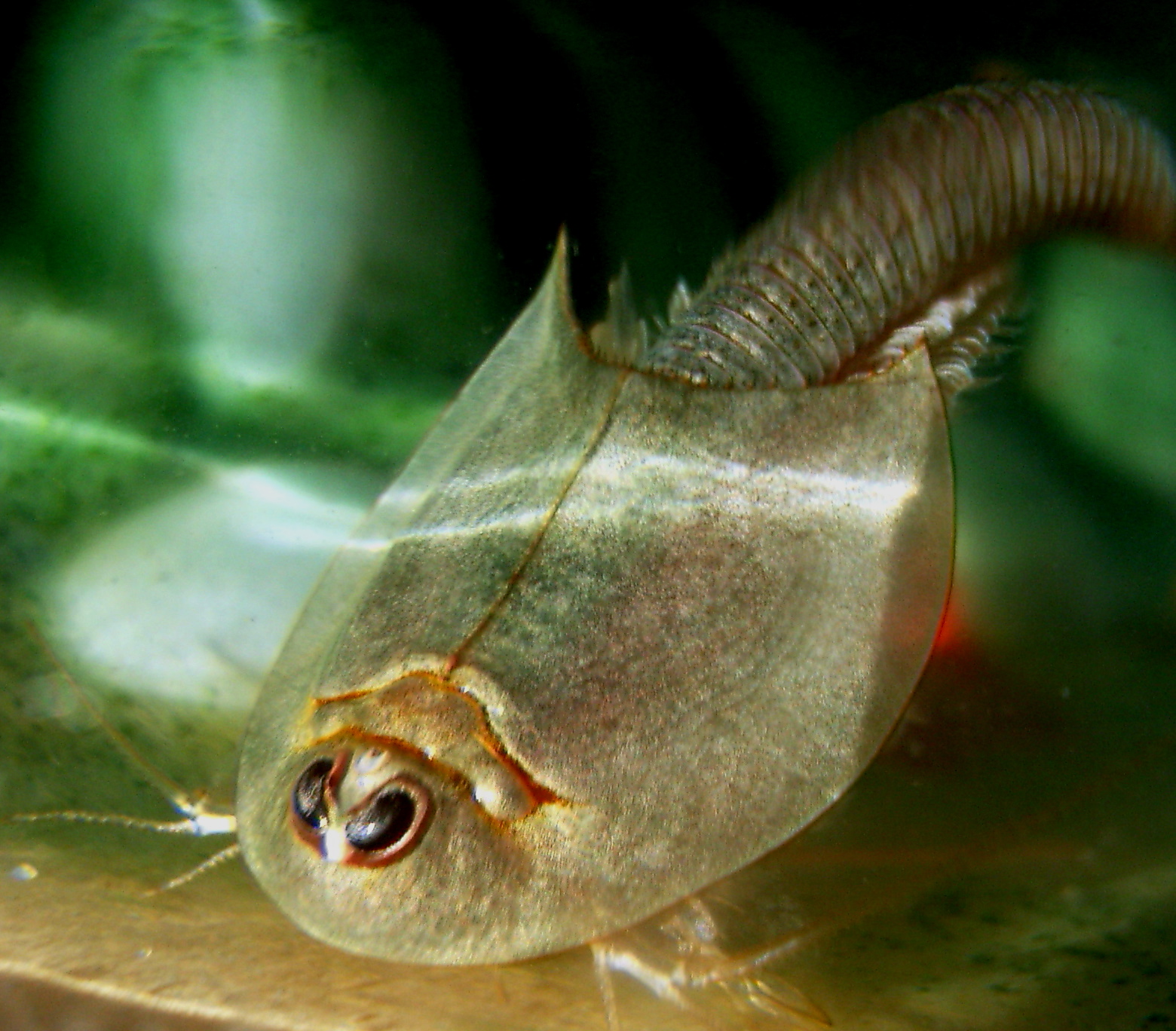
By day 14 to 21, most Triops are sexually mature adults. Females develop brood pouches on their 11th pair of legs and begin laying eggs, often dozens per day. Most Triops populations are hermaphroditic or parthenogenetic, meaning a single individual can produce viable eggs without a mate. This is another adaptation to the temporary pool lifestyle. If only one hatchling survives, the population can still recover when the next pool forms.
Eggs are deposited into the substrate, the muddy bottom of the pool. The adult Triops stirs up sediment with its legs and lays eggs directly into the silt, where they will remain after the pool dries out. Females may lay several hundred eggs in their short adult life of one to two weeks.
The Cycle Repeats
When the pool dries, the adults die. Their bodies decompose into the same soil that now holds the next generation in suspended animation. The cysts sit dormant, waiting for rain. It might be next month or next decade. When water returns, the cycle starts again, exactly as it has for over 200 million years.
This strategy is why Triops are such successful survivors. They do not compete in stable ecosystems. They own the temporary ones, and have been doing it since before the first dinosaurs walked the Earth. If you want to see this cycle yourself, check out our guide to keeping Triops or browse the creatures gallery for other living fossils with ancient lineages.