Published August 11, 2026, 16:34 by the Triops.me Editorial Team · Back to Articles
Triops Predators: What Hunts a 200-Million-Year-Old Survivor?
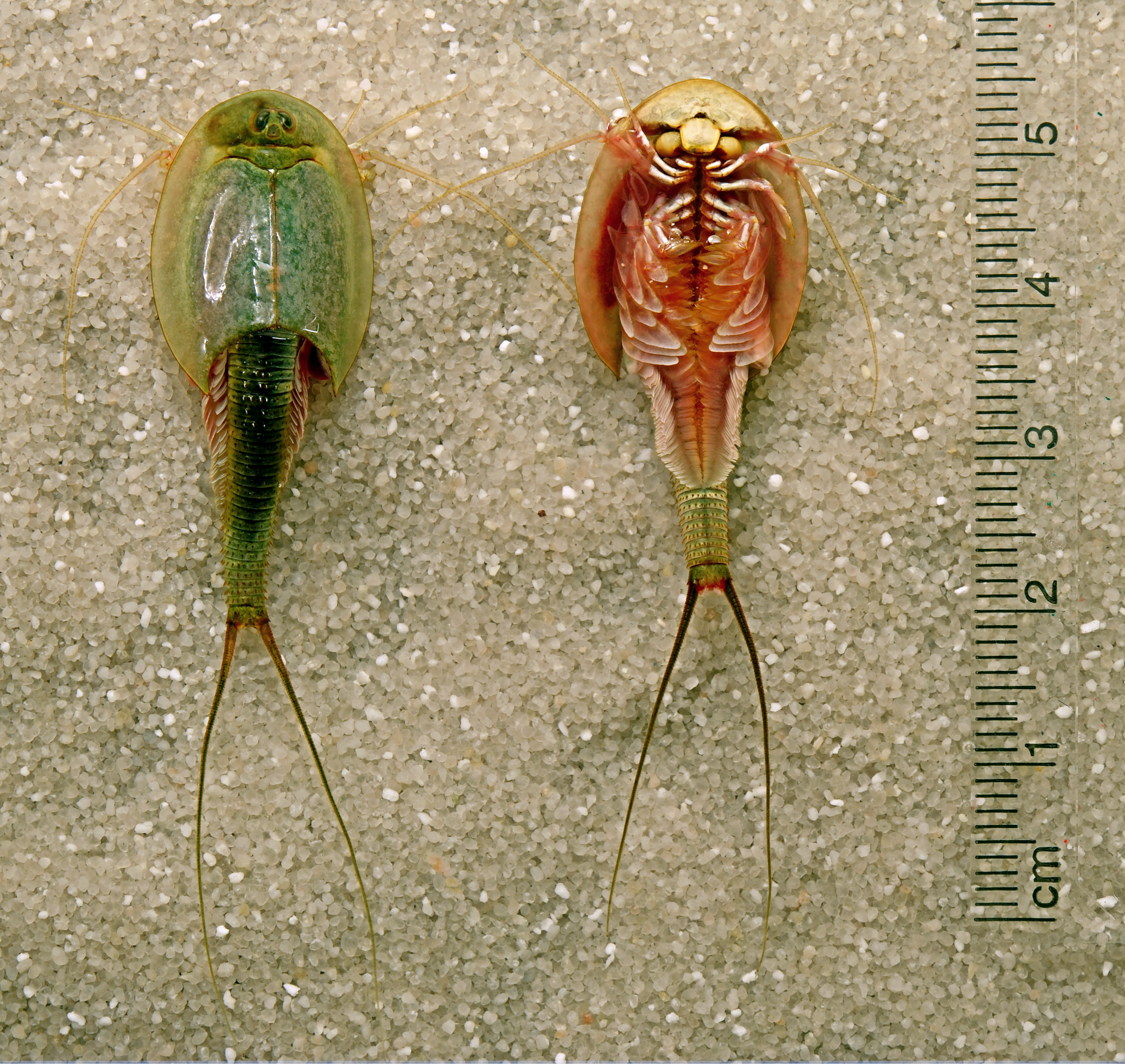
Triops have been around for roughly 200 million years. They survived the Permian-Triassic extinction that wiped out 90% of all species, outlasted the dinosaurs, and persist today in nearly the same form their ancestors wore in the Triassic. But surviving mass extinctions is one thing. Surviving Tuesday afternoon in a vernal pool is another.
Despite their ancient resilience, Triops face a surprisingly long list of predators in the temporary pools they call home. The very habitat that shields them from one of nature's most effective hunters, fish, exposes them to an entirely different cast of killers.
The No-Fish Advantage
The key fact that defines Triops ecology is simple: they live in ephemeral pools, and fish cannot. Vernal pools, desert rain pools, and seasonal flood depressions are temporary by nature. They fill with rain, host a boom of life for a few weeks, and then dry to cracked mud. Fish require permanent water, so these pools remain fish-free. In permanent ponds, Triops would be devoured within hours. Their broad, flat carapace makes them easy targets for any fish. But in a pool that lasts six weeks, the predators that do show up are themselves temporary residents, locked in a sprint: who can grow, reproduce, and deposit eggs before the water vanishes?
Dragonfly Nymphs: The Aquatic Assassins
Of all the creatures that prey on Triops, dragonfly nymphs are perhaps the most formidable. These larvae are the underwater phase of dragonflies, built for killing. A late-instar nymph can be nearly as large as a young Triops, equipped with a weapon that has no parallel in the insect world: the labium.
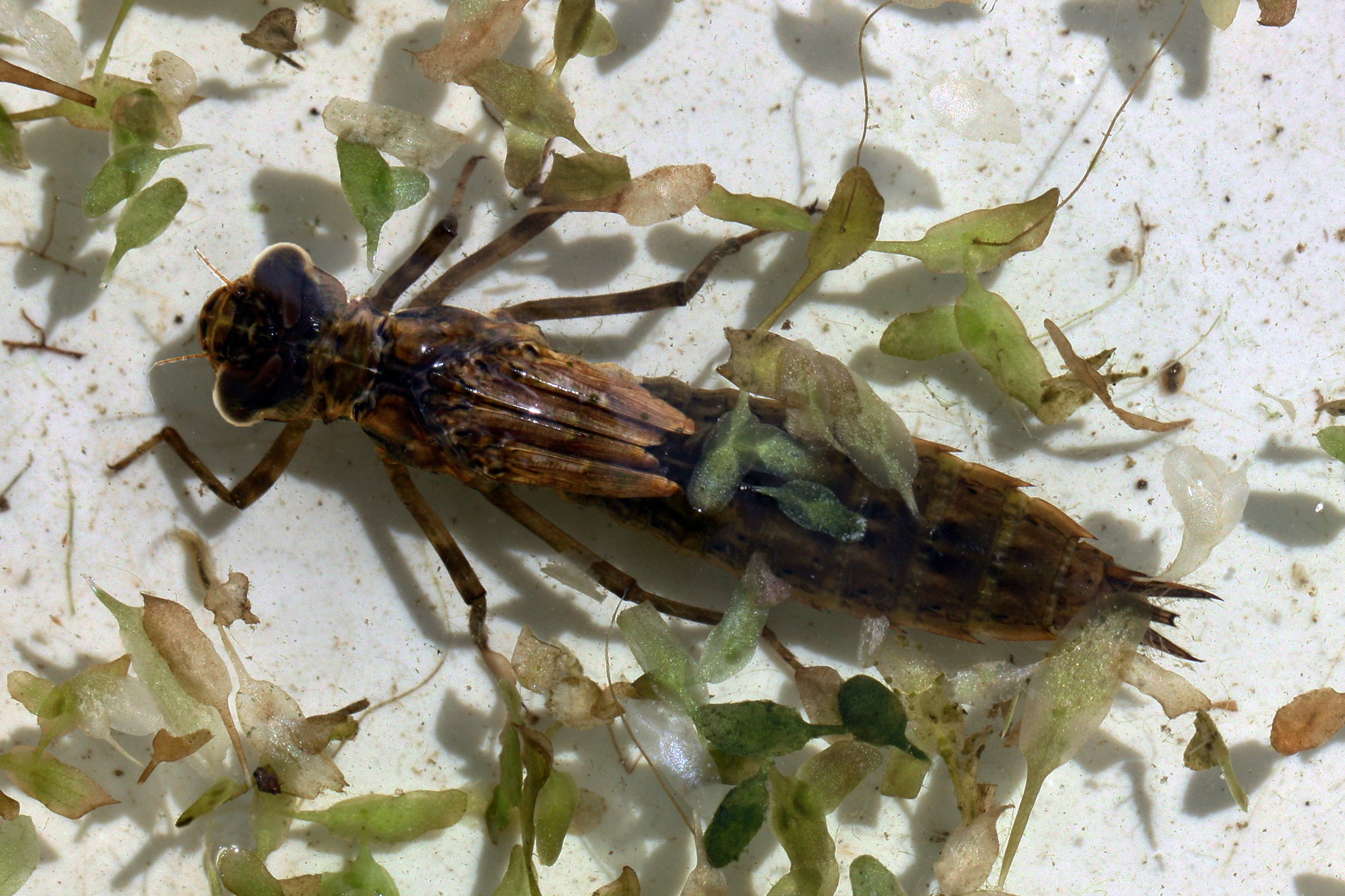
The labium is a hinged, extendable lower lip that shoots forward at lightning speed to seize prey. It folds up beneath the nymph's head when not in use. When a Triops wanders too close, the labium snaps out, grabs the crustacean, and pulls it toward the mandibles. The whole strike takes less than 70 milliseconds. Dragonfly nymphs are lie-in-wait predators, burying themselves in sediment until prey comes within range. This strategy works brilliantly against Triops, which spend much of their time sifting through the pool bottom for food.
Diving Beetle Larvae: The Ambush Specialists
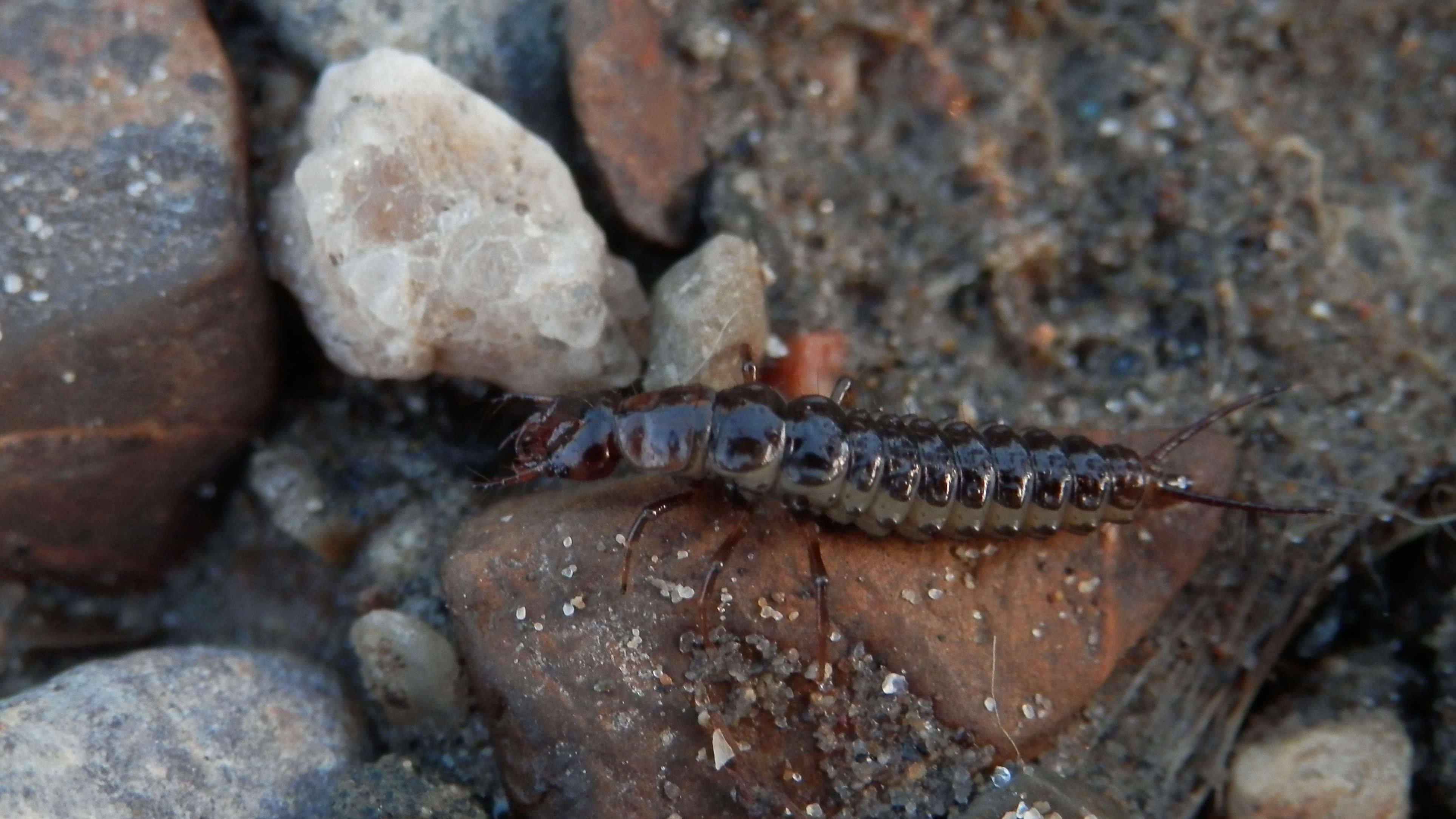
Predaceous diving beetles and their larvae are another major threat. The larvae, often called "water tigers," have sickle-shaped hollow mandibles. They seize prey, inject digestive enzymes, and suck out the liquefied contents. For a soft-bodied Triops, there is very little defense once a beetle larva gets a grip. Both dragonfly nymphs and diving beetle larvae are adapted to ephemeral pools, their eggs laid in the same mud alongside Triops eggs. They appear and disappear together, locked in a race against evaporation.
Wading Birds: The Aerial Threat
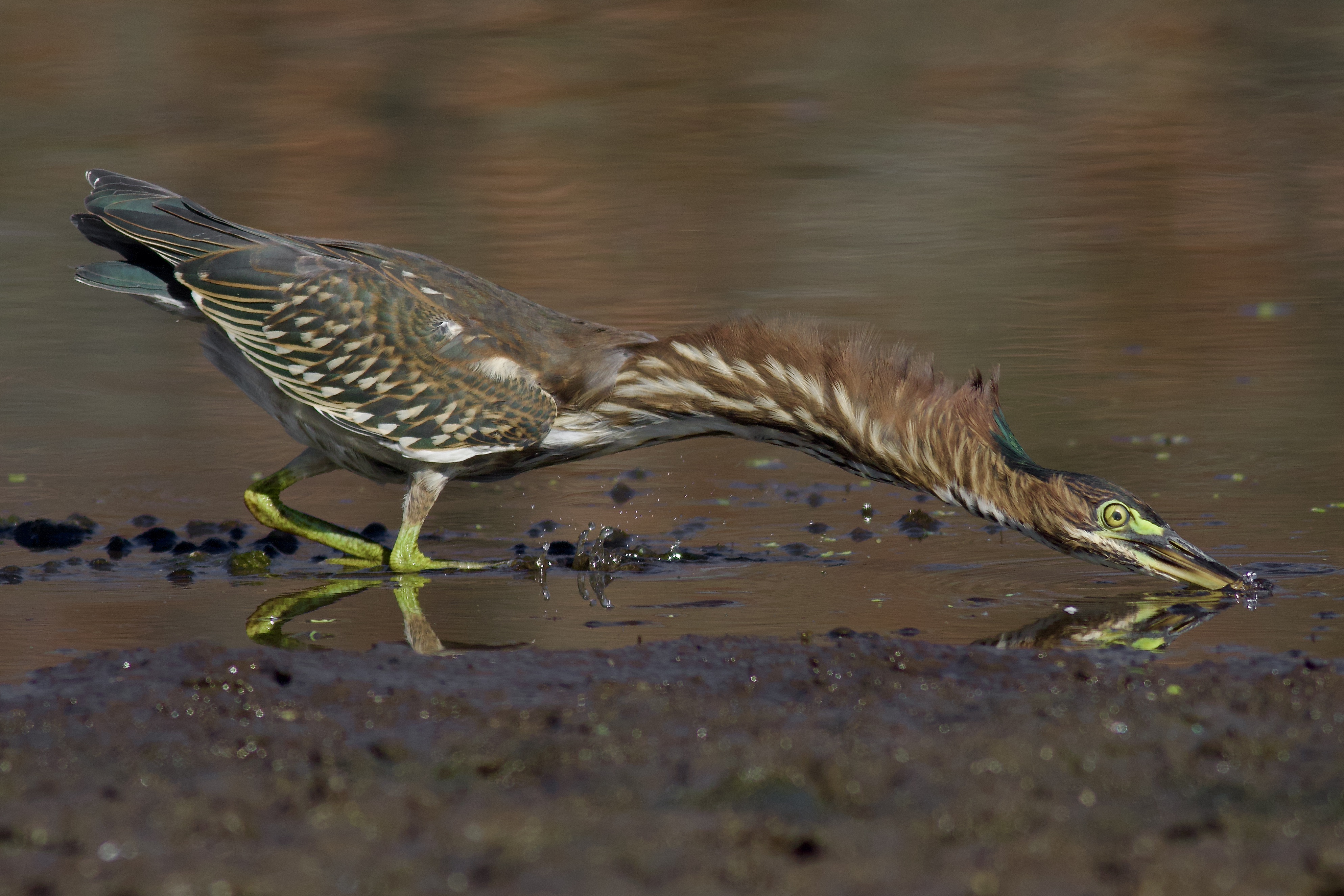
When Triops pools are large enough to attract birds, the calculus shifts. Herons, egrets, and waterfowl are all documented predators. A green heron can pick off adult Triops with ease. Migratory ducks scoop up both adults and eggs from the muddy bottom. Birds are especially dangerous because they cover vast distances. A pool that is predator-free one week might attract a flock of shorebirds the next. Unlike aquatic predators, birds are not locked into the pool's timeline.
Wood frogs (Rana sylvatica) breed in the same vernal pools where Triops live, and both tadpoles and adults consume Triops when the opportunity arises. Bullfrogs, an introduced species in North America, are even more aggressive predators.
The Cannibal Factor
Perhaps the most ironic predator of Triops is other Triops. When food is scarce or density is high, Triops readily cannibalize smaller individuals. Early hatchers often consume their later-hatching siblings. It is grim but effective, ensuring at least some individuals reach maturity and deposit eggs before the pool dries up.
How Triops Fight Back
Triops are not defenseless. They spread out across the pool bottom rather than clustering in groups, reducing their visibility to predators scanning from above. Their brown and olive coloring blends with muddy sediment, making them nearly invisible when still. Most importantly, Triops grow from microscopic nauplii to reproductive adults in as little as seven to ten days. This explosive growth means they can produce drought-resistant eggs before predators build up large populations or before birds even discover the pool.
Even when every adult in a pool is eaten, the species survives through its eggs. Triops eggs can remain dormant in dried mud for over 20 years. Predation on adults is essentially meaningless from an evolutionary perspective as long as enough eggs are deposited in the substrate.
An Ancient Balance
What makes Triops remarkable is not that they avoid predation, because they do not. It is that they have developed a life strategy so robust that predation barely matters. They reproduce fast enough, disperse widely enough, and endure long enough that no predator has ever driven them to extinction. In the end, Triops do not need to outrun the dragonfly nymph. They just need to lay enough eggs in the mud to outlast every predator that ever tries.