Published August 31, 2026, 10:19 by the Triops.me Editorial Team · Back to Articles
Triops in Rice Paddies: Ancient Crustaceans in the World's Food Fields
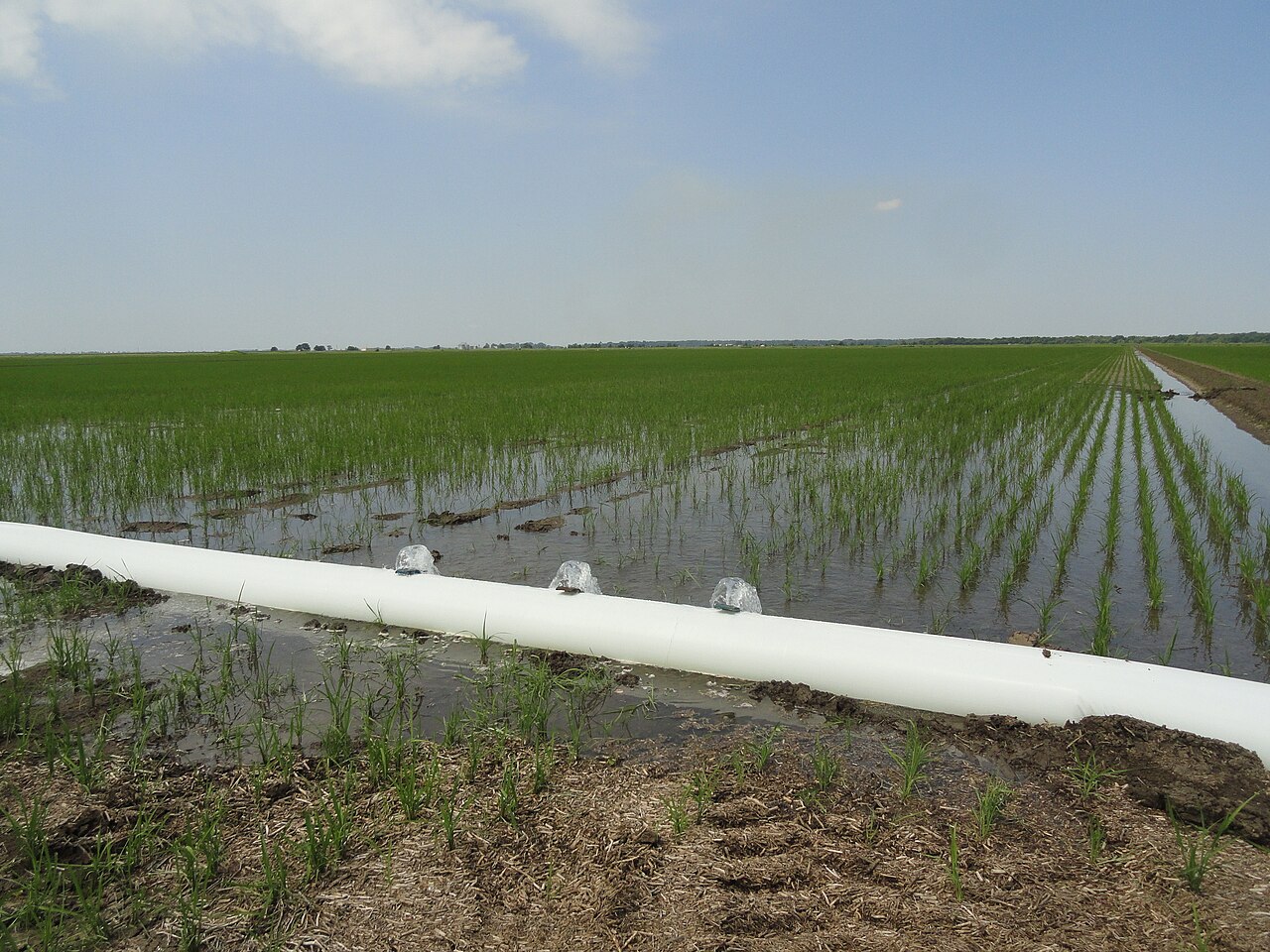
Rice is the staple food for more than half of humanity. Across Southeast Asia, sub-Saharan Africa, South America, and parts of Europe and North America, farmers flood their fields each growing season, creating vast, shallow, temporary wetlands. And in those muddy waters, one of Earth's oldest animal lineages quietly thrives. Triops, the tadpole shrimp, have been turning up in rice paddies for as long as humans have been growing rice, and likely long before that.
The connection between Triops and rice cultivation is not a coincidence. Rice paddies are, in ecological terms, almost identical to the ephemeral pools where Triops evolved during the Triassic period, roughly 250 million years ago. Shallow water, warm temperatures, seasonal flooding followed by dry spells, and nutrient-rich mud, these are the exact conditions that Triops are adapted to exploit. When farmers flood a rice field, they are recreating, in miniature, the landscape of a prehistoric world.
How Triops End Up in Rice Fields
Triops do not fly to rice paddies or migrate there deliberately. Their eggs do the travelling. When a Triops population completes its life cycle in a dried pool, the eggs it produced enter a state called diapause, a form of suspended animation that can last years or even decades. These microscopic cysts settle into the soil and are remarkably resilient. They survive complete desiccation, freezing temperatures, and even passage through the digestive tracts of birds.
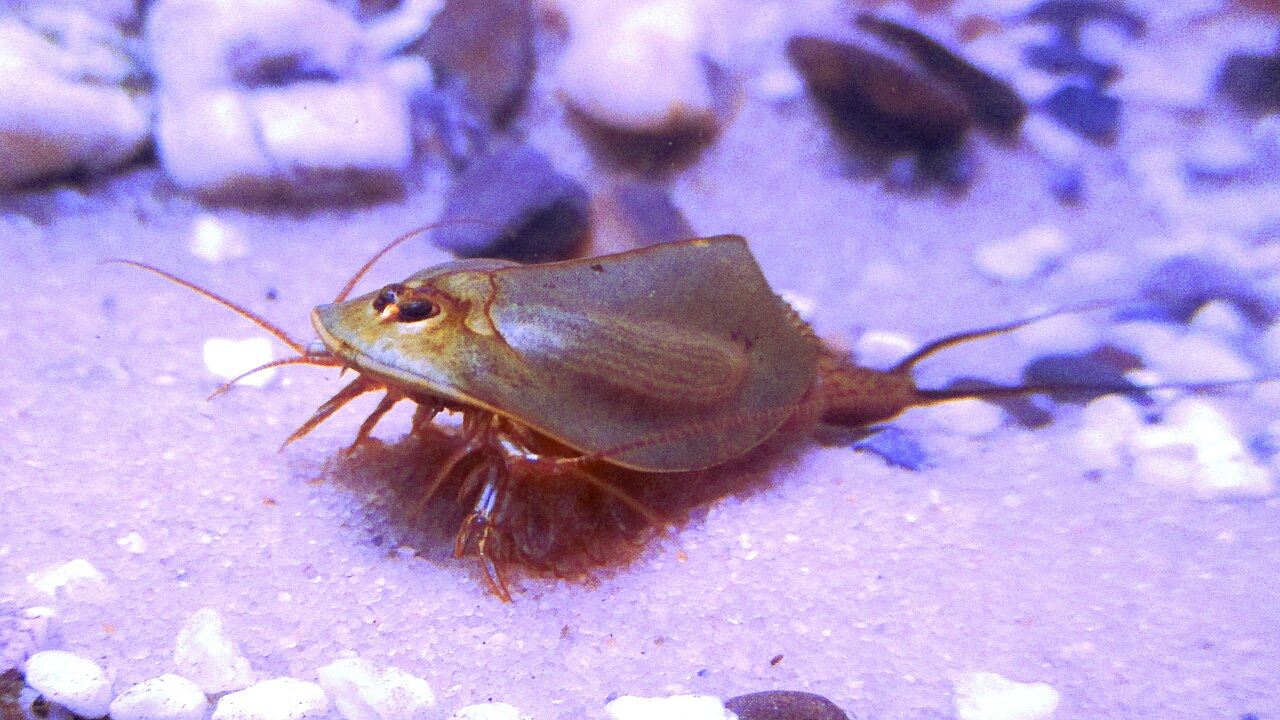
When rice farmers prepare a field and flood it, dormant eggs buried in the soil detect the rising water and the change in temperature. Within 24 to 48 hours, the eggs hatch. The tiny nauplii, barely visible to the naked eye, begin feeding immediately on algae, bacteria, and organic debris in the paddy water. They grow rapidly, reaching adulthood in as little as two to three weeks depending on the species and conditions. In warm tropical rice fields, Triops longicaudatus, the American tadpole shrimp, can complete its entire life cycle in under 18 days.
In Japan, the native species Triops cancriformis, known locally as kakure-gani or "hidden crab," has been documented in rice paddies for centuries. Japanese farmers historically regarded their appearance as a sign that the paddy ecosystem was healthy. The species is so culturally embedded that Triops feature in children's educational kits sold across the country, where raising tadpole shrimp in a small tray alongside rice seedlings is a common school activity.
Natural Pest Control in the Paddy
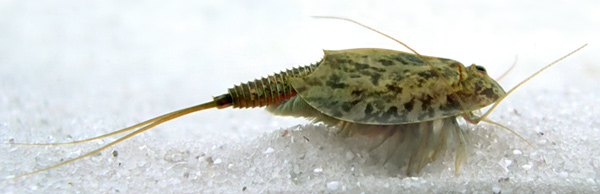
Farmers who notice Triops in their fields are, in most cases, benefiting from their presence. Triops are omnivorous detritivores, meaning they eat almost anything organic they find in the water and mud. This includes mosquito larvae, small aquatic insects, algae, and decomposing plant matter. In rice paddies, where standing water creates ideal breeding conditions for mosquitoes, Triops serve as a natural form of pest control.
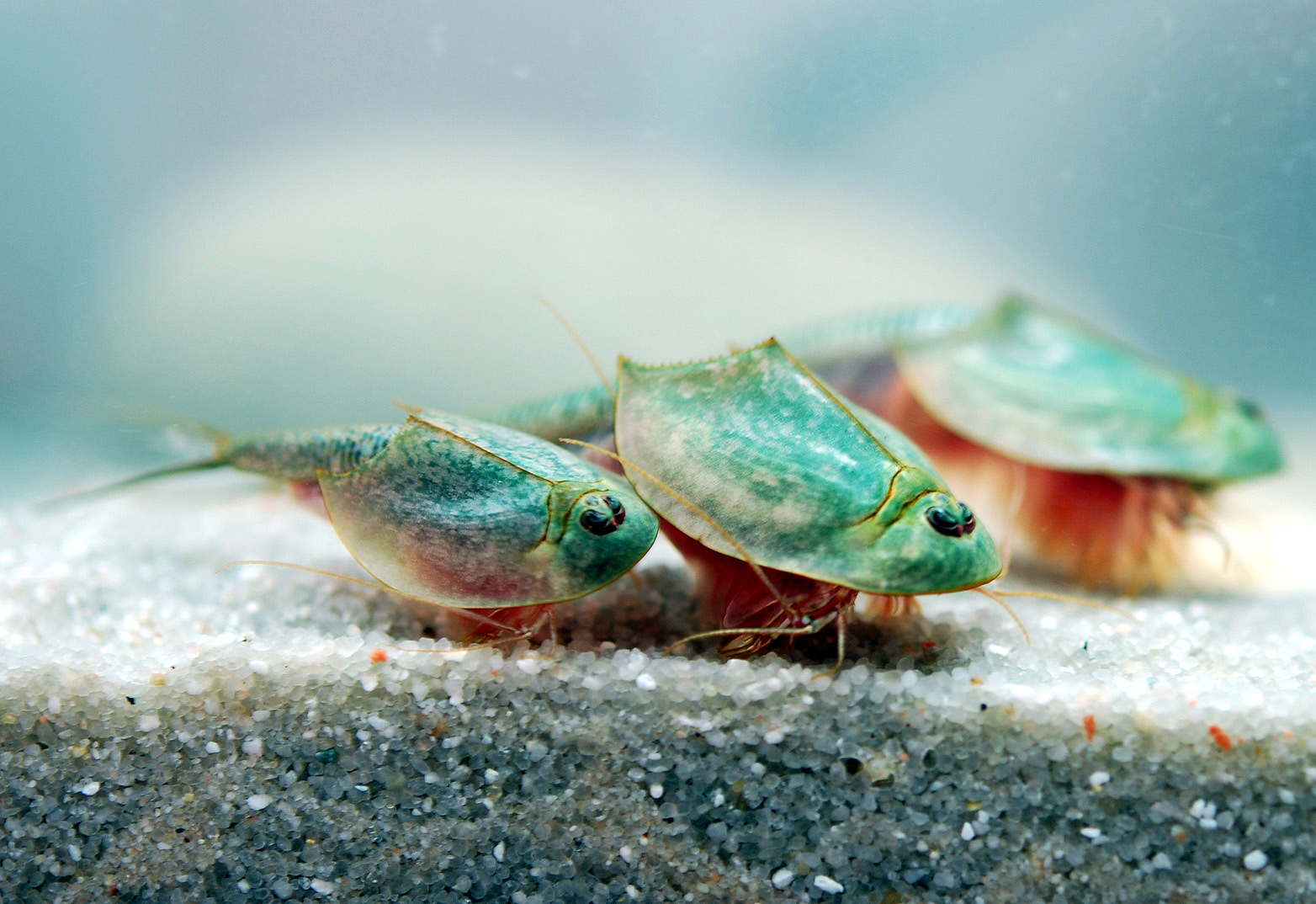
Research conducted at several agricultural universities across Asia has documented measurable reductions in mosquito populations in rice paddies where Triops are present. The shrimp consume mosquito larvae voraciously, often reducing larval densities by 40 to 70 percent within the first two weeks of flooding. In regions where mosquito-borne diseases such as dengue and malaria remain serious public health concerns, this natural predation has practical significance beyond simple pest management.
Triops also stir up the paddy sediment as they forage, a behavior that has multiple benefits. The churning action helps distribute nutrients through the water column, making them more available to rice roots. It also reduces the buildup of anaerobic conditions in the bottom mud, which can produce hydrogen sulfide and other compounds harmful to young rice plants. Some researchers have described Triops as "ecosystem engineers" of the paddy floor.
A Relationship Under Pressure
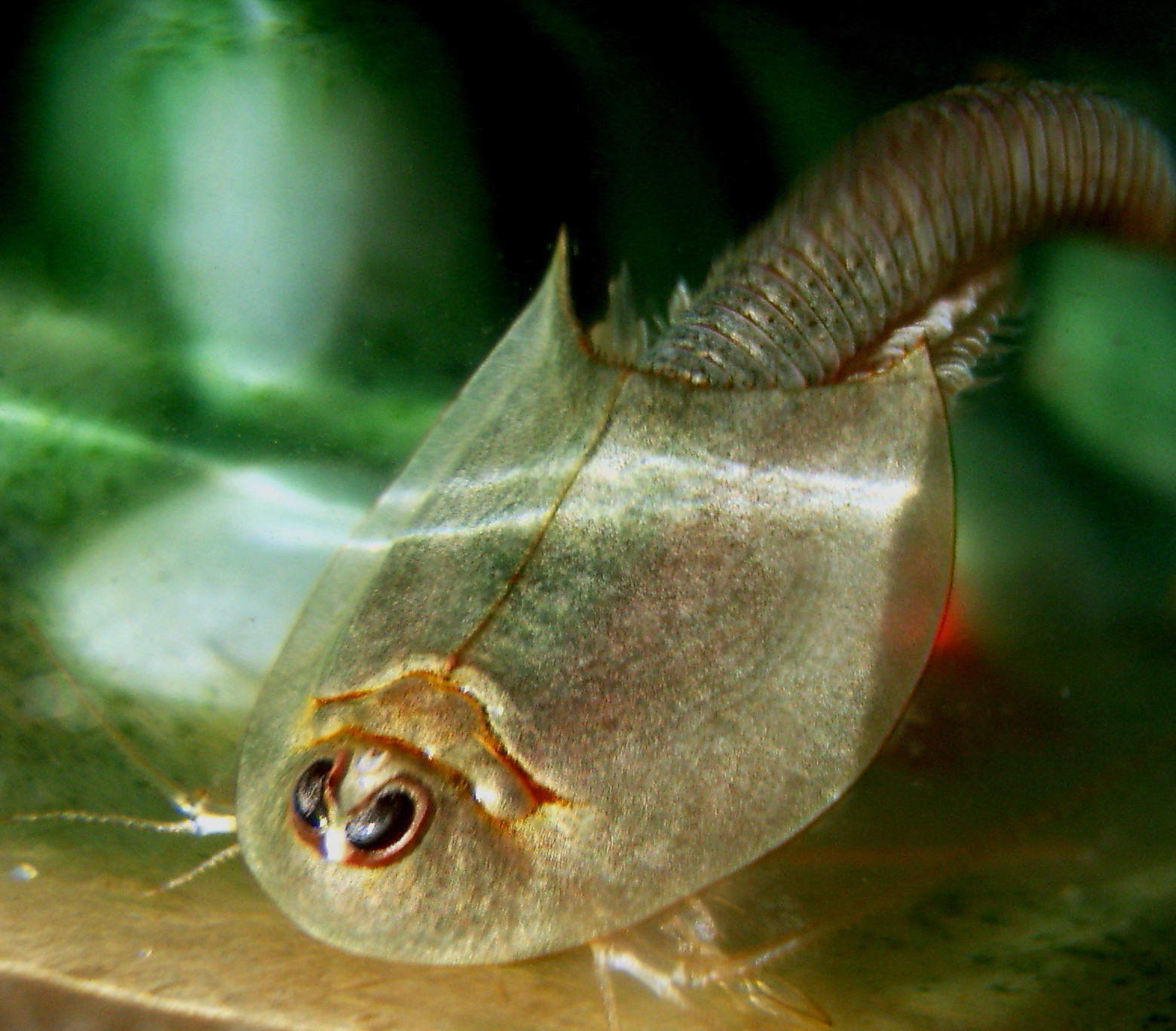
Despite their ecological benefits, Triops populations in rice paddies are declining in many regions. The primary cause is the widespread use of pesticides and herbicides in modern rice cultivation. Chemicals applied to control rice pests, weeds, and fungi are often toxic to Triops and their eggs. Neonicotinoid insecticides, in particular, have been shown to devastate branchiopod populations in agricultural wetlands. Because Triops eggs can remain dormant in soil for years, a single season of heavy pesticide application can suppress populations for a decade or more.
Climate change adds another layer of risk. As drought patterns shift and water availability becomes less predictable, the flooding cycles that Triops depend on may become erratic. In some parts of South and Southeast Asia, rice farmers are moving away from traditional flooded paddy systems toward dry-seeded rice cultivation, which eliminates the temporary wetland habitat that Triops require entirely.
Conservation efforts focused on Triops in rice-growing regions remain limited, but there is growing recognition among ecologists that rice paddies function as surrogate wetlands for dozens of freshwater species, not just Triops. Dragonfly nymphs, water beetles, frogs, and shorebirds all depend on the seasonal flooding of agricultural fields. Protecting the paddy ecosystem means protecting a web of life that includes creatures whose ancestors shared the planet with dinosaurs.
A Prehistoric Partnership
The relationship between Triops and rice paddies is, in a sense, a partnership millions of years in the making. Long before humans learned to cultivate rice in the wetlands of the Yangtze River valley roughly 9,000 years ago, Triops were already inhabiting those same landscapes. When early farmers flooded the first paddy fields, they unknowingly created paradise for a creature that had been waiting for exactly those conditions since the time of the first dinosaurs.
Today, as rice cultivation faces pressures from climate change, chemical pollution, and habitat loss, the fate of Triops in rice paddies serves as a quiet indicator of ecosystem health. Where Triops thrive, the paddy is functioning as a living wetland. Where they disappear, something in the balance has gone wrong. For a creature that has survived five mass extinctions, the greatest threat may not be asteroid impacts or volcanic eruptions, but the unintended consequences of the agricultural revolution that gave them so much habitat in the first place.