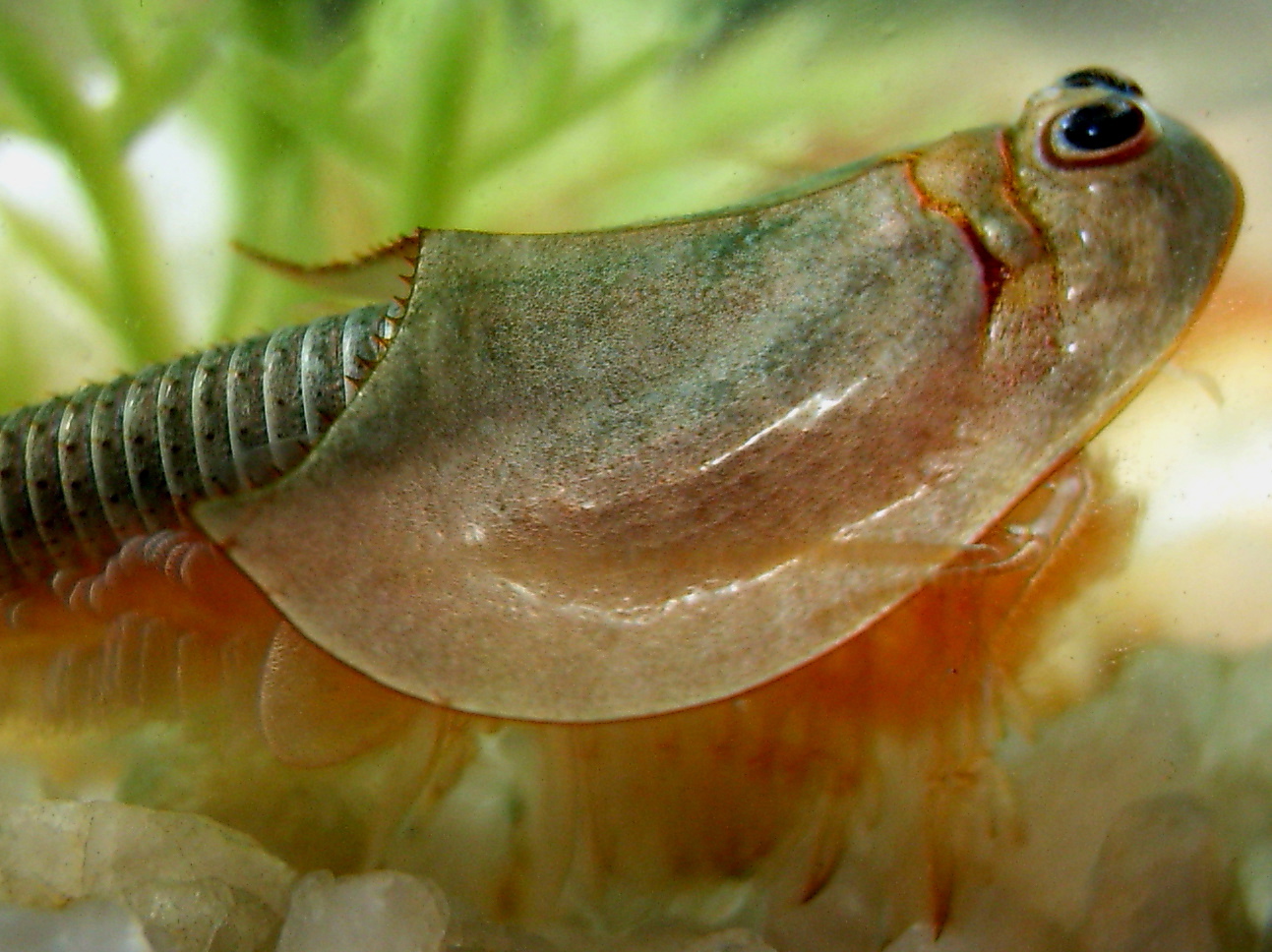
Triops are one of the best introductory pets for children. They hatch from eggs, reach full size in two to three weeks, and look like tiny prehistoric aliens. Raising them teaches kids about life cycles without the long-term commitment of a dog or cat. Here is everything you need to set up a Triops tank at home.
What You Need to Get Started
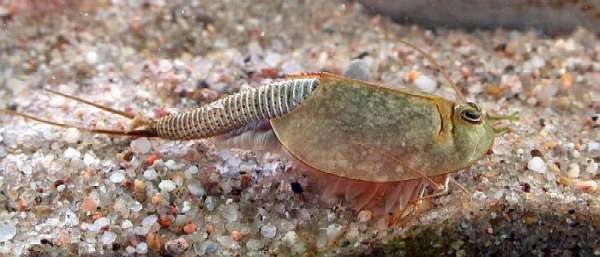
You do not need much. A plastic container or glass aquarium of 5 to 10 litres works well. Triops are tiny, typically 2 to 7 centimetres, so they do not need a large home. Use fine-grained sand as substrate, no larger than 1 millimetre grain size. Coarse gravel can injure them. A 2 centimetre layer on the bottom is enough.
Fill the tank with dechlorinated tap or spring water. Never use distilled water, as it lacks the minerals Triops need. The water temperature should sit between 20 and 26 degrees Celsius. Room temperature is usually fine. Purchase a Triops egg kit from a science shop or online retailer. Kits typically include eggs, substrate, and a small amount of food.
Step-by-Step Setup
Prepare the tank. Add the sand substrate and fill with dechlorinated water. Place the tank somewhere with indirect daylight, not direct sunlight. Direct sun heats the water too fast and causes algae blooms.
Sprinkle in the eggs. Triops eggs are tiny brown specks. Scatter them across the water surface. They sink to the bottom on their own within a few hours. Do not bury them in the sand, as they need light to trigger hatching.
Wait for hatching. Eggs hatch within 24 to 72 hours. Keep the water warm and still. Within days, kids will see tiny larvae, called nauplii, swimming near the surface. They are barely visible at first but grow fast.
Start feeding. Baby Triops do not need food for the first three days. They eat microscopic organisms in the water. After day three, add a tiny pinch of crushed fish flakes or spirulina once a day. Overfeeding is the most common mistake. Excess food clouds the water and harms young Triops.
Feeding and Water Care
Adult Triops are omnivores. They eat algae, detritus, bacteria, mosquito larvae, and fish flakes. Feed a small pinch once per day. Alternate between crushed fish flakes, spirulina, and finely chopped boiled vegetables like spinach. Remove uneaten food after a few hours.
Perform a partial water change of 20 to 30 percent every three to four days. Use dechlorinated water that matches the tank temperature. Gently stir the sand surface during changes to remove trapped debris. Avoid filters in small tanks, as the current can be too strong.
What Kids Will Learn
Raising Triops is more than entertainment. Children watch a living fossil, a creature that has existed for 220 million years, grow from a speck to a fully formed crustacean in weeks. Daily feeding and water changes build responsibility. The experience sparks conversations about evolution and how life adapts to extreme environments. See our Creature Gallery for more.
One of the most exciting moments is when Triops lay eggs in the sand. Kids can collect these eggs, let them dry, and start a new cycle weeks or months later. This teaches diapause, the survival mechanism that lets Triops eggs remain dormant for years.
Common Mistakes to Avoid
Overfeeding: A small pinch once per day is all they need. Leftover food rots and creates toxic ammonia. Direct sunlight: Causes rapid temperature swings and algae growth. Distilled water: Lacks minerals Triops need. Skipping dechlorination: Chlorine is harmful. Use a water conditioner or let tap water sit 24 hours. Releasing into the wild: Never dump Triops into natural waterways. Pet-raised populations can disrupt local ecosystems.
How Long Do Triops Live?
Individual Triops typically live 40 to 90 days. This short lifespan is by design. Triops evolved to grow fast, reproduce quickly, and leave behind durable eggs that wait for the next rain. Learn more on our Triops Deep Dive page.
Conclusion
A Triops tank is a miniature window into the ancient past. For a small investment and about 15 minutes of daily care, kids watch a living fossil grow from a speck to a fully formed crustacean. The setup is simple, the learning is rich, and the experience is unlike any other pet. Whether you are a parent looking for a science project or a teacher planning a classroom activity, a Triops tank is an excellent place to start.