Published August 11, 2026, 16:34 by the Triops.me Editorial Team · Back to Articles
Triops in Urban Pools: How Prehistoric Creatures Colonize Your Backyard
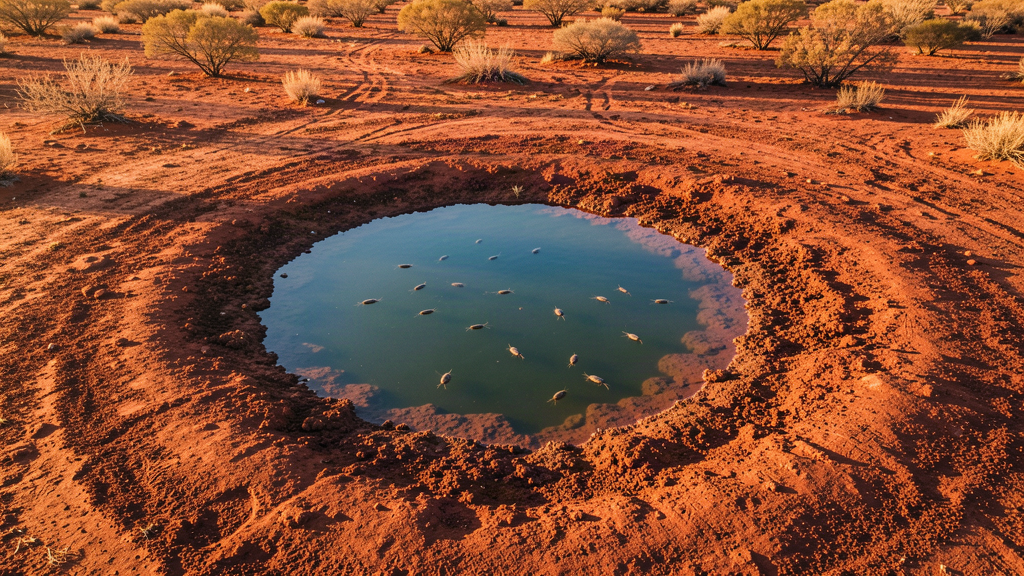
After a heavy rainstorm, a homeowner in Albuquerque, New Mexico noticed something strange in a puddle near her driveway. Tiny, prehistoric-looking creatures were darting through the water, their shield-like carapaces catching the light. She scooped a few into a jar and brought them to a local pet shop. The verdict: Triops, tadpole shrimp, animals that have been around for roughly 300 million years. They had not been planted there. They had not escaped from a kit. They simply appeared, hatching from eggs that had been waiting in the soil, possibly for decades.
This scenario plays out more often than you might think. Triops are found on every continent except Antarctica, and they have a remarkable ability to show up exactly where you least expect them: backyard ponds, construction site puddles, abandoned swimming pools, and even tire ruts on dirt roads. Understanding how they get there reveals one of the most successful colonization strategies in the animal kingdom.
A Global Presence Hiding in Plain Sight
Triops species occupy a staggering range of habitats. Triops longicaudatus dominates much of North America. Triops granarius spans Africa, the Middle East, and South Asia. Triops australiensis is widespread across Australia. Triops cancriformis, the oldest known species, ranges from Europe through the Mediterranean to India. New records continue to emerge: a 2025 study confirmed Triops cancriformis in Qatar for the first time, proving that even well-studied regions can still surprise researchers.
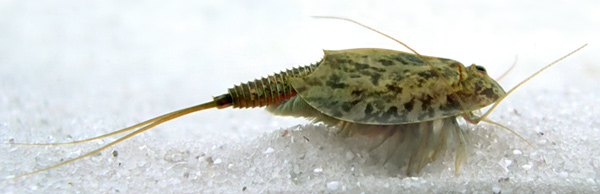
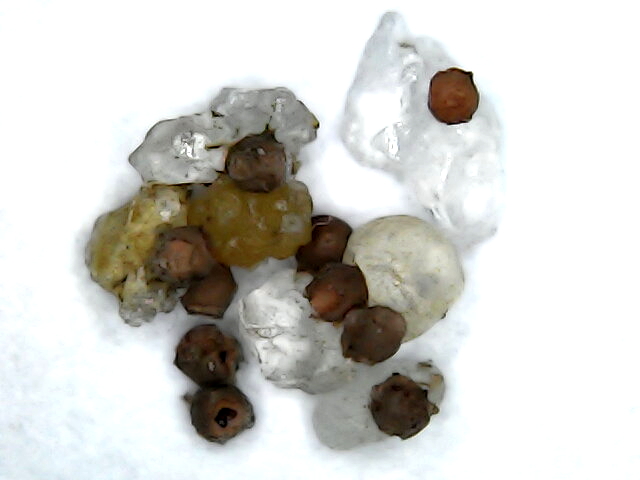
The reason for this global footprint is not that adult Triops swim across oceans. It is their eggs. A single female can produce hundreds of resting eggs, called cysts, in her short lifetime of one to three months. These cysts are built to travel.
How Triops Eggs Reach Your Backyard
Triops eggs are masters of passive transport. When a temporary pool dries up, thousands of desiccated cysts settle into the mud and soil. From there, they have several ways to hitch a ride to new territory.
Wind dispersal is one of the most common. The eggs are tiny, light, and coated with a tough shell that resists desiccation and UV radiation. Wind can carry them across fields, roads, and even between watersheds. Once they land in soil that later fills with rainwater, they are ready to hatch.
Animals provide another transport vector. Birds wading through shallow pools pick up sticky cysts on their feet and feathers. When those birds move to a new pond or wetland, the eggs drop off. Studies have also documented eggs surviving passage through the digestive tracts of ducks and other waterfowl, emerging viable in droppings far from the original pool. Mammals walking through muddy pools carry eggs on their hooves and fur, and insects can inadvertently transport them as well.
Human activity is a surprisingly significant factor. Triops eggs can survive being stuck to shoes, carried in soil on gardening equipment, or transported in the substrate of potted plants. Construction sites that excavate and move soil can redistribute eggs that have been dormant for years. Aquarium hobbyists who release leftover Triops eggs into local waterways have contributed to establishing populations in regions where the species was not previously documented.
The Urban Habitat
Triops thrive in exactly the kind of water bodies that cities produce in abundance: temporary, shallow, fishless pools. Urban and suburban environments are full of them after rainstorms. A flooded construction site, a neglected garden pond, a low spot in a parking lot, a discarded container left outside, or a swimming pool being filled for the season. None of these habitats support fish, which means Triops face virtually no aquatic predation in urban settings.
Construction sites deserve special mention. Earth-moving operations disturb soil that may contain dormant Triops cysts dating back years or even decades. When rainwater pools in the excavated areas, the eggs hatch. Workers at construction sites across the American Southwest have reported finding strange "dinosaur shrimp" in these temporary pools, often alarming people who have never seen anything like them.
The Speed of Colonization
What makes Triops such effective colonizers is the speed of their life cycle. A newly hatched Triops can reach maturity in as little as one to two weeks, depending on the species and conditions. In warm weather with abundant food, some individuals are reproductively active by day ten. This means a single rain event can produce a complete generation: eggs hatch, adults grow, breed, and lay new eggs, all before the pool dries up again.
The new eggs then settle into the dried mud, ready for the next rain. This cycle of explosive growth followed by long dormancy is what allows Triops populations to persist in highly unpredictable environments, from desert playas to suburban backyards.
What To Do If You Find Triops
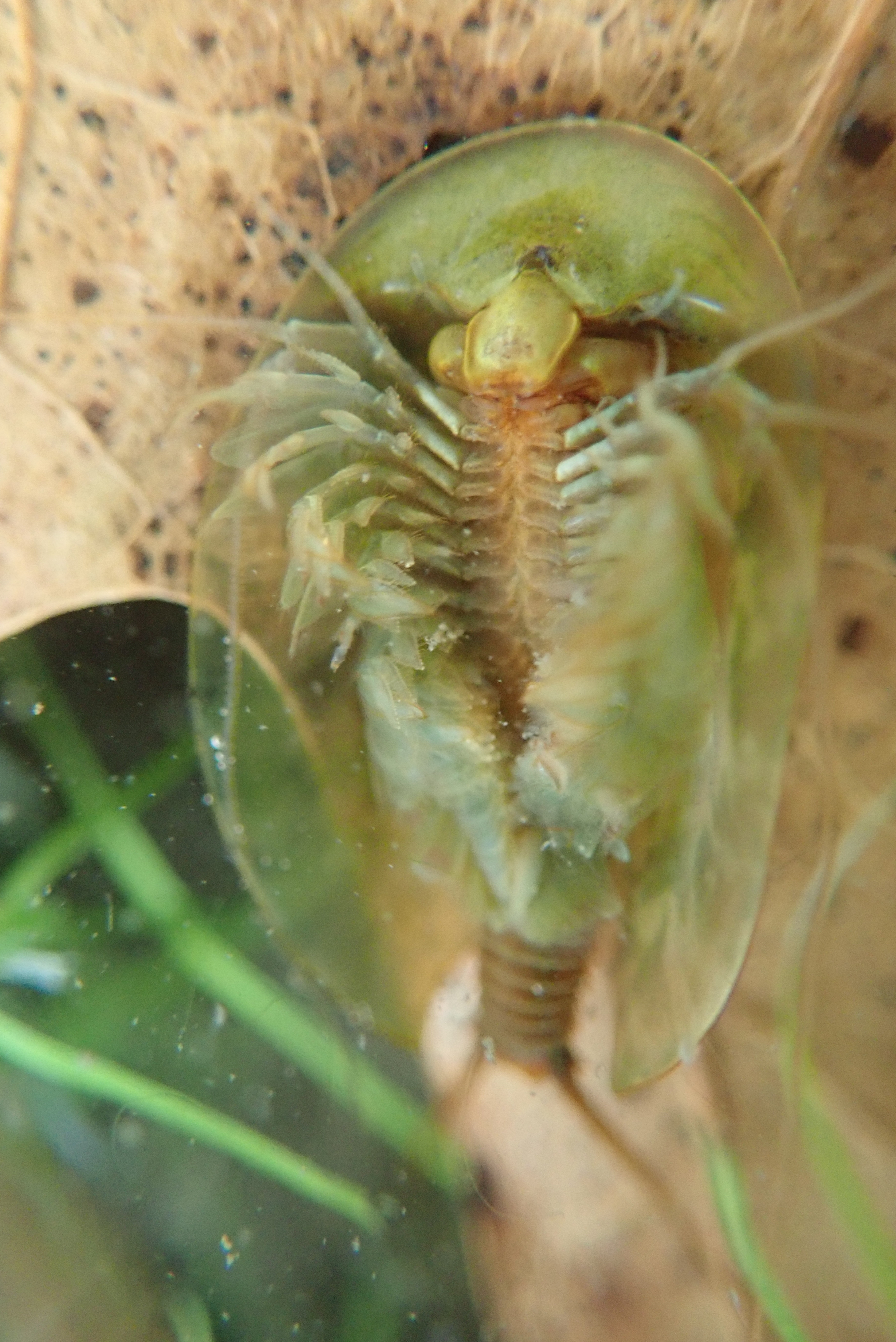
Finding Triops in an unexpected puddle is a genuinely exciting event. These are living fossils, animals that predate the dinosaurs and survived five mass extinctions. If you spot them, resist the urge to treat the puddle as a nuisance. Here are a few things you can do.
Document what you see. Take clear photos from above and from the side. Note the location, water temperature if you can measure it, and the approximate date. Triops species can be difficult to distinguish without close examination, but photos help experts make an identification.
If you want to help them complete their cycle, avoid draining the pool prematurely. The Triops need time to grow, breed, and deposit eggs before the water disappears naturally. If the pool is in a container or small depression, do not move it or change the water abruptly.
And if you want to take it a step further, let the pool dry completely. The eggs that Triops lay will remain dormant in the dried substrate. Store the dried soil in a sealed container, and the next time you want to see prehistoric life in action, add water. You may just have your own backyard Triops population, ready to hatch on demand.
A Connection to Deep Time
There is something profound about finding Triops in a puddle behind a strip mall. These creatures were swimming in pools before Pangaea broke apart, before the Rockies rose, before the first flower bloomed. Their survival strategy, eggs that wait, hatch fast, and breed before the water vanishes, is so effective that it has not needed to change in hundreds of millions of years. Urban development, climate change, and habitat loss have not stopped them. If anything, the proliferation of temporary water bodies in human-modified landscapes has given them more places to live, not fewer.
The next time it rains and you notice a puddle in an unusual spot, take a closer look. You might just be witnessing the latest chapter of a story that began long before our species existed.