Published August 08, 2026 by the Triops.me Editorial Team
Triops vs Other Living Fossils: Coelacanth, Horseshoe Crab, and Ginkgo
How do Triops stack up against nature's other time travelers? A look at four ancient lineages that refused to change.
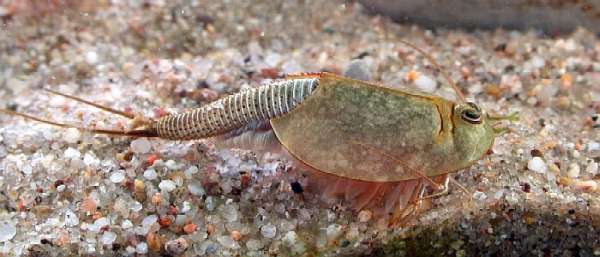
Some species are so successful that evolution left them alone for hundreds of millions of years. The Coelacanth, the Horseshoe Crab, and the Ginkgo tree all carry genetic legacies stretching back to the age of dinosaurs. Triops belong in this group too. Their order Notostraca dates back roughly 220 million years to the Triassic period. What makes these lineages so resilient, and how does Triops compare?
The term "living fossil" was coined by Charles Darwin in 1859. It is not a formal scientific classification, but the general idea is clear: some species have found a body plan so effective that natural selection has had little reason to change it. For a species to qualify, it typically needs a long fossil record, few surviving relatives, and a morphology that closely resembles its ancestors.
The Coelacanth: A Fish Out of Time
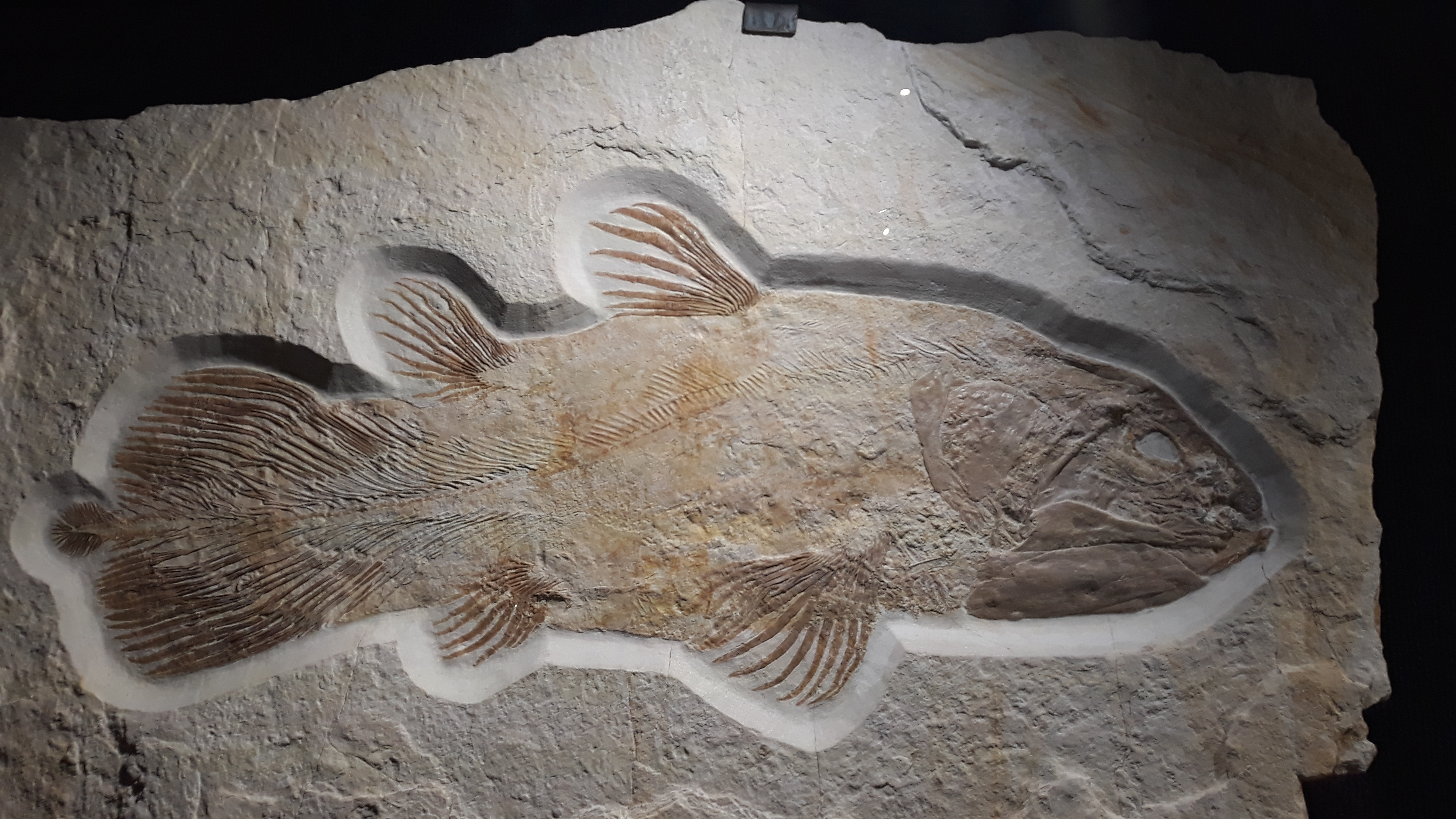
Scientists believed the Coelacanth went extinct 66 million years ago alongside the dinosaurs. Then, in 1938, a South African museum curator identified a live specimen caught by a fishing trawler. The discovery stunned the world.
Coelacanths belong to a lineage of lobe-finned fish that diverged from other fish roughly 400 million years ago. Their fleshy, limb-like fins are thought to be evolutionary precursors to the legs of land vertebrates. Despite this, Coelacanths have changed very little over the last 80 million years. They live in deep ocean waters off South Africa and Indonesia, growing up to 2 meters long. Unlike Triops, which thrive in temporary freshwater pools worldwide, Coelacanths are rare and endangered.
The Horseshoe Crab: Older Than the Dinosaurs
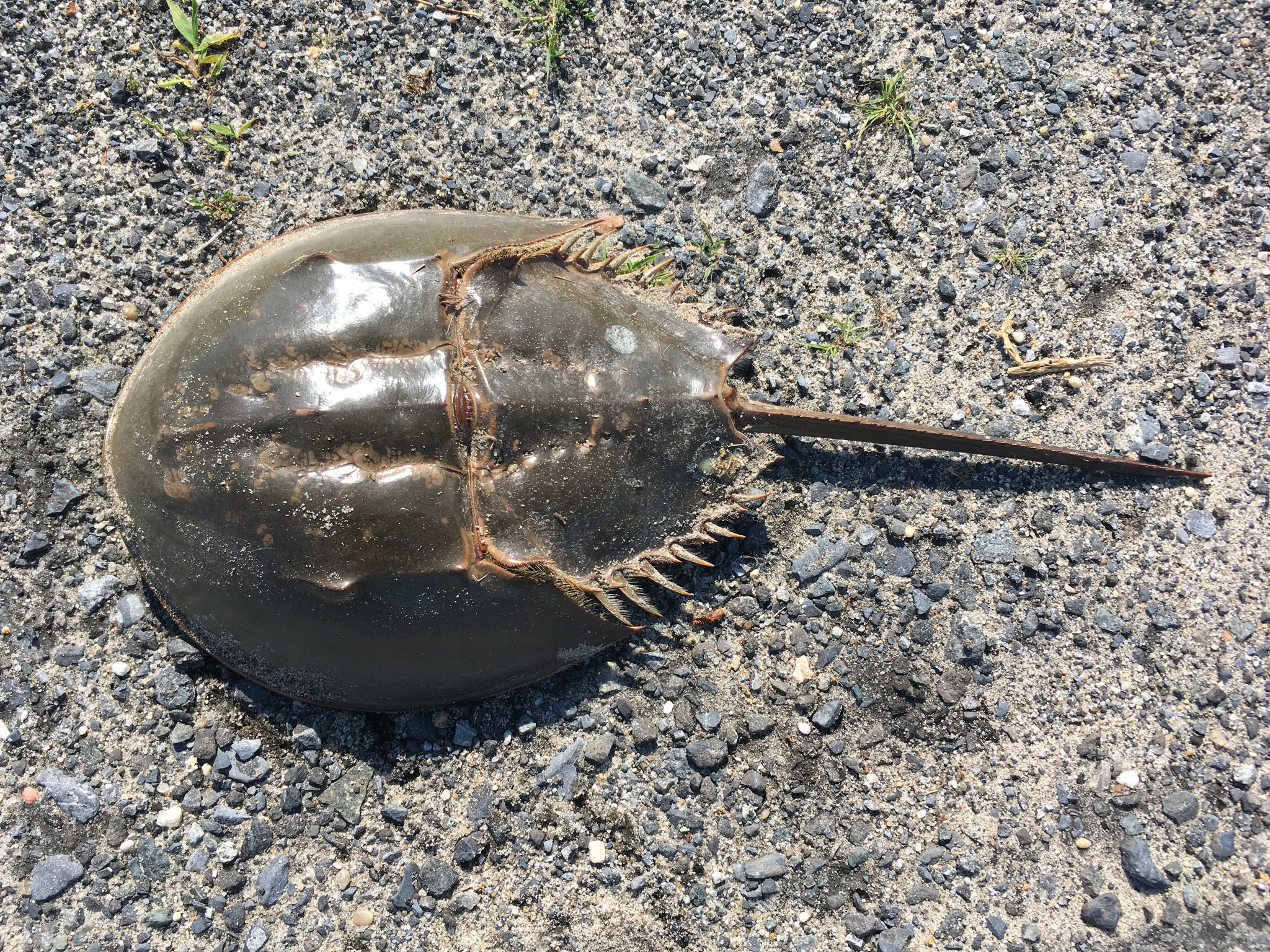
Horseshoe crabs are not true crabs. They are more closely related to spiders and scorpions, belonging to the subphylum Chelicerata. Their lineage stretches back approximately 450 million years to the Ordovician period, making them older than Triops and most dinosaurs.
The Atlantic horseshoe crab (Limulus polyphemus) looks almost identical to fossils from the Devonian period, over 350 million years ago. While Triops survived by exploiting short-lived pools that few predators could monopolize, horseshoe crabs carved out coastal niches where their armored bodies proved invaluable.
Their copper-based blue blood turns blue when exposed to bacteria, making it essential for testing medical equipment for contamination. Horseshoe crabs represent a survival strategy built on hardiness and, quite accidentally, human utility.
Ginkgo biloba: A Tree That Predates Flowers
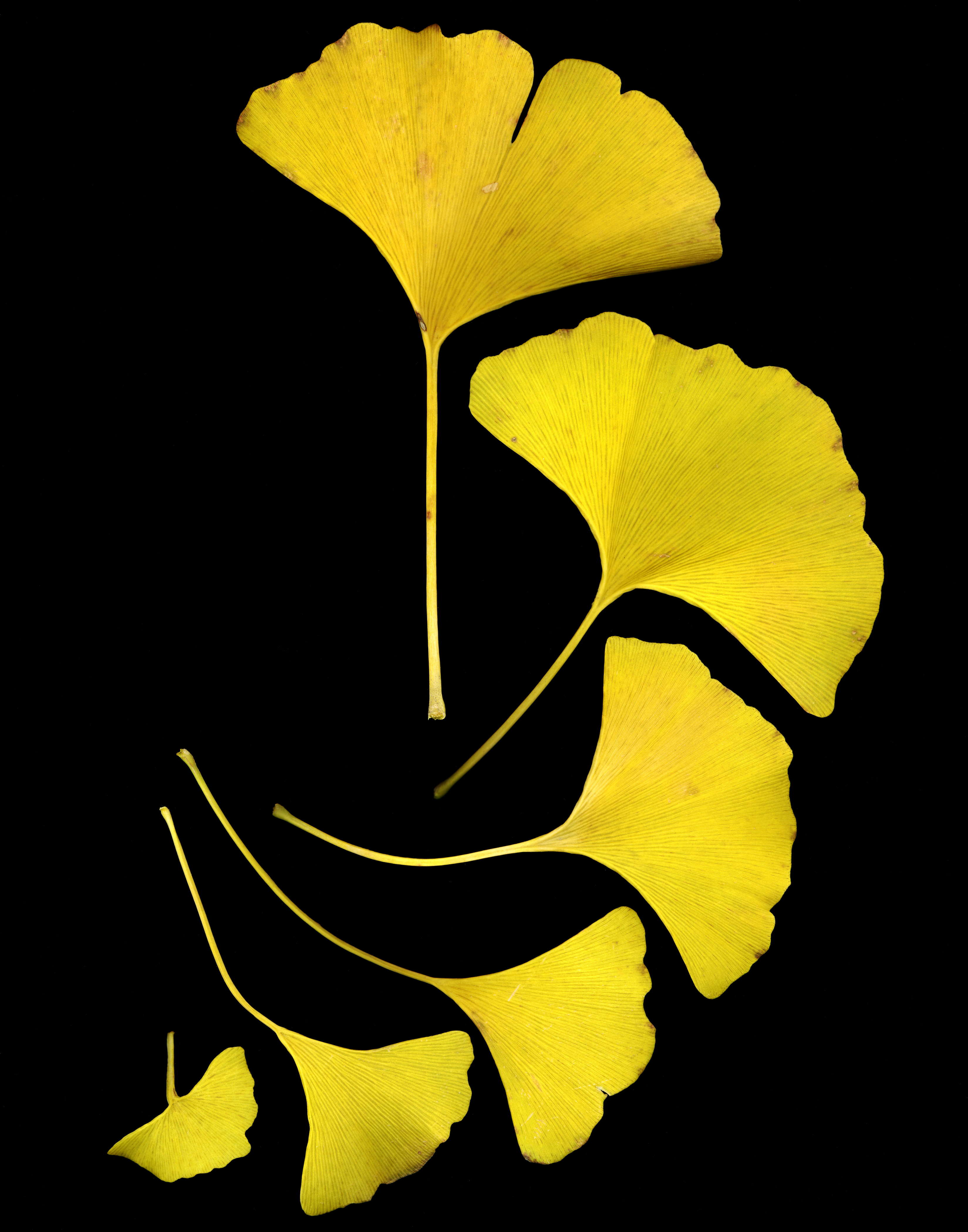
The Ginkgo is the sole surviving member of the order Ginkgoales, which flourished during the Mesozoic era alongside dinosaurs. Fossil evidence of Ginkgo-like leaves dates back roughly 270 million years to the Permian period, before the first dinosaurs appeared.
Wild Ginkgo populations are confined to small areas of China, though cultivated trees are common in cities worldwide. The fan-shaped leaves are unmistakable, and the species has remarkable resistance to pollution, disease, and insects, which is why urban planners prize them.
How Triops Compare
Each living fossil took a different path to longevity. The Coelacanth retreated to the deep ocean where conditions change slowly. Horseshoe crabs armored themselves along coastlines. Ginkgo trees developed extraordinary resilience to environmental stress.
Triops took yet another approach. Their secret weapon is eggs. Triops cysts enter a state of cryptobiosis, drying out completely and surviving for years without water. When rain fills their temporary pools, the eggs hatch and a new generation begins within days. This strategy lets Triops survive droughts, freezing temperatures, and even the vacuum of space in laboratory experiments.
Compared to the Coelacanth's deep-ocean isolation or the Ginkgo's slow persistence, Triops are fast and opportunistic. They hatch, reach adulthood in two to three weeks, reproduce, lay eggs, and die, all before their pool dries up. It is a life cycle built for chaos.
What They All Share
Despite different strategies, these living fossils share a key trait: they found a formula that works and stuck with it. When a body plan suits a stable niche, there is little selective pressure to change.
Triops, Coelacanths, horseshoe crabs, and Ginkgo trees remind us that survival is not always about being the fastest or the strongest. Sometimes it is about being the most resilient, or simply stubborn enough to outlast everything else.
Want to learn more about Triops biology? Visit our Triops Deep Dive or explore the full Creature Gallery.