Published August 10, 2026, 18:59 by the Triops.me Editorial Team · Back to Articles
Triops vs Tardigrades: Earth's Ultimate Survival Champions
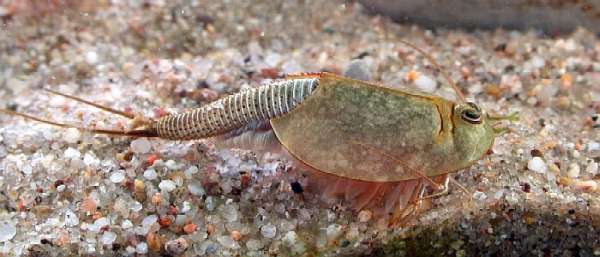
Two tiny creatures have captured the imagination of scientists and nature enthusiasts alike. One is a pancake-shaped crustacean that hatches in puddles after rain. The other is a microscopic "water bear" that clings to moss and lichen. Both have survived mass extinctions and conditions that would kill almost anything else on Earth. But how do their survival strategies compare? Let's put Triops and tardigrades head to head.
Meet the Contenders
Triops are small freshwater crustaceans, typically 2 to 7 centimeters long, with a distinctive shield-shaped carapace and a long forked tail. They have existed in recognizable form for over 200 million years, with fossils dating back to the Triassic period. Today, roughly 15 species survive across every continent except Antarctica, thriving in temporary pools and desert depressions that flood only briefly.
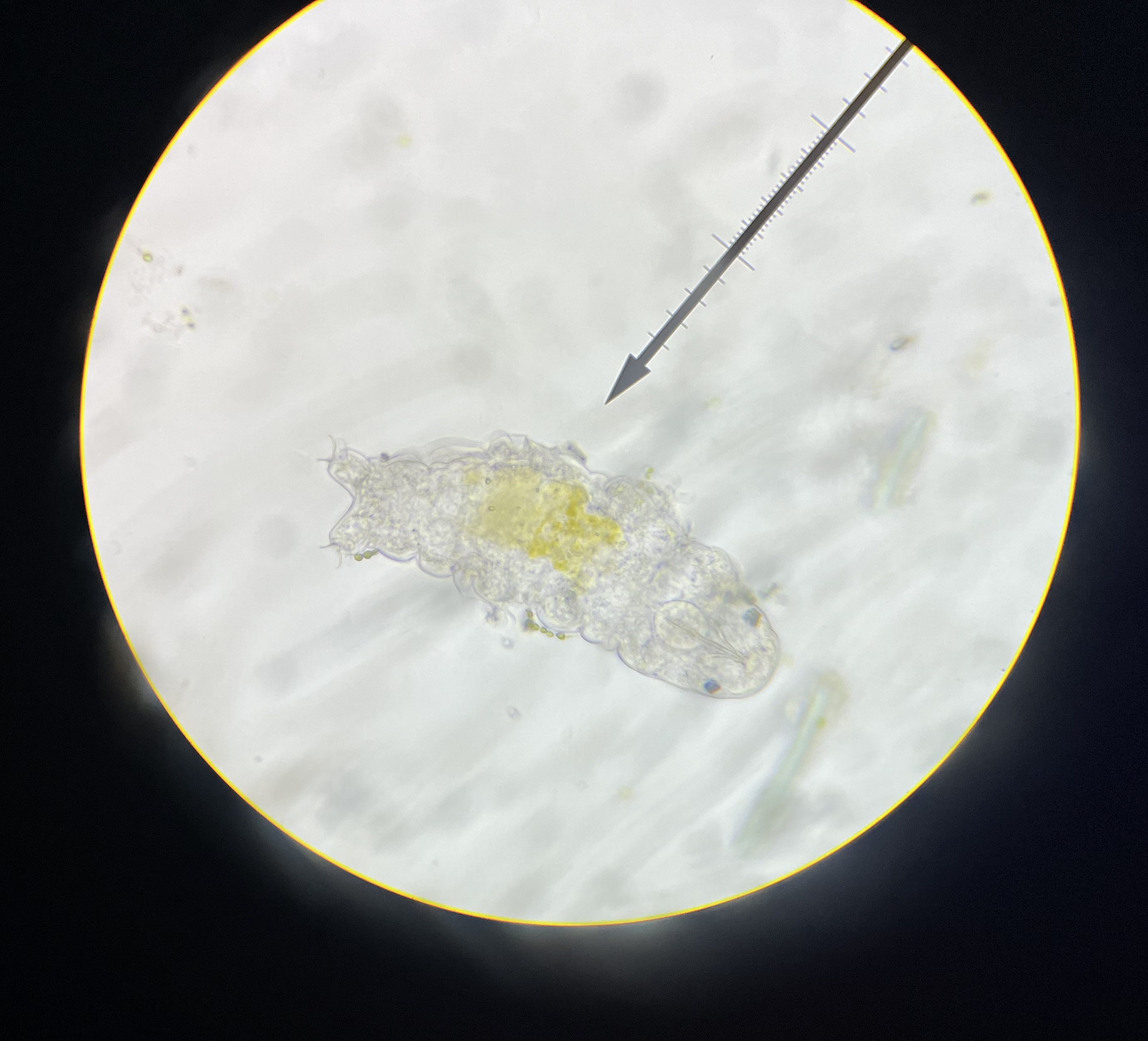
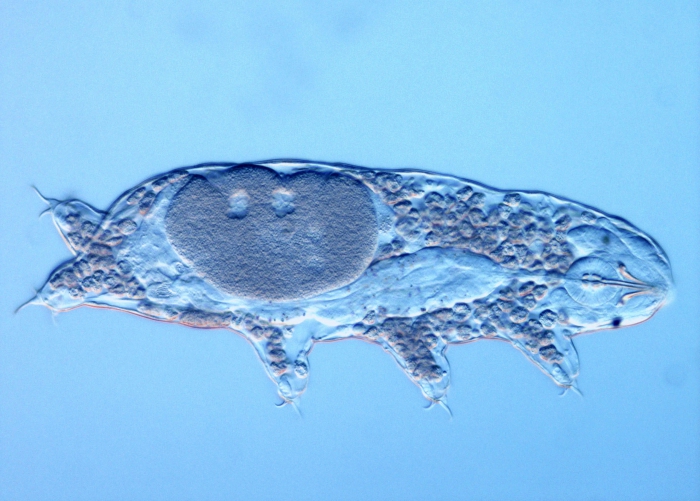
Tardigrades are microscopic animals, usually 0.1 to 1.5 millimeters long, with eight stubby legs that earn them the nickname "water bears." Their fossil record extends back about 530 million years to the Cambrian explosion, though their tiny size makes fossils extremely rare. Around 1,300 species have been described, living everywhere from deep ocean trenches to Antarctic ice.
The Survival Toolkit
Both creatures share a remarkable ability: cryptobiosis, a state where metabolism essentially stops in response to environmental stress. But their approaches differ in fascinating ways.
Tardigrades enter a "tun" state during desiccation. They retract their legs, lose up to 99% of their body water, and form a glass-like protective layer using unique proteins called tardigrade-specific intrinsically disordered proteins. In this tun form, they can survive temperatures from near absolute zero (-272 degrees Celsius) to above 150 degrees Celsius, pressures exceeding 1,000 atmospheres, and radiation doses hundreds of times the lethal human limit.
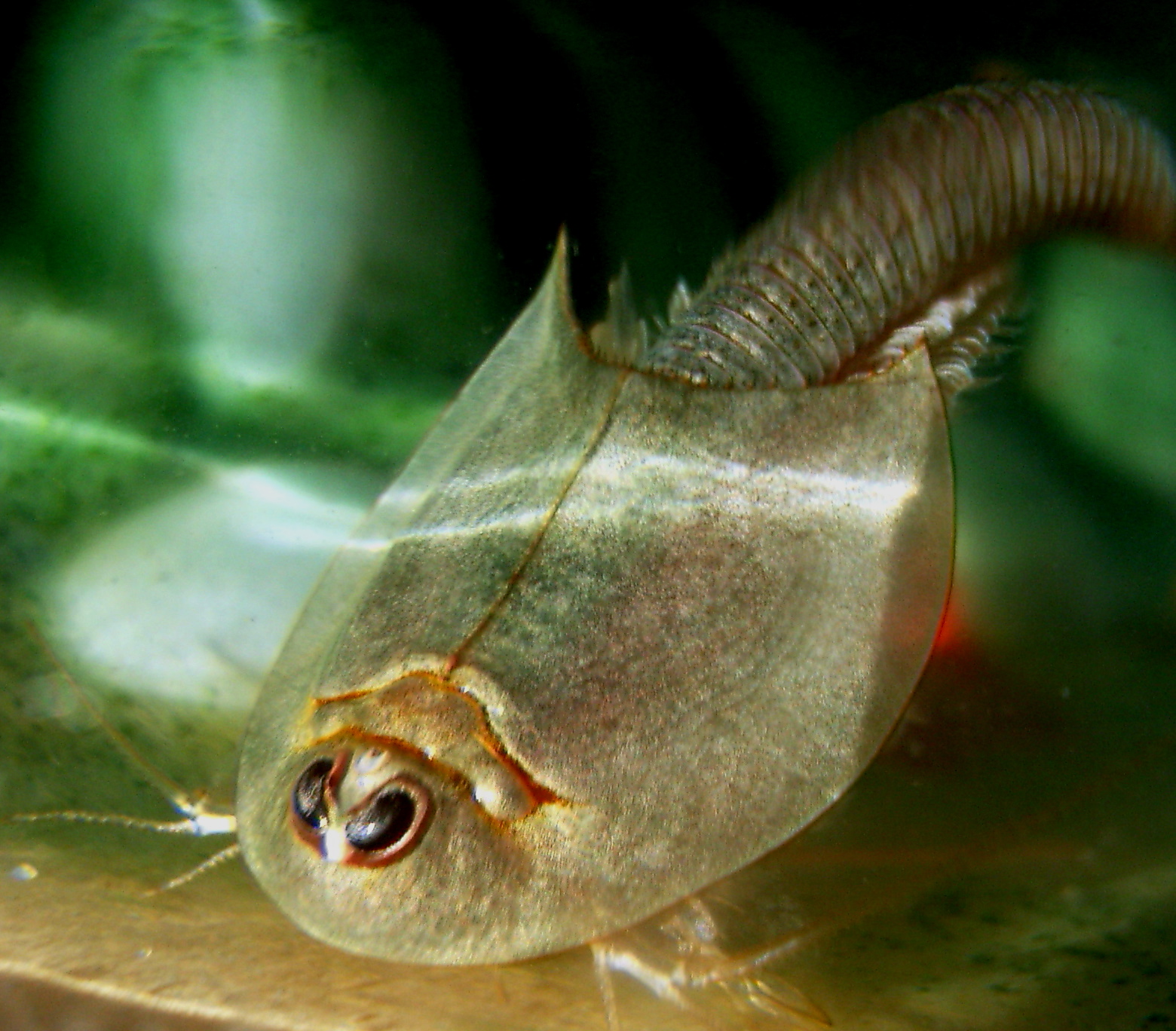
Triops take a different approach. The adult animal itself is not cryptobiotic. Instead, survival depends entirely on their eggs, which are encased in an incredibly tough, multilayered shell. When a pool dries up, the adults die, but the eggs remain dormant for years, sometimes decades. When rain returns, the eggs hatch within hours. This strategy of timing reproduction to match water availability has carried Triops through every major extinction event of the last 200 million years.
Head-to-Head Comparison
Temperature: Tardigrades win decisively. Their tun state tolerates -272 degrees Celsius to 151 degrees Celsius. Triops eggs survive roughly -18 degrees to 45 degrees, impressive for a crustacean egg but far narrower.
Radiation: Tardigrades can absorb doses up to 5,000 grays, over 1,000 times what would kill a human. Triops have no documented exceptional radiation resistance, relying instead on their eggshell's shielding properties.
Space: In 2007, tardigrades survived 10 days of vacuum and radiation exposure in low-Earth orbit during the FOTON-M3 experiment. Triops eggs have not been tested in space, though scientists speculate their shell could protect them. The 2019 Beresheet lander crash, which scattered tardigrades on the Moon, proved they survive catastrophic impacts.
Habitat range: Tardigrades are found everywhere, from tropical rainforests to Antarctic ice sheets. Triops are more specialized, restricted to temporary freshwater bodies. However, Triops can colonize pools most aquatic life cannot reach, including ephemeral desert pools that exist for only a few weeks per year.
Evolutionary age: Tardigrades edge ahead at 530 million years, older than Triops by about 330 million years. Both, however, are true living fossils that have outlasted dinosaurs, ice ages, and continental shifts.
Visibility: Triops, hands down. Tardigrades require a microscope to see. Triops are visible to the naked eye, and watching them dig, swim, and feed in a tank is genuinely entertaining. Many people first encounter Triops as a childhood science project.
So Who Wins?
It depends on what you value. If raw extremophile credentials matter most, tardigrades are the undisputed champion. They survive conditions no other known animal can endure. But if you want a creature whose strategy has been tested against real-world environmental catastrophe over 200 million years, Triops have an extraordinary track record.
Both are evolutionary masterpieces. Tardigrades survive by becoming nearly indestructible at the individual level. Triops survive by making their offspring nearly indestructible while accepting that adults are expendable. Both strategies work, and both have persisted for hundreds of millions of years.
Perhaps the best takeaway is this: Earth's most successful survivors are not the biggest, fastest, or strongest. They are the ones who figured out how to wait.