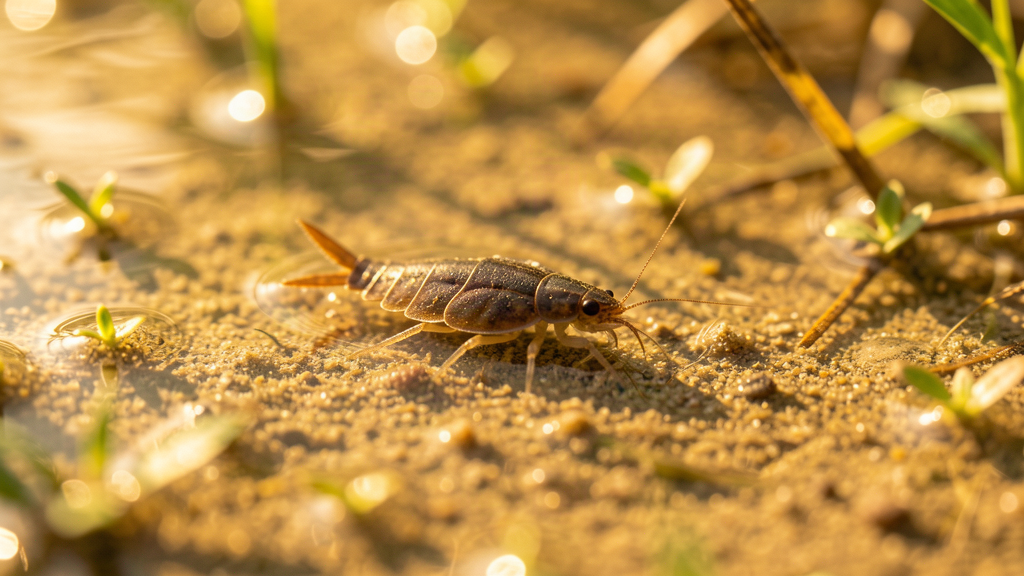
In a world where most species rise and fall within a few million years, one tiny creature has defied the odds. Triops, commonly known as tadpole shrimp or shield shrimp, have existed for approximately 220 million years. They predate the dinosaurs, survived multiple mass extinctions, and continue to thrive in temporary freshwater pools on nearly every continent today. Their story is one of remarkable biological resilience.
A Brief Overview of Triops
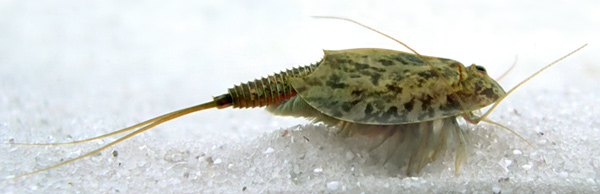
Triops belong to the order Notostraca, a group of branchiopod crustaceans. The name "Triops" comes from Greek, meaning "three eyes," a reference to their distinctive ocular arrangement. These small creatures, typically measuring between 2 and 10 centimeters, possess two compound eyes on top of their head and a single naupliar eye positioned between them. This three-eyed configuration has remained essentially unchanged for hundreds of millions of years.
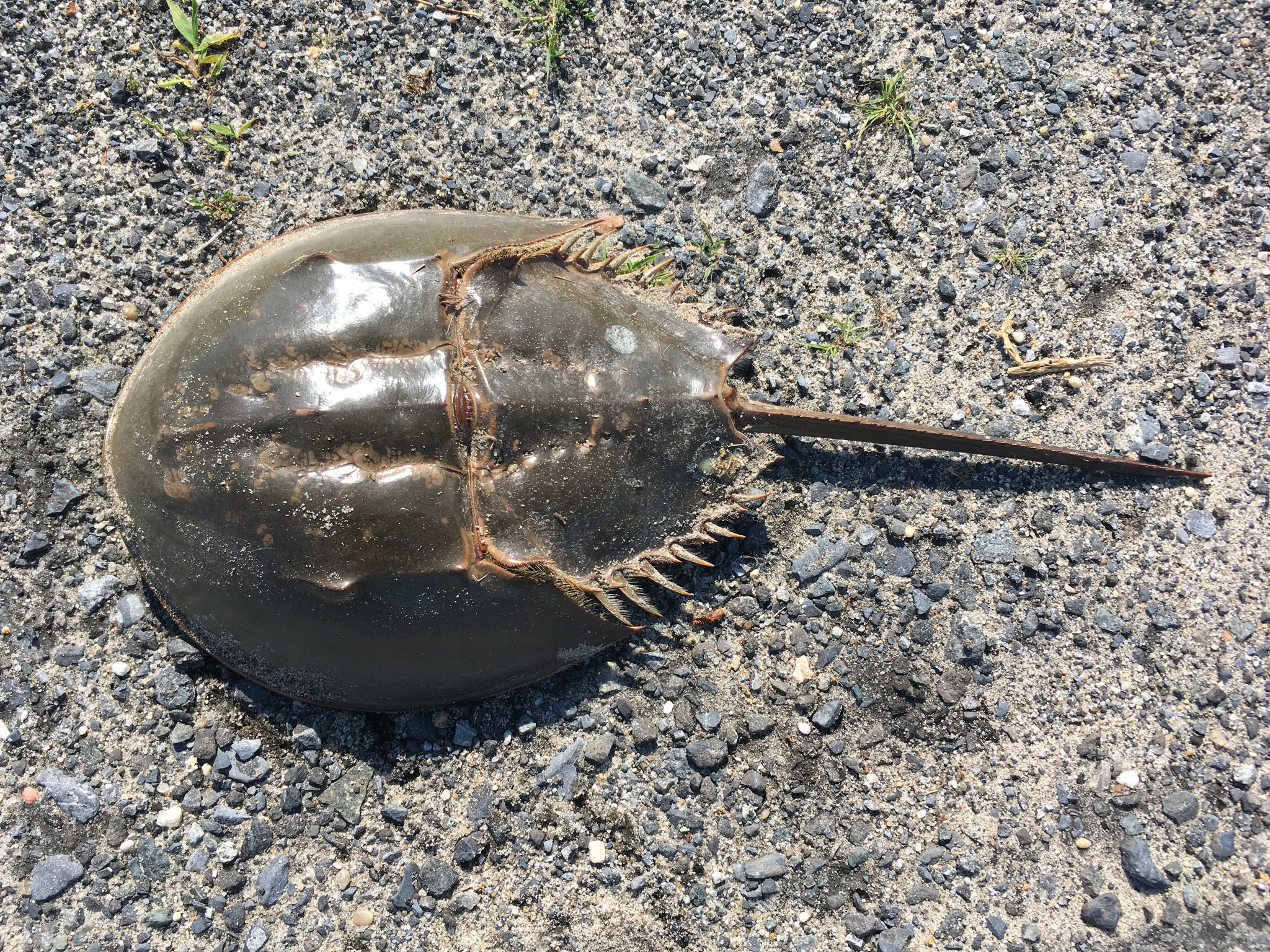
Their most recognizable feature is a broad, shield-like carapace that covers the head and thorax, giving them the appearance of miniature horseshoe crabs. Beneath this protective shell, Triops carry up to 70 pairs of leaf-like swimming legs called phyllopods. These legs serve multiple functions: swimming, breathing, and filter-feeding. At the rear of the body, a long, forked tail, known as a telson, extends outward, often with two slender caudal rami, or forks.
The Fossil Record: 220 Million Years of Stasis
The fossil record for Triops is exceptionally well documented. The earliest fossils resembling modern Triops date to the Late Triassic period, roughly 220 million years ago. What makes these fossils remarkable is their striking similarity to living specimens. The carapace shape, the three-eye arrangement, the forked tail, the overall body proportions, all appear virtually identical across geological time. This phenomenon is known as morphological stasis, the evolutionary tendency of certain lineages to remain unchanged for extended periods.
Fossil specimens from the Triassic, Jurassic, Cretaceous, and beyond can be placed alongside a modern Triops cancriformis and the differences would be nearly imperceptible to a trained eye. This level of conservatism is rare in the animal kingdom and has made Triops a textbook example in evolutionary biology discussions about what it means to be a "living fossil."
Some key fossil sites include European lake deposits from the Triassic and Jurassic periods, where Triops fossils are found alongside other freshwater organisms. The German Schandelah locality and various sites in England have yielded particularly well-preserved specimens that help scientists understand how this genus has persisted through changing climates and ecosystems.
How Triops Survived Mass Extinctions
The secret to Triops' longevity lies not in the adults themselves but in their extraordinary eggs. Female Triops deposit thousands of eggs in the mud at the bottom of temporary pools. When these pools dry up, the eggs enter a state called diapause, a suspended form of development that can last for years or even decades. These eggs are remarkably tough, capable of withstanding extreme temperatures, complete desiccation, and even UV radiation.
This survival strategy has proven effective against multiple extinction events. When the Chicxulub asteroid struck the Earth 66 million years ago, triggering the Cretaceous-Paleogene extinction that wiped out the non-avian dinosaurs, Triops eggs were safely buried in sediment. The same was true during the Permian-Triassic extinction, the largest mass extinction in Earth's history, which occurred approximately 252 million years ago.
While adult Triops live only 40 to 90 days, their eggs can remain viable in dry soil for 20 years or more. The species does not need to survive every drought, only its eggs do. This boom-and-bust life cycle, rapid growth, prolific egg production, and long-term egg dormancy, has proven to be an extraordinarily effective evolutionary strategy.
Biology and Life Cycle
When rain fills a temporary pool, Triops eggs hatch within 24 to 72 hours. The larvae grow remarkably fast, reaching adulthood in just 14 to 20 days under favorable conditions. During this time, they molt their exoskeletons repeatedly as they grow. Adults are omnivorous, consuming algae, detritus, bacteria, mosquito larvae, and even smaller crustaceans. They use their many legs to dig through sediment, playing an important ecological role as primary consumers and sediment disturbers in temporary aquatic ecosystems.
Triops are surprisingly active swimmers. Their phyllopod legs move in a rhythmic, metachronal wave that propels them through the water column. This motion is visible even in small hobbyist tanks, making them fascinating subjects for observation. Males can be distinguished from females by a modified seventh pair of legs that functions as claspers during mating.
Species and Global Distribution
The genus Triops contains approximately 20 to 30 recognized species, though taxonomists debate whether many of these are truly distinct species or regional variants. The most widely studied species include Triops cancriformis, found across Europe, Africa, and Asia, Triops longicaudatus, common in the Americas, and Triops australiensis, endemic to Australia.
Today, Triops populations can be found on every continent except Antarctica. They inhabit temporary freshwater pools, puddles, rice paddies, and seasonal ponds in environments ranging from Mediterranean climates to arid deserts. Their ability to colonize new habitats is facilitated by their drought-resistant eggs, which can be transported by wind, water, or animals to new locations.
Triops as Educational Pets
In recent decades, Triops have become popular educational pets, particularly for children learning about biology and natural history. Triops kits, which include eggs, substrate, and instructions, are widely available in science shops and online. Raising Triops offers a hands-on lesson in invertebrate biology, life cycles, and evolutionary adaptation.
The basic requirements are simple: a small container, dechlorinated water, a thin layer of fine sand or clay substrate, and a source of food such as fish flakes or spirulina. Triops eggs hatch within days, and the creatures grow rapidly, reaching adulthood in just two to three weeks. For more detailed care information, visit our Triops Deep Dive guide.
Why Triops Matter
Triops are more than just a biological curiosity. They represent one of the most successful survival strategies in the history of life on Earth. Their ability to persist through mass extinctions, climate changes, and environmental upheavals provides valuable insights into evolutionary biology, ecology, and resilience. Scientists study Triops to understand morphological stasis, the mechanisms of diapause, and the ecological dynamics of temporary aquatic habitats.
For anyone interested in the broader context of prehistoric life, Triops offer a living window into the deep past. To explore more ancient creatures that share our planet, visit the Creature Gallery.
Conclusion
Triops are living proof that survival does not always require adaptation. Sometimes, the best strategy is to remain unchanged while the world transforms around you. For 220 million years, these small crustaceans have quietly persisted, their eggs waiting patiently in dried mud for the next rain. In an era of rapid environmental change, the Triops model of resilience, dormancy, and opportunism feels more relevant than ever.
Whether you are a student of evolutionary biology, a hobbyist raising Triops at home, or simply someone curious about the natural world, these remarkable creatures deserve our attention and respect. They have been here longer than any dinosaur, and if history is any guide, they will be here long after we are gone.