Published 2026-09-23 · by the Triops.me Editorial Team · Back to Articles
Wollemi Pine: The Dinosaur Tree Found Alive
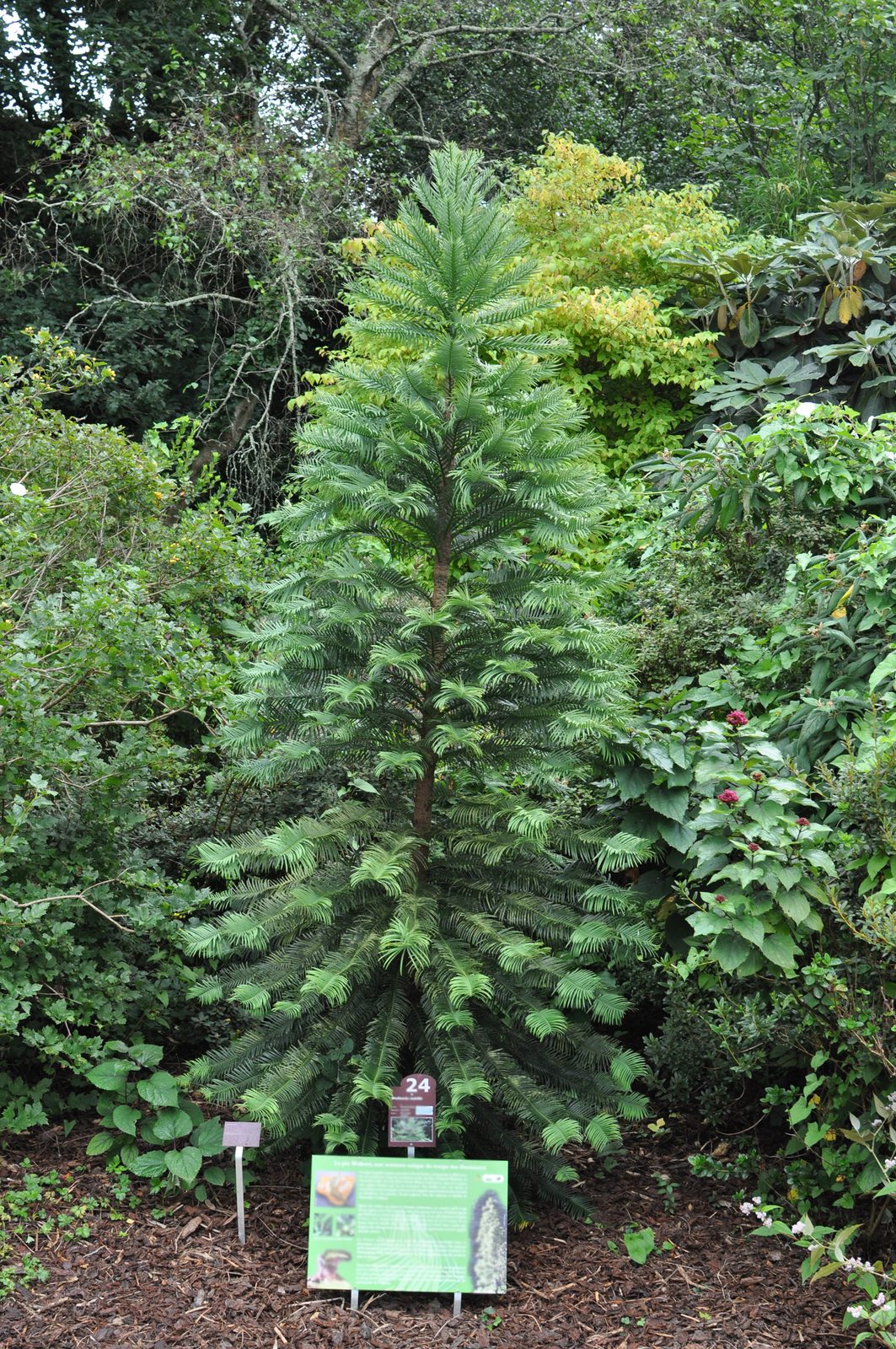
In September 1994, a field officer named David Noble was abseiling into a narrow sandstone canyon in Wollemi National Park, about 150 kilometers west of Sydney. He was there to explore remote gorges for the New South Wales National Parks and Wildlife Service, not to make scientific history. But in a sheltered, mossy amphitheater deep in the canyon, Noble noticed trees he simply did not recognize. They had strange, lumpy, cocoa-colored bark and soft, fern-like foliage unlike anything in the region. He collected a few branches and took them back for identification.
The experts were baffled. The foliage looked like something out of a paleobotany textbook, and for good reason: the trees were Wollemia nobilis, members of the ancient conifer family Araucariaceae. Until that day, the genus was known exclusively from fossils, some of them roughly 90 million years old, laid down in forests where dinosaurs browsed. No scientist had ever seen a living one. Botanists soon nicknamed it the "dinosaur tree" or "pinocchio pine," and the discovery is widely ranked among the great botanical finds of the twentieth century.
A Living Window on the Cretaceous
Araucariaceae is a genuinely ancient lineage. Its relatives dominated large parts of the world's forests during the Jurassic and Cretaceous periods, growing alongside sauropods and early flowering plants. Fossilized araucarian wood, pollen and cones turn up on every continent, and scientists think the long-necked giants of the Mesozoic, such as the giant sauropods, fed extensively on their resinous foliage and cone scales. Today only three genera survive: Araucaria (the monkey puzzle and Norfolk Island pines), Agathis (the kauri pines), and Wollemia, known from just this one species.
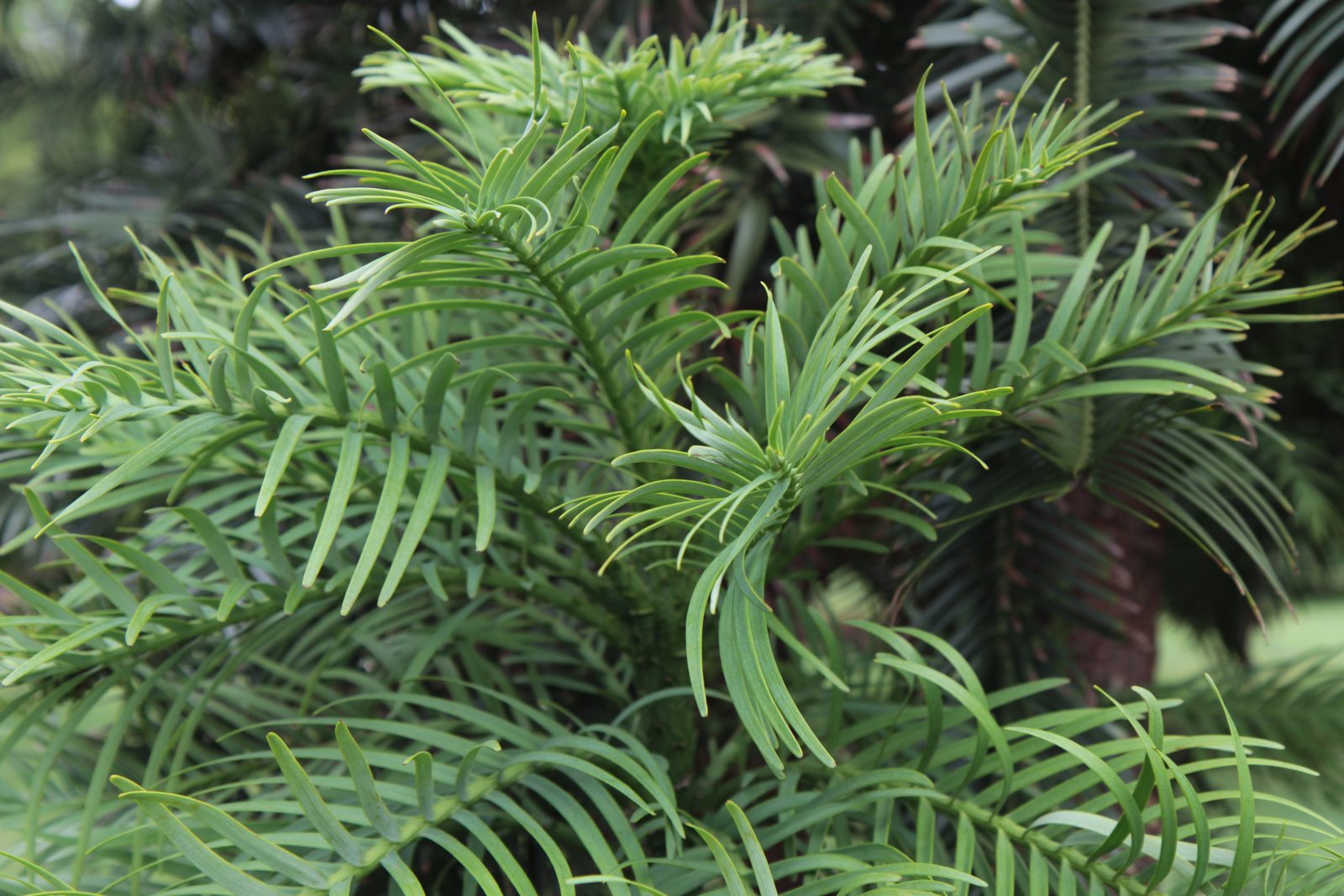
The Wollemi pine itself has plenty of odd features that set it apart from any familiar conifer. Its bark is spongy and bubbly, almost like boiling chocolate frozen in place. Its leaves are arranged in flat, alternating sprays that change shape depending on whether they grow in sun or shade. Perhaps strangest of all, the tree coppices: from a single trunk, dozens of vertical stems can sprout, so one individual looks like a thicket of many trees. Mature wild specimens reach about 40 meters tall, with trunks more than a meter wide.
How Does a 200-Million-Year Lineage Hide in One Canyon?
The obvious question is how a tree this famous in the fossil record could go unnoticed in a country as well explored as Australia. Part of the answer is geography. Wollemi National Park is a vast maze of deep sandstone canyons, and the pines live in a handful of hidden groves in cool, permanently shaded gullies where few humans ever set foot. Fossils show that Wollemia was once widespread across Australia, New Zealand and Antarctica, but as the climate dried and warmed over millions of years, the species was squeezed into these last moist refuges.
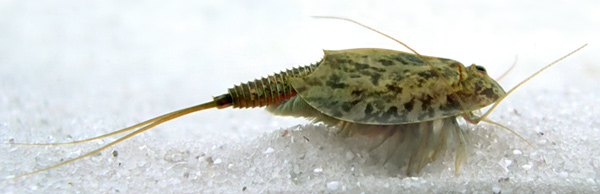
That pattern, a once-global organism retreating into a tiny hidden stronghold, is one we return to often on this site. It is exactly the strategy that has kept Triops alive for roughly 300 million years. Rather than fighting change head-on, both species survive by hiding in places the wider world forgot: Triops in temporary desert pools that appear for a few weeks and then vanish, the Wollemi pine in sunless canyons that trap moisture and block fire. Different habitats, same trick. Persistence through retreat.
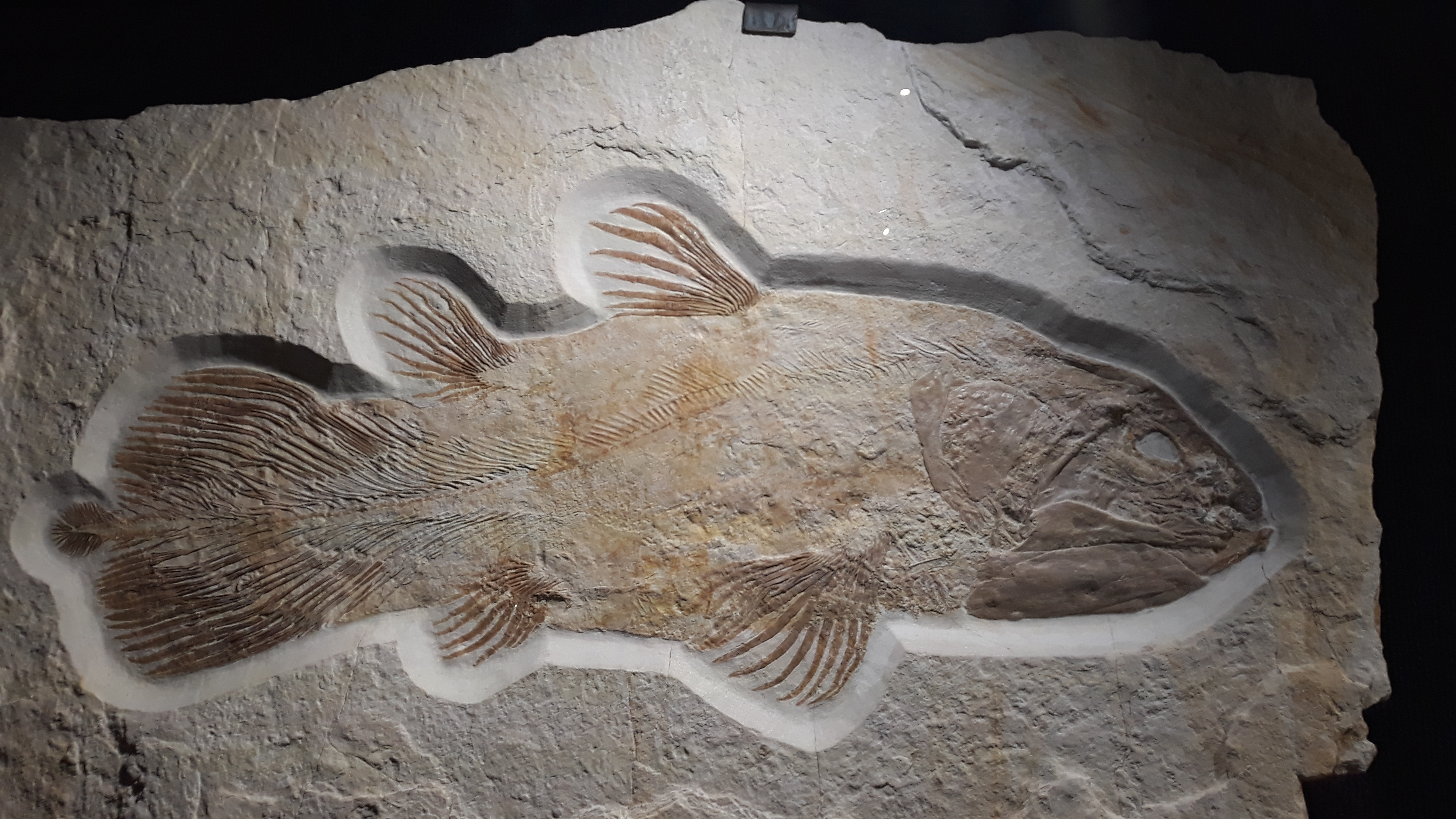
Scientists sometimes call animals and plants like this Lazarus species, after the biblical figure who came back from the dead. The coelacanth, a fish known only from fossils until one was hauled up off South Africa in 1938, is the classic example. The Wollemi pine is its botanical twin: declared extinct with the fossils, then rediscovered blinking in the light of the modern world.
Fewer Than 100 Wild Trees
Here is the sobering part. Every wild Wollemi pine on Earth, all of them, live in a few small groves in those canyons, and the population includes fewer than 100 mature individuals. Genetic testing shows the species has almost no genetic diversity left, the signature of a population that crashed long ago and has been clinging on in isolation ever since. The exact locations remain a closely guarded secret, and visitors are kept away to protect the roots from trampling and from soil diseases such as water mold Phytophthora, which could wipe out the entire species in a single season.
The 2019 to 2020 Australian bushfire season, the Black Summer, brought the danger into sharp focus. Fire swept through Wollemi National Park and came within hundreds of meters of the groves. In a remarkable covert operation, National Parks crews and Rural Fire Service teams were lowered by helicopter into the gorge before the flames arrived. They set up irrigation lines and sprinklers among the trees, cleared vegetation, and even dropped fire retardant from the air. The groves survived, smoke-stained but alive, while vast areas of forest around them burned.
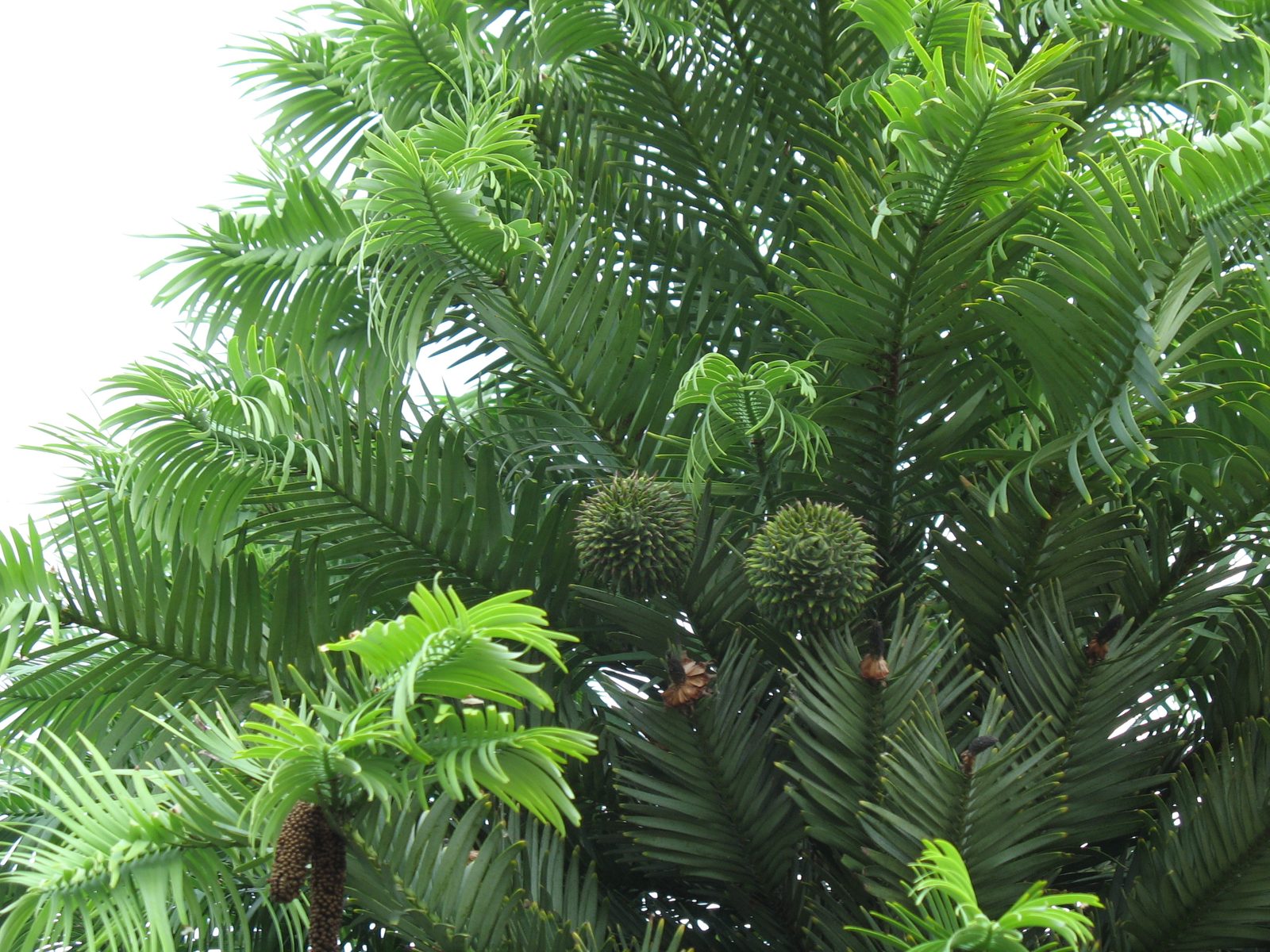
From Secret Canyon to Your Balcony
In an unusual twist of conservation strategy, the best way to protect the Wollemi pine turned out to be selling it. Starting in 2005 and 2006, nurseries propagated the tree from collected seeds and cuttings and released it to the public, with proceeds funding research and protection. Today Wollemi pines grow in botanical gardens and private collections across dozens of countries, from Japan to the United Kingdom to the United States. The species is effectively backed up in cultivation, a living insurance policy against any disaster in its single wild locality.
If you would like to see the connection between prehistory and your own windowsill for yourself, the analogy goes further than the Wollemi pine. Raise a batch of Triops from dried eggs and you are doing much the same thing gardeners do when they plant a Wollemi seedling: keeping a lineage alive that has outlasted the dinosaurs, the ice ages and everything in between. The Triops eggs in a packet and the Wollemi seeds in a nursery pot are both time capsules, waiting for the right conditions to restart a story far older than ourselves.
David Noble's wander into an unremarkable-looking canyon is worth remembering for another reason too. After more than a century of intensive scientific exploration, a tree the size of a ten-story building, from a lineage once thought long dead, was sitting quietly in a gorge two hours' drive from a city of five million people. Fossils told us Wollemia existed. Only the living grove could tell us what it smelled like, how it grew, and how it clung to existence. For every fossil species we have catalogued, there may be a canyon, a cave or a puddle somewhere holding a surprise like this one.