Published August 27, 2026 by the Triops.me Editorial Team · Back to Articles
Living Fossils: Creatures That Time Forgot
Evolution is supposed to be relentless. Species adapt, diversify, and replace one another in an endless arms race. Yet scattered across the tree of life are organisms that seem to have missed the memo. They look almost exactly like their ancestors from hundreds of millions of years ago, surviving five mass extinctions. Scientists call them living fossils, a term Charles Darwin coined in 1859.
The phrase is controversial. Some biologists argue no living species is truly unchanged, since evolution never stops at the genetic level. Others embrace it as a useful shorthand for species whose body plans remained stable while entire ecosystems rose and fell. Either way, these creatures share something extraordinary: they have endured where most species did not.
What Makes a Living Fossil?
Living fossils tend to share a few traits. They belong to ancient lineages with few close living relatives, a pattern called phylogenetic isolation. Their body plans changed little across epochs, known as morphological stasis. They often inhabit stable or marginal environments, such as deep ocean floors or ephemeral pools, where competitive pressure is lower. When an organism is well adapted to a reliable niche, there is little selective pressure to alter the blueprint.
The Hall of Fame
Triops: The 220-Million-Year Survivor
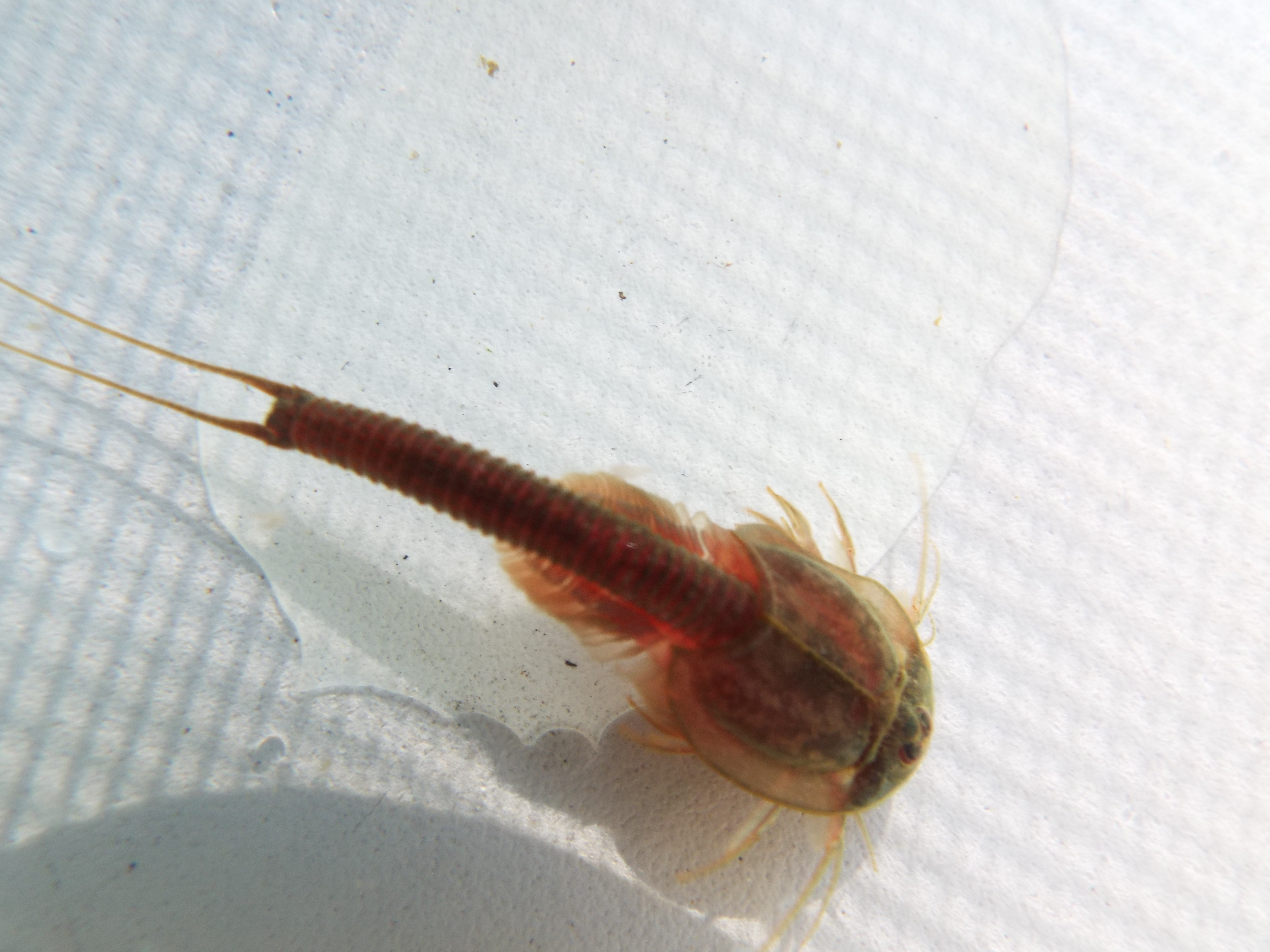
No living fossil page would be complete without the creature this site is named after. Triops, the tadpole shrimp, first appears in the fossil record roughly 220 million years ago during the Late Triassic. The modern Triops looks astonishingly like its Triassic ancestors, from the horseshoe-shaped carapace to the three simple eyes and forked tail. Their secret weapon is cryptobiosis: their eggs survive complete desiccation, extreme temperatures, and even the vacuum of space, hatching only when conditions are favorable. This allows them to colonize temporary pools across every continent except Antarctica.
Horseshoe Crabs: Older Than Trees
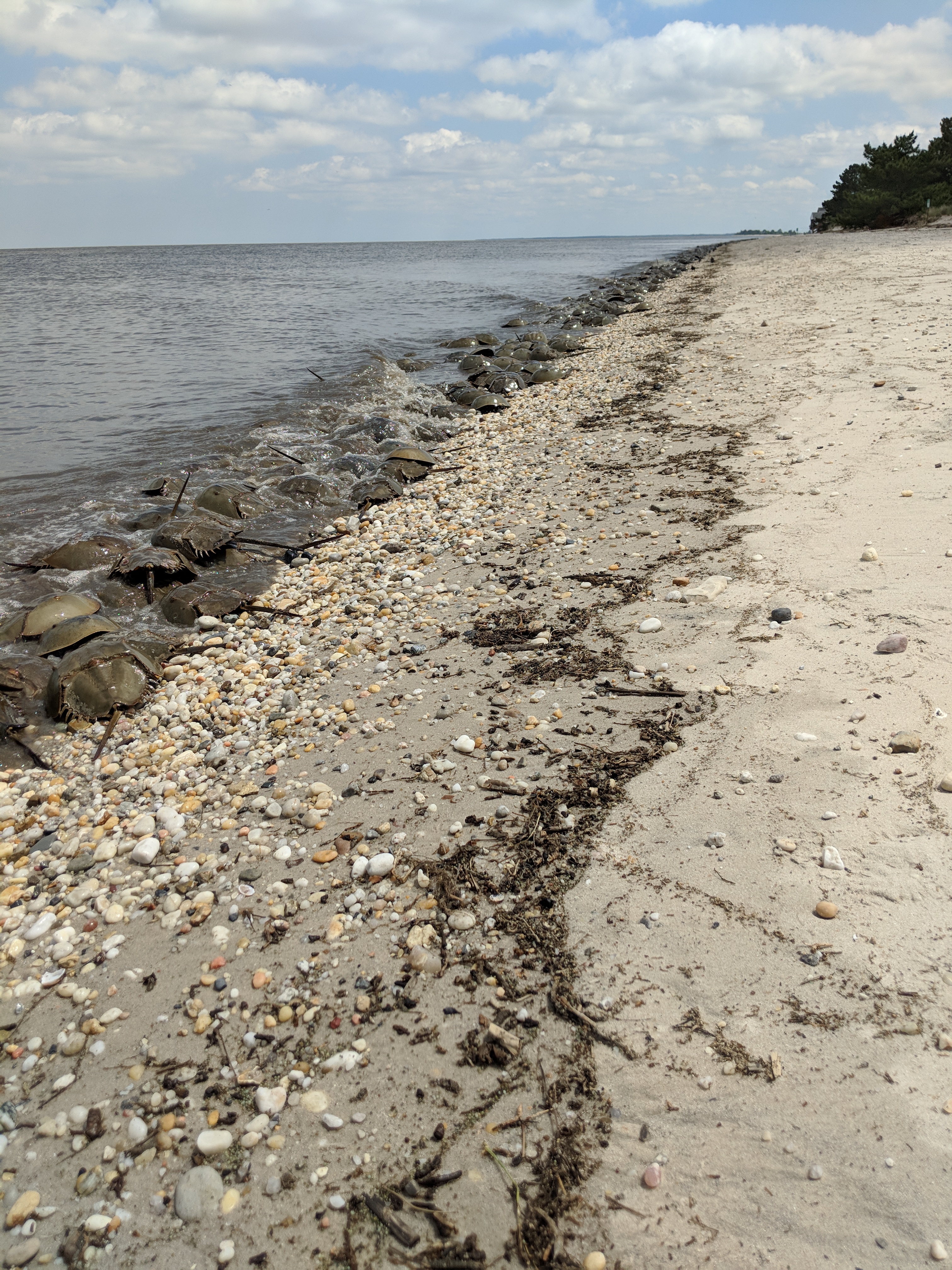
Horseshoe crabs are not crabs at all. They are more closely related to arachnids, placing them in the order Xiphosura. Their lineage stretches back roughly 450 million years to the Ordovician, making them older than most insects and every land plant with woody stems. The Atlantic horseshoe crab, Limulus polyphemus, plays a critical ecological role. During spawning season, thousands gather on beaches, and their eggs fuel the migration of hundreds of thousands of shorebirds along the Atlantic Flyway. Their copper-based blue blood is harvested for Limulus amebocyte lysate, essential in medicine for detecting bacterial contamination in vaccines and medical devices.
Nautilus: The Last Cephalopod Witness
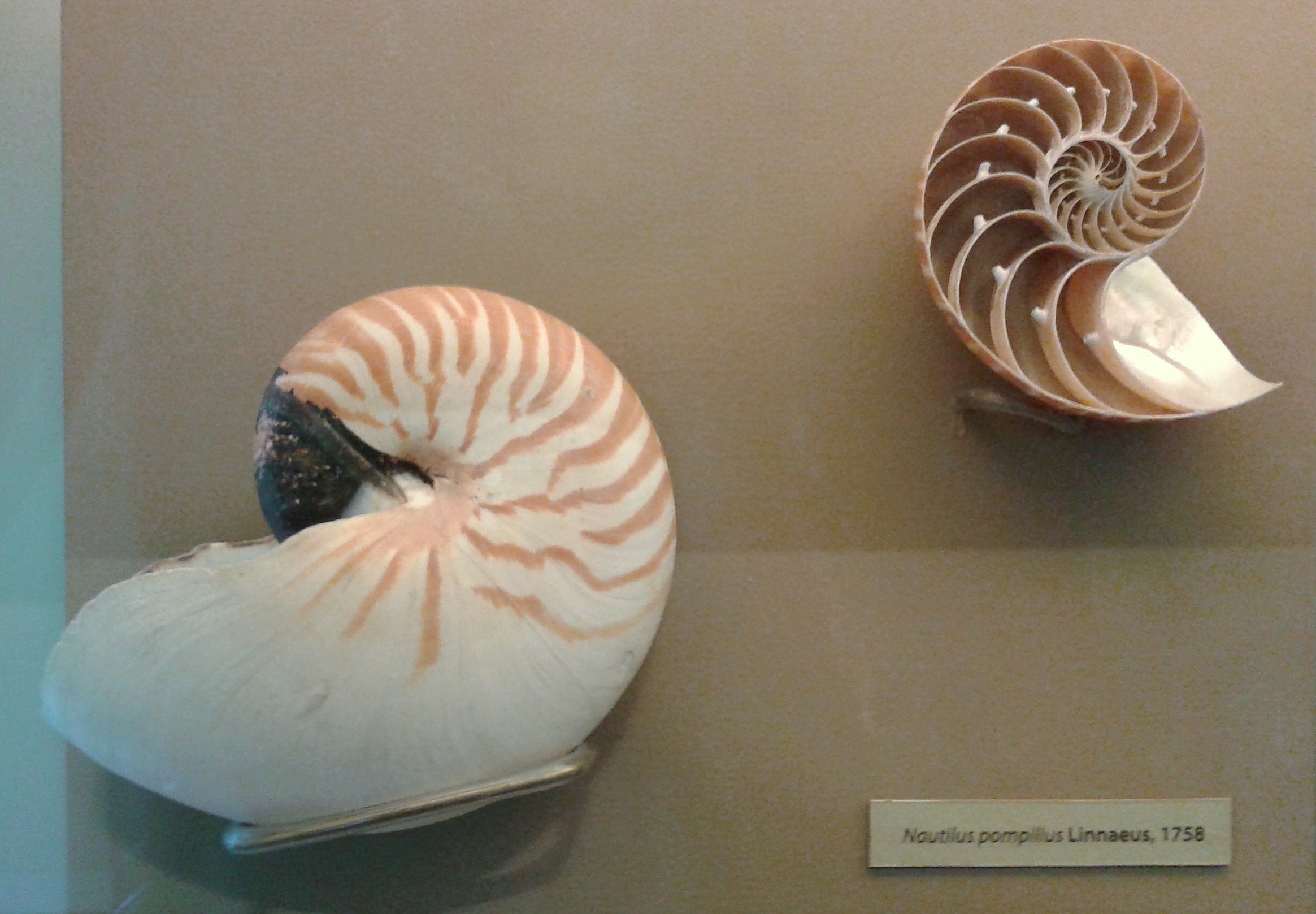
The nautilus is the sole surviving member of a once vast lineage of shelled cephalopods. Ammonites went extinct 66 million years ago along with the non-avian dinosaurs, but the nautilus endured. Its external shell with gas-filled chambers for buoyancy control has remained essentially unchanged since the Cambrian. Nautilus pompilius lives in deep tropical waters around the Indo-Pacific, descending to 600 meters by day and rising to shallower reefs at night. Overharvesting for its beautiful shell has pushed several populations toward conservation concern.
Coelacanth: The Fish That Came Back
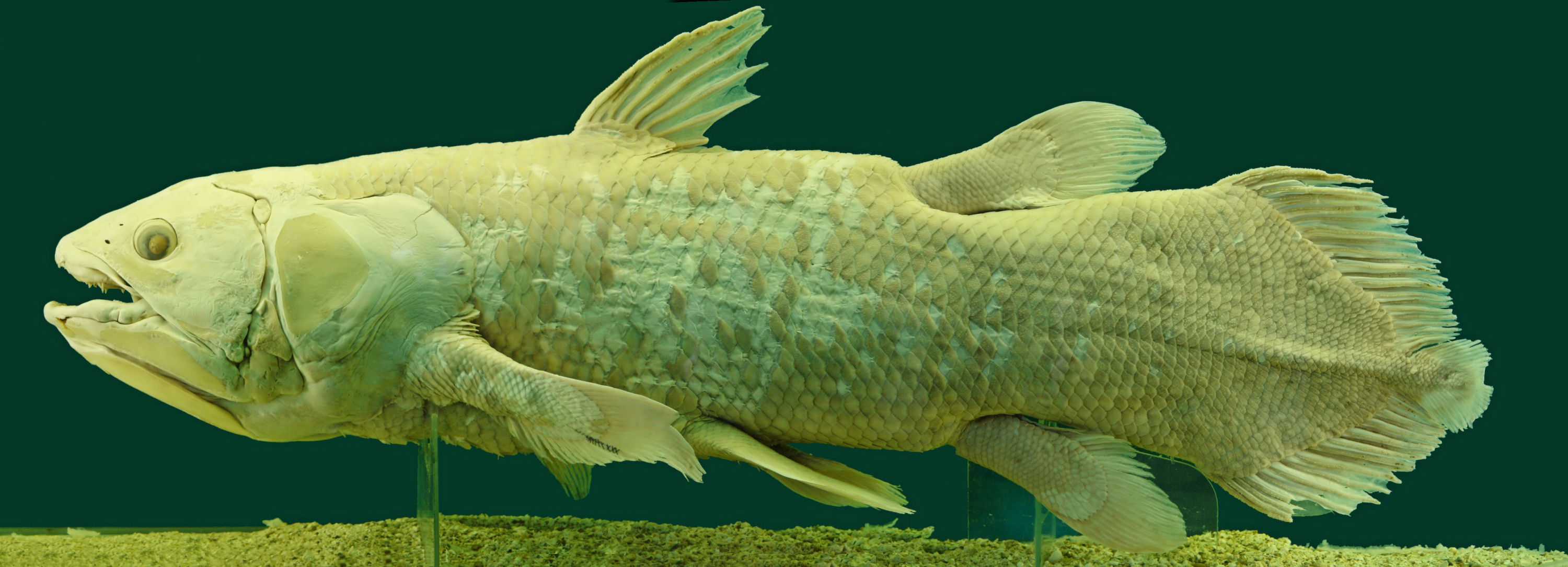
For decades, paleontologists believed coelacanths went extinct 66 million years ago. Then, in 1938, a South African fishing trawler pulled one up from the deep Indian Ocean. The modern coelacanth, Latimeria chalumnae, has a fossil record stretching back roughly 400 million years. Its lobed fins move in an alternating pattern resembling a walking gait, once thought to hold clues to how fish first crawled onto land. Today, coelacanths live at depths of 150 to 700 meters near volcanic islands in the western Indian Ocean. A second species, Latimeria menadoensis, was identified off Indonesia in 1997.
Tardigrades: The Indestructible Micro-Fossils
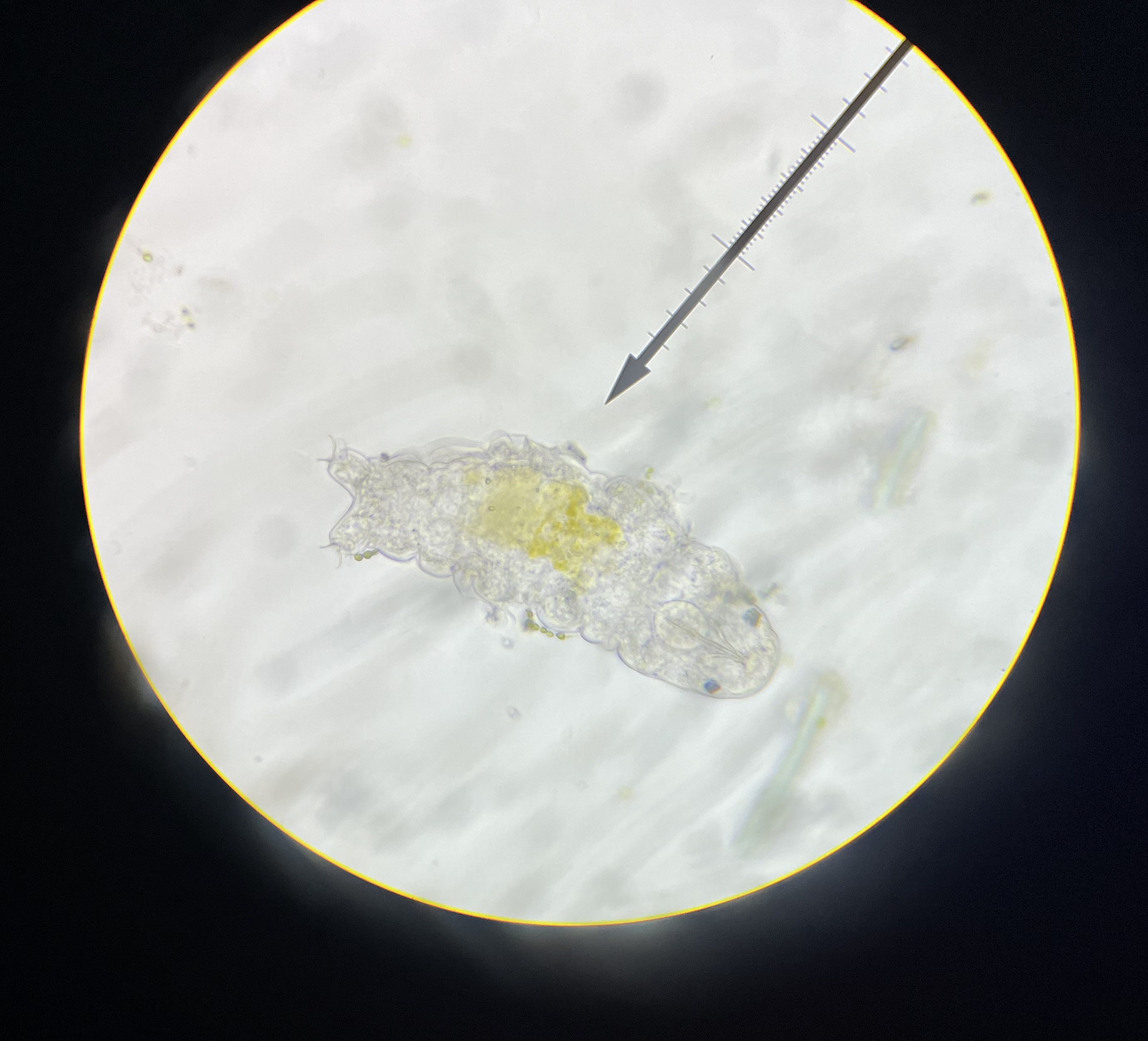
Tardigrades, also called water bears, are microscopic eight-legged animals that have persisted for over 500 million years. Despite their minuscule size, typically 0.1 to 1.5 millimeters, they are among the most resilient organisms on Earth. They survive temperatures from near absolute zero to above 150 degrees Celsius, pressures six times that of the deepest ocean trenches, and the vacuum of outer space. Their survival depends on cryptobiosis, where they dehydrate their bodies into a dormant tun and press pause on metabolism. Fossils of tardigrade-like organisms from the Cambrian show this strategy has been refined across half a billion years.
What Living Fossils Teach Us About Evolution
The existence of living fossils challenges the popular misconception that evolution is a constant march toward complexity. Natural selection does not have a direction. When a body plan is effective and a niche is stable, maintaining the status quo can be the most successful strategy. The species that survive mass extinctions are not necessarily the most advanced or diverse. They are often the most adaptable, the most resilient, and the most patient.
Living fossils also highlight conservation urgency. They tend to have low genetic diversity and limited populations, making them paradoxically both ancient survivors and modern conservation concerns. The nautilus faces overharvesting. Coelacanths are critically endangered. Horseshoe crab populations are declining along the Atlantic coast. These species survived asteroid impacts and ice ages, but they may struggle against the pace of human-driven change.
The next time you see a Triops swimming in a backyard pool or a horseshoe crab flipping itself upright on a beach, remember that you are looking at a lineage that predates flowering plants, birds, and mammals. These creatures are not evolutionary leftovers. They are proof that sometimes the best strategy is simply to endure.
Want to learn more about specific living fossils? Explore our Creature Gallery for deep dives into each species, or check out our article on how Triops compares to other living fossils.