Published August 08, 2026, 20:28 by the Triops.me Editorial Team · Back to Articles
Triops and the Cambrian Myth: How Old Are Living Fossils Really?
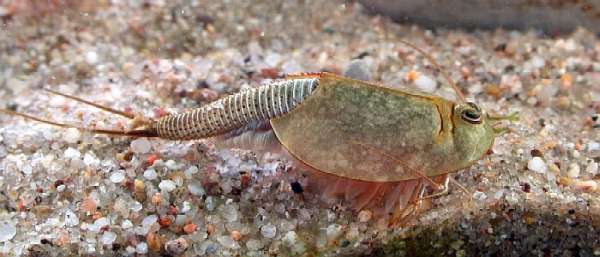
You have probably seen the claim somewhere: "Triops are 500 million years old, older than dinosaurs." It shows up in nature documentaries, classroom posters, and pet store marketing. The number sounds impressive, but it is wrong. Triops are not from the Cambrian period, and understanding the real timeline reveals something far more interesting about how evolution actually works.
The confusion starts with a simple mix-up. The Cambrian explosion, roughly 540 million years ago, produced the first recognizable ancestors of most modern animal groups. But Triops belong to the order Notostraca, and the oldest known Notostraca fossils date to the Carboniferous period, around 300 to 350 million years ago. That is still ancient, but it is 200 million years short of the Cambrian claim.
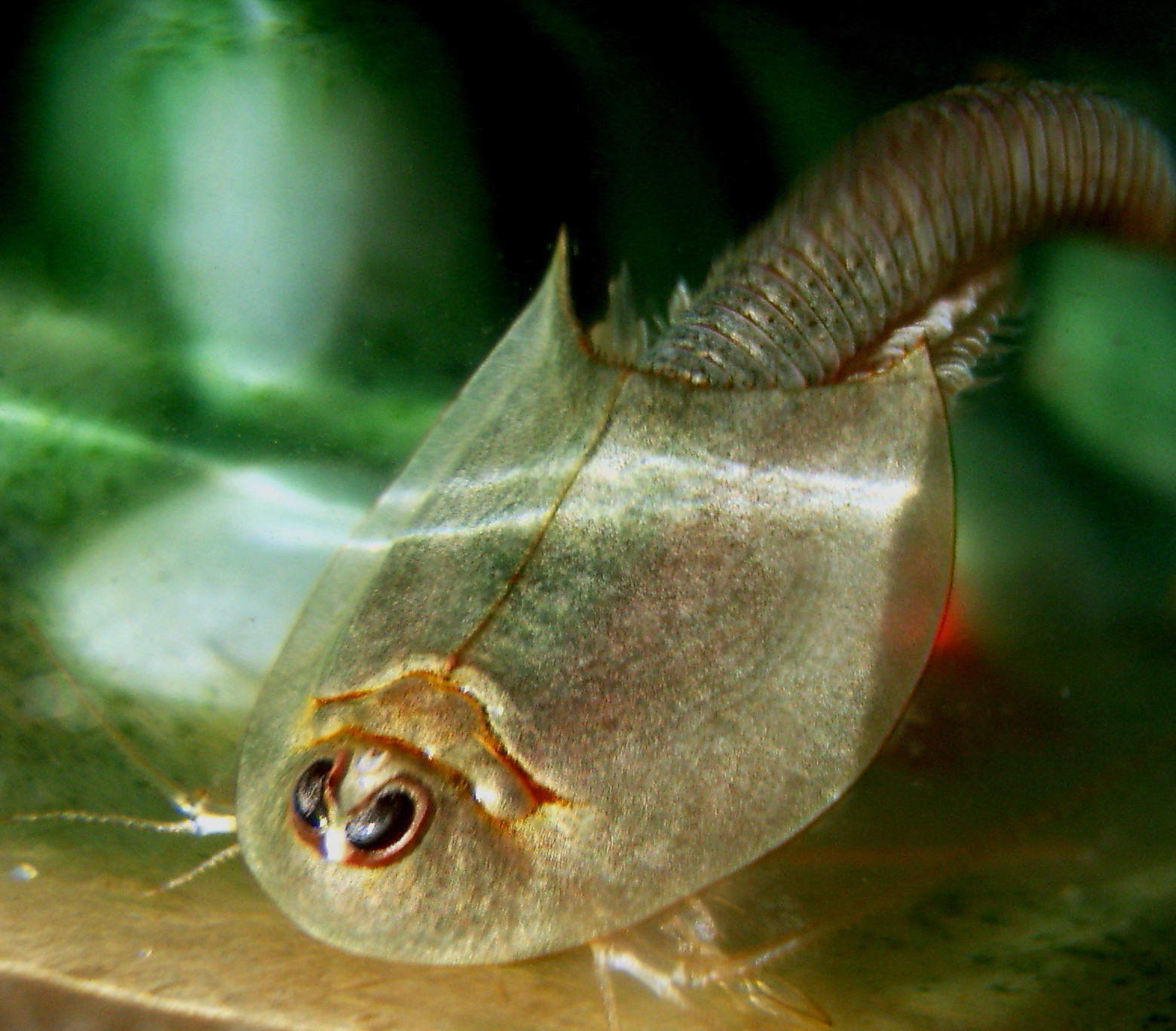
Here is where it gets even more precise. The genus Triops itself, the specific group of tadpole shrimp we recognize today, appears in the fossil record during the Early Miocene, roughly 20 million years ago. Triops cancriformis, the species most often cited as "unchanged since the Triassic," has fossils from about 220 million years ago that look remarkably similar to living specimens. But looking similar does not mean being the same species. Morphological similarity across vast time spans is exactly the puzzle that the "living fossil" concept tries to address.
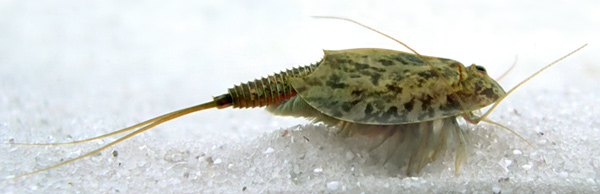
What "Living Fossil" Actually Means
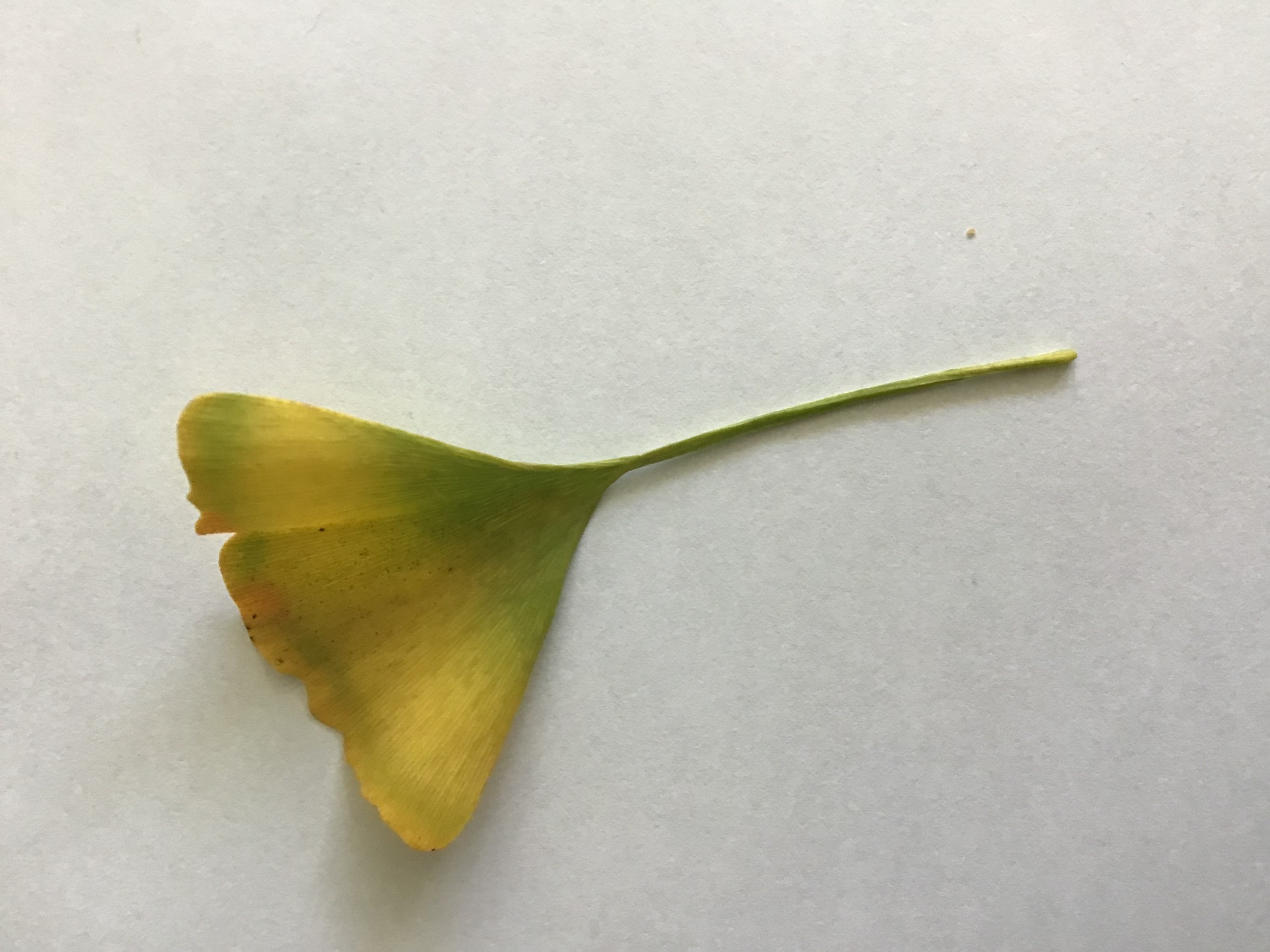
The phrase "living fossil" was coined by Charles Darwin in 1859 to describe organisms that appear to have changed very little over geological time. Triops share this label with a handful of other famous examples: the horseshoe crab (Limulus), the coelacanth (Latimeria), and the ginkgo tree (Ginkgo biloba). Each of these organisms has been celebrated as a window into deep time, a creature that survived where countless others went extinct.
But modern biologists are increasingly uncomfortable with the term. A 2018 review in the journal BioScience argued that the primary value of the "living fossil" concept is not to categorize organisms, but to highlight what demands explanation. Why do some lineages show remarkable morphological stability while others diversify wildly? That is the real scientific question.
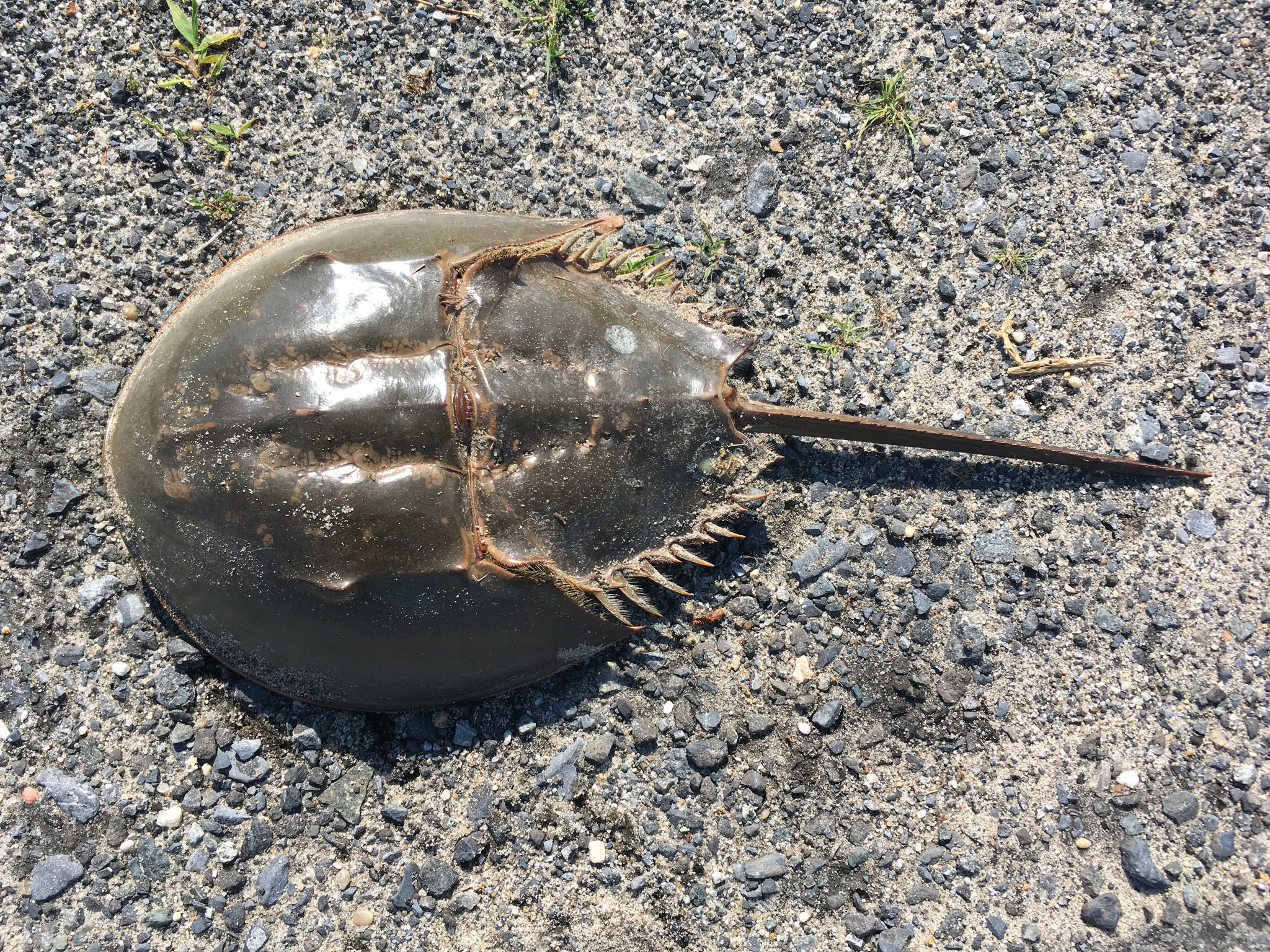
The horseshoe crab is a perfect illustration. Its body plan has looked roughly the same for over 400 million years, yet its genome tells a different story. Genetic studies reveal significant molecular divergence between species, and even within populations. The coelacanth shows the same pattern: a body shape frozen in deep time, but a genome full of active transposable elements and ongoing genetic change. The ginkgo, with its fan-shaped leaves virtually identical to 200-million-year-old fossils, has experienced substantial population bottlenecks and range shifts.
Morphology vs. Molecules
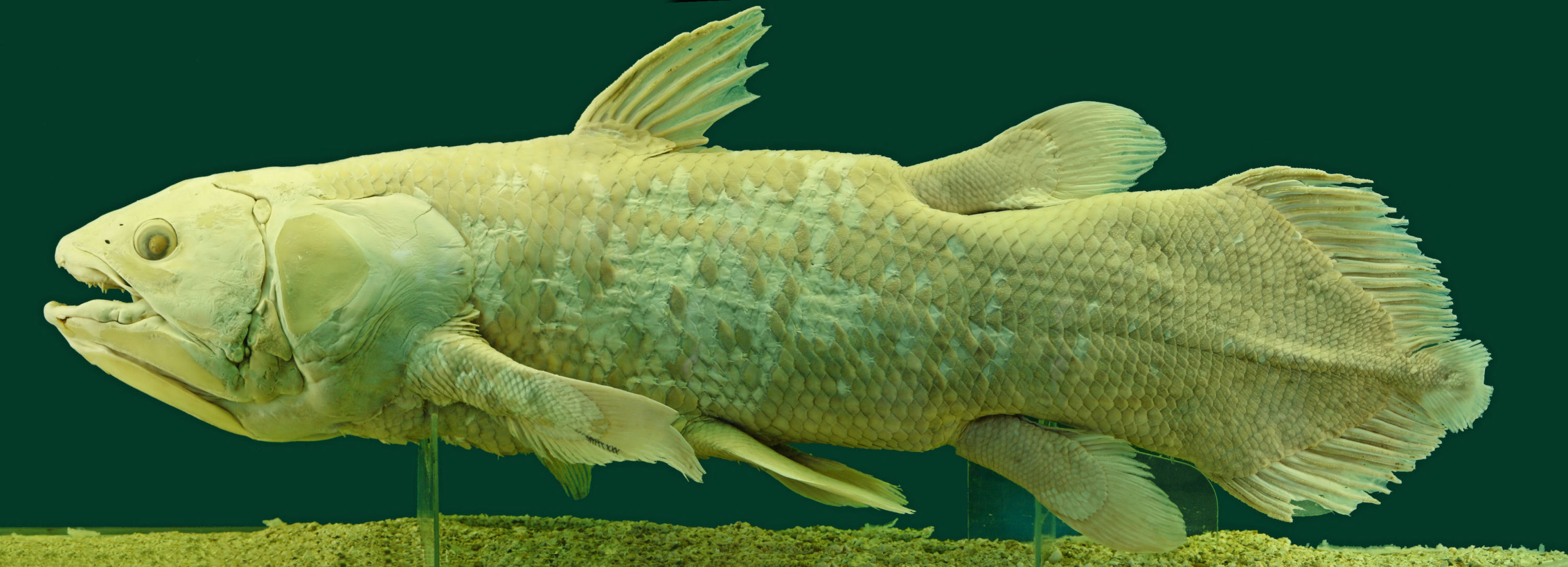
This is the core tension in living fossil science. An organism can look the same on the outside while changing significantly at the DNA level. Triops are no exception. Despite their conservative body plan, researchers have found genetic variation between Triops populations across different continents. The external form persists, possibly because it is so well adapted to temporary pool environments that there is little selective pressure to change. But the genome underneath continues to evolve.
This means the popular narrative, "Triops have been around for 500 million years and never changed," gets it wrong twice. The timeline is off by hundreds of millions of years, and the claim that they "never changed" ignores the genetic evolution happening beneath the surface.
Why the Myth Persists
The Cambrian myth persists because it is a great story. A tiny shrimp that outlasted the dinosaurs, survived five mass extinctions, and looks the same as it did before mammals existed. The real story, that Triops ancestors emerged in the Carboniferous, that the genus is roughly 20 million years old, and that their "unchanged" appearance masks real genetic change, is more complicated but more interesting.
Understanding the actual timeline does not diminish Triops. It makes them more remarkable. These crustaceans survived the Permian-Triassic extinction, the asteroid that killed the dinosaurs, and the ice ages, all while maintaining a body plan that works brilliantly for ephemeral pools. That is not a 500-million-year accident. It is 300 million years of genuine evolutionary success.
So the next time someone tells you Triops are older than the Cambrian, you can set the record straight. The truth is better than the myth.