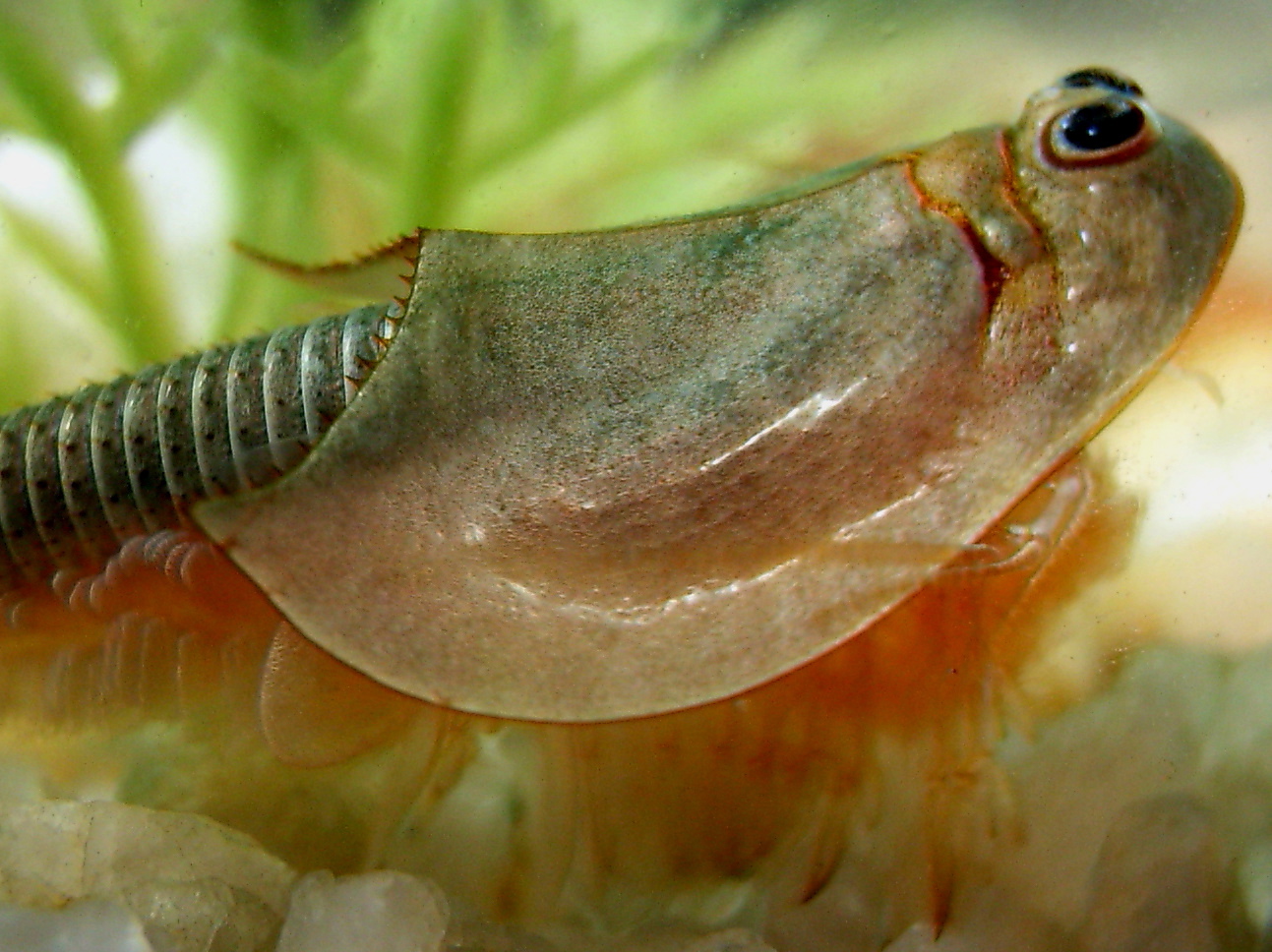
Most animal eggs are fragile. Expose them to air and they dry out and die. Triops eggs do something entirely different. When their temporary pool dries up, these tiny eggs, less than half a millimeter across, enter cryptobiosis, a form of suspended animation where all metabolic activity stops. Scientists have successfully hatched Triops eggs stored dry for over 27 years, and they likely survive far longer.
What Is Anhydrobiosis?
The specific type of cryptobiosis Triops eggs undergo is called anhydrobiosis, life without water. When the water level drops and the eggs are exposed to air, they lose moisture at a controlled rate. Research on Triops granarius, published in Zoological Science in 2013 by Ito et al., found that eggs tolerate desiccation best when dried at low humidity over weeks, not all at once. During anhydrobiosis, the embryo reaches a point of near-total water loss, around 99.99% desiccated, where biological machinery effectively pauses. No cell division, no respiration, no development. The egg is not alive in any conventional sense, yet it retains the ability to resume life once rehydrated.
The Alveolar Shell: Engineering at a Microscopic Scale
The secret lies partly in the egg's remarkable shell structure. Triops eggs have an alveolar layer, a spongy matrix of hundreds of tiny interconnected chambers between the outer and inner membranes. When freshly laid, this layer is filled with fluid, making the egg sink into sediment at the bottom of the pool, where it is protected from being eaten by its own parents.
As the pool dries, the fluid is replaced by air. This air-filled layer provides insulation against temperature extremes and makes the dried egg buoyant. When rain returns, the dried eggs float to the surface where sunlight reaches them. Light is one of the key triggers that tells an egg it is not buried and is safe to hatch.
Multiple Lines of Defense
Triops eggs use a bet-hedging system to ensure survival regardless of conditions. A small percentage of eggs can hatch almost immediately after being laid, allowing multiple generations within a single wet season. The rest require at least one drying cycle, and some need two or more before they will hatch. If a pool fills and dries before the first generation matures, unhatched eggs remain waiting for the next rain. It is an insurance policy built into the reproductive cycle itself.
Temperature and Light: The Hatching Triggers
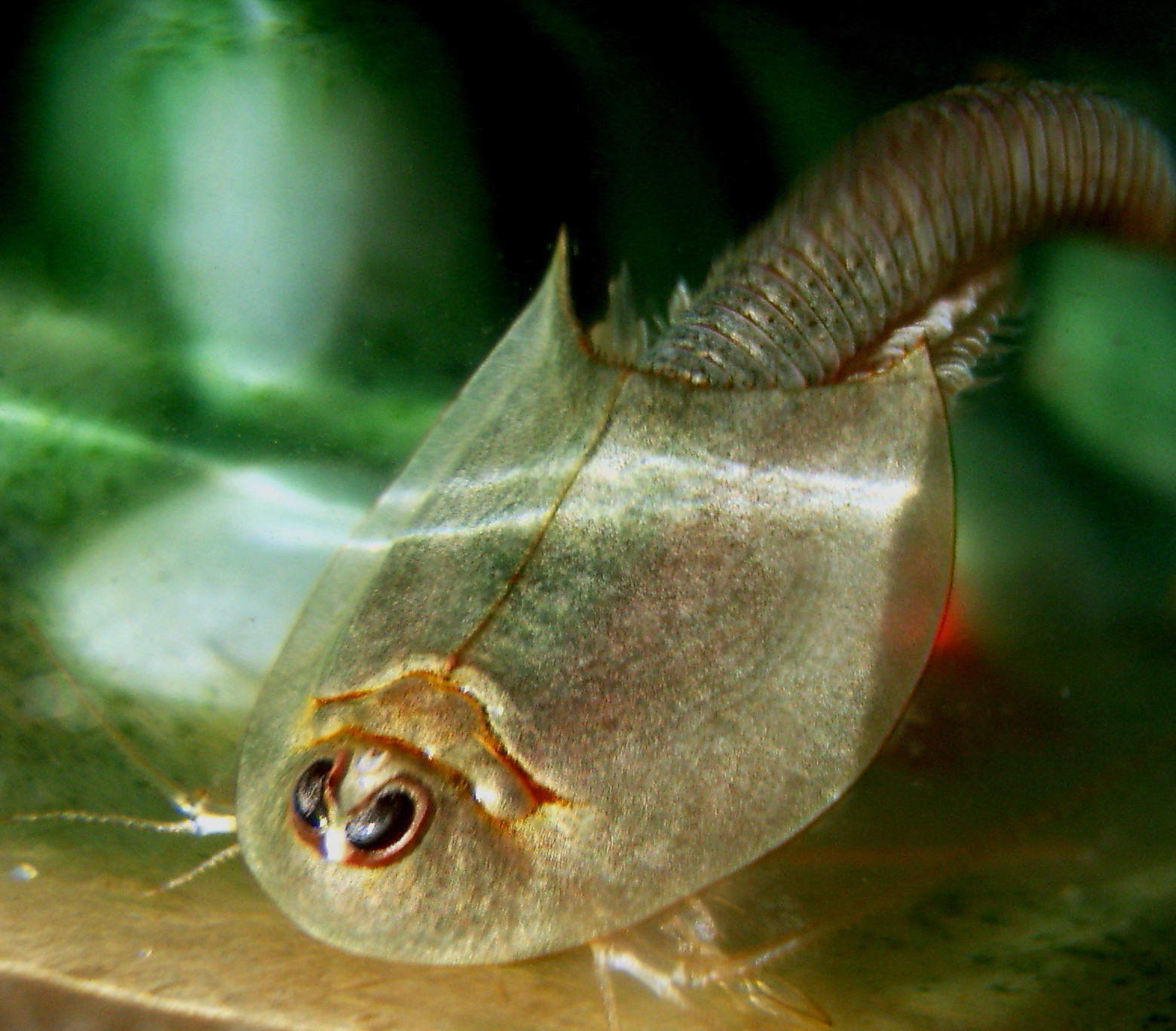
Water alone is not enough to wake a dormant Triops egg. The eggs also monitor temperature, osmotic pressure, and light before committing to hatch. The optimal hatching temperature is around 22 degrees Celsius, with most eggs hatching between 15 and 30 degrees. Water with low mineral content, like fresh rainwater filling a new pool, signals the right osmotic conditions. Established ponds with high dissolved minerals will not trigger hatching, which matters because those ponds likely contain fish and predators that would destroy vulnerable hatchlings.
Dehydrated Triops eggs are also remarkably heat-tolerant. The Ito et al. study found that dried eggs survived 80 degrees Celsius for one hour in air, while non-dehydrated eggs died at 60 degrees. This heat resistance means eggs can survive baking in sun-baked mud that would kill almost any other form of life.
Why This Matters
The ability of Triops eggs to survive complete desiccation is not just a biological curiosity. It explains how these creatures persisted through multiple mass extinctions, including the Permian-Triassic event 252 million years ago that wiped out 90% of all species. While adult Triops are vulnerable, their eggs simply wait it out. A drought that ends an entire ecosystem is just another drying cycle for a Triops egg. As long as rain eventually falls, these tiny capsules of suspended life will hatch, grow, and reproduce within 48 hours of rehydration. That strategy has worked for over 200 million years, and there is no reason to think it will stop anytime soon.