Published August 16, 2026, 00:49 by the Triops.me Editorial Team · Back to Articles
The Cambrian Explosion: When Life Got Interesting
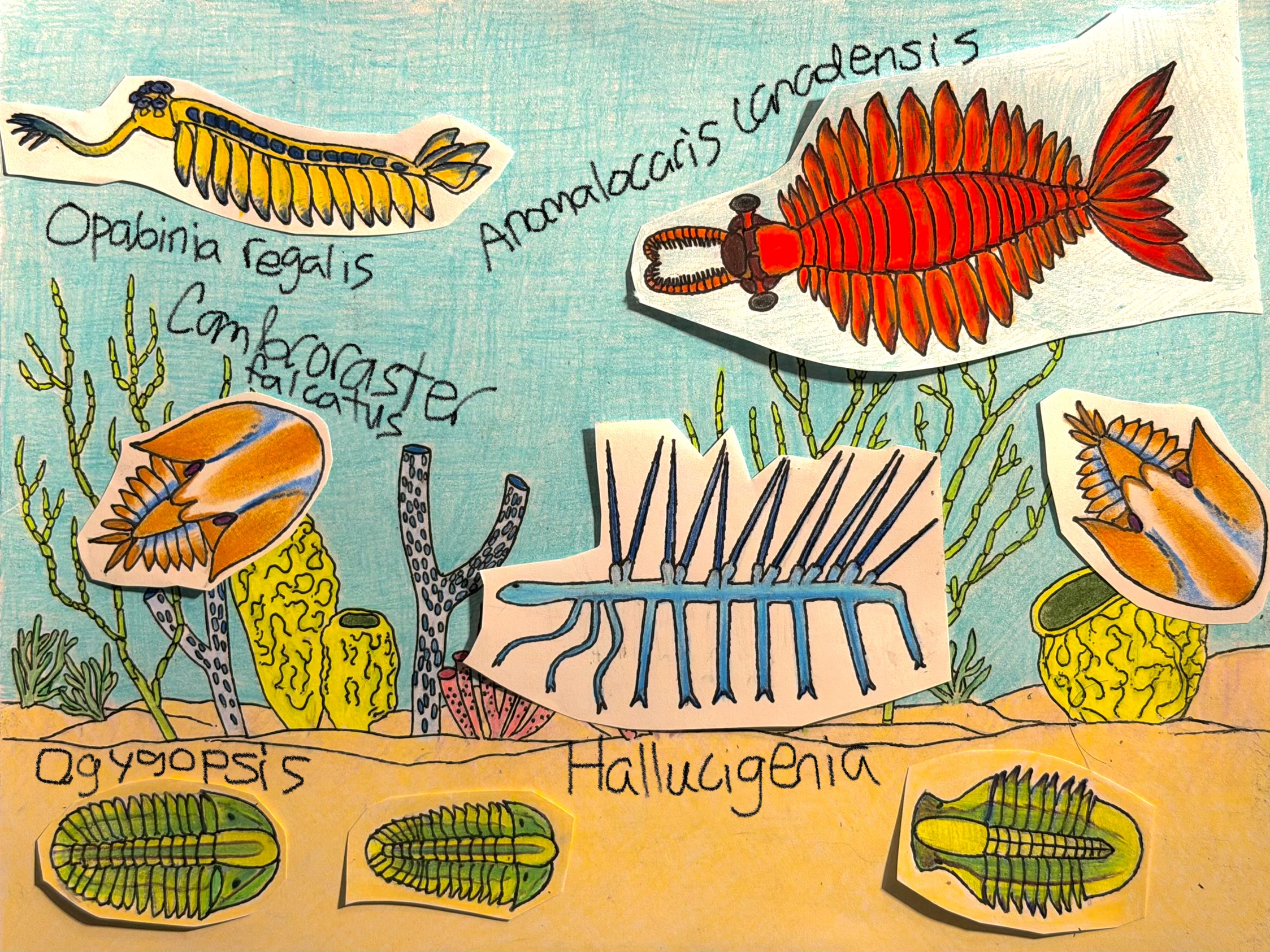
For roughly three billion years, Earth was a world of microbes. Blue-green algae coated tidal flats, bacterial mats stretched across shallow seas. Then, around 538 million years ago, something extraordinary happened. In a geological blink, complex animal life appeared in stunning diversity. Paleontologists call it the Cambrian explosion, and it remains one of the most dramatic events in the history of life.
Before the Cambrian, the fossil record is dominated by simple organisms. Stromatolites, layered structures built by cyanobacteria, are some of the oldest evidence of life. A handful of Ediacaran organisms, like the disc-shaped Dickinsonia and the frond-like Charnia, hint at early multicellular experiments. But none had recognizable limbs, eyes, or feeding appendages. The Ediacaran world was soft, quiet, and fundamentally different from what came next.
What Actually Happened?
The Cambrian explosion unfolded over roughly 20 to 25 million years. That sounds slow by human standards, but in geological time it was sudden. During this window, virtually every major animal phylum we recognize today appeared in the fossil record. Arthropods, mollusks, echinoderms, chordates, annelids, and more emerged in rapid succession. The oceans went from microbial silence to a chaotic arena of predators, prey, and armored grazers.
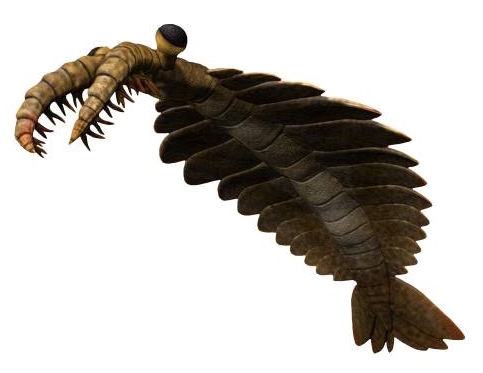
The single most famous example is Anomalocaris, a predator up to a meter long with circular jaws and spiny frontal appendages that could seize trilobites. For decades scientists struggled to reconstruct it, because its body parts were initially classified as three separate animals. When the full organism was reconstructed in the 1980s, it changed how we understood Cambrian ecosystems.
Why Did It Happen?
No single cause fully explains the Cambrian explosion. Rising oxygen levels may have crossed a threshold that supported larger, more active bodies. The evolution of eyes created an arms race. Once predators could see and chase, prey needed armor, speed, and hiding strategies. This predator-prey dynamic likely drove the rapid appearance of shells, spines, and burrowing behaviors.
Other factors include ecological opportunities after Ediacaran glaciations, ocean chemistry changes that favored mineralized skeletons, and developmental genes that unlocked new body plans. The truth is probably a combination of all these working together in a world priming itself for complexity.
The Fossil Sites That Changed Everything
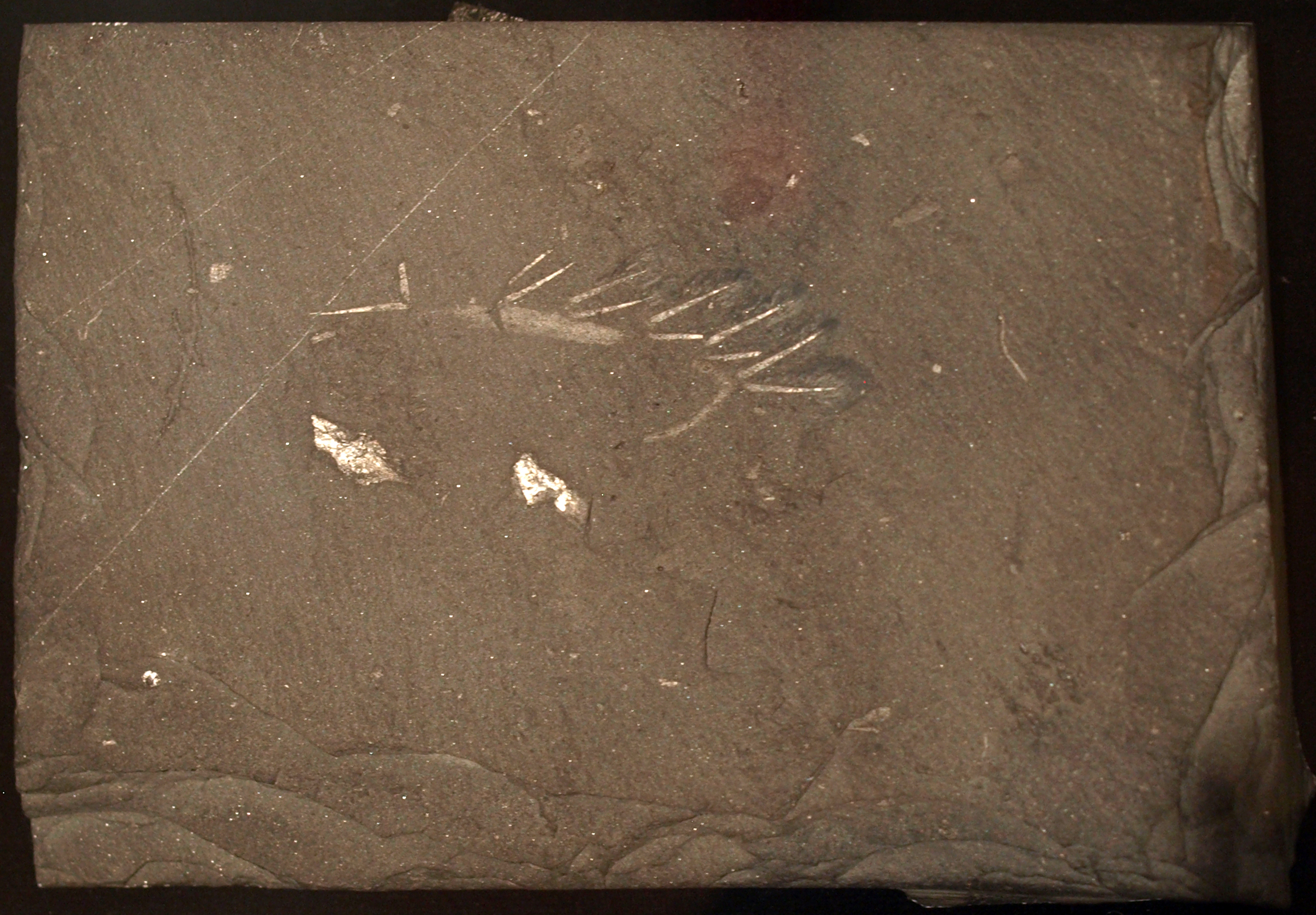
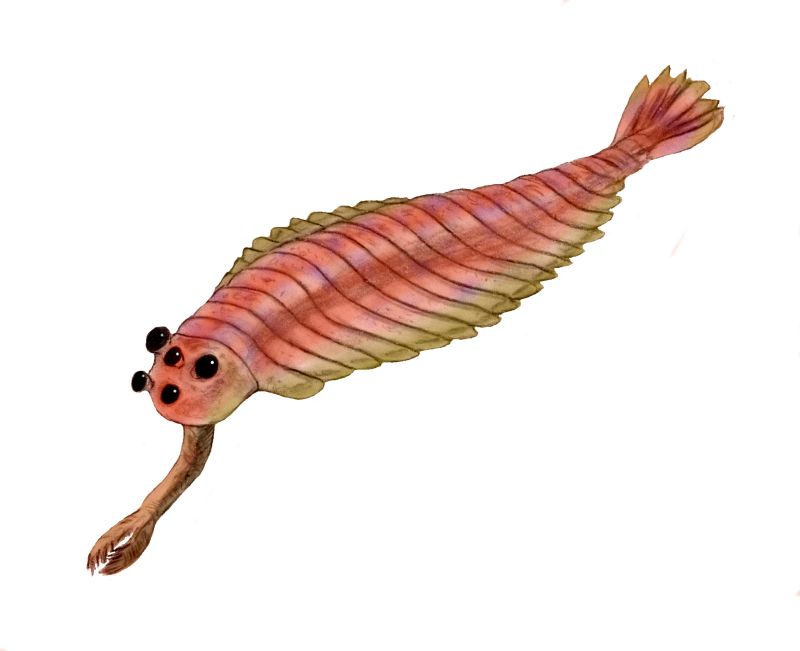
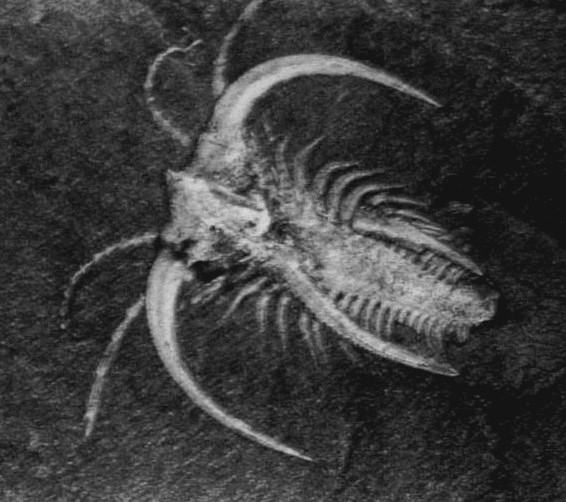
Two fossil discoveries transformed our understanding of Cambrian life. The Burgess Shale in British Columbia, discovered by Charles Walcott in 1909, preserved soft-bodied organisms that revealed a world of bizarre creatures. Hallucigenia, a spiny worm-like animal so strange its original reconstruction was upside down. Opabinia, with five eyes and a forward-facing proboscis. Marrella, the most common Burgess Shale fossil, an ornate arthropod with elaborate head spines.
The Chengjiang biota in Yunnan Province, China, discovered in the 1980s, dates to roughly 518 million years ago. Together, these sites paint a picture of an ocean teeming with life forms that seem almost alien compared to anything alive today.
The Triops Connection
This is where the Cambrian explosion becomes personal for anyone interested in Triops. Triops belong to the order Notostraca, a group of crustaceans whose ancestors first appeared around 220 million years ago. That makes them relatively young compared to Cambrian pioneers. But their broader lineage, the arthropods, is a direct product of that Cambrian radiation.
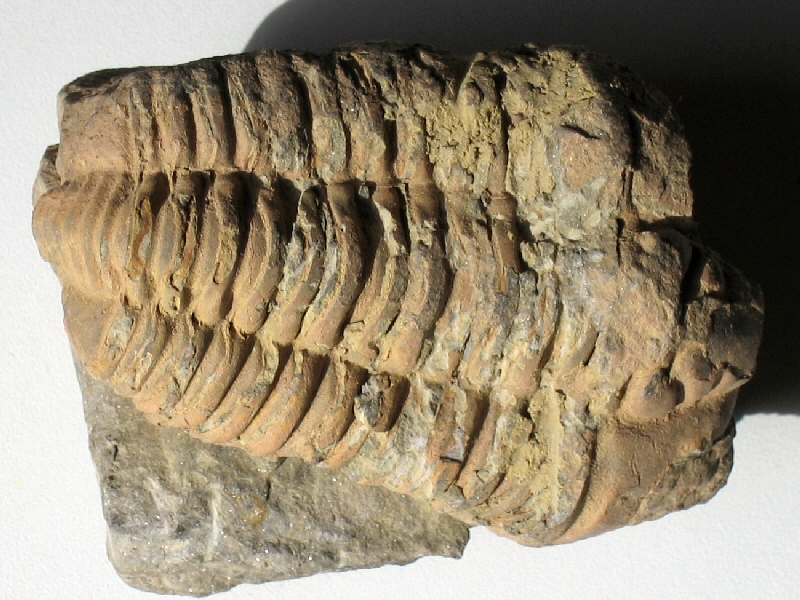
Every jointed leg, every compound eye, every segmented body plan in Triops traces back to innovations that first appeared in Cambrian oceans. The trilobites, dominant for nearly 300 million years, shared the same basic arthropod blueprint. When the trilobites finally went extinct at the end of the Permian, other arthropod lineages carried those ancient designs forward. Triops are living echoes of Cambrian body plans, refined by hundreds of millions of years of adaptation but still recognizably part of the same evolutionary story.
Legacy of the Explosion
The Cambrian explosion did not just create new species. It created the template for animal life. Every vertebrate, every insect, every octopus carries body plan innovations that originated in those ancient seas. The event established ecological relationships and evolutionary strategies that persist today.
Understanding the Cambrian explosion helps us appreciate why Triops are so remarkable. They represent an unbroken chain of survivors, lineages that endured five major mass extinctions. The same basic body plans that worked 538 million years ago still work today, in ephemeral desert pools and backyard ponds around the world. The Cambrian explosion was not just the beginning of complex life, it was the foundation for everything that followed.